PAGE_HEADER
Schilbe intermedius Rüppell, 1832
Image Showcase
Photographs, diagnostic angles and morphological variants
Community & Keeper Tally
Member interactions, breeding records and forum mentions
Aquarium Care & Husbandry
Dietary requirements, tank setup, compatibility and breeding
Feeding & Diet
Not a fussy eater. Will eat most catfish pellets willingly. Bloodworm a favourite and will also take lancefish. [View Member Food Stats]
Aquarium Furniture & Decor
Prefers large open spaces.
Compatibility & Suggested Tankmates
Not aggressive. Better in groups of 3 or more as they like to stick together. Large specimens will eat small fish or fry.
Tankmates: Community fish of reasonable size (not under 5cm).
Breeding Notes
Unreported in the aquarium.
Habitat & Water Parameters
Natural distribution, biotope water conditions and temperature ranges
Geographic Distribution
Africa: Senegal, Gambia, Casamance, Corubal, Geba, Sassandra, Boubo, Bandama, Agnébi, Comoé, Tano, Pra, Volta, Mono, Ouémé, Ogun, Niger, Chad and Cross River basins. Africa: Nile River in Sudan. Reported from the Okavango Delta, Botswana, Zambia, Mozambique and South Africa,
African Waters, Côte de Ivoire Waters, Agnébi (click on these areas to find other species found there)
African Waters, Côte de Ivoire Waters, Bandama (click on these areas to find other species found there)
African Waters, Côte de Ivoire Waters, Boubo (click on these areas to find other species found there)
African Waters, Casamance (click on these areas to find other species found there)
African Waters, Chad (click on these areas to find other species found there)
African Waters, Côte de Ivoire Waters, Comoé (click on these areas to find other species found there)
African Waters, Geba, Corubal (click on these areas to find other species found there)
African Waters, Cross (click on these areas to find other species found there)
African Waters, Gambia (click on these areas to find other species found there)
African Waters, Geba (click on these areas to find other species found there)
African Waters, Nile, Middle Nile (click on these areas to find other species found there)
African Waters, Mono (click on these areas to find other species found there)
African Waters, Nigeria Waters, Niger (click on these areas to find other species found there)
African Waters, Nigeria Waters, Ogun (click on these areas to find other species found there)
African Waters, Ouémé (click on these areas to find other species found there)
African Waters, Pra (click on these areas to find other species found there)
African Waters, Côte de Ivoire Waters, Sassandra (click on these areas to find other species found there)
African Waters, Sénégal (click on these areas to find other species found there)
African Waters, Tano (click on these areas to find other species found there)
African Waters, Volta (click on these areas to find other species found there)
Login to view the map.
Species Description & Identification
Morphology, diagnostic traits and sexual dimorphism
Identification
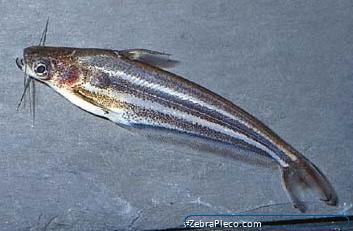
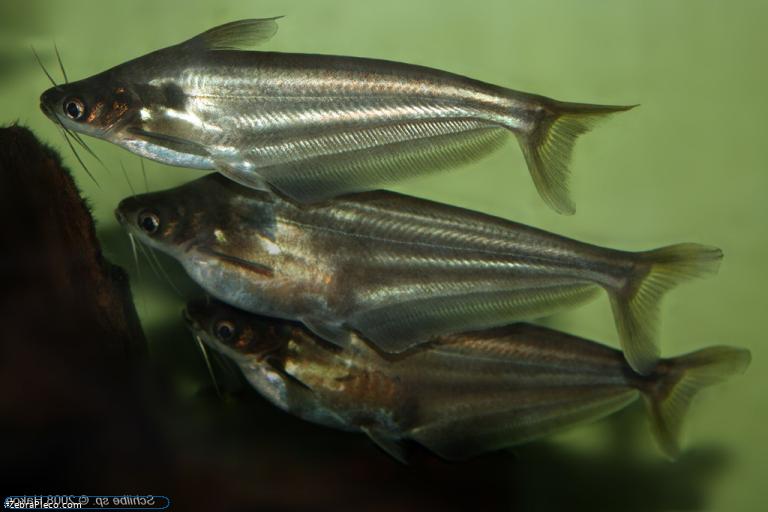
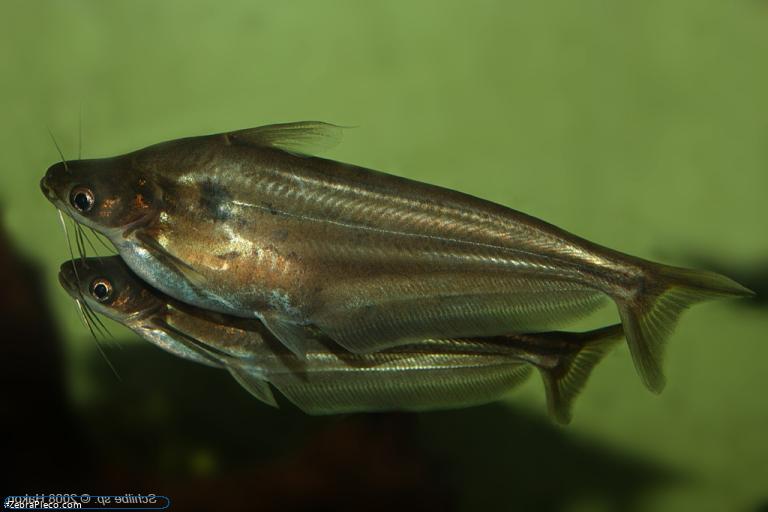
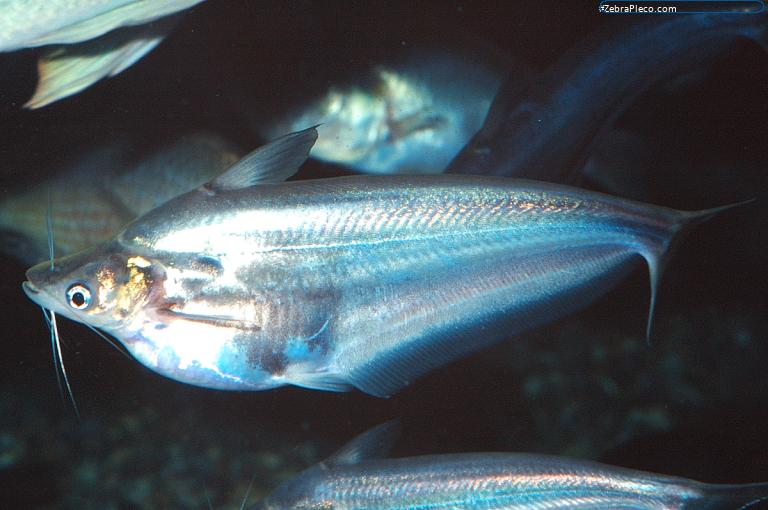
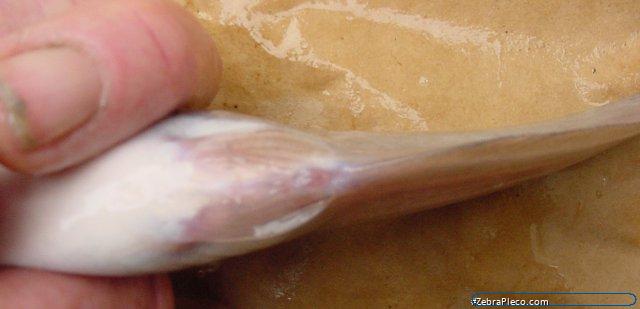
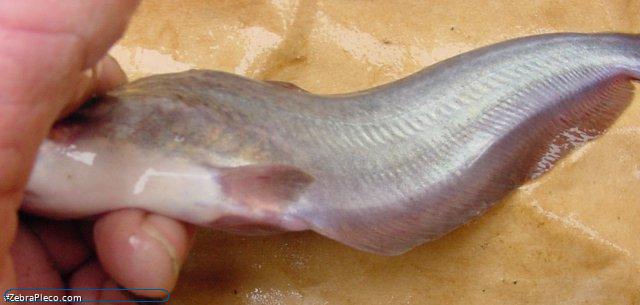
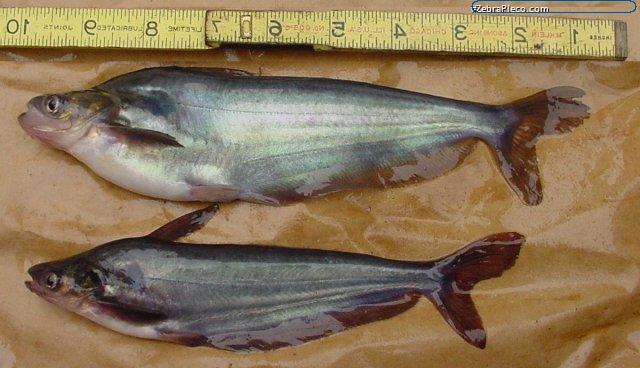
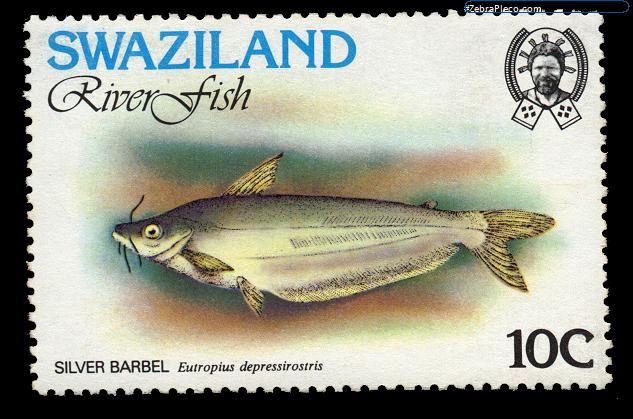
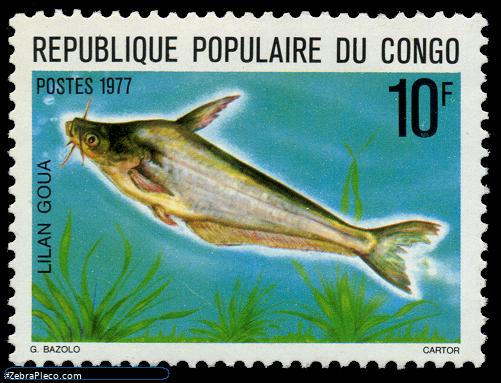
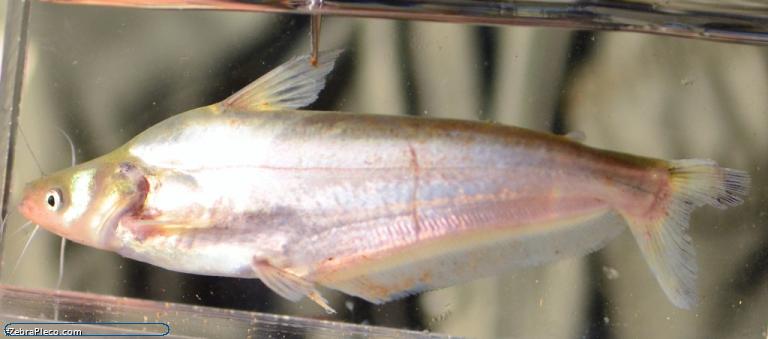
There are two populations of the species one with and one without an adipose fin.Roughly speaking the ones without an adipose fin are from the north and west of Africa. The populations with an adipose fin are from the central, east and south of Africa. It is a widespread species.Quite distinctive. Large shovel mouth surrounded by 4-6 nasal barbs. Eyes slightly protrude from head.
Anal fin long, extending from vent almost to origin of caudal fin. Four pairs of short, circum-oral barbels. Silver-grey, somewhat darker above.
General Remarks
Largest specimen measured 60,5 cms (TL), but normally this species won't grow much larger than 30 cms (SL). Source: FishBase.
Taxonomy, Synonyms & Etymology
Classification history, linguistic derivations and variant forms
Synonyms
Bagrus depressirostris, Eutropius lemairii, Schilbe auratus, Schilbe bouvieri, Schilbe dispela, Schilbe dispila, Schilbe emini, Schilbe palmeri, Schilbe palmeri, Schilbe senegalensis, Schilbe senegalensis fasciata, Schilbe senegallus, Schilbe steindachneri
Pronunciation
skill bee - in ter meed ee uss
Etymology
Referring to certain intermediate characters of this species between Schilbe uranoscopus and some specimens of the species itself.
There are 7 other speciesCampellolebias intermedius
Henonemus intermedius
Hyporhamphus intermedius
Pseudecheneis intermedius
Tachysurus intermedius
Trachyglanis intermedius
Tylochromis intermedius with this specific name.
Literature & Resources
Scientific publications, external links and citation tools
Description Reference
Fortsetzung der Beschreibung und Abbildung meherer neuer Fische, pp 6.
External Databases
Related Searches