
PAGE_HEADER
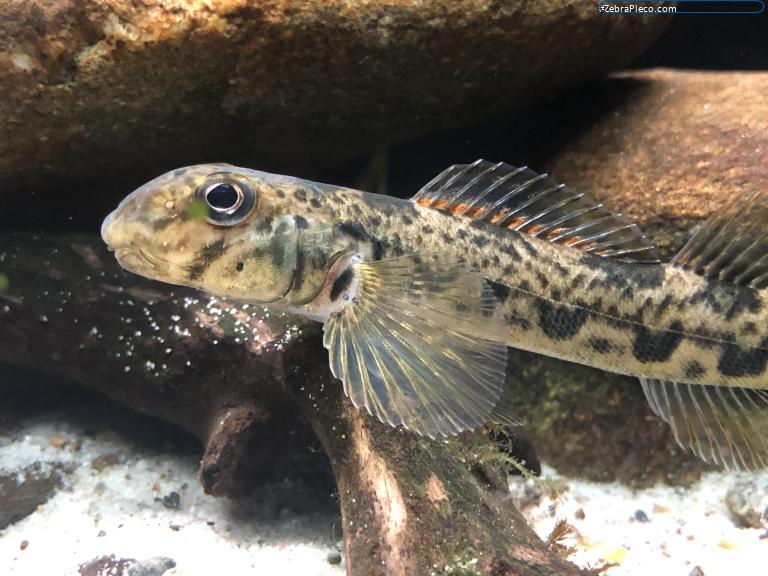
Etheostoma blennioides Rafinesque, 1819
Image Showcase
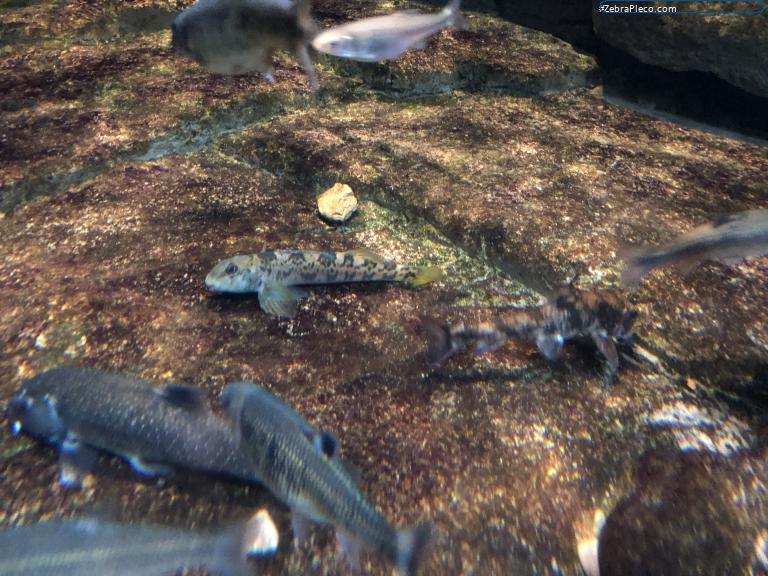
Photographs, diagnostic angles and morphological variants
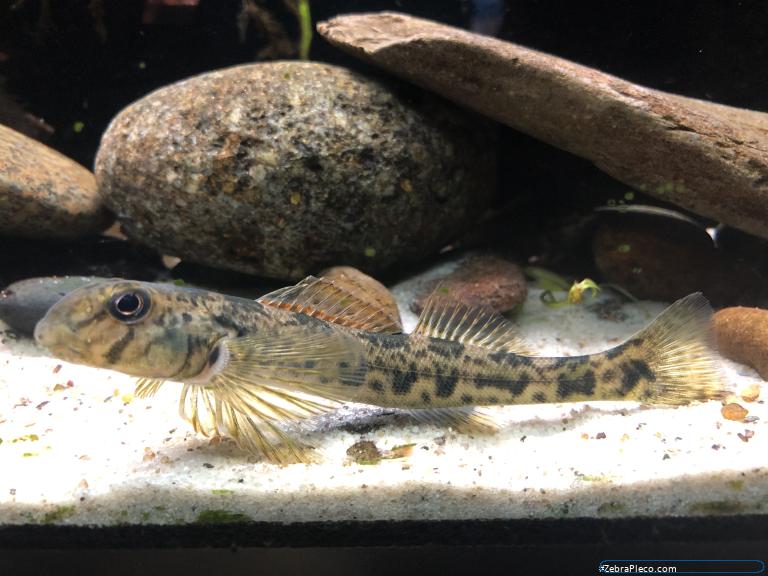
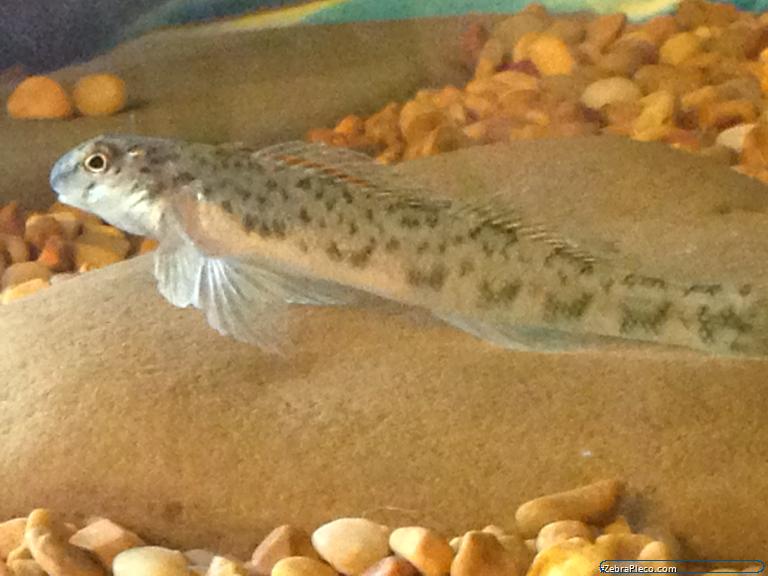
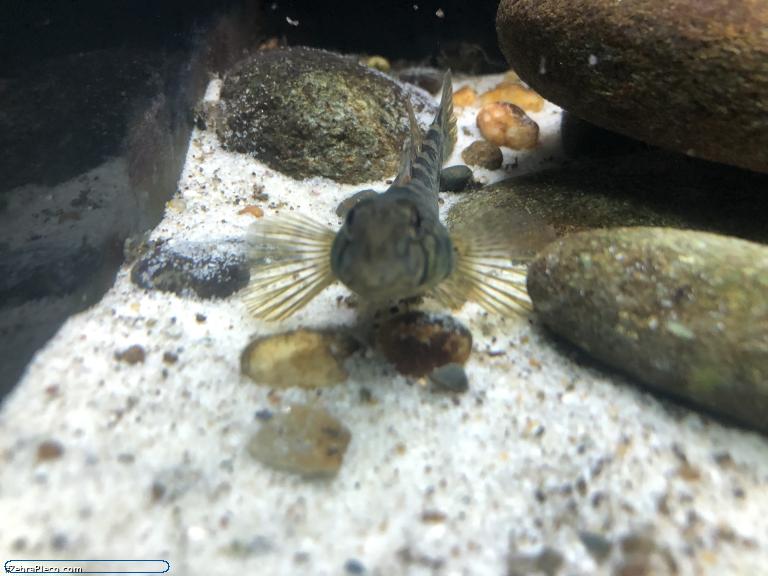
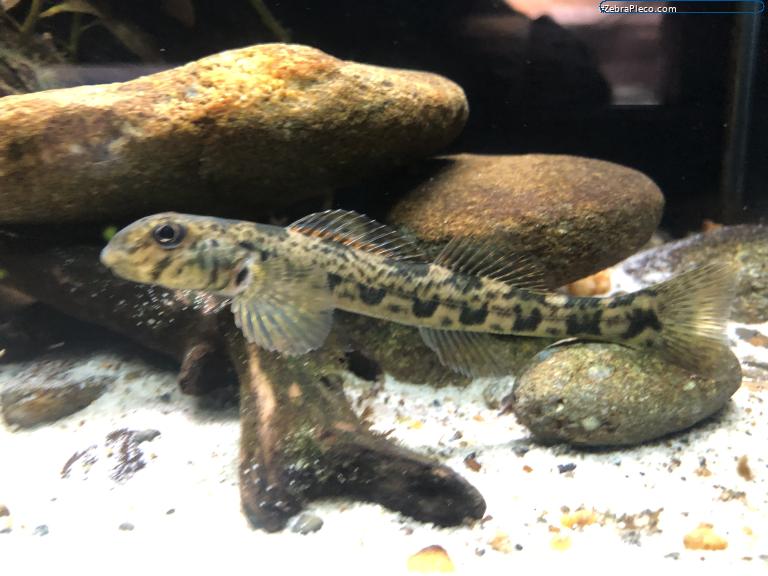
Community & Keeper Tally
Member interactions, breeding records and forum mentions
Aquarium Care & Husbandry
Dietary requirements, tank setup, compatibility and breeding
Feeding & Diet
Omnivorous. Some accept high quality flake and granular food. Brine shrimp, bloodworm and cyclops are readily accepted and snails are especially relished. [View Member Food Stats]
Compatibility & Suggested Tankmates
Tankmates: Other peaceful North American native fish such as most other darters, shiners, dace, stonerollers, smaller chubs and smaller madtoms.
Breeding Notes
Crevice spawners.
Habitat & Water Parameters
Natural distribution, biotope water conditions and temperature ranges
Geographic Distribution
North America: Great Lakes and Mississippi River basins from New York and Maryland to eastern Kansas and Oklahoma in the USA, and from Ontario in Canada south to Georgia, Alabama and Arkansas in the USA; and Atlantic Slope in Mohawk, Susquehanna and Potomac drainages in New York and Virginia, USA.
Taxonomy, Synonyms & Etymology
Classification history, linguistic derivations and variant forms
Synonyms
Etheostoma blennioides blennioides
Pronunciation
ee theo stoh mah - bleh nee oi dees
Etymology
From the Greek, etheo meaning to strain and from stoma meaning mouth. The specific epither is also Greek and means like a Blenny.
Literature & Resources
Scientific publications, external links and citation tools
Literature & References
External Databases
Related Searches

