PAGE_HEADER
Hypostomus plecostomus (Linnaeus, 1758)
Image Showcase
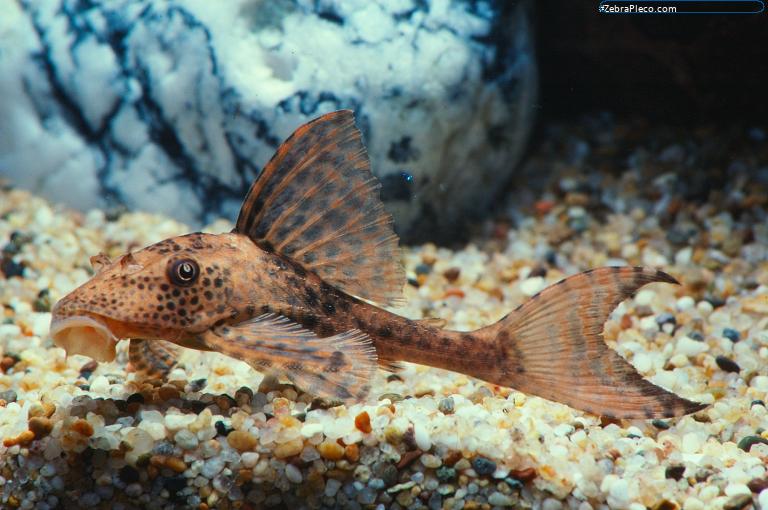
Photographs, diagnostic angles and morphological variants



Community & Keeper Tally
Member interactions, breeding records and forum mentions
Aquarium Care & Husbandry
Dietary requirements, tank setup, compatibility and breeding
Feeding & Diet
A true omnivore that will eat anything. The diet should be primarily vegetarian. [View Member Food Stats]
Aquarium Furniture & Decor
Ideally a large tank with driftwood and a few caves. Substrate is unimportant.
Compatibility & Suggested Tankmates
Larger specimens can be territorial, but they rarely cause damage to tankmates. Smaller fishes are ignored.
Tankmates: Keep with medium to large sized community fishes or most American cichlids.
Breeding Notes
Probably never accomplished. They normally spawn in holes in the river bank, but I have also captured this species in mountain rivers and ponds that did not have earthen banks. In these habitats it must spawn in caves formed by rocks and/or driftwood.
Habitat & Water Parameters
Natural distribution, biotope water conditions and temperature ranges
Geographic Distribution
South America: Guianan coastal drainages. Have been introduced to several Asian countries for the aquarium trade.
Orinoco (click on these areas to find other species found there)
Guyana Waters, Coastal Rivers of Guyanas, Suriname Coastal Rivers, Suriname (click on these areas to find other species found there)
Login to view the map.
Species Description & Identification
Morphology, diagnostic traits and sexual dimorphism
Identification
Due to the number of species in the genus, identification is very difficult without exact provenance of the specimen. Most ''common plecos'' are now exported from Peru and Brazil. Photos of the real H. plecostomus are common in aquarium literature from the 1960s and 70s when ''common plecos'' were exported from Venezuela, Suriname, and the Guyanas.
Sexual Dimorphism (Sexing)
Large adult males possess thickened pectoral fins that turn reddish pink. Gravid adult females appear thicker when viewed from above.
General Remarks
Also found throughout the Orinoco basin, although some authors believe that Orinoco specimens may represent a different species. The photographs above are mostly of H. plecostomus from the Orinoco basin. Weber (2003) restricted distribution to coastal drainages of the Guianas.
Taxonomy, Synonyms & Etymology
Classification history, linguistic derivations and variant forms
Synonyms
Acipenser plecostomus, Acipenser spec, Hypostomus guacari, Loricaria flava, Plecostomus bicirrosus, Plecostomus brasiliensis, Plecostomus plecostomus, Pterygoplichthys plecostomus
Pronunciation
hi POSS tow muss - PLEK oss toe mus
Etymology
Greek, hypo = under + Greek, stoma = mouth. pleco = sucker, stomus = mouth.
Literature & Resources
Scientific publications, external links and citation tools
Description Reference
Systema Naturae, Ed. X v. 1, pp 238.
External Databases
Related Searches