PAGE_HEADER
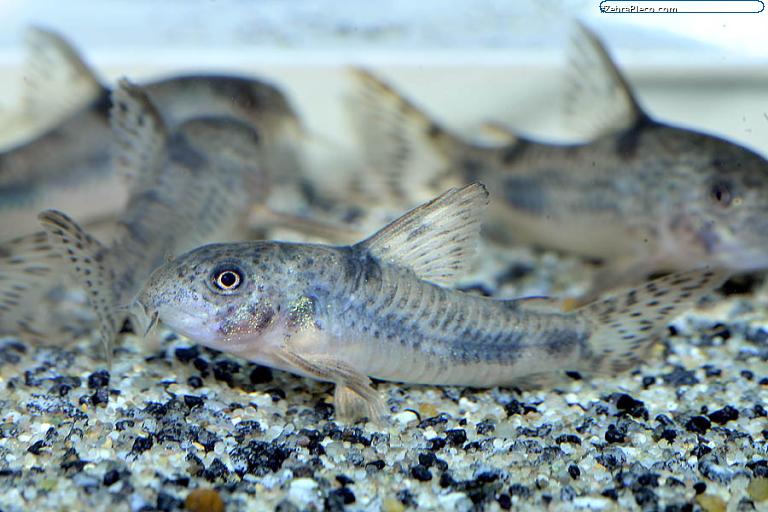
Hoplisoma benattii (Espíndola, Tencatt, Pupo, Villa‐Verde & Britto, 2018)
Image Showcase
Photographs, diagnostic angles and morphological variants
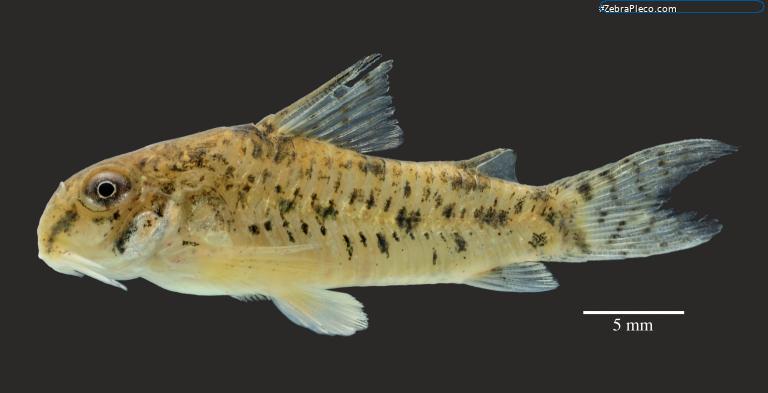
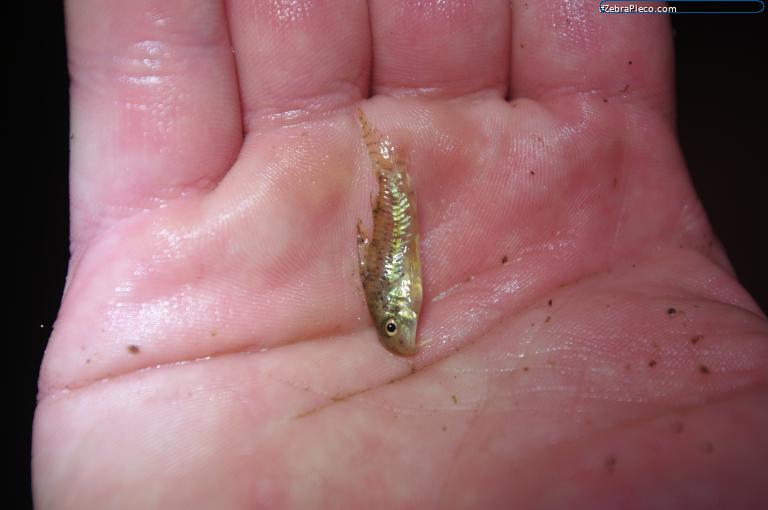
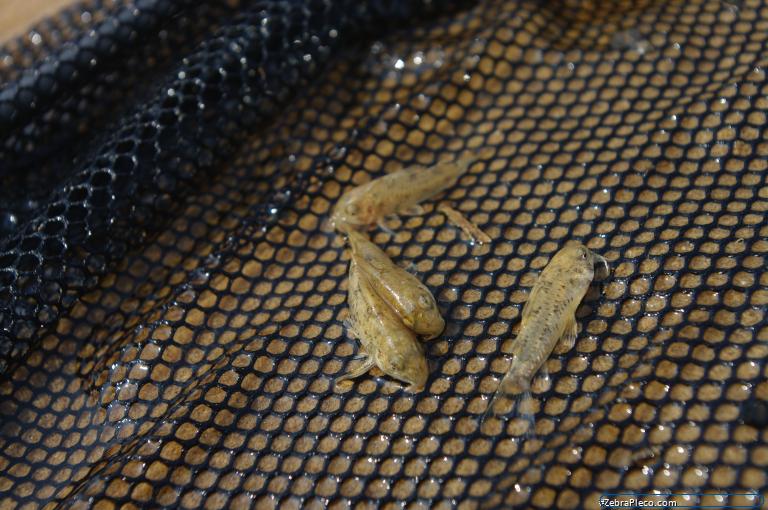
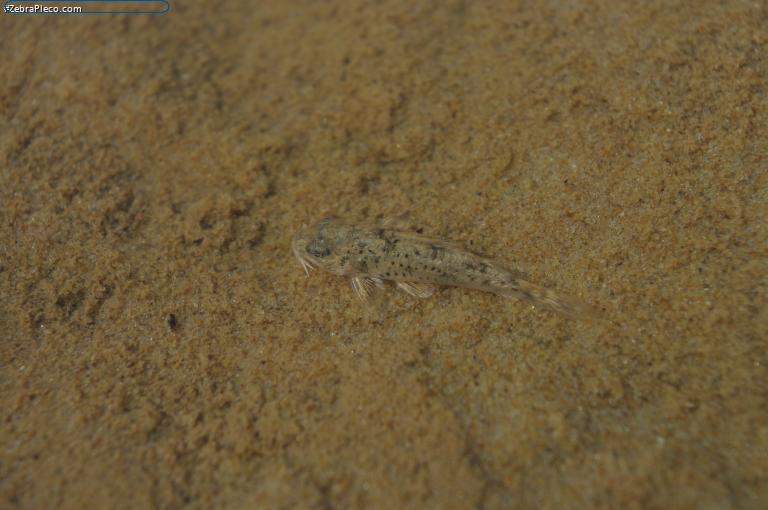
Community & Keeper Tally
Member interactions, breeding records and forum mentions
Aquarium Care & Husbandry
Dietary requirements, tank setup, compatibility and breeding
Feeding & Diet
Will readily accepted all prepared foods that reach the bottom of the aquarium such as tablets, granules and larger flakes. Live (or frozen) foods such as bloodworm, white worm, grindal worm (Enchytraeus), Daphnia and Tubifex are readily accepted and good for conditioning groups of fishes for spawning. [View Member Food Stats]
Aquarium Furniture & Decor
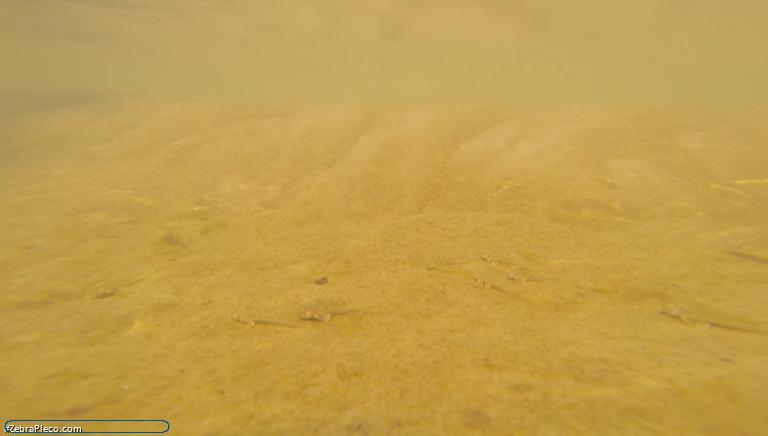
Ideally, and close to mandatory, substrate should be sand, but rounded gravel is an imperfect alternative. Avoid keeping over rough edged (chipped) gravel or sharp sand. This will increase the risk of damage to the fishes barbels when it tries to dig. Substrate should be bordered with driftwood and aquatic plants leaving an open area for them to search for food and swim. The shade provided by overhanging rock work, arching bogwood, tall or floating plants are all that is required to settle a group of these fishes.
Compatibility & Suggested Tankmates
A peaceful, shoaling, community fish.
Breeding Notes
Has been bred in the aquarium.
Habitat & Water Parameters
Natural distribution, biotope water conditions and temperature ranges
Geographic Distribution
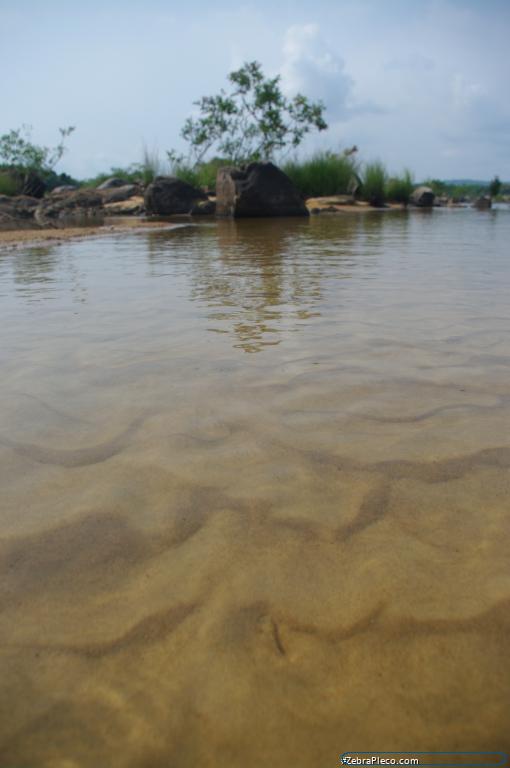
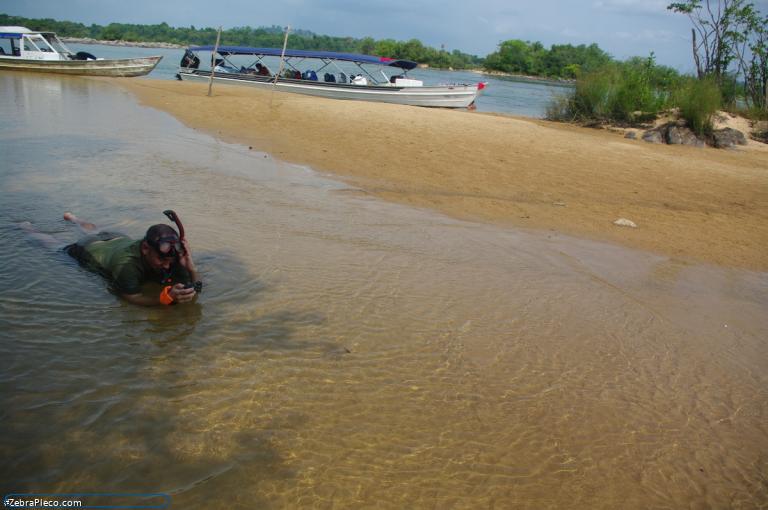
Corydoras benattii occurs in both the Rio Xingu and Rio Tapajós basins, Brazilian Amazon.
In the Rio Xingu basin, it is known in Mato Grosso State from tributaries to the Rio Culuene, a clearwater tributary of the upper Rio Xingu (type locality) and in Pará State from the Rio Fresco sub drainage (Rio Trairão and Igarapé Manguari), middle Rio Xingu and from the lower Rio Xingu basin near Altamira.
In the Rio Tapajós basin, it occurs in the Rio Peixoto de Azevedo, a tributary to the Rio Teles Pires, Mato Grosso and from Rio Cururu, a tributary to the Rio São Manuel, Pará.
Amazon, Lower Amazon, Xingu, Upper Xingu, Culuene (click on these areas to find other species found there)
Amazon, Lower Amazon, Tapajós, Upper Tapajós, Cururu (click on these areas to find other species found there)
Amazon, Lower Amazon, Tapajós, Upper Tapajós, Teles Pires (click on these areas to find other species found there)
Amazon, Lower Amazon, Xingu (click on these areas to find other species found there)
Login to view the map.
Species Description & Identification
Morphology, diagnostic traits and sexual dimorphism
Taxonomy, Synonyms & Etymology
Classification history, linguistic derivations and variant forms
Pronunciation
hop lee so mah
Etymology
The genus name is latin for wavy, referring to “dark purplish spots tending to run together, forming undulating longitudinal bands” - a common if not uniform colouration pattern found in this genus. benattii = Named in honour of the late Laert Benatti for his humanitarian work, providing fresh water from artesian wells to poor communities in Brazil.
Literature & Resources
Scientific publications, external links and citation tools
Description Reference
Journal of Fish Biology v. 92 (no. 5), pp [3], Figs. 1-9.
External Databases
Related Searches