PAGE_HEADER
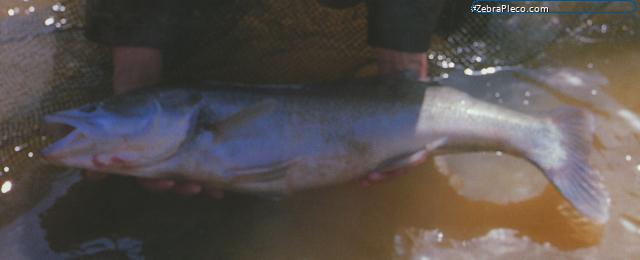
Sander lucioperca (Linnaeus, 1758)
Image Showcase
Photographs, diagnostic angles and morphological variants
Community & Keeper Tally
Member interactions, breeding records and forum mentions
Aquarium Care & Husbandry
Dietary requirements, tank setup, compatibility and breeding
Breeding Notes
No member of this genus has been bred in the aquarium.
Habitat & Water Parameters
Natural distribution, biotope water conditions and temperature ranges
Geographic Distribution
Eastern and central Europe, Sweden and Finland, Western Asia; introduced into several European countries. This species has depleted stocks of native fish in some areas where it has been introduced for angling. Several countries report adverse ecological impact after introduction.
Taxonomy, Synonyms & Etymology
Classification history, linguistic derivations and variant forms
Synonyms
Centropomus sandat, Lucioperca linnei, Lucioperca lucioperca, Lucioperca sandra, Perca lucioperca, Stizostedion lucioperca, Stizostedion luciperca, Stizostedium lucioperca
Etymology (source: ETYFish.org)
Latinization of Cuvier’s “Les Sandres,” from zander, German name for S. lucioperca [treated as an invalid name by some workers, replaced by Stizostedion Rafinesque 1820 (stizo, prick; stithios, a little breast, referring to “pungent throat” or spiny opercle at pectoral-fin base of S. vitreus); consulting with Ronald Fricke of Eschmeyer’s Catalog of Fishes, we believe Sander was validly published and should be retained] (source: http://www.etyfish.org/perciformes6) Lucius, pike; perca, perch, i.e., pikeperch, referring to its pike-like shape
Literature & Resources
Scientific publications, external links and citation tools
Description Reference
Systema Naturae, Ed. X v. 1, pp 289
External Databases
Related Searches