PAGE_HEADER
Channa asiatica (Linnaeus, 1758)
Image Showcase
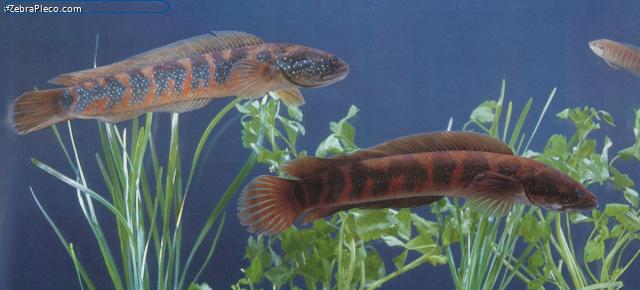
Photographs, diagnostic angles and morphological variants
Community & Keeper Tally
Member interactions, breeding records and forum mentions
Aquarium Care & Husbandry
Dietary requirements, tank setup, compatibility and breeding
Breeding Notes
No member of this genus has been bred in the aquarium.
Habitat & Water Parameters
Natural distribution, biotope water conditions and temperature ranges
Geographic Distribution
Asia: Yangtze River basin in central China, Taiwan, Hainan Island to the Red River basin of northern Viet Nam. Also reported from Japan and Sri Lanka.
Taxonomy, Synonyms & Etymology
Classification history, linguistic derivations and variant forms
Synonyms
Bostrychoides oculatus, Channa fasciata, Channa formosana, Channa ocellata, Channa sinensis, Gymnotus asiaticus, Notopterus squamosus, Ophicephalus iris, Ophicephalus miliaris, Ophicephalus puticola
Pronunciation
Cha na
Etymology (source: ETYFish.org)
Name dates to Gronow (1763), made available by Scopoli, etymology unknown, perhaps derived from channe or channos, a Greek name for a wide-mouthed fish of the sea; Sudasinghe et al. (2020) suggest that Channa is a Dutch transliteration of kanaya, local name for C. orientalis and other small snakeheads in Sri Lanka (type locality and under Dutch rule at the time; also Gronow was Dutch), but the Dutch pronunciation of Channa is “ganna,” not “kanna” (Richard van der Laan, pers. comm.) (source: https://etyfish.org/anabantiformes) Asian, referring to its native distribution in China (introduced elsewhere)
Literature & Resources
Scientific publications, external links and citation tools
Description Reference
Systema Naturae, Ed. X v. 1, pp 246.
External Databases
Related Searches