PAGE_HEADER
Noturus phaeus Taylor, 1969
Image Showcase
Photographs, diagnostic angles and morphological variants
Community & Keeper Tally
Member interactions, breeding records and forum mentions
Aquarium Care & Husbandry
Dietary requirements, tank setup, compatibility and breeding
Feeding & Diet
Readily feeds on live and frozen foods. Will also adapt to flake and prepared foods for the aquarium. [View Member Food Stats]
Aquarium Furniture & Decor
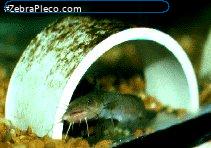
Provide sand mixed with peat moss,pvc pipes,flat rocks and vegetation .
Compatibility & Suggested Tankmates
Suitable for a coldwater community tank.
Tankmates: Ideal tankmates include small to midsized North American native fishes such as darters and shiners.
Breeding Notes
Spawning occurs in the months of may-august. It is difficult in the aquarium however it has been done when wild caught specimens are added to aquariums with warmer temperatures than the river or drainage system they are captured from.
Habitat & Water Parameters
Natural distribution, biotope water conditions and temperature ranges
Geographic Distribution
North America; Mississippi River tributaries in Kentucky, Tennessee, Alabama and Mississippi, USA; and in southern Arkansas, Louisiana and southwestern Mississippi, USA; Tennessee River tributaries in western Tennessee and northwestern Alabama, USA; Sabine River and Bayou Teche drainages in Alabama.
Gulf Coast Drainages, Mississippi, Lower Mississippi, Bayou Teche (click on these areas to find other species found there)
Gulf Coast Drainages, Mississippi, Lower Mississippi (click on these areas to find other species found there)
Gulf Coast Drainages, Mississippi, Middle Mississippi (click on these areas to find other species found there)
Gulf Coast Drainages, Sabine (click on these areas to find other species found there)
Gulf Coast Drainages, Mississippi, Ohio, Tennessee (click on these areas to find other species found there)
Login to view the map.
Species Description & Identification
Morphology, diagnostic traits and sexual dimorphism
Identification
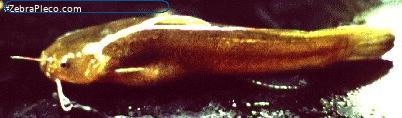
Robust species. Many brown specks on underside of head and belly. Long anal fin,20-22 rays; narrow space between anal fin base and caudal fin. Upper jaw projects beyond lower jaw. Uniform light to dark brown above; brown fins; sometimes light edge on median fins.
Sexual Dimorphism (Sexing)
Breeding male with swollen lips,enlarged cephalic epaxial muscles, and large bulbous genital papilla. Female with papilla with deep median groove ending in a small bump
General Remarks
Inhabits sand-gravel riffles and runs among debris, rocks and undercut banks of springs, creeks and small rivers.
Taxonomy, Synonyms & Etymology
Classification history, linguistic derivations and variant forms
Pronunciation
no two russ
Etymology
From the Greek notos, meaning back and oura, meaning tail. In reference to the confluent adipose and caudal fins. This specific epithet refers to the sometimes-hue of twilight (brown), which is the colour of this specimen.
Literature & Resources
Scientific publications, external links and citation tools
Literature & References
External Databases
Related Searches