PAGE_HEADER
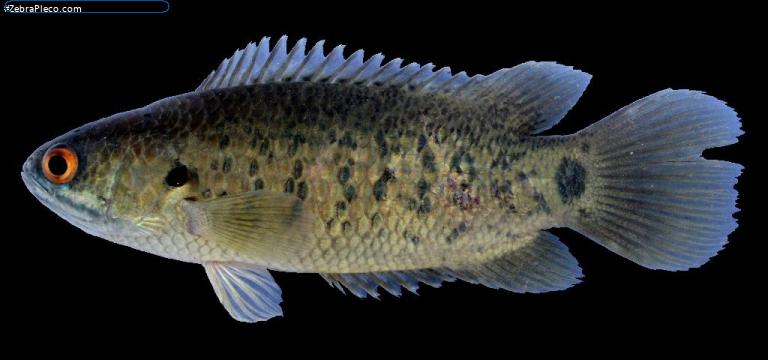
Anabas testudineus (Bloch, 1792)
Image Showcase
Photographs, diagnostic angles and morphological variants
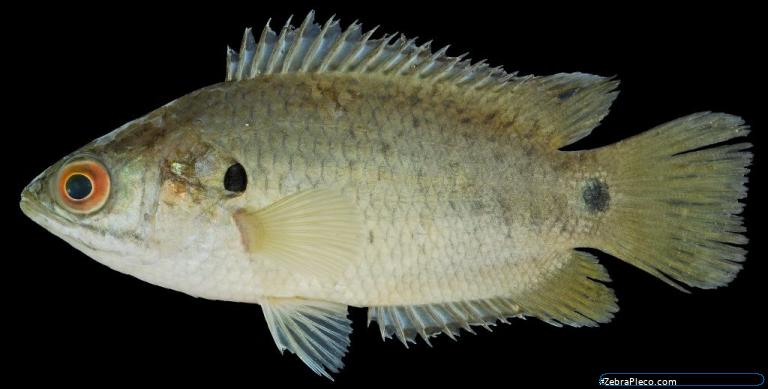
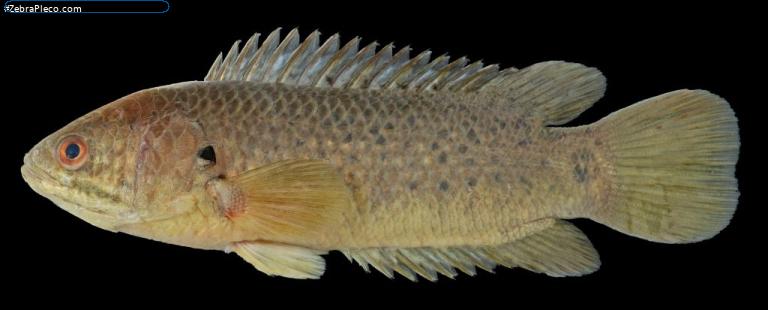
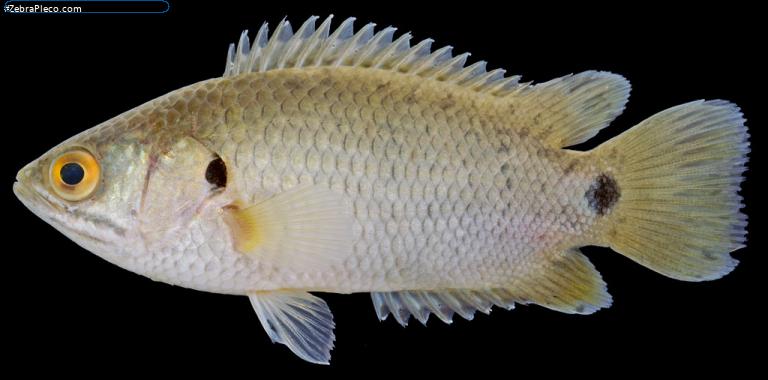
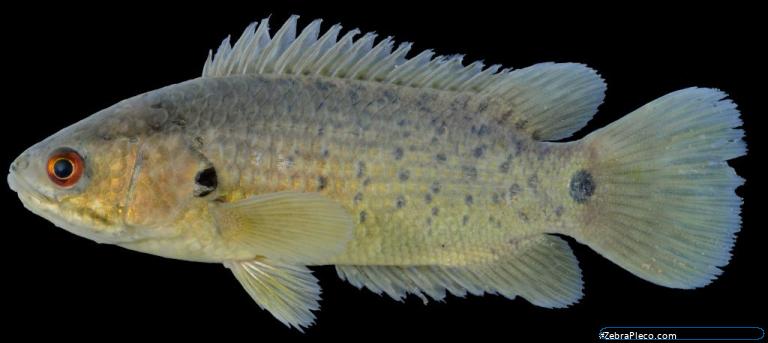
Community & Keeper Tally
Member interactions, breeding records and forum mentions
Aquarium Care & Husbandry
Dietary requirements, tank setup, compatibility and breeding
Breeding Notes
No member of this genus has been bred in the aquarium.
Habitat & Water Parameters
Natural distribution, biotope water conditions and temperature ranges
Geographic Distribution
Asia: India to Wallace line including China. May have been distributed in more areas than were commonly reported.
Taxonomy, Synonyms & Etymology
Classification history, linguistic derivations and variant forms
Synonyms
Amphiprion scansor, Amphiprion testudineus, Anabas elongatus, Anabas macrocephalus, Anabas microcephalus, Anabas scandens, Anabas spinosus, Anabas tastudineus, Anabas testudinens, Anabas testudineus lacustri, Anabas testudineus ricei, Anabas testudineus riveri, Anabas trifoliatus, Anabas variegatus, Anabus testudineus, Anthias testudineus, Antias testudineus, Lutjanus scandens, Lutjanus testudo, Perca scandens
Etymology (source: ETYFish.org)
From the Greek anabás, having gone up, referring to the ability of A. testudineus to “climb” out of the water and “walk” short distances, including, according to legend, trees and shrubs growing along the banks (perhaps horizontal branches overhanging the water) (source: https://etyfish.org/anabantiformes) Turtle-like, referring to top part of skull, which is very hard and solid like that of a turtle
Literature & Resources
Scientific publications, external links and citation tools
Literature & References
External Databases
Related Searches