PAGE_HEADER
Rhynchodoras woodsi Glodek, 1976
Image Showcase
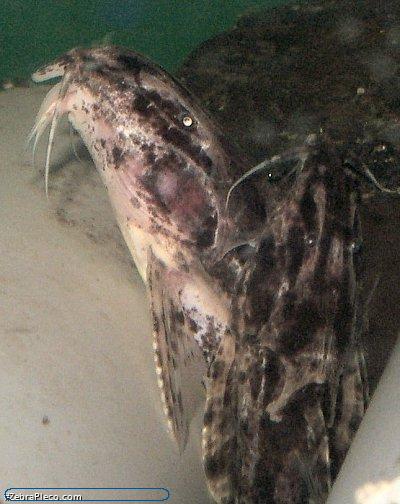
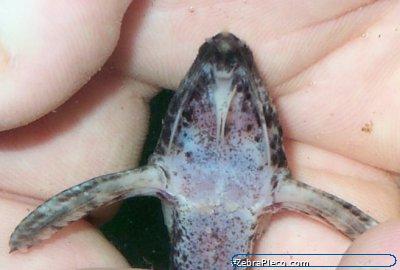
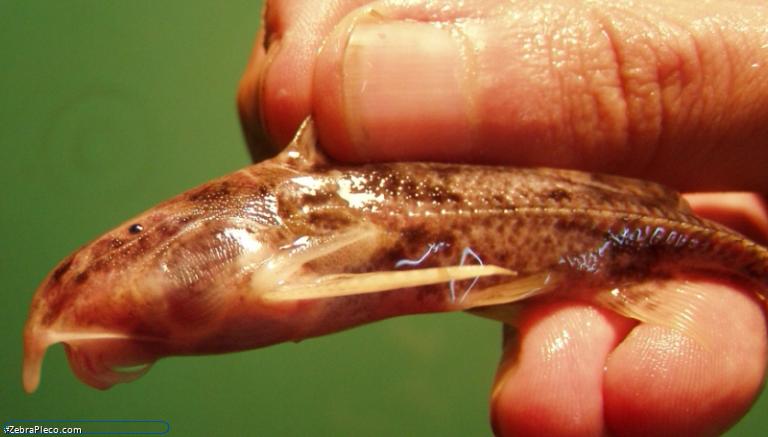
Photographs, diagnostic angles and morphological variants
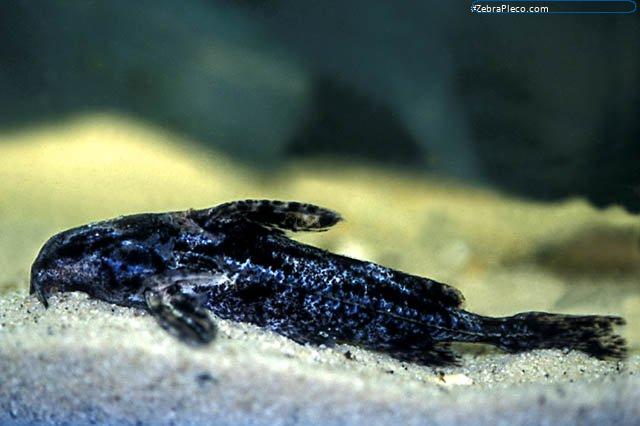
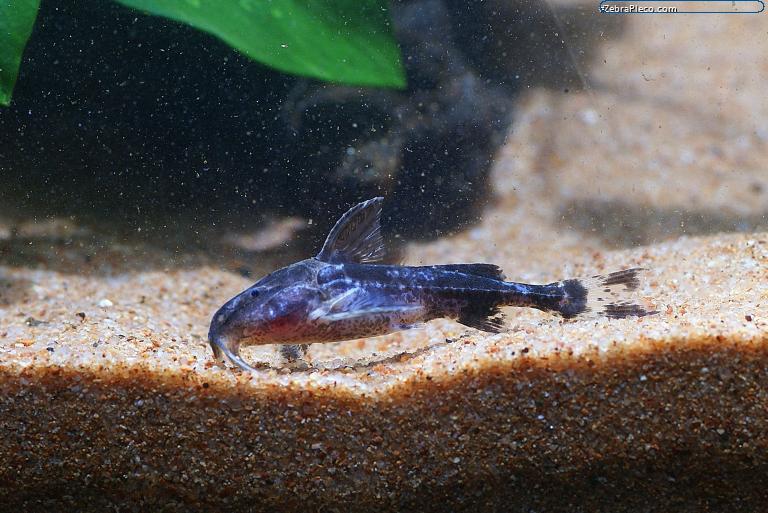
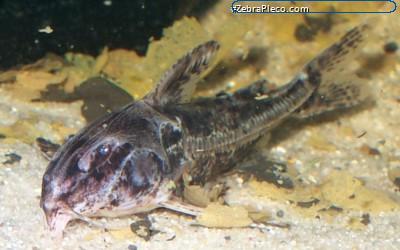
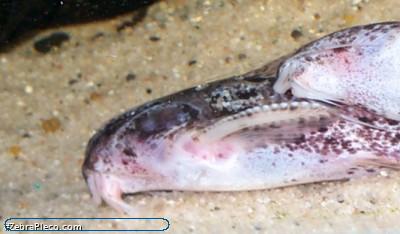
Community & Keeper Tally
Member interactions, breeding records and forum mentions
Aquarium Care & Husbandry
Dietary requirements, tank setup, compatibility and breeding
Feeding & Diet
Will eventually recognise and accept a variety of prepared foods, even flake, but is best acclimatised using frozen brineshrimp. [View Member Food Stats]
Aquarium Furniture & Decor
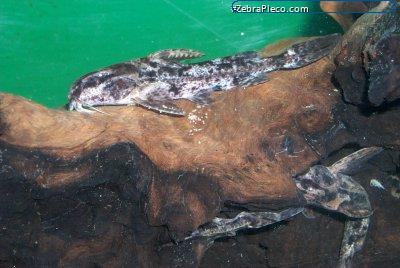
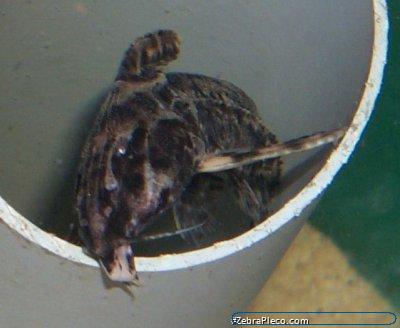
Has a real affinity for wood. Much prefers to cram itself into dark places under bogwood than stone or plant.
Compatibility & Suggested Tankmates
A very peaceful fish, one of the most timid of the doradids.
Tankmates: As long as they are not too boisterous and preferably not nocturnal, this species will get on with most as it is active at night.
Breeding Notes
Unreported in the aquarium.
Habitat & Water Parameters
Natural distribution, biotope water conditions and temperature ranges
Geographic Distribution
South America: Río Pastaza drainage, Rio Marañon basin.
Amazon, Upper Amazon, Marañón, Pastaza, Bobonaza (click on these areas to find other species found there)
Amazon, Upper Amazon, Marañón, Pastaza (click on these areas to find other species found there)
Login to view the map.
Species Description & Identification
Morphology, diagnostic traits and sexual dimorphism
Identification
This species was considered extremely rare as late as 1992; at this time only 3 specimens were known from museum collections (the types of the two known species).>
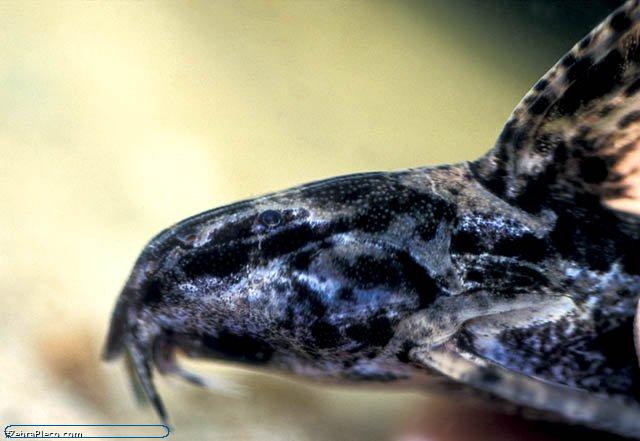
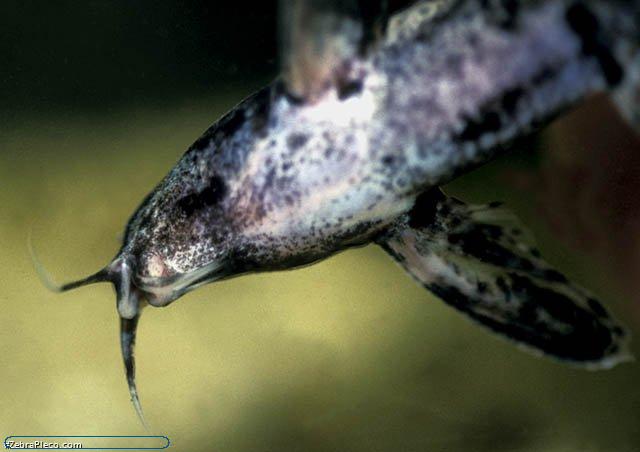
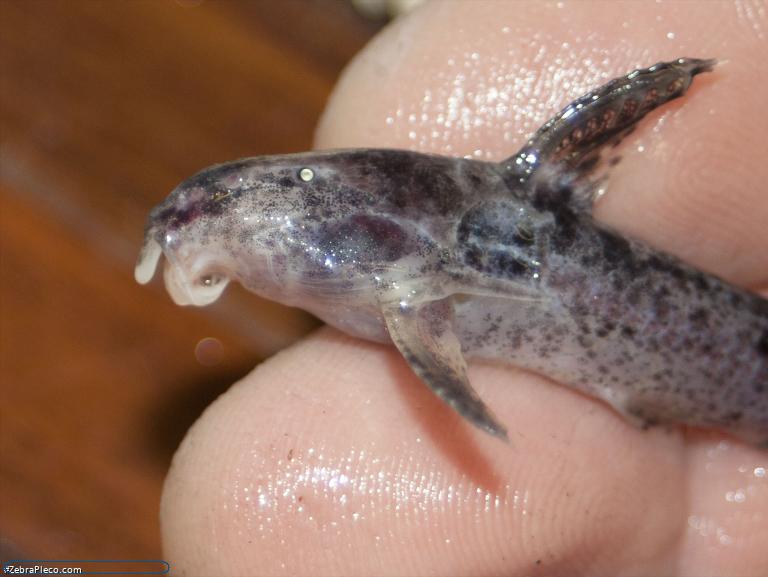
The ichthyological discovery of Rhynchodoras actually dates back 150 years and is attributable to the British naturalist-explorer Alfred R. Wallace. From 1850-1852 Wallace traveled up the Río Negro in search of its headwaters and those of the Río Orinoco. During this expedition Wallace took notes on and prepared detailed drawings of the fishes collected. Although his collections were lost at sea, many of his notes and illustrations survived and are currently at the British Museum of Natural History. Notes that accompany Wallace's illustration of a species of Rhinodoras (originally labeled ''Doras'' and numbered 175) include the following comments (transcribed by M. Toledo-Piza Ragazzo): ''In a small specimen very closely resembling this [illustration of Rhinodoras] in all other particulars - the head is higher towards the snout which turns down and is produced in a sort of proboscis which is received in a ___ of ___ formed by the produced lower lip - the teeth are similar but are also continued in a row round the margin of each lip - perhaps this is the male - the above [Rhinodoras] being the female.'' This description was certainly based on a specimen of Rhynchodoras, the only doradid genus in which the snout ends in a vertically-oriented bill or ''proboscis'' formed by the upper and lower jaws.
Sexual Dimorphism (Sexing)
Unknown
Taxonomy, Synonyms & Etymology
Classification history, linguistic derivations and variant forms
Synonyms
Rhyncodoras woodsi
Pronunciation
rink oh door ass. - woods eye
Etymology
Rhynchodoras: From the Greek rhynchos, meaning nose, and doras, meaning skin (also a word commonly used in forming generic names for doradids); in refeence to the unusual snout morphology.
Literature & Resources
Scientific publications, external links and citation tools
Literature & References
External Databases
Related Searches