PAGE_HEADER
Mesonauta festivus (Heckel, 1840)
Image Showcase
Photographs, diagnostic angles and morphological variants
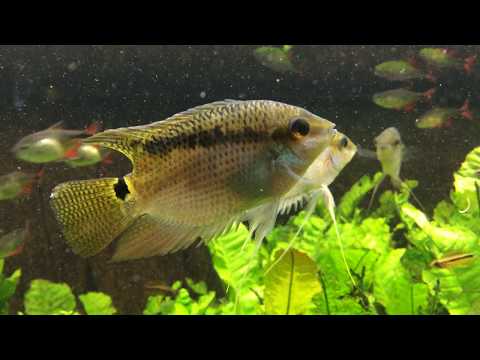 Video
Community & Keeper Tally
Member interactions, breeding records and forum mentions
Aquarium Care & Husbandry
Dietary requirements, tank setup, compatibility and breeding
Breeding Notes
No member of this genus has been bred in the aquarium.
Habitat & Water Parameters
Natural distribution, biotope water conditions and temperature ranges
Geographic Distribution
South America: Paraná River basin, in the Paraguay River drainage in Brazil and Paraguay; Amazon River basin, in the Guaporé (Brazil and Bolivia), Madre de Dios (Peru), Mamoré (Bolivia), Jamari and Tapajós (Brazil) River drainages.
Amazon, Middle Amazon (Solimoes), Madeira, Mamoré, Guaporé (Iténez) (click on these areas to find other species found there)
Amazon, Middle Amazon (Solimoes), Madeira, Jamari (click on these areas to find other species found there)
Amazon, Middle Amazon (Solimoes), Madeira, Madre de Dios (click on these areas to find other species found there)
Amazon, Middle Amazon (Solimoes), Madeira, Mamoré (click on these areas to find other species found there)
La Plata, Paraná, Paraguay (click on these areas to find other species found there)
Amazon, Lower Amazon, Tapajós (click on these areas to find other species found there)
Amazon, Lower Amazon, Tocantins, Lower Tocantins, Pará, Anapu Imported (click on these areas to find other species found there)
Login to view the map.
Species Description & Identification
Morphology, diagnostic traits and sexual dimorphism
Identification
When stressed, this species exhibits vertical bars of which the fifth and sixth are split.
General Remarks
This is the species that gave rise to the common name "Festive Cichlid", but this really applies to all congeners. This species is rarely exported as similar species closer to main export hubs (Manaus, Iquitos, Bogota) are more commercially viable.
Taxonomy, Synonyms & Etymology
Classification history, linguistic derivations and variant forms
Synonyms
Cichlasoma festivum, Heros festivus
Pronunciation
Mess-oh-naw-tah.
Etymology (source: ETYFish.org)
Mesos, middle; nautes, sailor, allusion not explained, possibly referring to origin of dorsal fin (the “sail” in “sailor”) posterior to origin of pelvic fin (i.e., closer to middle of body), which was Günther’s principal diagnostic character for the genus (source: https://etyfish.org/cichlidae7) Handsome, described as a “beautifully coloured very excellent species” (translation, italics in original)
There are 2 other speciesLabiobarbus festivus
Sturisomatichthys festivus with this specific name.
Literature & Resources
Scientific publications, external links and citation tools
Description Reference
Annalen des Wiener Museums der Naturgeschichte v. 2, pp 376
External Databases
Related Searches