PAGE_HEADER
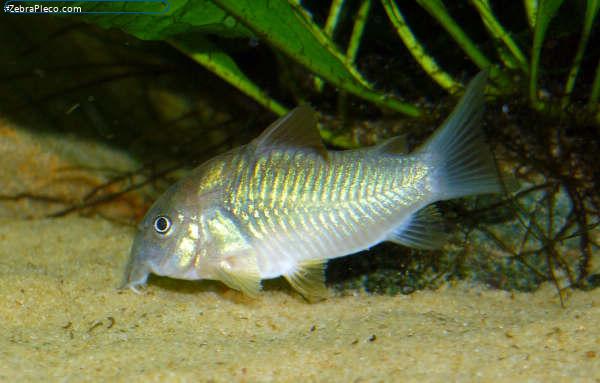
Osteogaster aenea (Gill, 1858)
Image Showcase
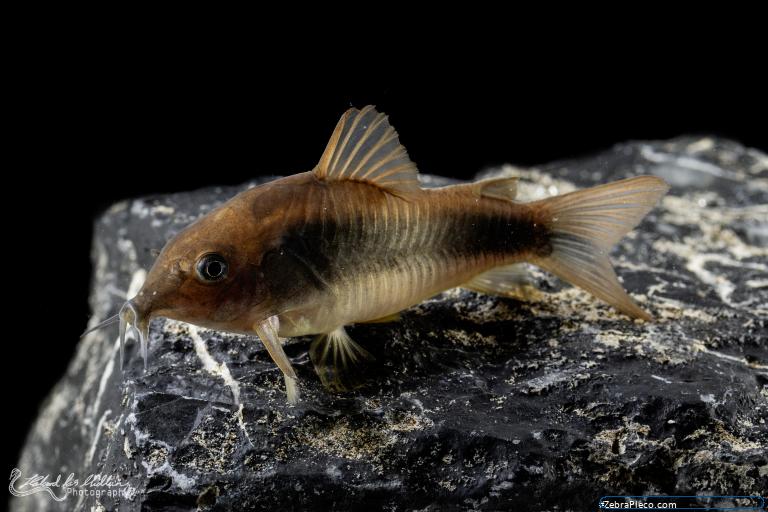
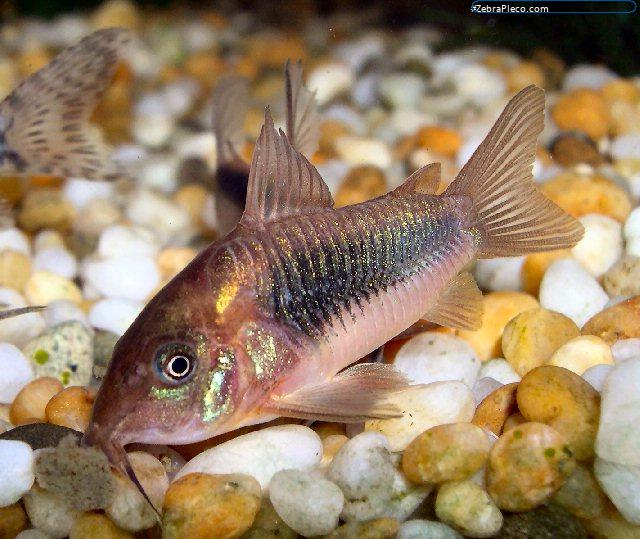
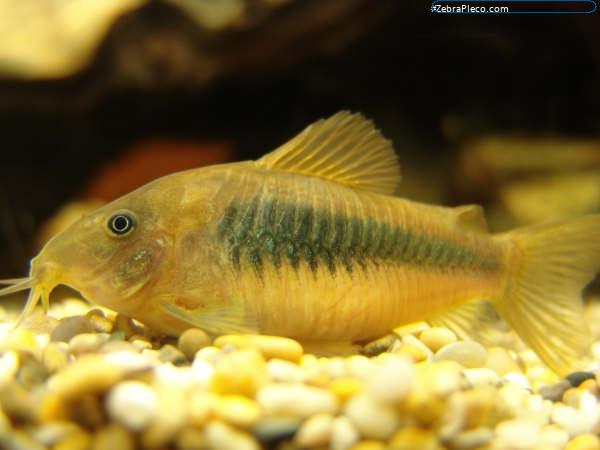
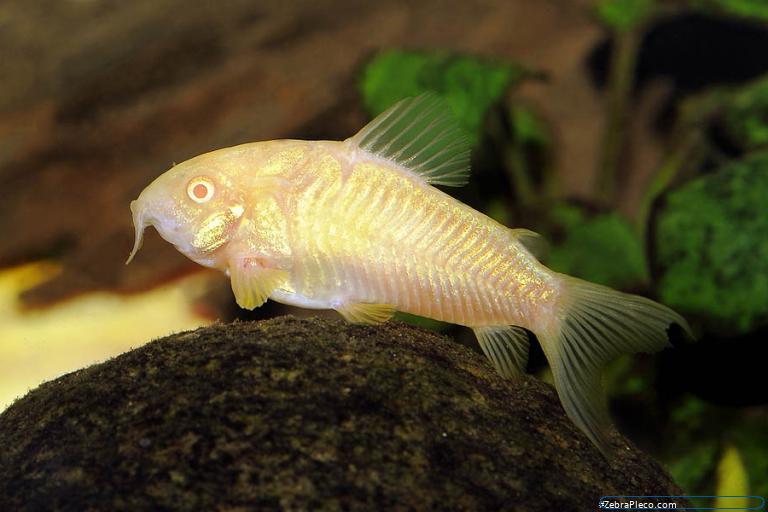
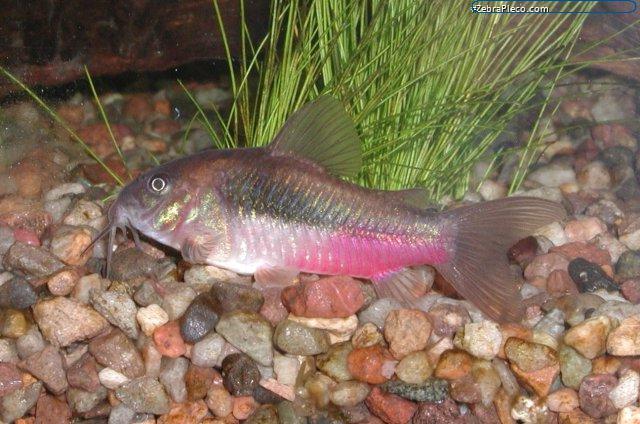
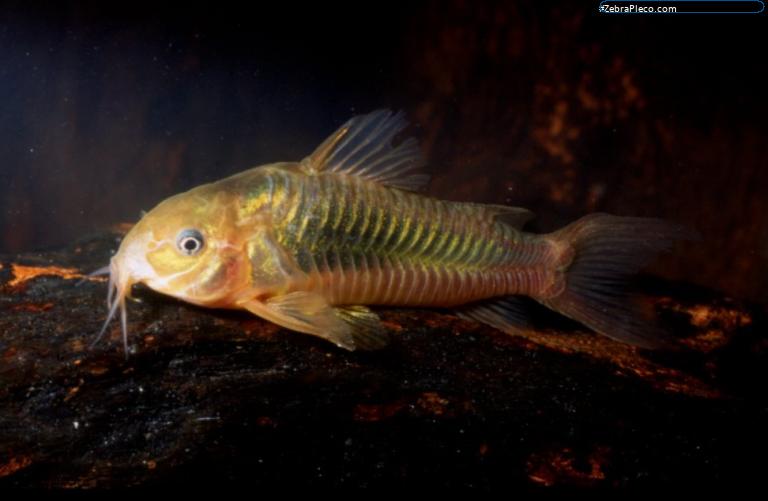
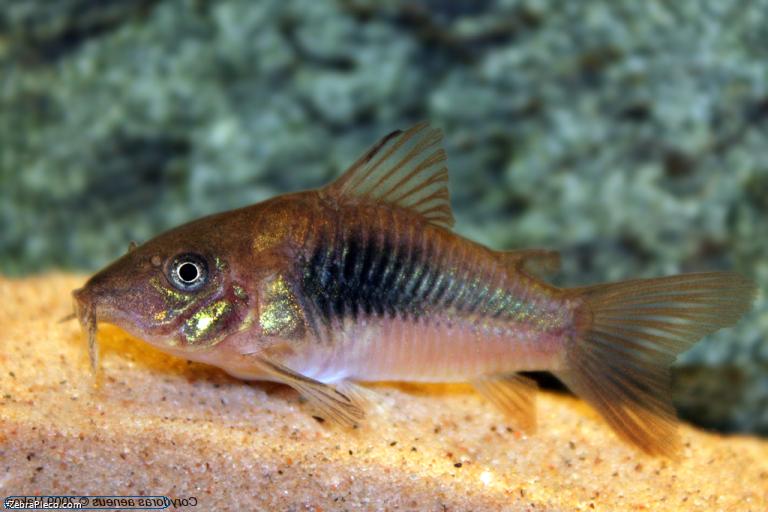
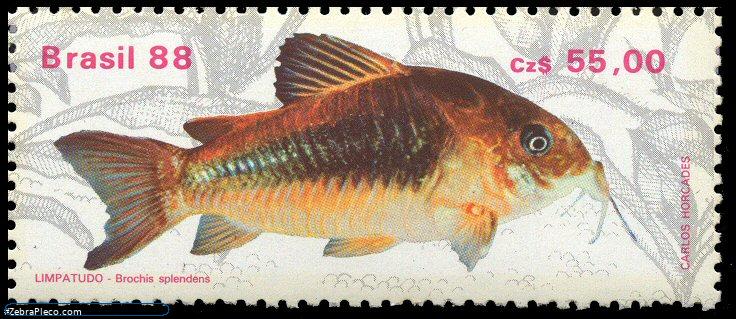
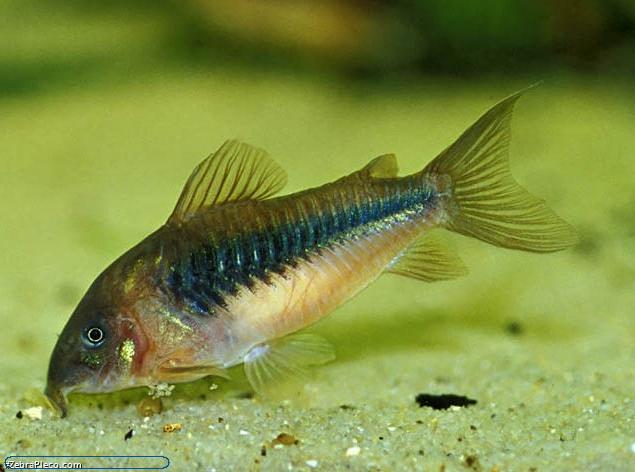
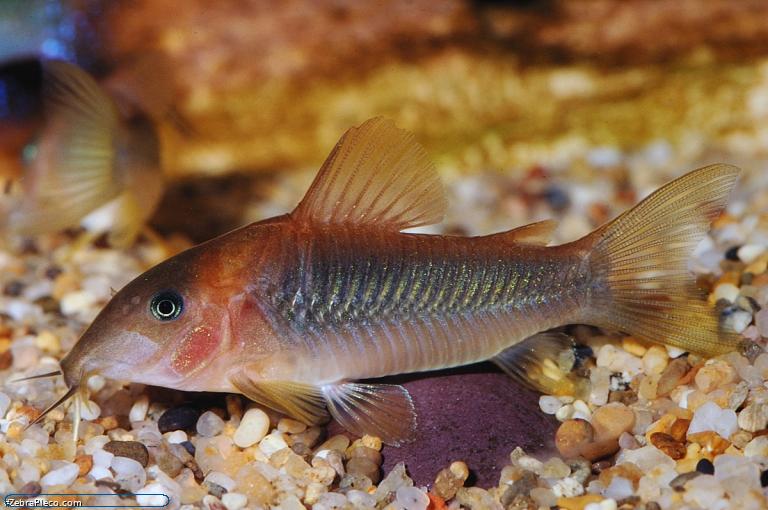
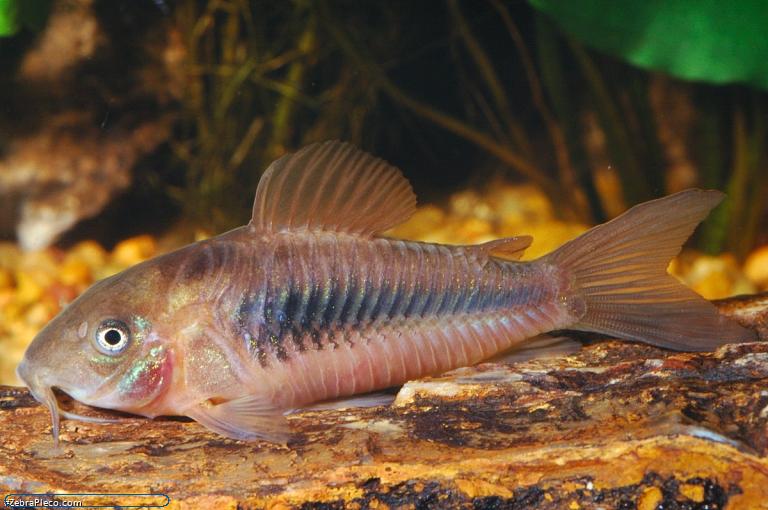
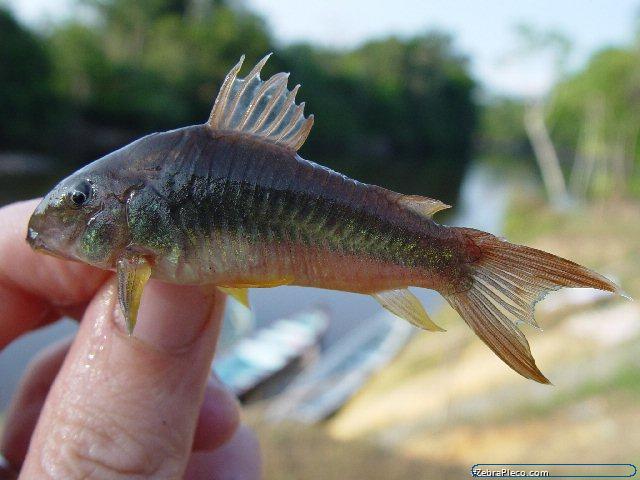
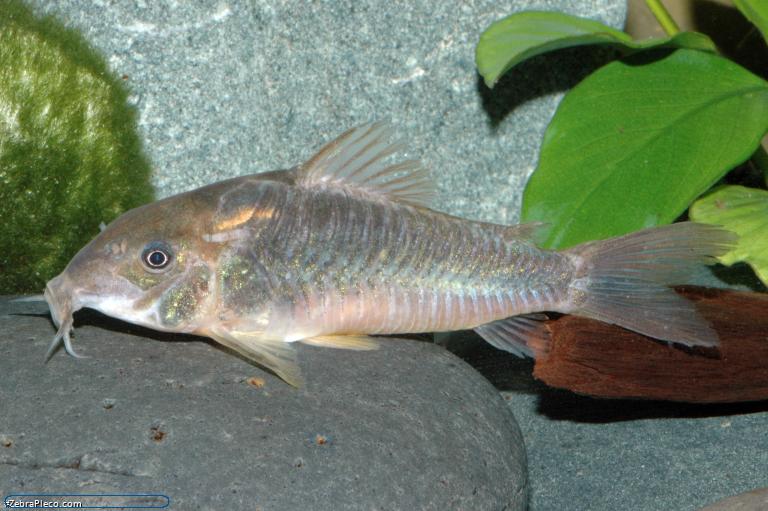
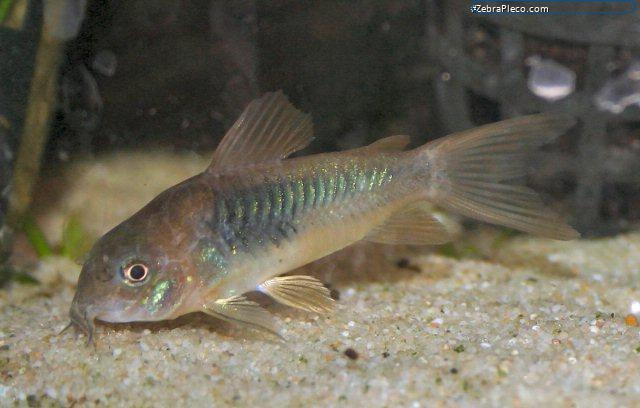
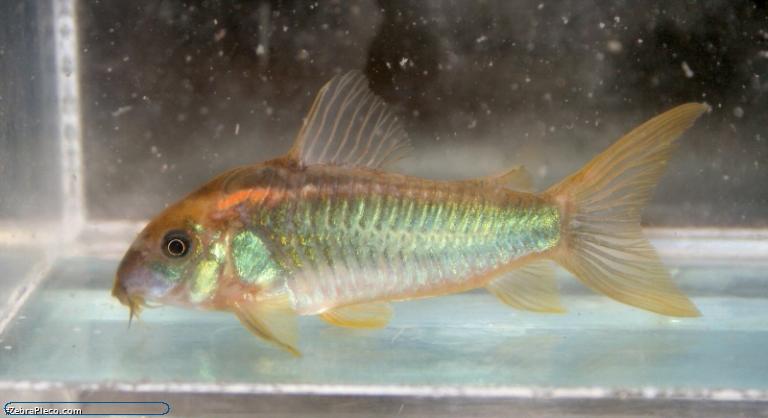
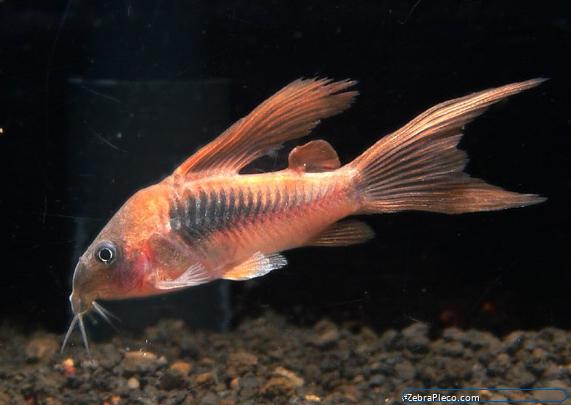
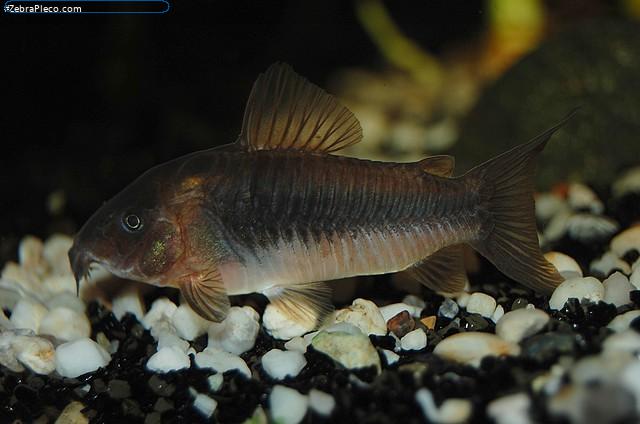
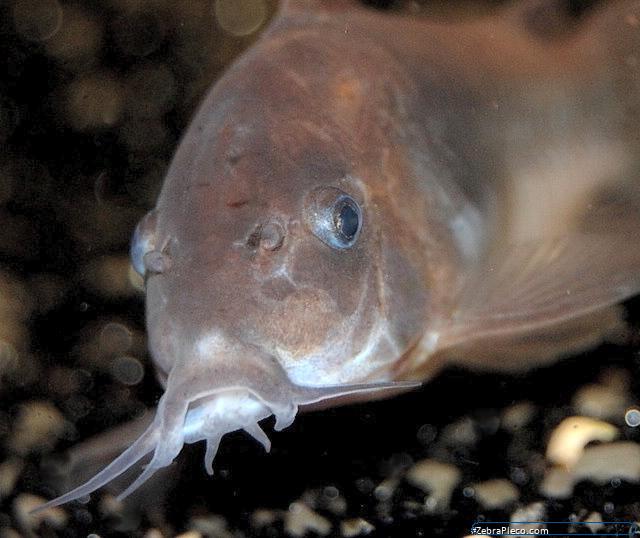
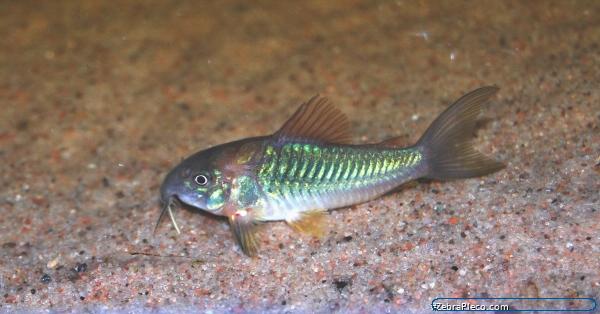
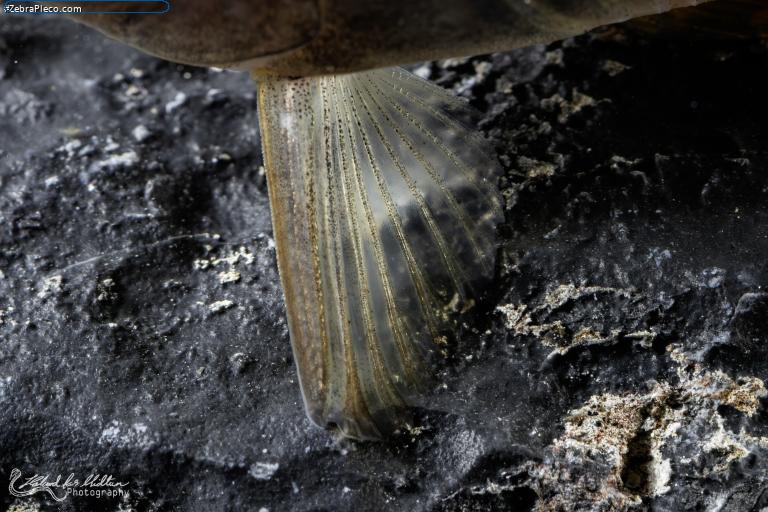
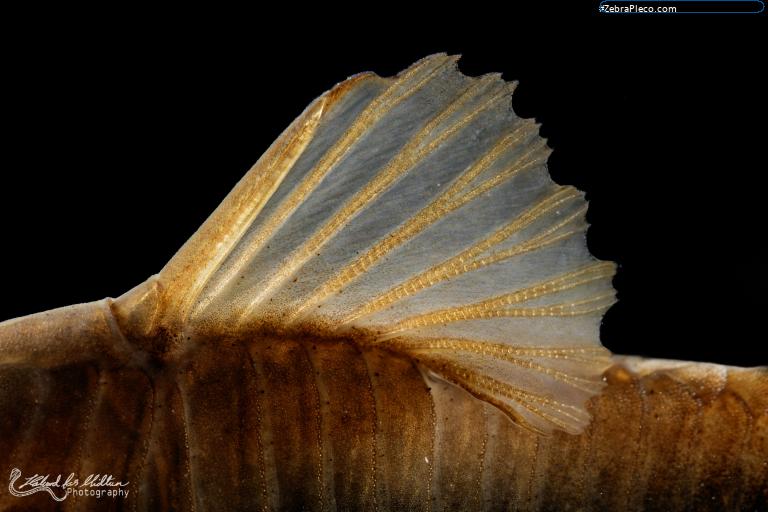
Photographs, diagnostic angles and morphological variants
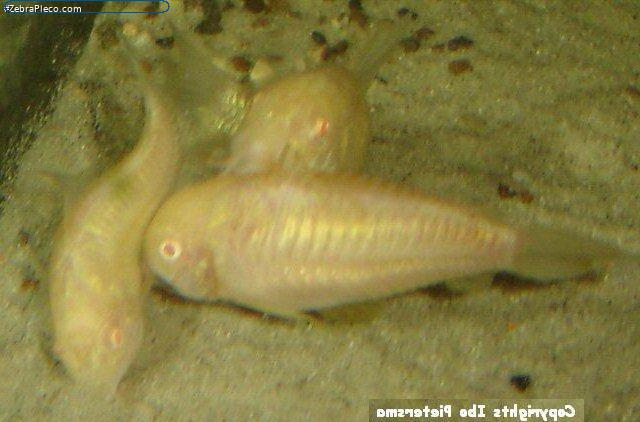
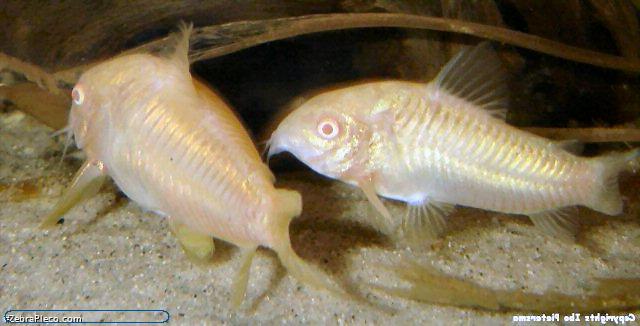
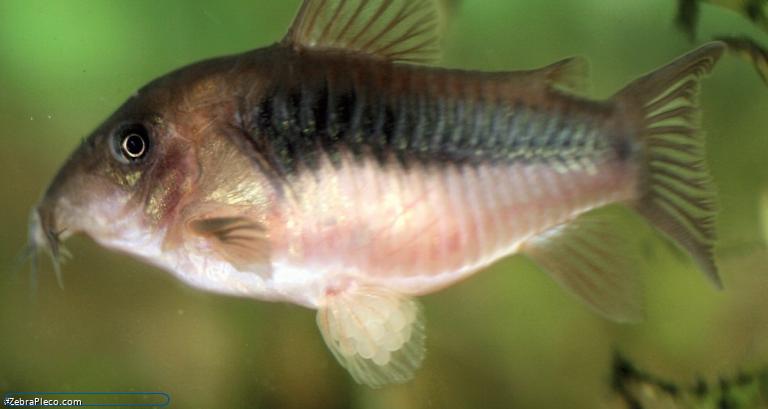
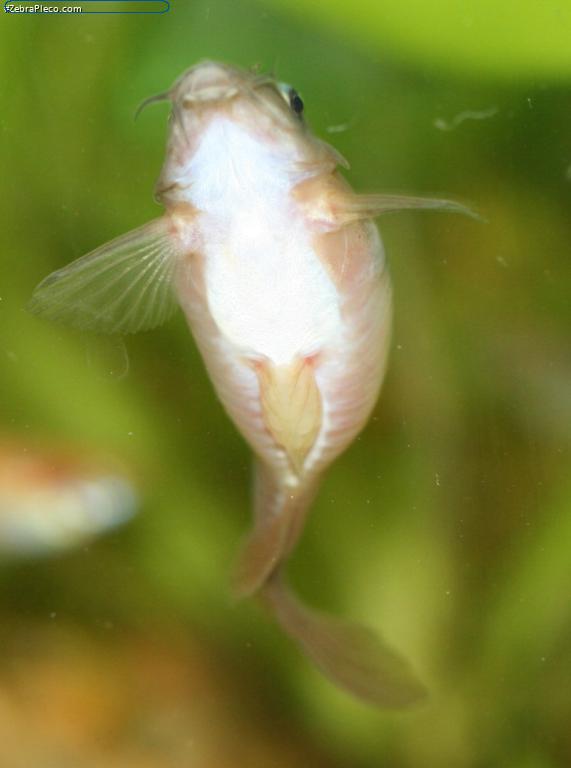
Community & Keeper Tally
Member interactions, breeding records and forum mentions
Aquarium Care & Husbandry
Dietary requirements, tank setup, compatibility and breeding
Feeding & Diet
All prepared and suitably sized live foods are taken. [View Member Food Stats]
Aquarium Furniture & Decor
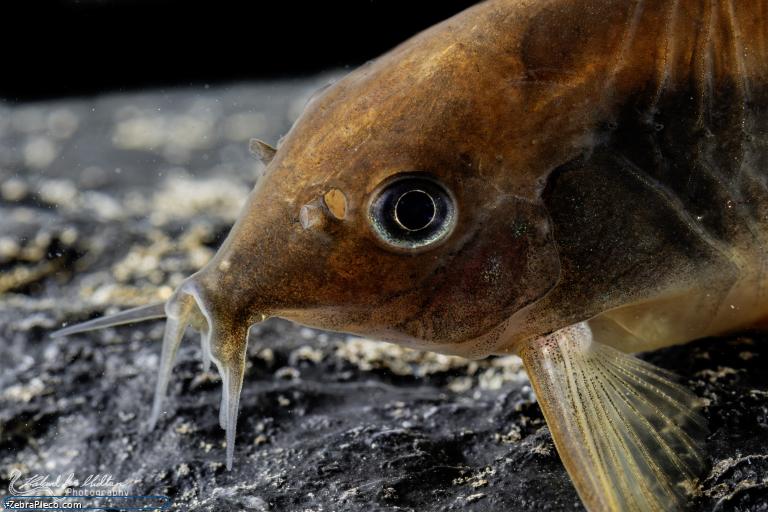
A fine, smooth grained sand substrate is the single most important consideration, as this species feeds by sifting through the bottom and coarse or sharp gravel quickly damages the barbels. Otherwise undemanding: provide bogwood, a few rounded stones and clumps of planting such as Microsorum or Echinodorus to offer shade, while leaving plenty of open bottom for the group to forage over. Broad leaves and the aquarium glass double as spawning surfaces.
Compatibility & Suggested Tankmates
A perfect citizen.
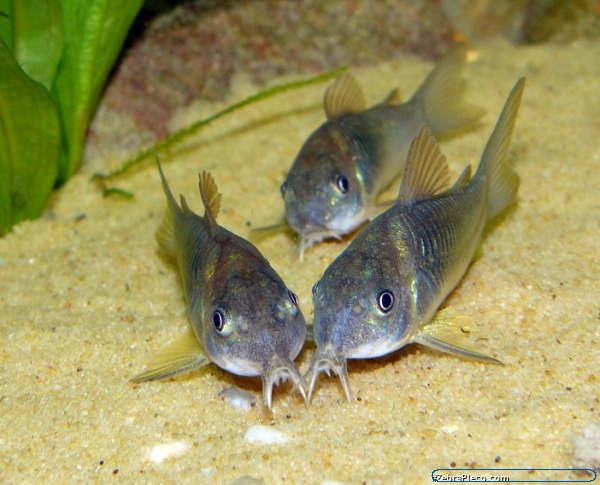
Tankmates: Keep in a shoal of at least 6 individuals - ideal first catfish for a beginner's community aquarium.
Breeding Notes
Easily accomplished with captive raised stock. Some colour varieties are more challenging than others. Given the presence of a suitably egg-laden female and a mature male or two, spawning can be triggered by a large, cool water change. Try changing 30-40% of the aquarium water (at 21°C) and bring the temperature down to 16°C. Do this slowly over an hour or two.The fish should respond by spawning in the classic 'T' formation method.
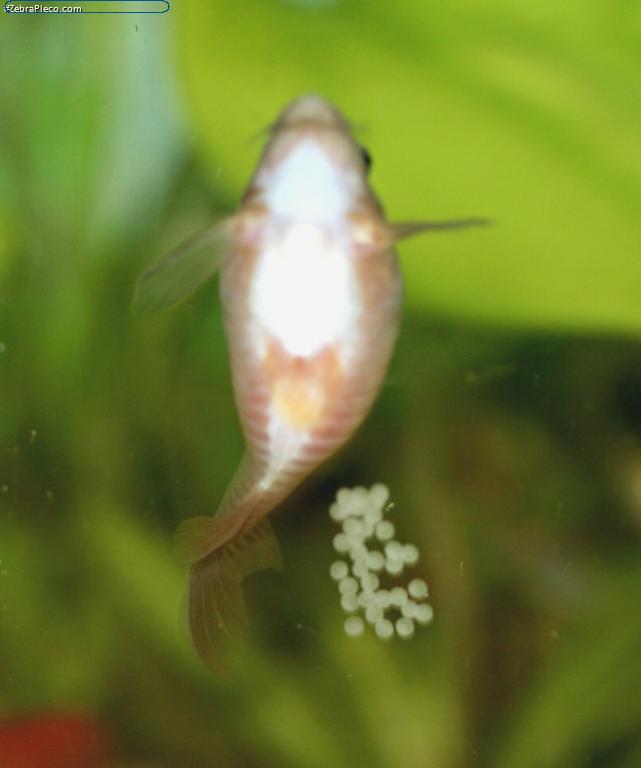
Here, using one of his pectoral fins, the male clamps the female to his side by her barbels and fertilizes a small batch of eggs held within the protective basket formed by her pelvic fins. The adhesive eggs are then placed on plants or aquarium walls and the process repeated. The eggs take 3-4 days to hatch. It is safe to leave well fed parents with the eggs, but some breeders prefer to remove the eggs, or indeed parents, to avoid any temptation of an easy snack.
For the first few days of their life, pre-soaked powdered flake food should be fed to the fry. After the first 3 or 4 days, newly hatched brineshrimp can also be sparingly used to bring on the fishes growth. As the fish grow more and more foods can be offered in line with the size of the developing juveniles. Adult colouration is reached in around nine weeks.
Habitat & Water Parameters
Natural distribution, biotope water conditions and temperature ranges
Geographic Distribution
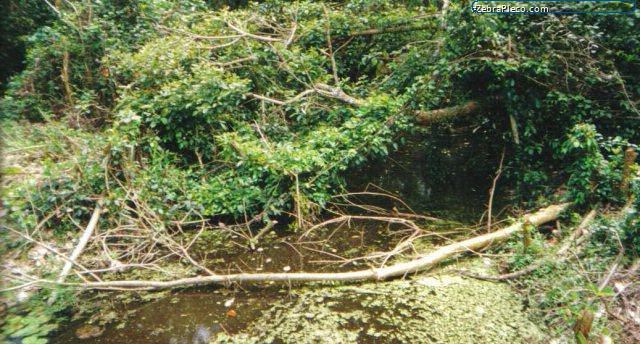
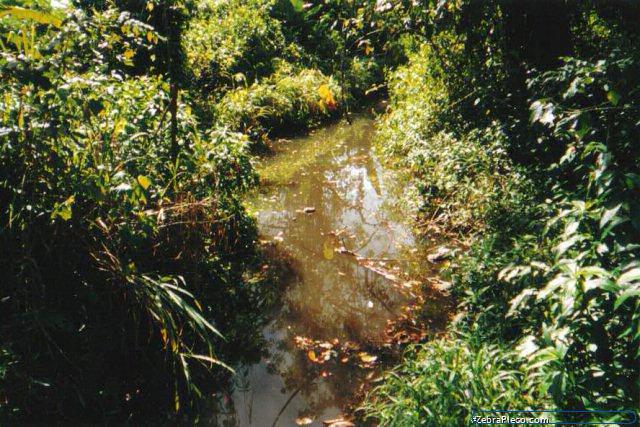
South America: Colombia and Trinidad to La Plata River basin east of the Andes.
Amazon (click on these areas to find other species found there)
Orinoco (click on these areas to find other species found there)
La Plata, Paraná, Paraguay (click on these areas to find other species found there)
La Plata, Paraná (click on these areas to find other species found there)
Trinidad rivers (click on these areas to find other species found there)
La Plata, Paraná, Iguatemi Imported (click on these areas to find other species found there)
La Plata, Paraná, Paraguay, Upper Paraguay, Miranda Imported (click on these areas to find other species found there)
Rio de Janeiro State Rivers, Paraíba do Sul, Paraitinga Imported (click on these areas to find other species found there)
Login to view the map.
Species Description & Identification
Morphology, diagnostic traits and sexual dimorphism
Identification
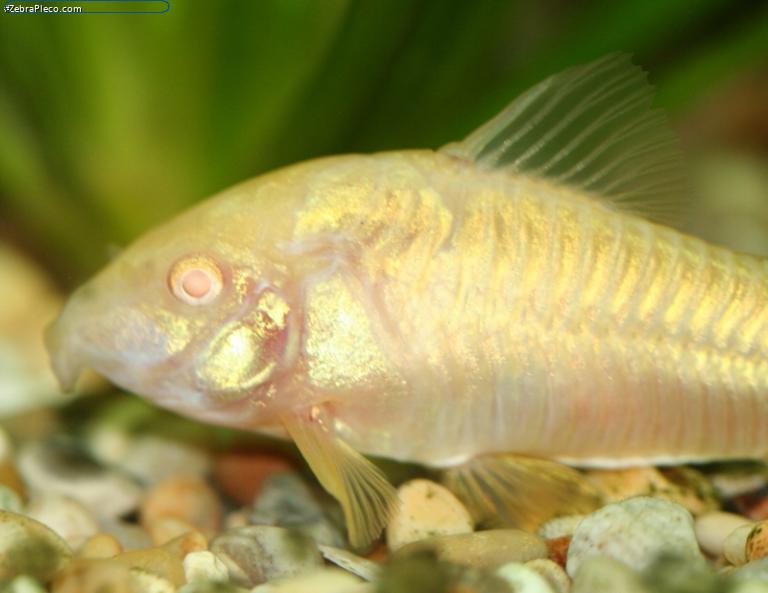
A very variable species. See catfish of the month link below.
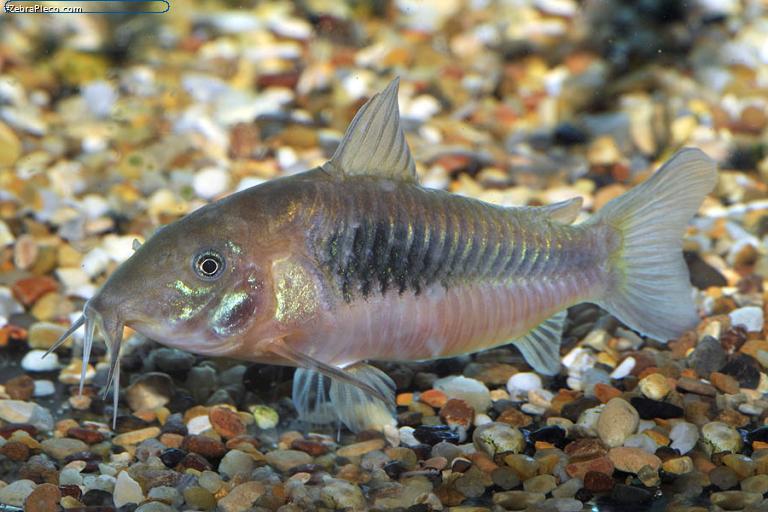
Occasionally confused with Brochis spp. but can be distinguished fairly easily by the number of rays and shape of dorsal fin - Corydoras have less than ten rays, Brochis have ten or more rays.
Sexual Dimorphism (Sexing)
Males are smaller (up to 65mm) and slimmer. Females grow larger and are much wider which can most easily be observed from above.
Taxonomy, Synonyms & Etymology
Classification history, linguistic derivations and variant forms
Synonyms
Callichthys aeneus, Corydoras aeneus, Corydoras macrosteus, Corydoras microps, Hoplosoma aeneum
Pronunciation
os tee oh gas terr - ah NAY uss
Etymology
The Latin aeneus, means brazen, of copper and refers to this species' metallic green sheen when in top or natural conditions.
Literature & Resources
Scientific publications, external links and citation tools
Description Reference
Annals of the Lyceum of Natural History of New York v. 6 (nos 10-13, art. 38), pp 403 [43].
External Databases
Related Searches