
PAGE_HEADER
Brochis (sub-clade 3) sp. (C071)
Image Showcase
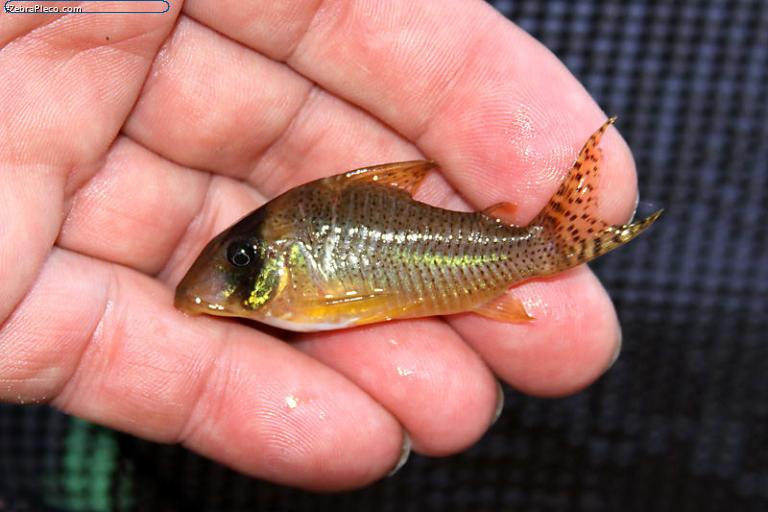
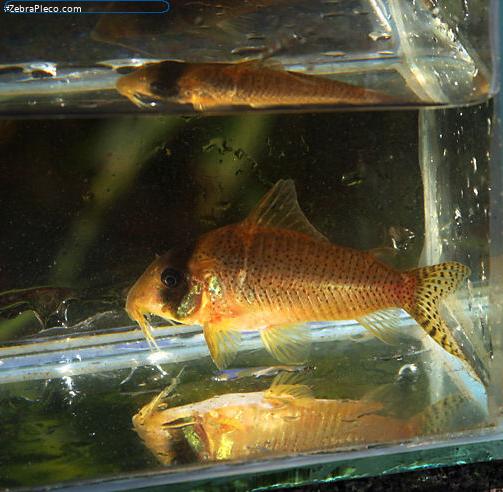
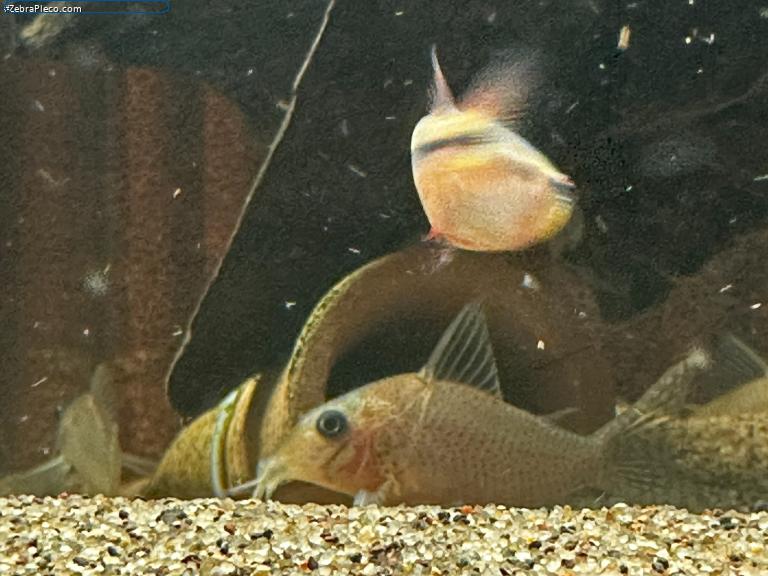
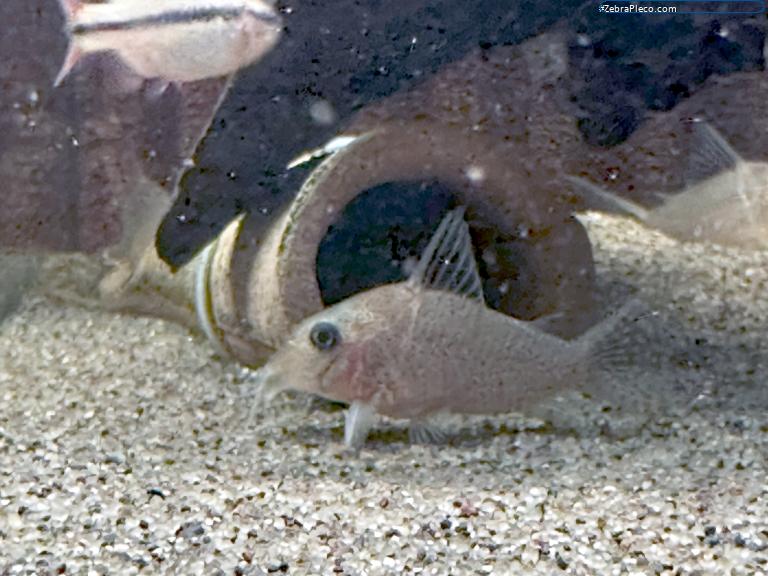
Photographs, diagnostic angles and morphological variants
Community & Keeper Tally
Member interactions, breeding records and forum mentions
Aquarium Care & Husbandry
Dietary requirements, tank setup, compatibility and breeding
Feeding & Diet
Will readily accepted all prepared foods that reach the bottom of the aquarium such as tablets, granules and larger flakes. Live (or frozen) foods such as bloodworm, white worm, grindal worm (Enchytraeus), Daphnia and Tubifex are readily accepted and good for conditioning groups of fishes for spawning. [View Member Food Stats]
Aquarium Furniture & Decor
Wild habitat is leaf litter over sandy/muddy bottom.
Compatibility & Suggested Tankmates
A peaceful, shoaling, community fish.
Breeding Notes
Unreported in the aquarium.
Habitat & Water Parameters
Natural distribution, biotope water conditions and temperature ranges
Geographic Distribution
Upper Rio Arua which is a tributary to Rio Arapiuns that in turn is a tributary to Rio Tapajos, Brazil.
Amazon, Lower Amazon, Tapajós, Lower Tapajós, Arapiuns, Aruã (click on these areas to find other species found there)
Login to view the map.
Species Description & Identification
Morphology, diagnostic traits and sexual dimorphism
Taxonomy, Synonyms & Etymology
Classification history, linguistic derivations and variant forms
Pronunciation
bro kiss sub clade four
Literature & Resources
Scientific publications, external links and citation tools
Related Searches

