
PAGE_HEADER
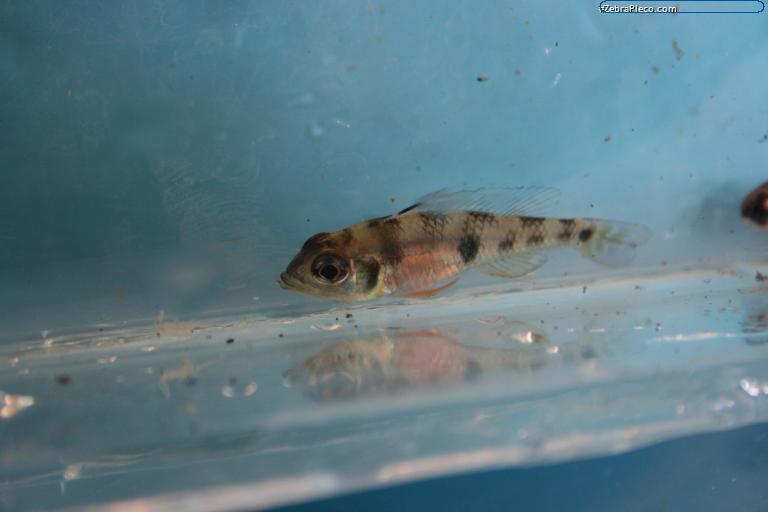
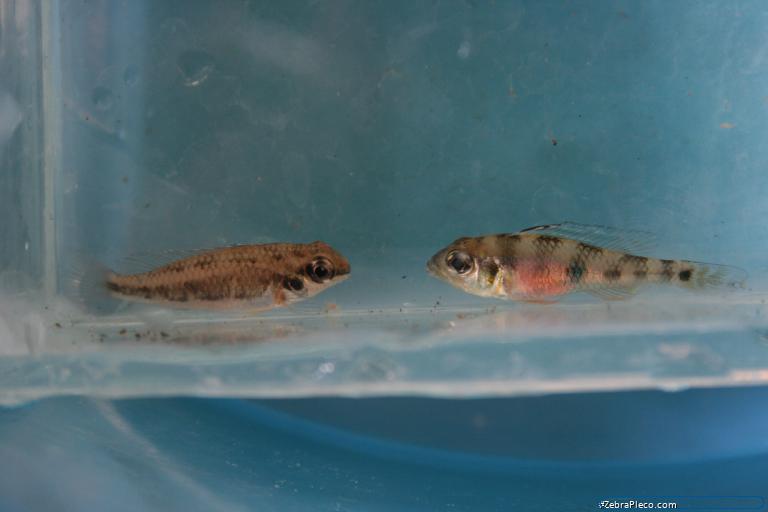
Biotoecus opercularis (Steindachner, 1875)
Image Showcase
Photographs, diagnostic angles and morphological variants
Community & Keeper Tally
Member interactions, breeding records and forum mentions
Aquarium Care & Husbandry
Dietary requirements, tank setup, compatibility and breeding
Feeding & Diet
Acclimatisation with live food is advised but will learn to eat equally small food. Will pick away at organism in mulm. [View Member Food Stats]
Aquarium Furniture & Decor
Found in shallow areas with slow flow.
Breeding Notes
No member of this genus has been bred in the aquarium.
Habitat & Water Parameters
Natural distribution, biotope water conditions and temperature ranges
Geographic Distribution
South America: Amazon River basin, in the Branco River, the middle and lower Negro River, Urubu River, Lake Saracá, Parintins, Lake Carauaçu, lower Trombetas River.
Amazon, Middle Amazon (Solimoes), Negro, Lower Negro, Branco (Roraima) (click on these areas to find other species found there)
Lake Carauaçu (click on these areas to find other species found there)
Amazon, Lake Saracá (click on these areas to find other species found there)
Amazon, Middle Amazon (Solimoes), Negro, Lower Negro (click on these areas to find other species found there)
Amazon, Lower Amazon, Trombetas, Lower Trombetas (click on these areas to find other species found there)
Amazon, Middle Amazon (Solimoes), Negro, Middle Negro (click on these areas to find other species found there)
Amazon, Lower Amazon, Uatumã, Urubu (click on these areas to find other species found there)
Login to view the map.
Taxonomy, Synonyms & Etymology
Classification history, linguistic derivations and variant forms
Synonyms
Saraca opercularis
Etymology (source: ETYFish.org)
Biotos, living; oikos, house or home, referring to their “habit of carrying their young in their gills” (a behaviour that has never been observed in this genus; the authors apparently mistakenly believed these cichlids were mouthbrooding geophagines) (source: https://etyfish.org/cichlidae6) Gill cover, referring to large and dark opercular spot
There is 1 other speciesMacropodus opercularis with this specific name.
Literature & Resources
Scientific publications, external links and citation tools
Description Reference
Sitzungsberichte der Kaiserlichen Akademie der Wissenschaften. Mathematisch-Naturwissenschaftliche Classe v. 71 (1. Abth.), pp 125 [65]
External Databases
Related Searches

