PAGE_HEADER
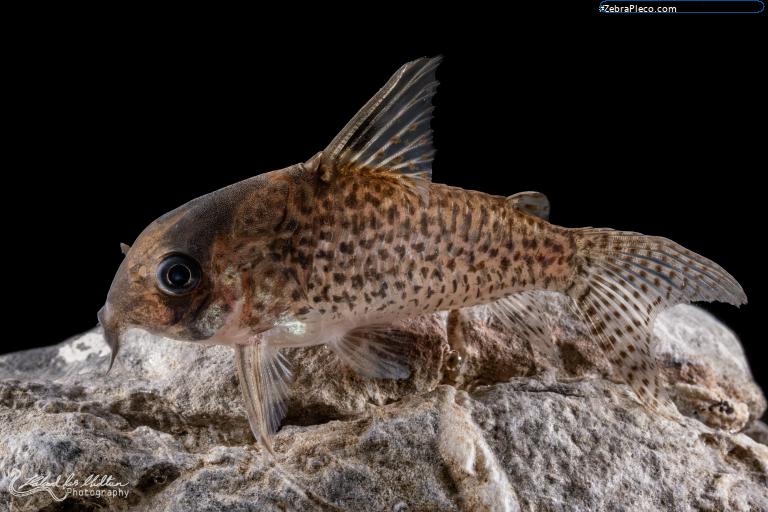
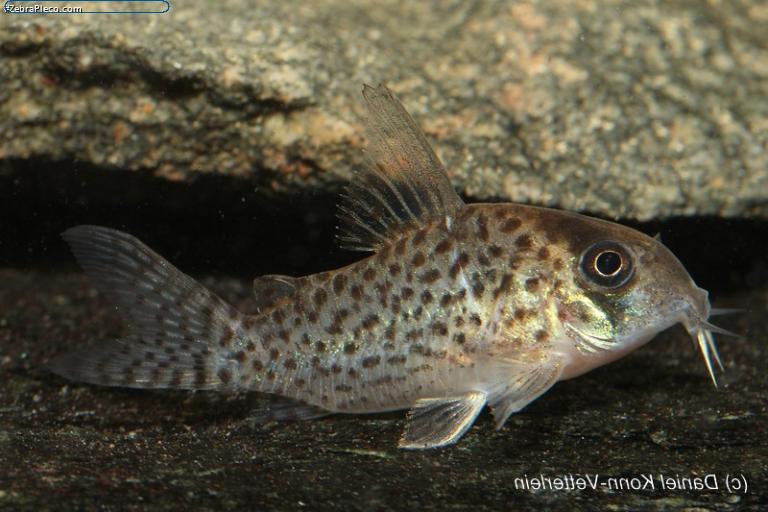
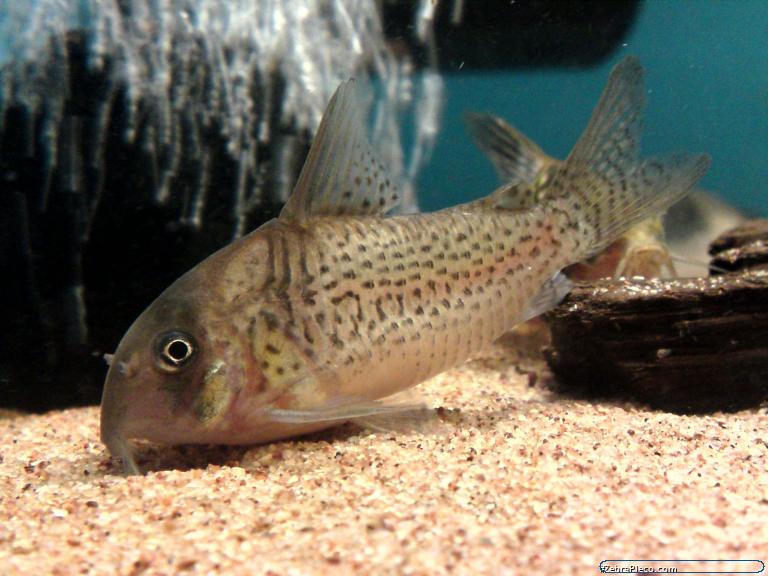
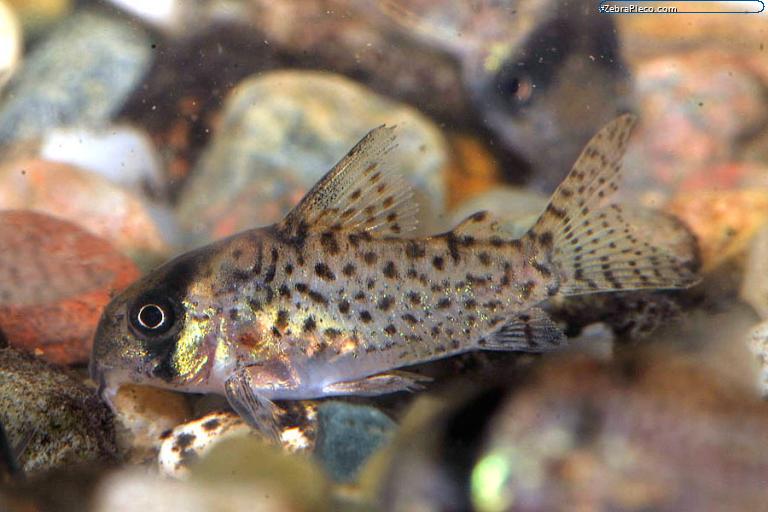
Hoplisoma kanei (Grant, 1997)
Image Showcase
Photographs, diagnostic angles and morphological variants
Community & Keeper Tally
Member interactions, breeding records and forum mentions
Aquarium Care & Husbandry
Dietary requirements, tank setup, compatibility and breeding
Feeding & Diet
Will readily accepted all prepared foods that reach the bottom of the aquarium such as tablets, granules and larger flakes. Live (or frozen) foods such as bloodworm, white worm, grindal worm (Enchytraeus), Daphnia and Tubifex are readily accepted and good for conditioning groups of fishes for spawning. [View Member Food Stats]
Aquarium Furniture & Decor
Fine sand substrate.
Compatibility & Suggested Tankmates
Peaceful species.
Tankmates: Ideal fish for the community tank.
Breeding Notes
First recorded captive breeding 1986.
Habitat & Water Parameters
Natural distribution, biotope water conditions and temperature ranges
Geographic Distribution
South America: Negro River basin.
Amazon, Middle Amazon (Solimoes), Negro, Lower Negro, Branco (Roraima) (click on these areas to find other species found there)
Amazon, Middle Amazon (Solimoes), Negro (click on these areas to find other species found there)
Login to view the map.
Species Description & Identification
Morphology, diagnostic traits and sexual dimorphism
Identification
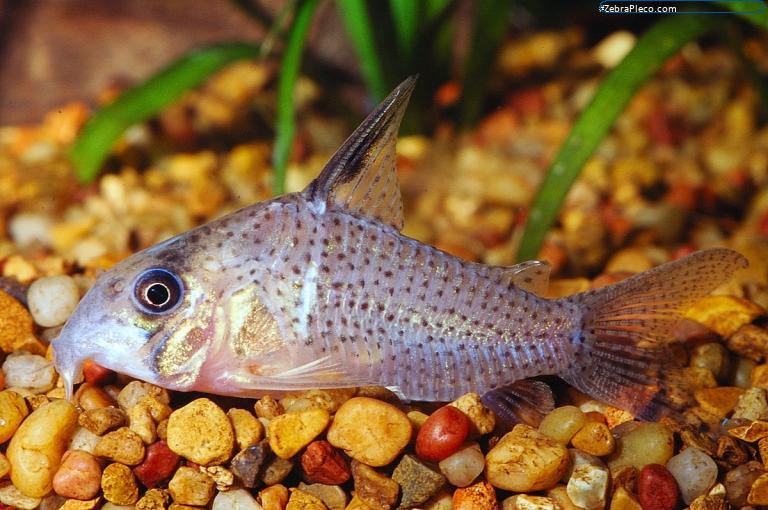
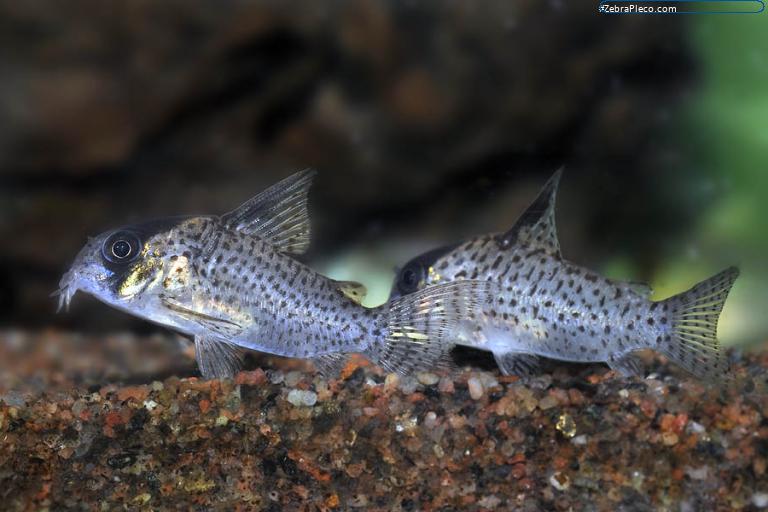
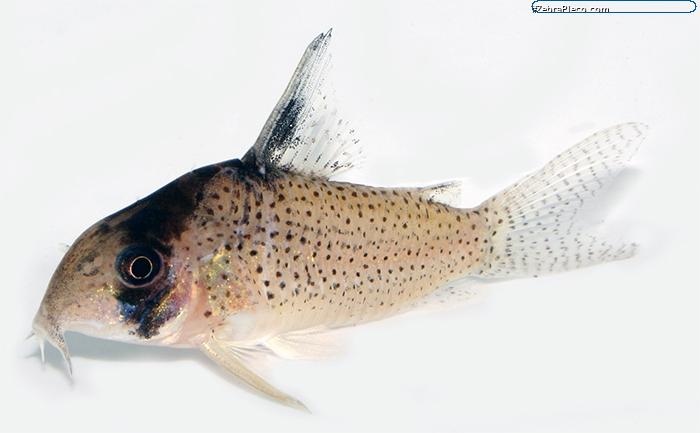
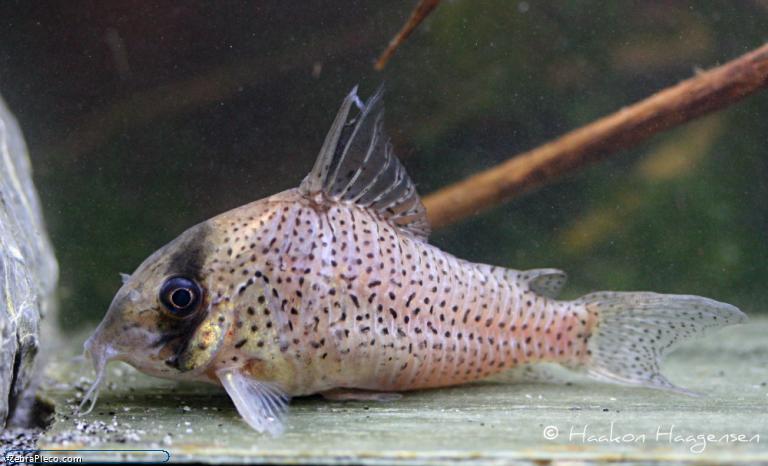
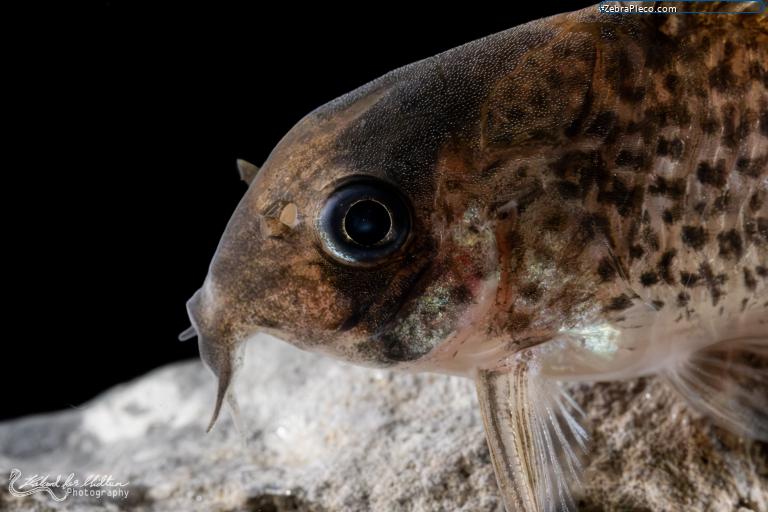
C026 and H. kanei are similar despite being from different, but relatively close, locations. The differences are in base colour and spot size. The latter is a rare import. The former more common. For now, we have these as the same species.
Sexual Dimorphism (Sexing)
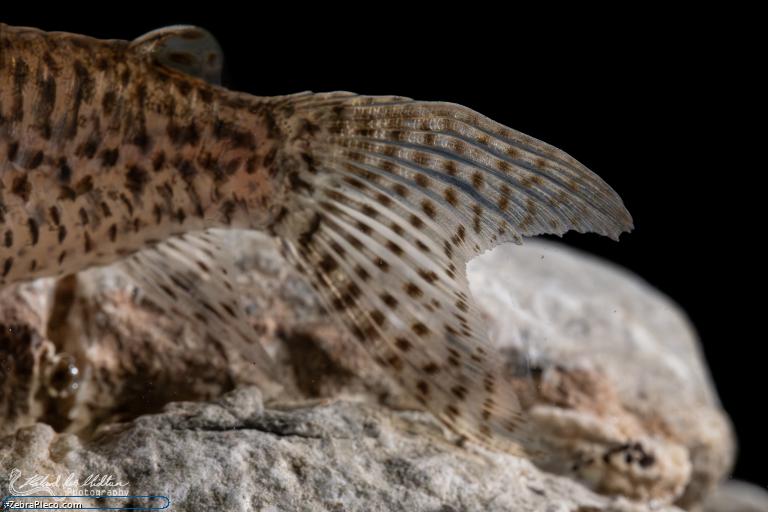
Females grow larger and are more full-bodied, this is best observed from above the fish. Males will typically have more pointed as opposed to more rounded fin tips as they mature.
Taxonomy, Synonyms & Etymology
Classification history, linguistic derivations and variant forms
Pronunciation
hop lee so mah - kane eye.
Etymology
The genus name is latin for wavy, referring to “dark purplish spots tending to run together, forming undulating longitudinal bands” - a common if not uniform colouration pattern found in this genus. Named to honour Master Kane Grant, the author's (Steve Grant) son.
Literature & Resources
Scientific publications, external links and citation tools
Description Reference
The Aquarist and Pondkeeper v. 62 (no. 10) 1998, pp 41, Photos 1-2.
External Databases
Related Searches