PAGE_HEADER
Hypancistrus sp. (L173)
Image Showcase
Photographs, diagnostic angles and morphological variants
Community & Keeper Tally
Member interactions, breeding records and forum mentions
Aquarium Care & Husbandry
Dietary requirements, tank setup, compatibility and breeding
Feeding & Diet
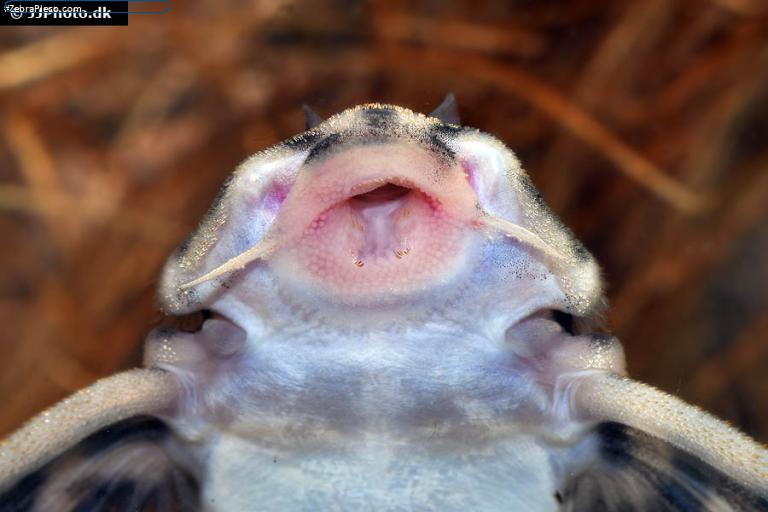
Unlike the popular opinion of many other loricariids, Hypancistrus species are more of carnivores than an algae eaters. This is backed up by a small and lightly toothed mouth that indicates it is a poor algae eater. Provide mainly meaty foods such as bloodworm and even brineshrimp. [View Member Food Stats]
Aquarium Furniture & Decor
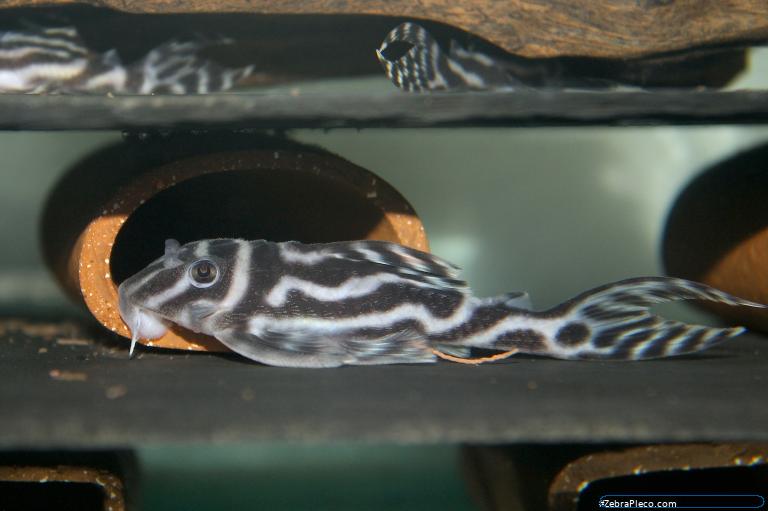
The Rio Xingú is full of rocks of many sizes with some fine sand between them. The ideal Rio Xingu tank would be set up much differently than what we picture as a typical ''South American'' biotope. The tank should resemble a rocky riffle area in a stream with jumbles of rounded rocks and good water movement. Provide lots of small caves as the fish normally live and spawn in the caves and cracks of rocks. The rocks should be assembled in a haphazard fashion to create lots of crevices and shelves in which the fish can cram themselves. Sand is preferable, but large rounded gravel or bare-bottomed tanks are also accepted. Prefers dark rock to bogwood but I would provide some wood (many people claim that their zebras never touch the stuff) - better safe than sorry in my opinion.
Compatibility & Suggested Tankmates
Peaceful but choose tankmates wisely as this species does not compete well for food with particularly fast or aggressive tankmates.
Tankmates: An ideal (although expensive) addition to any community tank especially one stocked with active, but not boisterous, current loving fish. Can be kept with discus or loaches, but you are unlikely to get the best out of this fish in such company. Best kept in groups of 1 male and 2-3 females.
Breeding Notes
Similar to other smaller Hypancistrus species.
Habitat & Water Parameters
Natural distribution, biotope water conditions and temperature ranges
Geographic Distribution
Rio Xingu
Amazon, Lower Amazon, Xingu (click on these areas to find other species found there)
Login to view the map.
Species Description & Identification
Morphology, diagnostic traits and sexual dimorphism
Identification
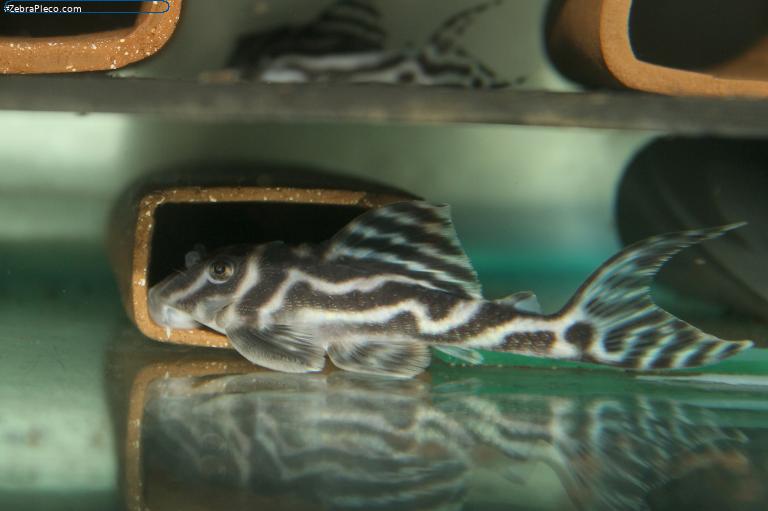
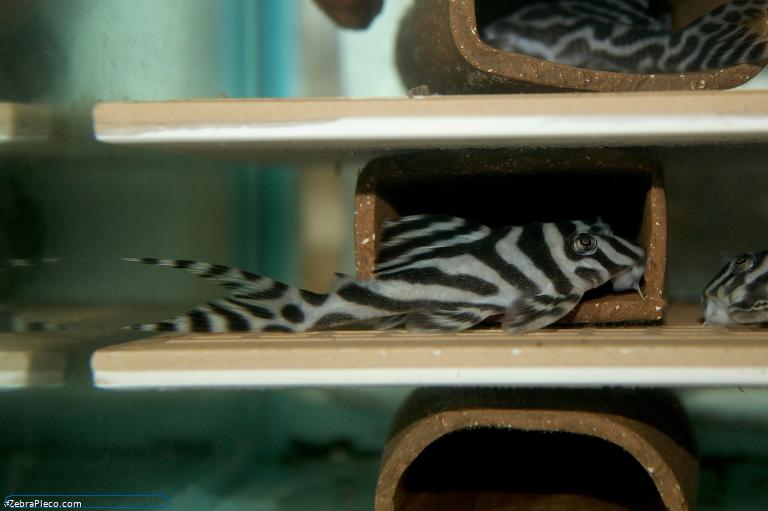
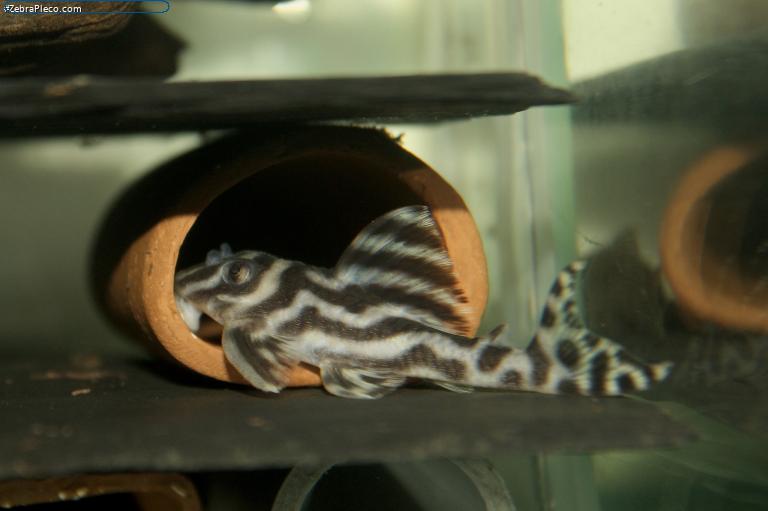
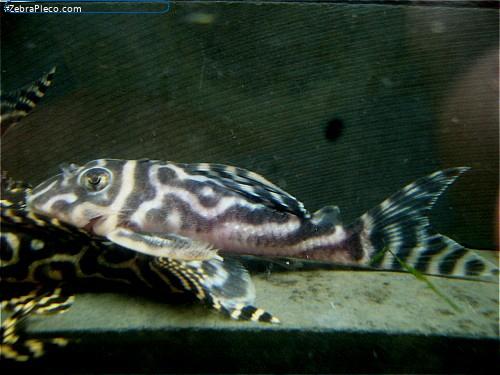
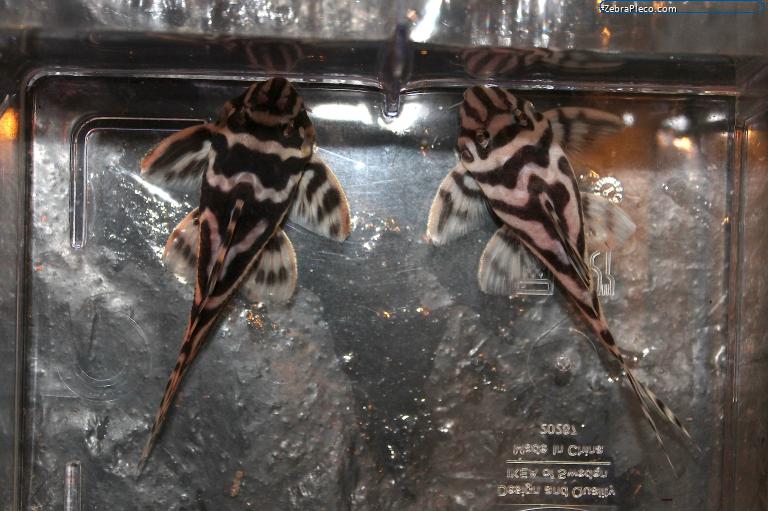
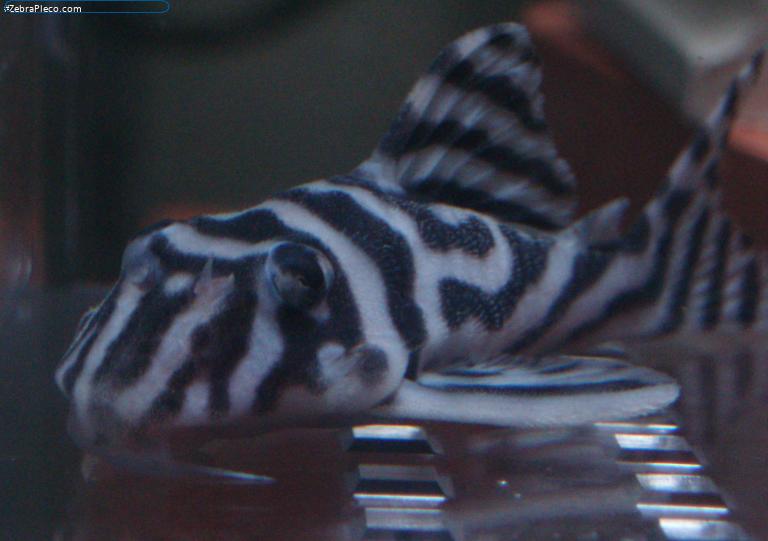
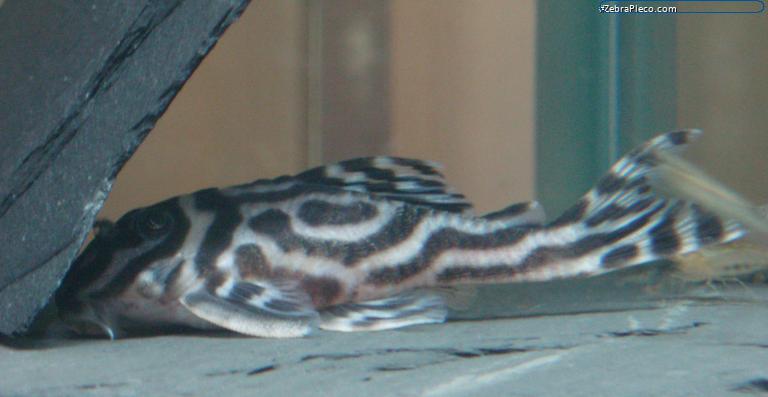
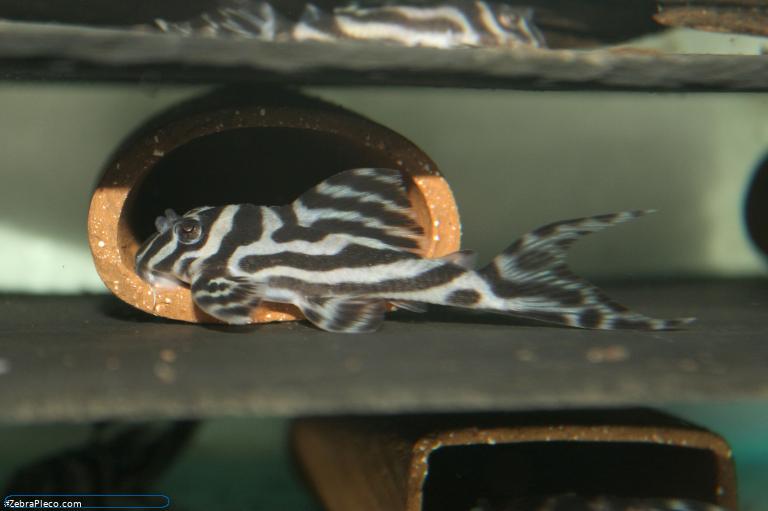
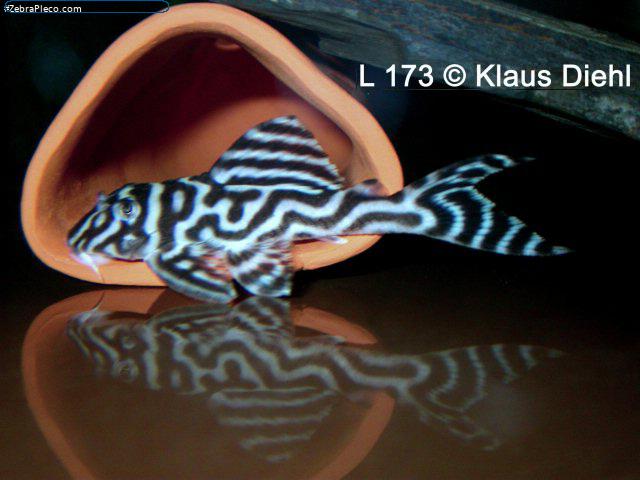
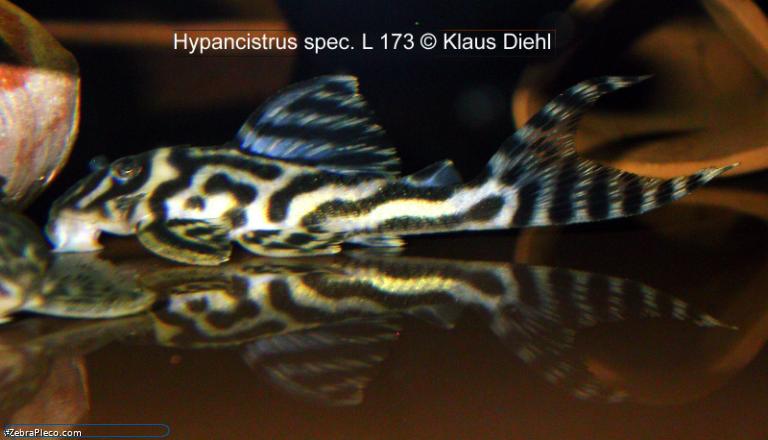
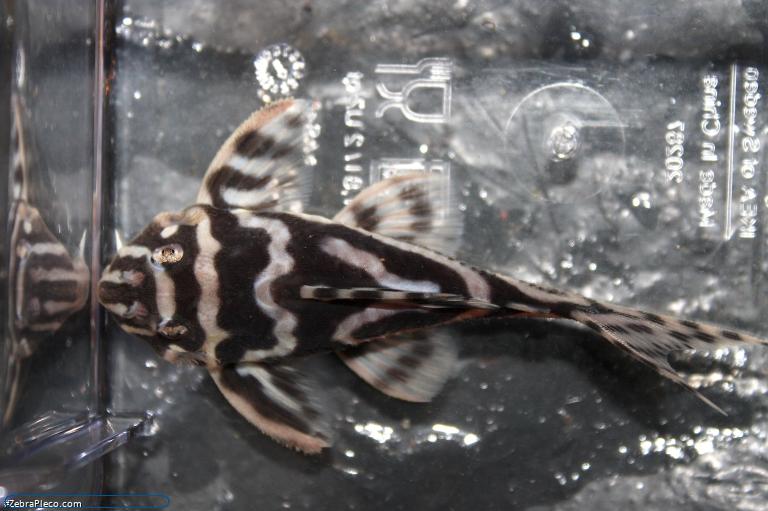
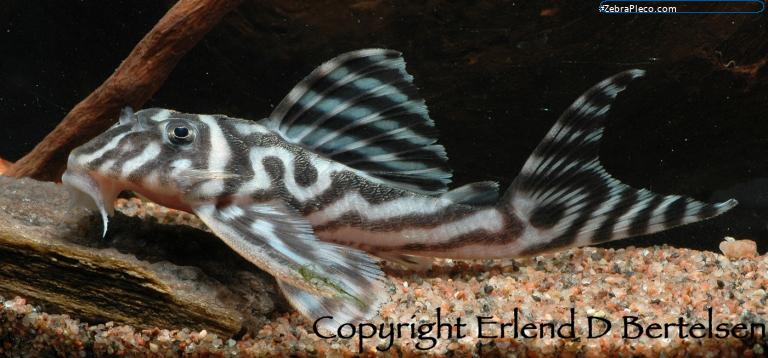
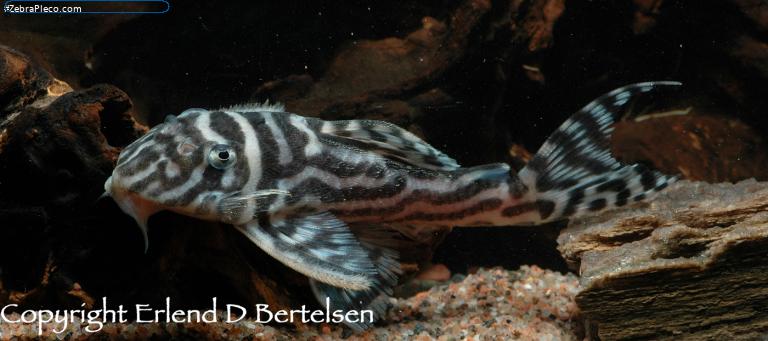
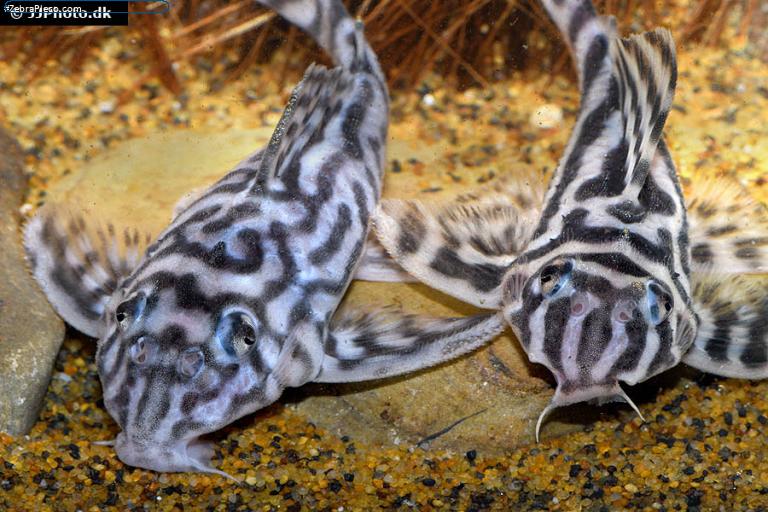
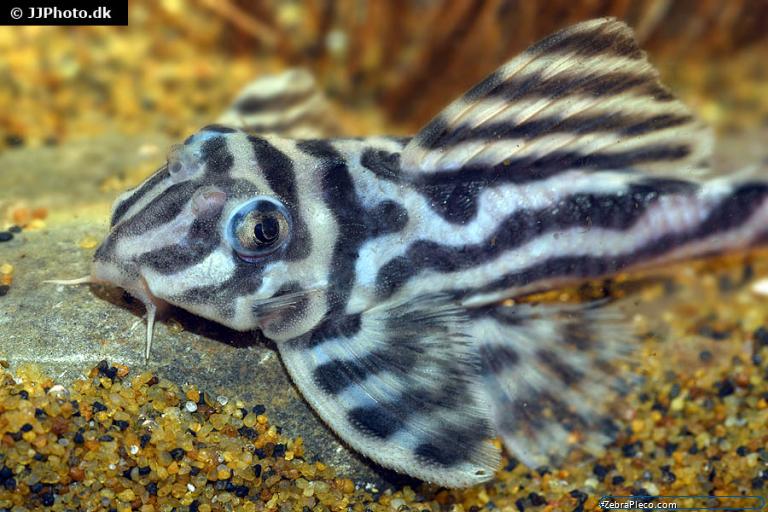
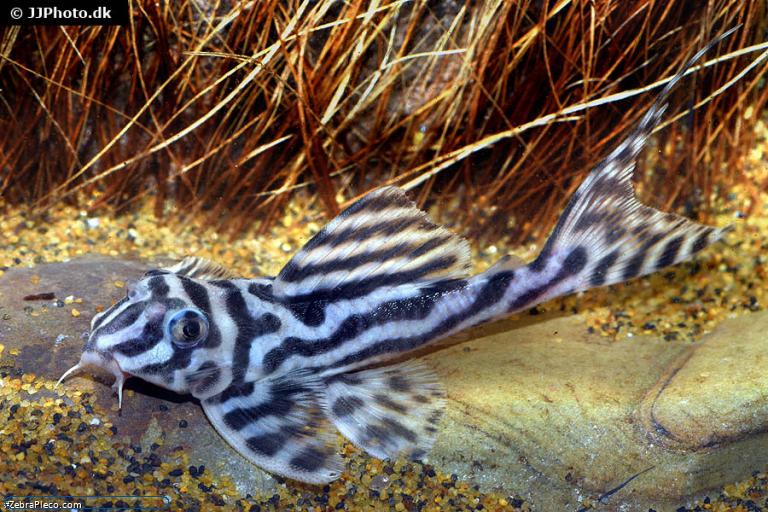
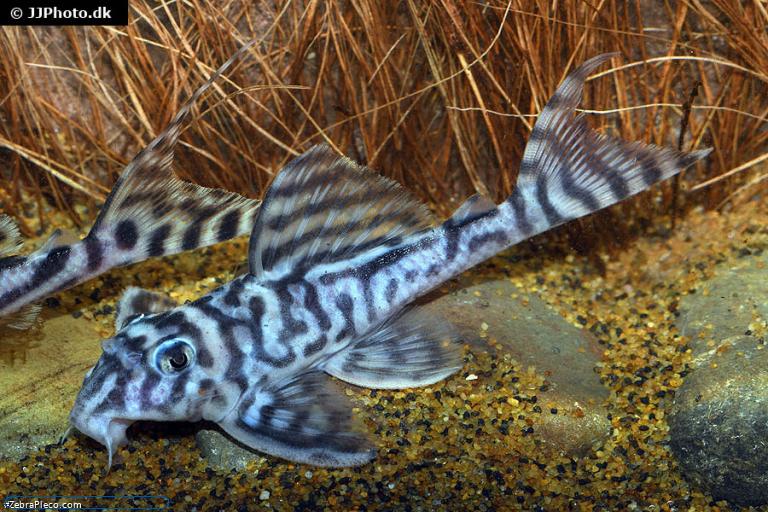
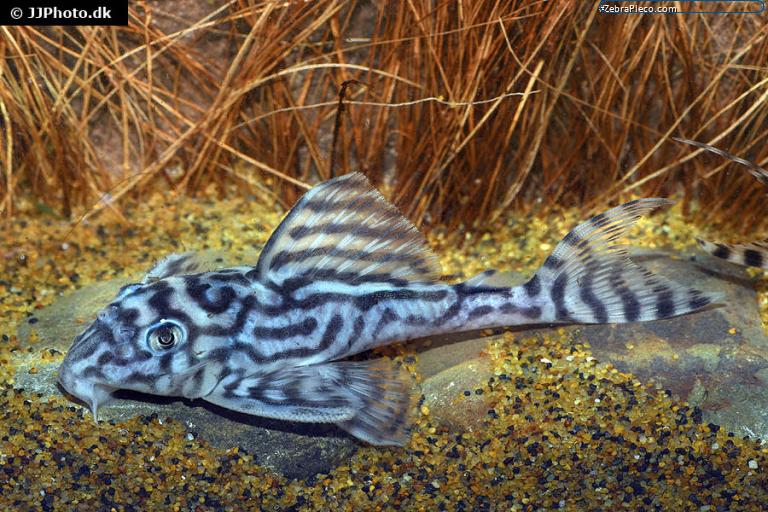
L173 is different to H. zebra, although some documentation (including DATZ) sees them as the same species. They are most likely NOT the same species. H. zebra has more straight lines that go laterally along the body, L173's stripes are more irregular and "vertical". Aside form that, as L173 matures, it has a stockier build and a higher body.
Sexual Dimorphism (Sexing)
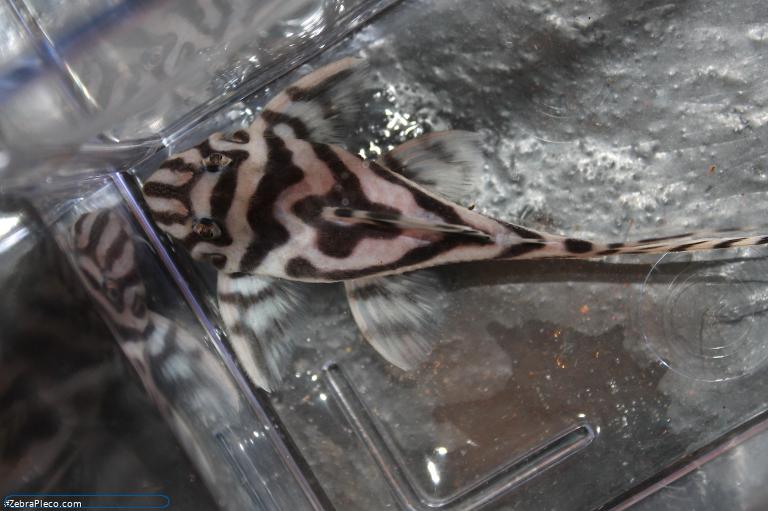
The first pectoral fin ray of the male is somewhat thicker than that of the female. Males in breeding condition further develop their spine-like ''odontodes'' on this ray. The male has a slightly broader head than the female, best observed from above.
General Remarks
The original L number was issued to what was thought to be a uniquely marked specimen of H. zebra.
Taxonomy, Synonyms & Etymology
Classification history, linguistic derivations and variant forms
Pronunciation
hype an siss truss
Etymology
A contraction of the Greek hypo (meaning less than) and ancistrus, an allusion to the reduced number of teeth (particularly in the lower jaw) found in this genus.
Literature & Resources
Scientific publications, external links and citation tools
Description Reference
Scraml, E. and F. Schaefer. 2004. Loricariidae: All L numbers. Aqualog. 271 pp.
DATZ August 1994.
Related Searches