PAGE_HEADER
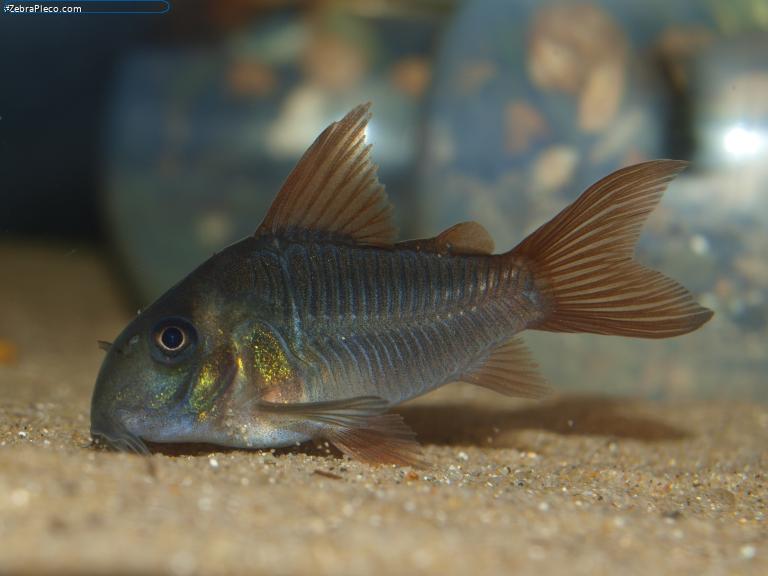
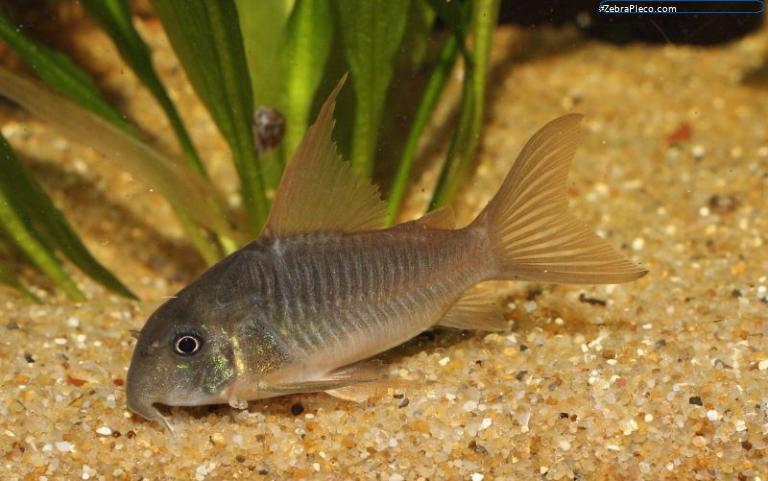
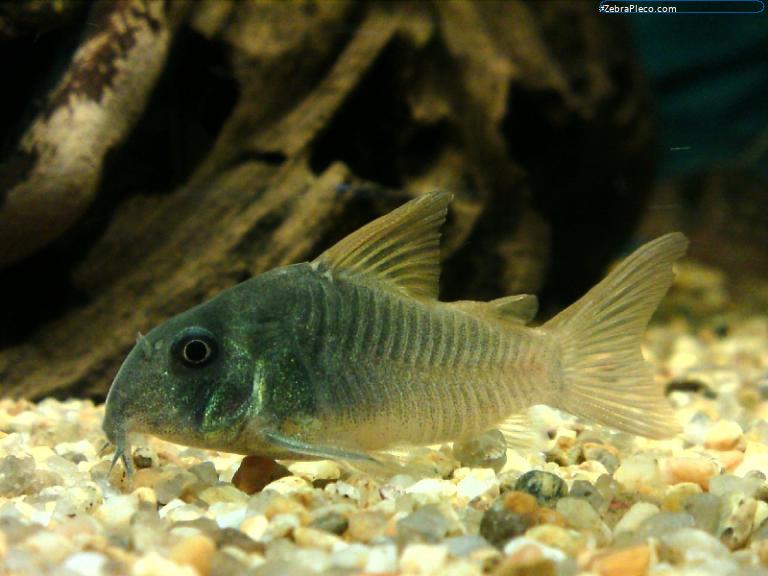
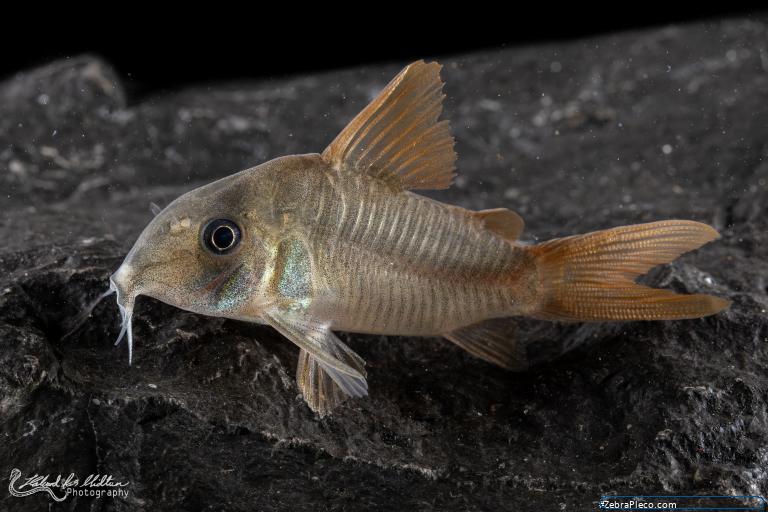
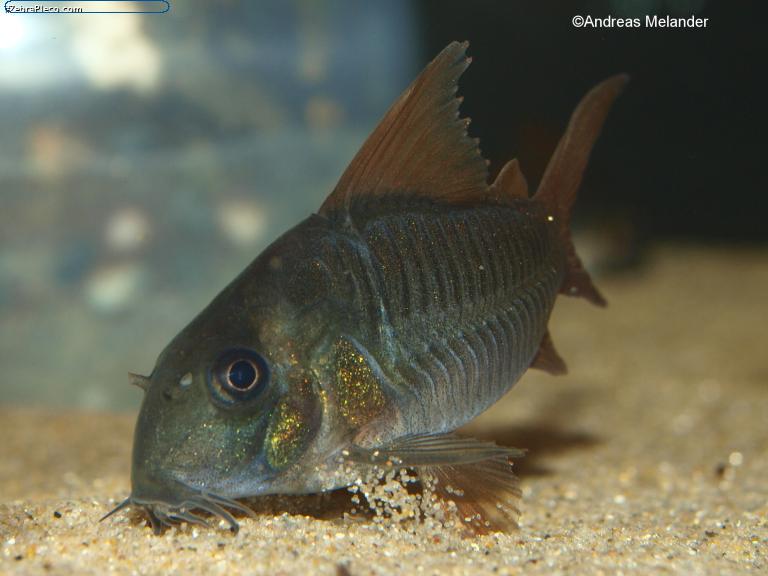
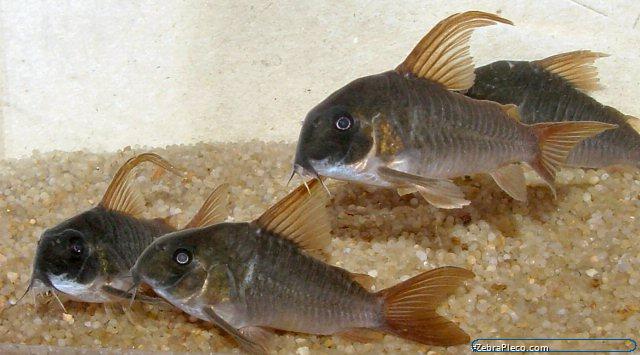
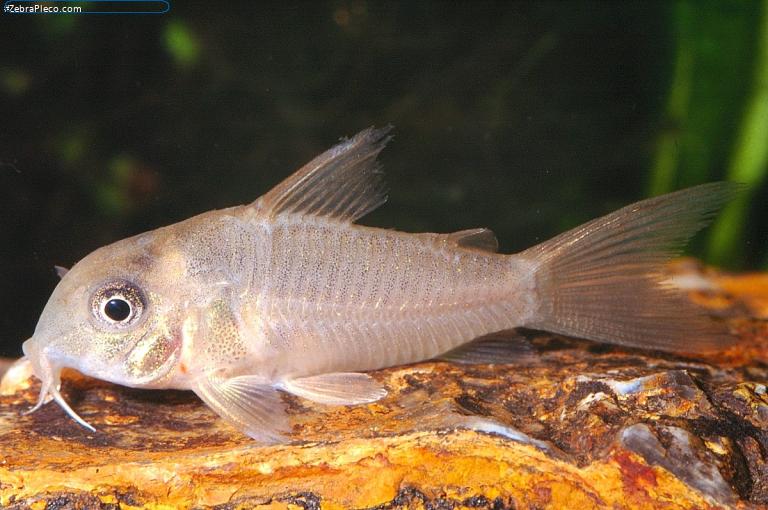
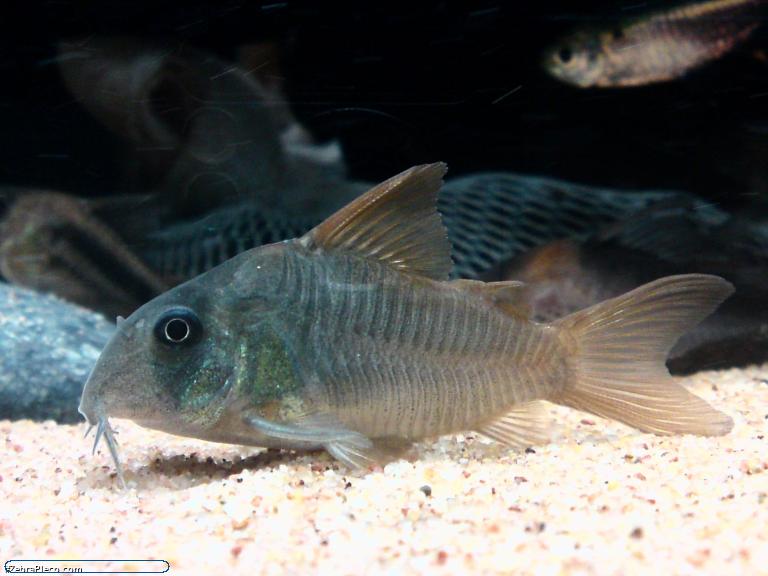
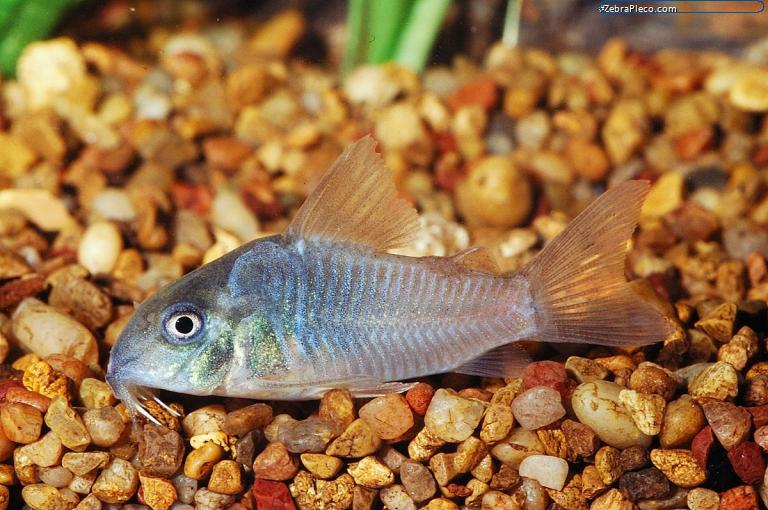
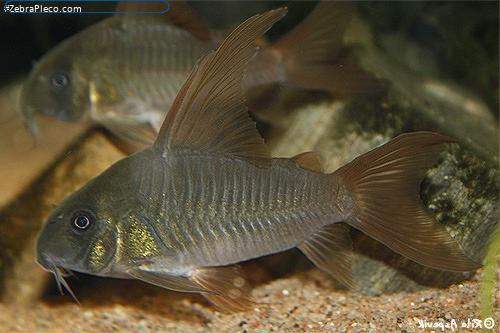
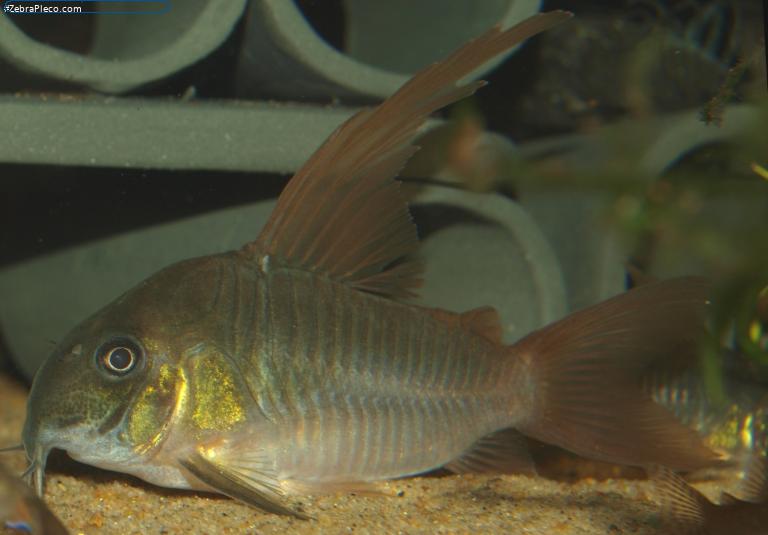
Hoplisoma concolor (Weitzman, 1961)
Image Showcase
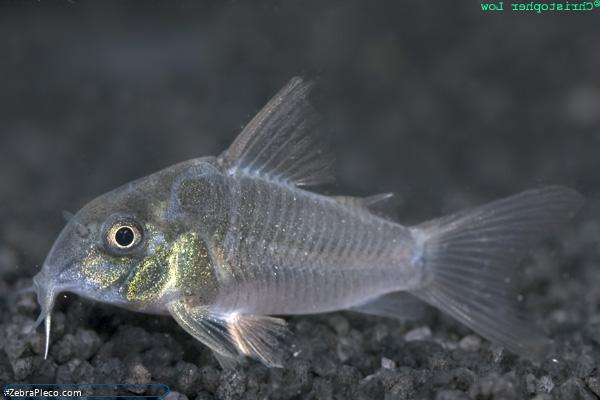
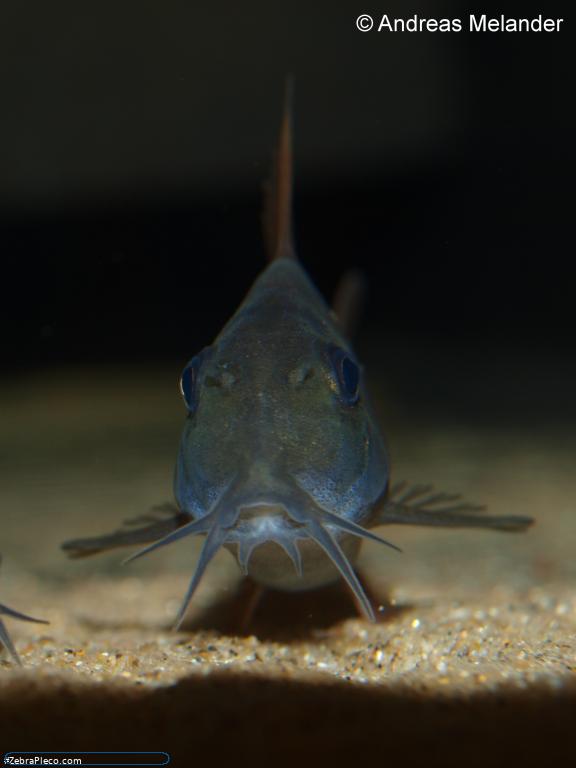
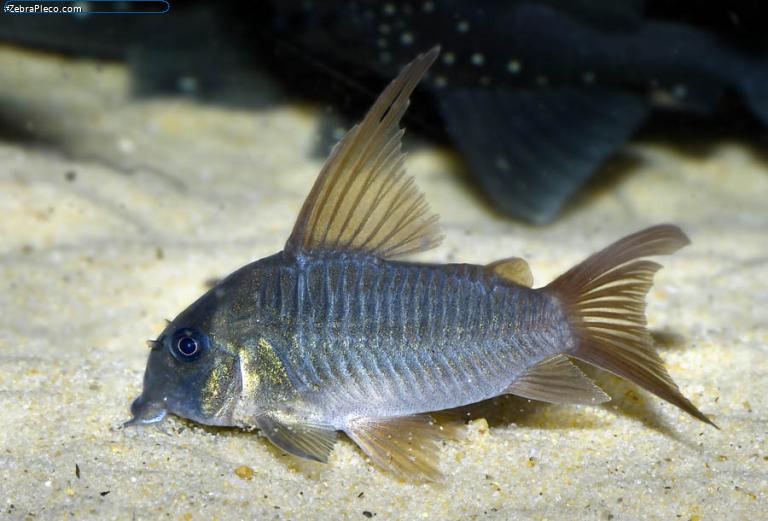
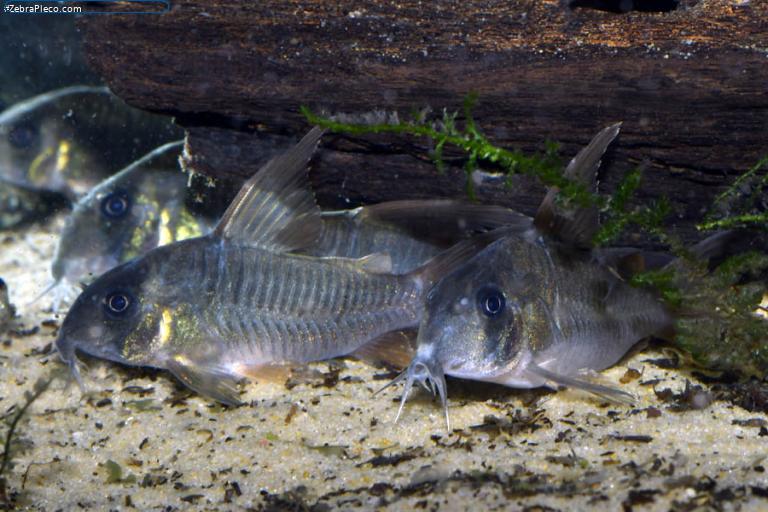
Photographs, diagnostic angles and morphological variants
Community & Keeper Tally
Member interactions, breeding records and forum mentions
Aquarium Care & Husbandry
Dietary requirements, tank setup, compatibility and breeding
Feeding & Diet
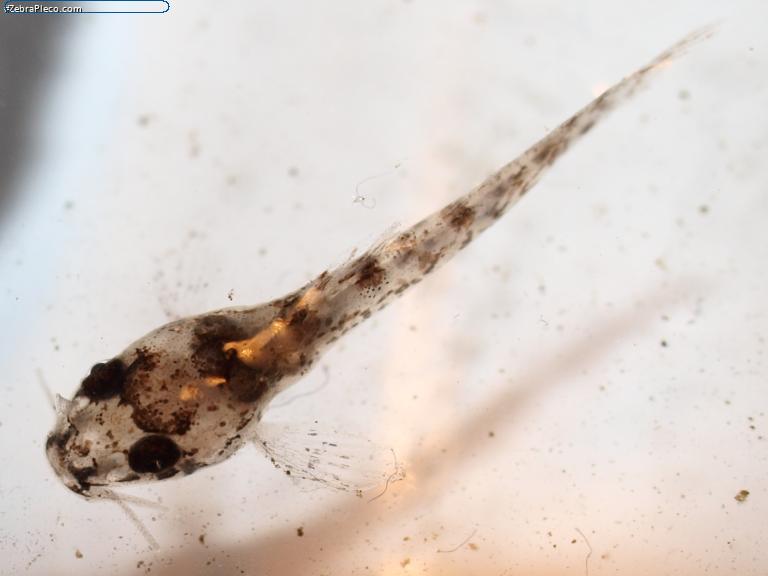
The usual fare for adult Corys, a good quality flake food, tablet food, frozen bloodworm and whiteworm used sparingly. I fed the fry with infusoria to start off the first few days, then on to Brine shrimp nauplii, Microworm, fry and crushed flake. [View Member Food Stats]
Aquarium Furniture & Decor
Planted tank with a few hideaways; that way they will feel secure in their environment, and you will see them out in the open more often.
Compatibility & Suggested Tankmates
Peaceful
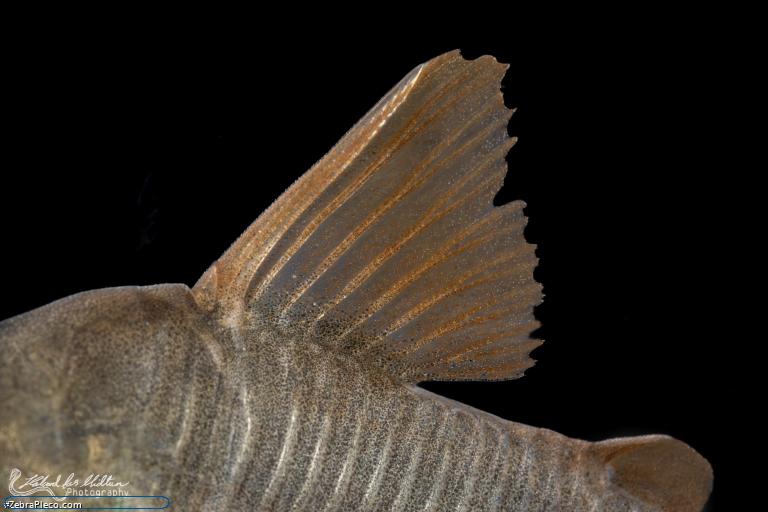
Tankmates: Certainly will enhance your community tank as long as it is at least 24'' long with 36'' being a better option. The usual community fish will suffice, but I am suspicious of a few of the Barb family as they do tend to nip the dorsals of Corydoras, so pick carefully.
Breeding Notes
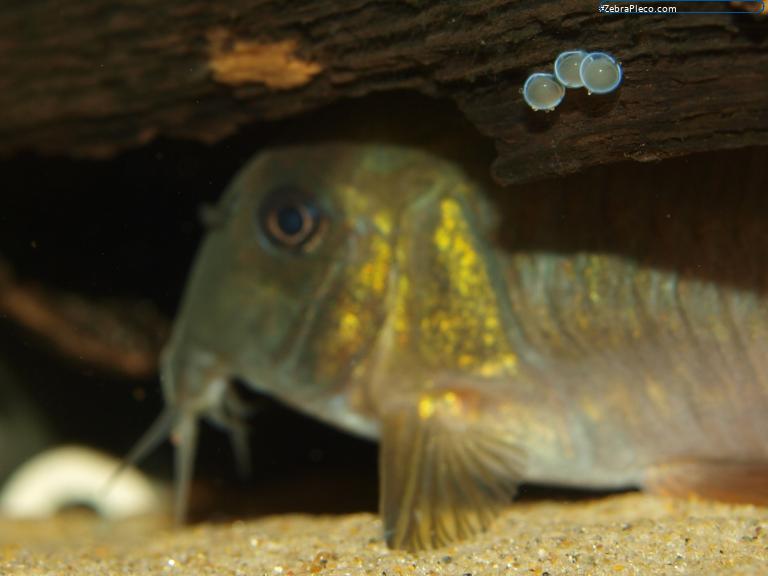
Spawned by Eric Bodrock in November 1999 who provided these notes. Group of 10 fish, sex ratio unknown but appeared to be male heavy. Spawned in a 20-gallon tank, pH of 6.6–7.0 at a temperature of 72°–74°F (22°–23°C). A good 150 very sticky eggs were deposited singly through the entire tank. About a 70% hatch rate.
Habitat & Water Parameters
Natural distribution, biotope water conditions and temperature ranges
Geographic Distribution
South America: Orinoco River basin.
Orinoco (click on these areas to find other species found there)
Login to view the map.
Species Description & Identification
Morphology, diagnostic traits and sexual dimorphism
Taxonomy, Synonyms & Etymology
Classification history, linguistic derivations and variant forms
Synonyms
Corydoras concolor
Pronunciation
hop lee so mah - CONN cull or
Etymology
The genus name is latin for wavy, referring to “dark purplish spots tending to run together, forming undulating longitudinal bands” - a common if not uniform colouration pattern found in this genus. Latin concolor = coloured uniformly.
There are 2 other speciesCambeva concolor
Tatia concolor with this specific name.
Literature & Resources
Scientific publications, external links and citation tools
Description Reference
Proceedings of the Biological Society of Washington v. 74, pp 105, Figs. 1-2.
External Databases
Related Searches