PAGE_HEADER
Hemibagrus capitulum (Popta, 1906)
Image Showcase
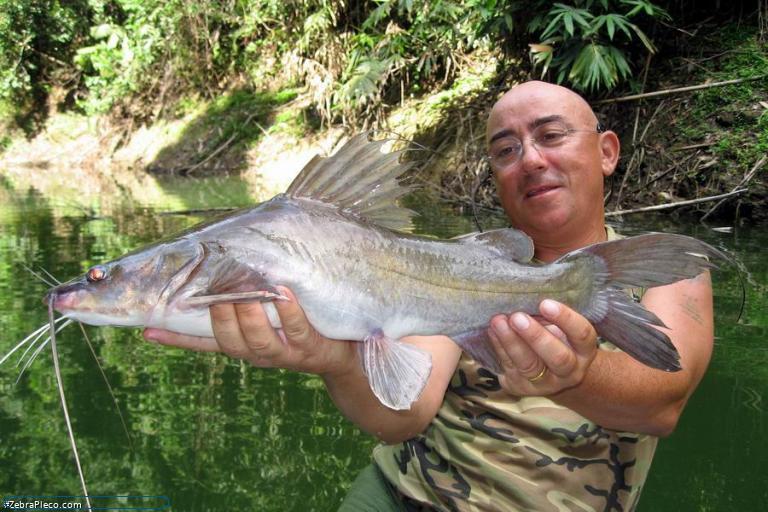
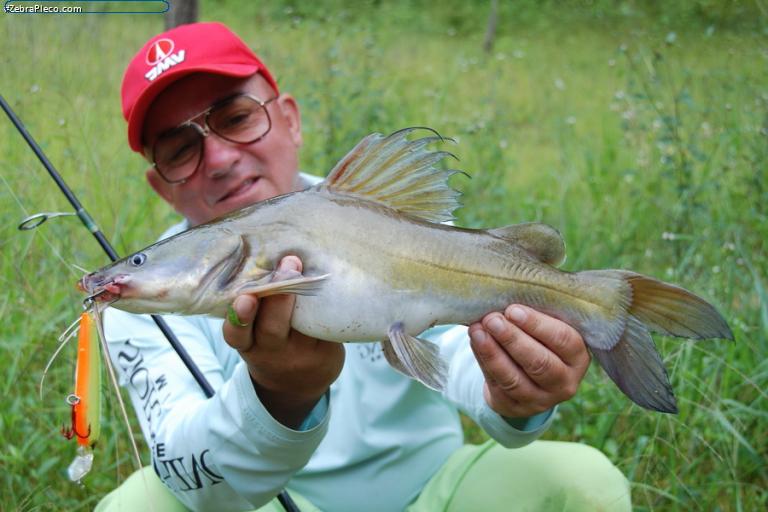
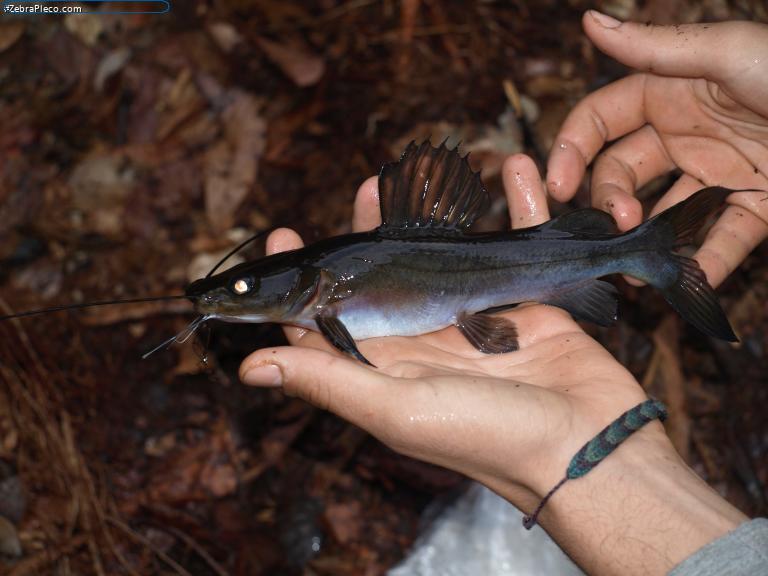
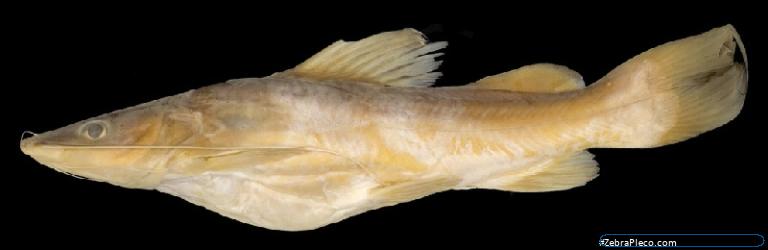
Photographs, diagnostic angles and morphological variants

Community & Keeper Tally
Member interactions, breeding records and forum mentions
Aquarium Care & Husbandry
Dietary requirements, tank setup, compatibility and breeding
Breeding Notes
No member of this genus has been bred in the aquarium.
Habitat & Water Parameters
Natural distribution, biotope water conditions and temperature ranges
Geographic Distribution
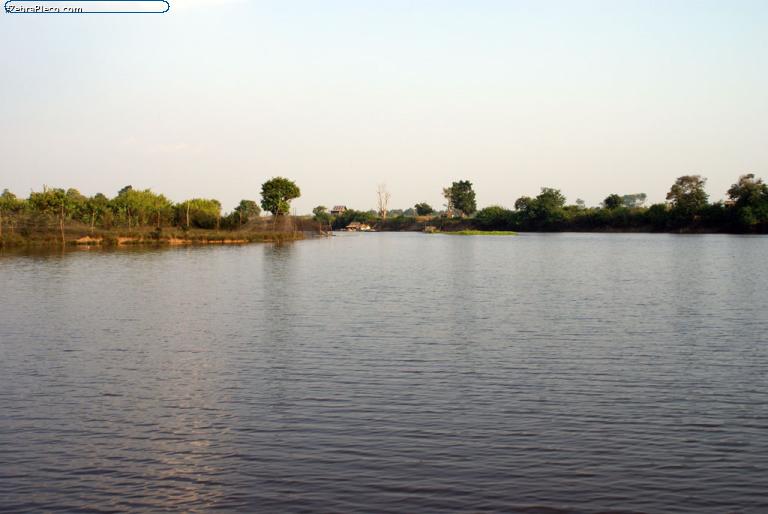
Hemibagrus capitulum is known from river drainages in Borneo, the Malay Peninsula northwards to at least Narathiwat and Trang, and Sumatra. This species is absent from the upper reaches of river drainages in Borneo, where H. fortis is found instead. This species has been introduced to Singapore, where it is not native.
Species Description & Identification
Morphology, diagnostic traits and sexual dimorphism
Identification
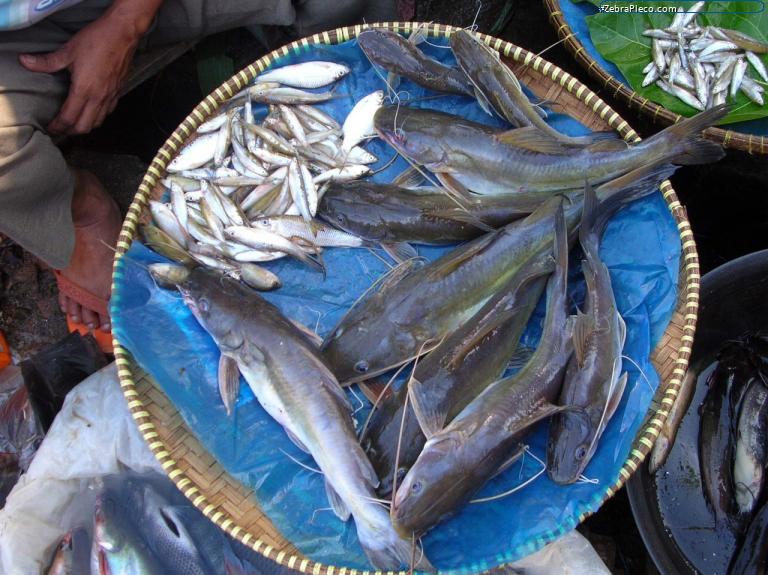
Members of the genus Hemibagrus are bagrid catfishes that can attain standard lengths of up to 800 mm and are found in large rivers throughout the Indian subcontinent,Southeast and East Asia. Members of this genus have depressed heads,rugose head shields not covered by skin,a slender occipital process and moderately long adipose fins.
Hemibagrus capitulum falls in the Hemibagrus nemurus species group
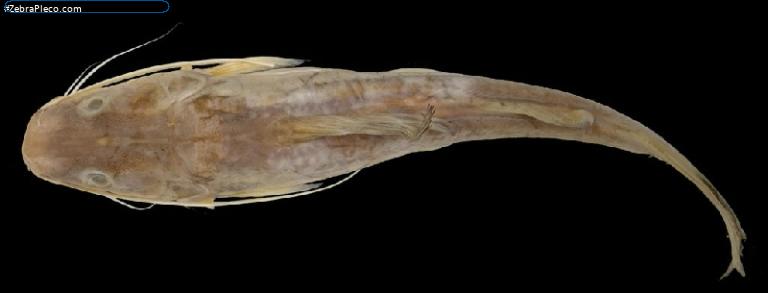
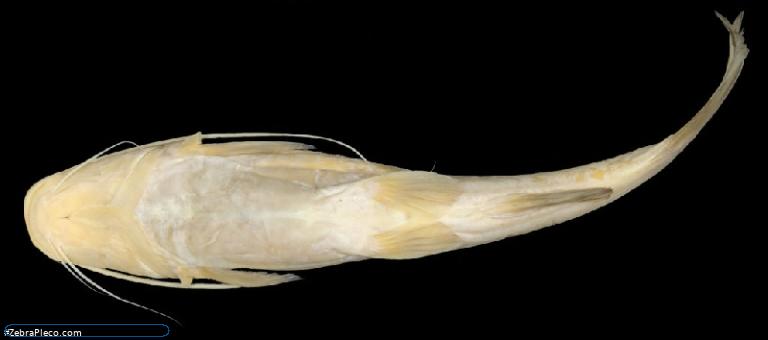
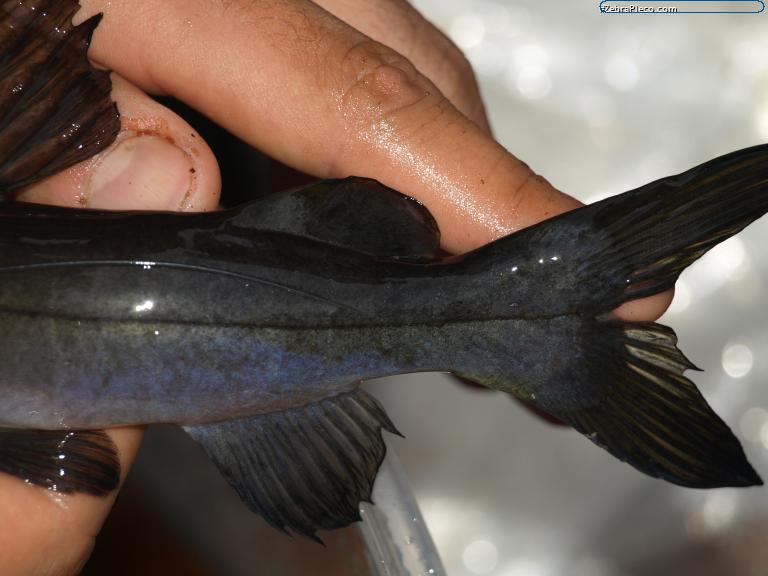
and differs from H. filamentus in having a relatively shorter and wider head (head width 59–70% HL vs. 56–60). It is distinguished from H. fortis in having the anteriormost branch of dorsal-fin rays longer than other branches (vs. branches of the dorsal-fin rays of almost equal length) giving the dorsal fin a jagged (vs. rounded) distal margin, from H. hoevenii in having the premaxillary tooth band not (vs. partially) exposed when the mouth is closed, rounded (vs. tapering) caudal-fin lobes, absence (vs. presence) of a broad and conspicuous dark margin around the caudal fin, a rounded (vs. triangular) anal fin, broader membranes of the dorsal fin which give it a rounded (vs. triangular) appearance, and filamentous extensions on the dorsal fin, when present, not reaching beyond middle of adipose-fin base (vs. very long filamentous extensions of the first two dorsal-fin rays, when present, that reach beyond the posterior base of the adipose fin), from H. nemurus in having a larger eye in specimens greater than approx. 150 mm SL (11–19% HL vs. 9–11), the adpressed dorsal fin (excluding the filamentous extensions of the fin rays if present) reaching to or beyond (vs. not reaching) the adipose-fin origin and longer maxillary barbels (reaching beyond caudal-fin base but frequently to vertical through base of last anal-fin ray vs. to origin of anal fin; 193–390% HL vs. 168–221), and from H. spilopterus in having a flat (vs. gently convex) interorbital space and the adpressed dorsal fin (excluding the filamentous extensions of the fin rays) reaching to or beyond (vs. not reaching) the adipose-fin origin.
Taxonomy, Synonyms & Etymology
Classification history, linguistic derivations and variant forms
Synonyms
Hemibagrus chrysops
Pronunciation
HEM ee BAG russ
Etymology
From the Greek hemi- meaning half and bagrus, the catfish genus.
Literature & Resources
Scientific publications, external links and citation tools
Literature & References
External Databases
Related Searches