PAGE_HEADER
Rhinobagrus dumerili Bleeker, 1864
Image Showcase
Photographs, diagnostic angles and morphological variants
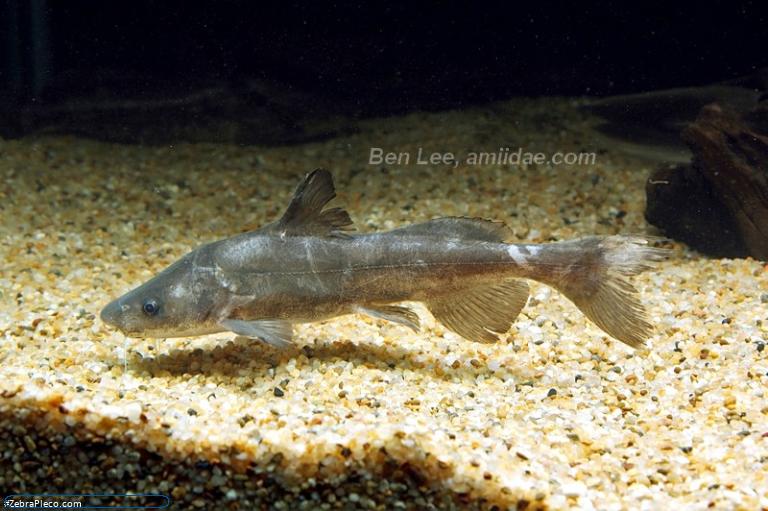
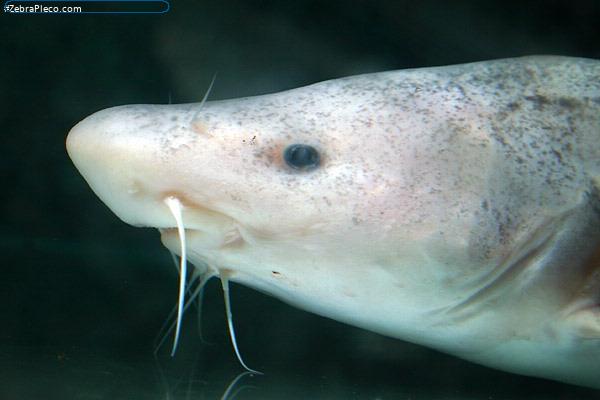
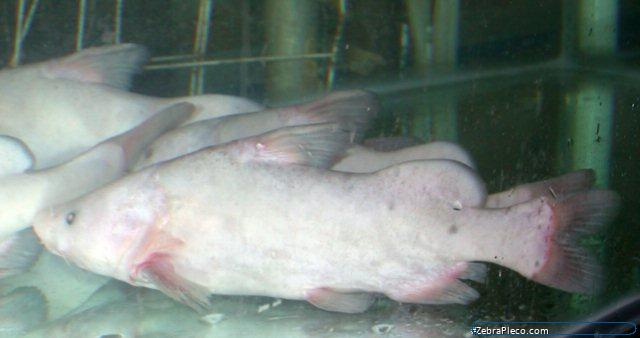
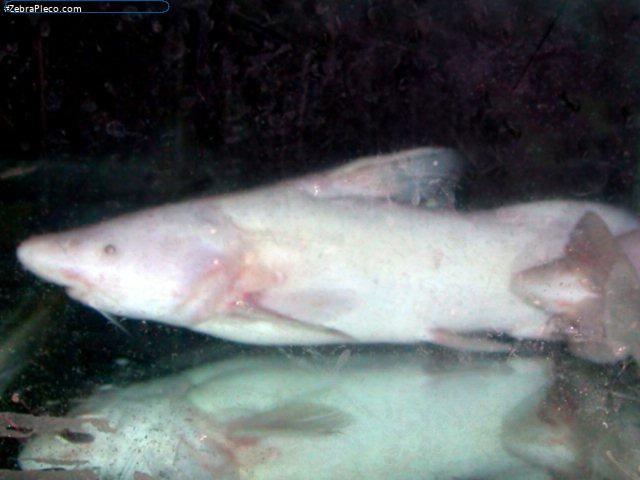
Community & Keeper Tally
Member interactions, breeding records and forum mentions
Aquarium Care & Husbandry
Dietary requirements, tank setup, compatibility and breeding
Feeding & Diet
Feeds on crustaceans, aquatic invertebrates and small fish in the wild. [View Member Food Stats]
Breeding Notes
Not reported in aquaria. Sexually mature after three years. Breeds in April-June in swift-flowing, rocky rivers, producing about 80000-100000 pale yellow, sticky eggs.
Habitat & Water Parameters
Natural distribution, biotope water conditions and temperature ranges
Geographic Distribution
Asia: North China.
Korea Waters (click on these areas to find other species found there)
China Waters, Northern China Waters (click on these areas to find other species found there)
Login to view the map.
Species Description & Identification
Morphology, diagnostic traits and sexual dimorphism
Identification
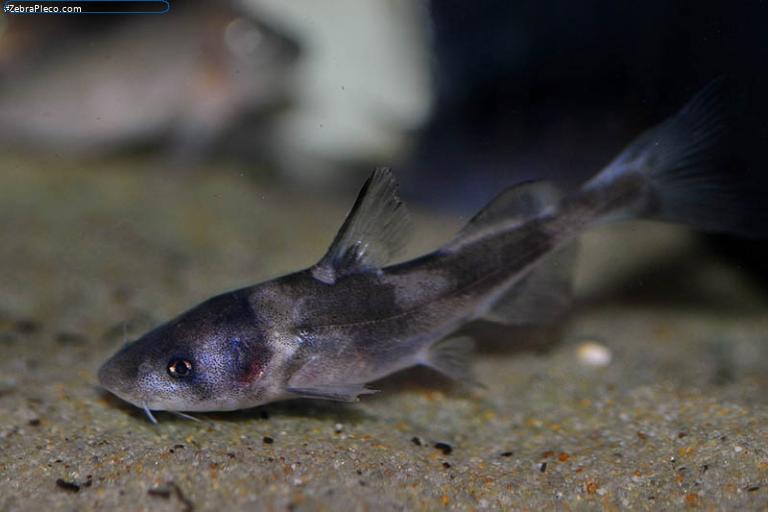
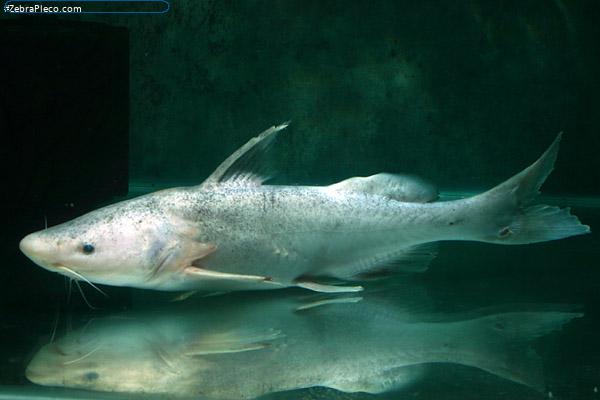
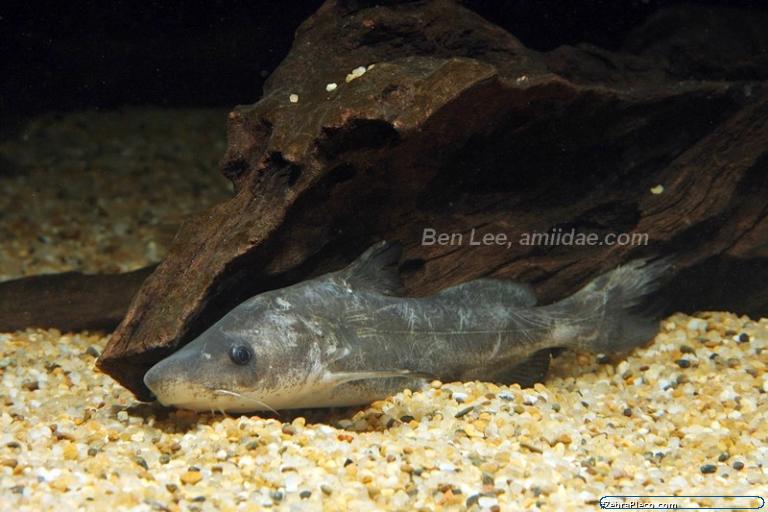
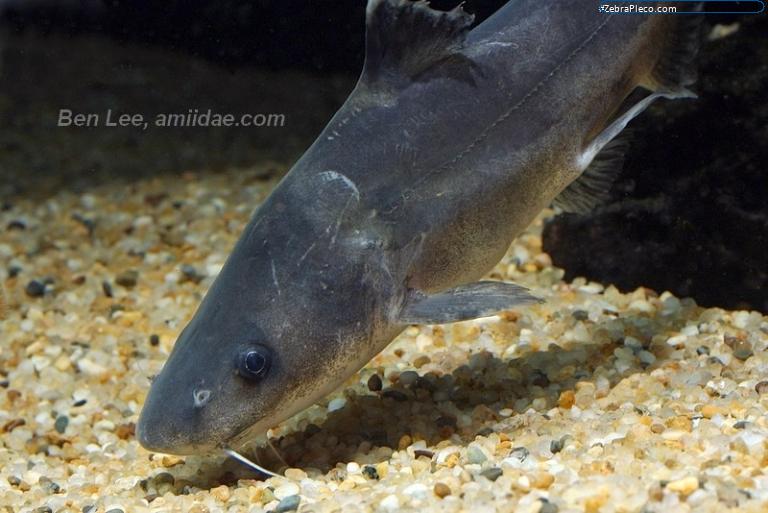
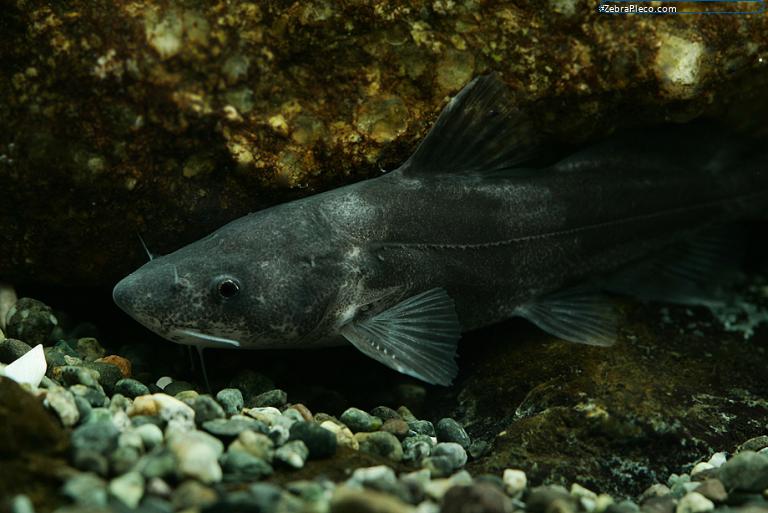
Easily distinguished by its grey body and long snout. Often mislabelled Leiocassis longirostris in many references.
Sexual Dimorphism (Sexing)
Males have an elongate genital papilla in front of the anal fin.
General Remarks
Historically important in Korea, the last known capture of the fish was in 1982. The species was declared extinct in Korea in 1985. However, in 2007, an intensive breeding program was begun using specimens imported from China. The fish was re-introduced into the wild in 2008.
Taxonomy, Synonyms & Etymology
Classification history, linguistic derivations and variant forms
Synonyms
Adelopeltis angusticeps, Leiocassis longirostris, Liocassis longirostris, Nasocassis longirostris, Pelteobagrus longirostris, Pseudobagrus longirostris, Tachysurus longirostris
Pronunciation
- lawn ji ross triss
Etymology (source: ETYFish.org)
In honour of Bleeker’s friend August Duméril (1812–1870), French herpetologist and ichthyologist, Muséum national d’Histoire naturelle (Paris), who kindly allowed Bleeker to describe it The specific epithet comes from the Latin longus, meaning long, and rostrum, meaning nose, in reference to the elongate snout.
There is 1 other speciesSaurogobio dumerili with this specific name.
Literature & Resources
Scientific publications, external links and citation tools
Literature & References
External Databases
Related Searches