PAGE_HEADER
Tachysurus sinensis Lacepède, 1803
Image Showcase
Photographs, diagnostic angles and morphological variants
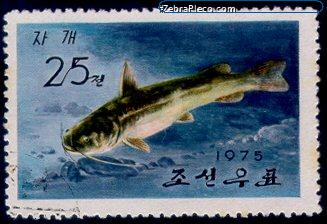
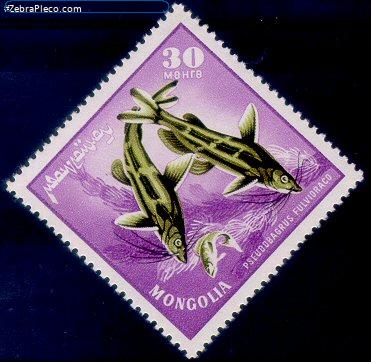
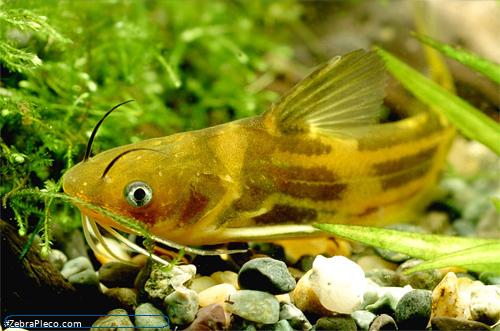
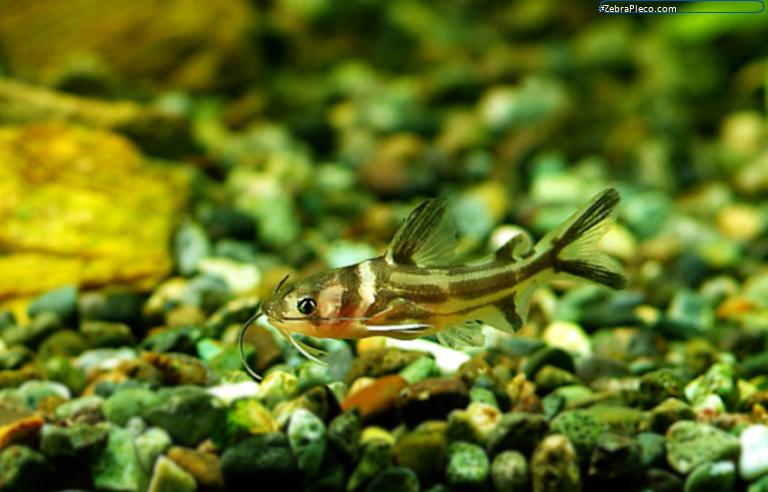
Community & Keeper Tally
Member interactions, breeding records and forum mentions
Aquarium Care & Husbandry
Dietary requirements, tank setup, compatibility and breeding
Feeding & Diet
In nature, feeds at the bottom on insects (particularly on trichopterans and chironomids), molluscs and occasionally fishes. Not a fussy feeder in captivity. [View Member Food Stats]
Aquarium Furniture & Decor
Inhabits streams and lakes with muddy and sandy bottoms. Best maintained in an aquarium of 55 gallons or larger. Provide ample hiding places.
Compatibility & Suggested Tankmates
Generally a peaceful, solitary fish. Should not be kept with small, slow-moving tank mates, as they may be eaten. As a temperate species, you might be tempted to keep it with goldfish. This is not a good idea, slower moving fish will have fins nipped and scales eaten. Fancy goldfish will fare even worse.
Tankmates: Larger cold water cyprinids such as carp, given its propensity for eating smaller tankmates.
Breeding Notes
In nature, spawning occurs in summer. Males have been reported to guard both the eggs and larvae in the nest hole, previously dug by the male in the clay bottom. Fry typically hatch in two days. Commercially bred in ponds.
Habitat & Water Parameters
Natural distribution, biotope water conditions and temperature ranges
Geographic Distribution
Asia: Nam Ma basin (Laos) and Viet Nam to southeastern Siberia. Recorded from Amur river basin.
Russian Waters, Amur (click on these areas to find other species found there)
Pacific, South China Sea, Ma (click on these areas to find other species found there)
Vietnam waters (click on these areas to find other species found there)
Login to view the map.
Species Description & Identification
Morphology, diagnostic traits and sexual dimorphism
Identification
Tachysurus can be identified by an extrascapular without a laterosensory canal, and a pterotic with a broad lateral laminar expansion. It is among the most speciose catfish groups in East Asia and its members inhabit habitats ranging from fast-flowing hillstreams to large rivers.
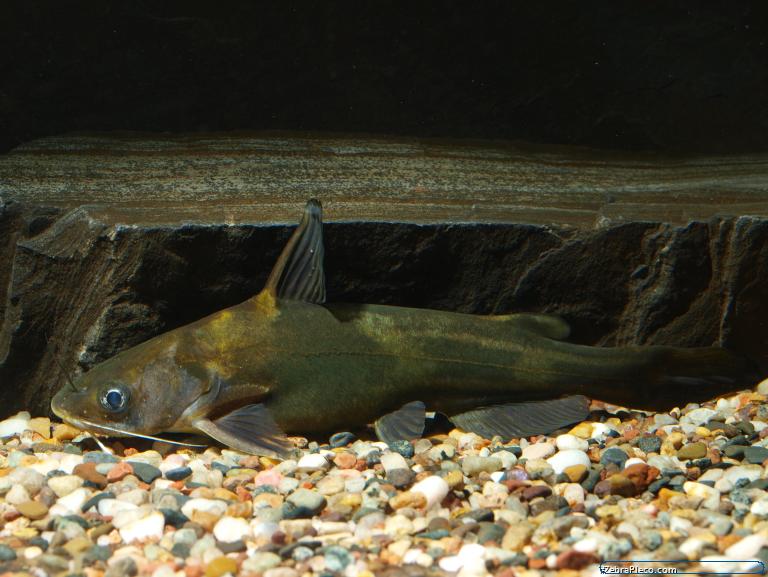
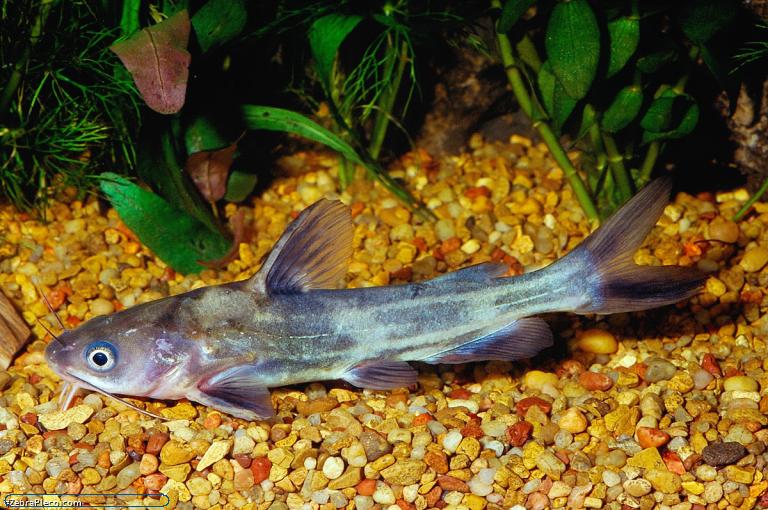
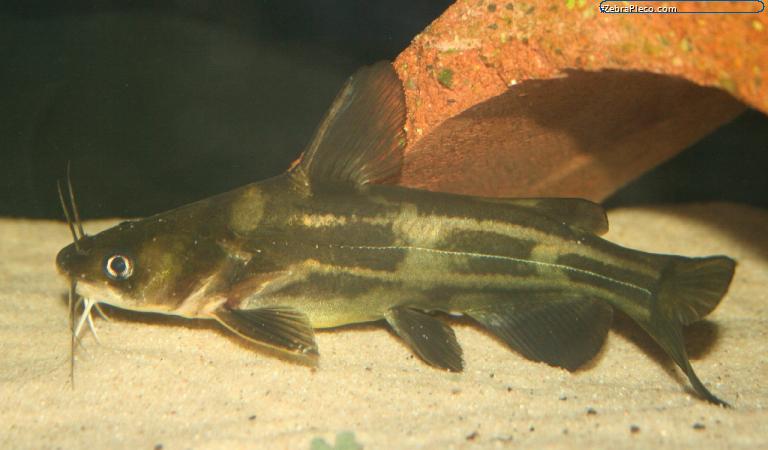
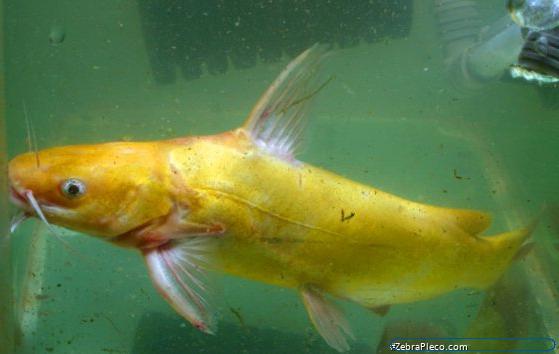
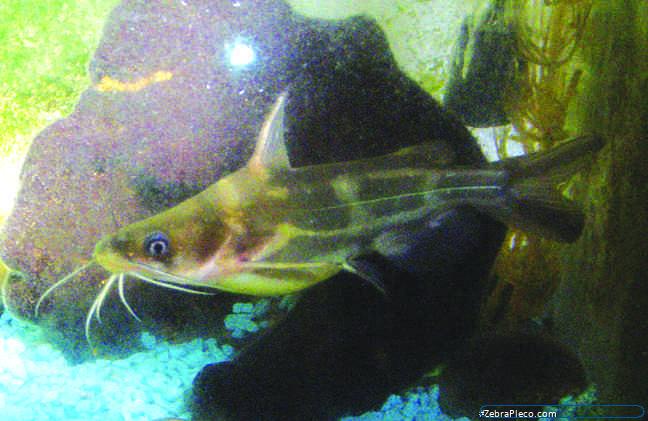
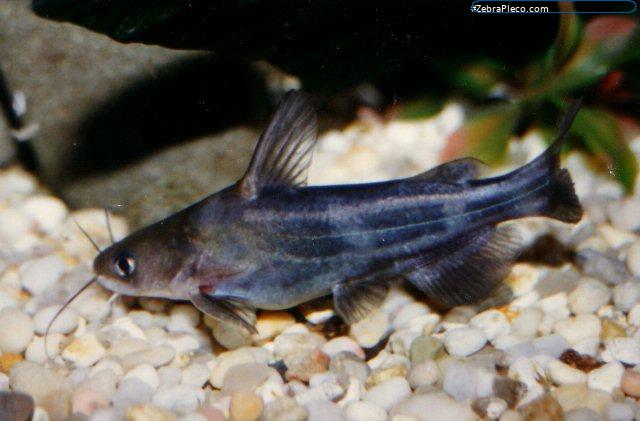
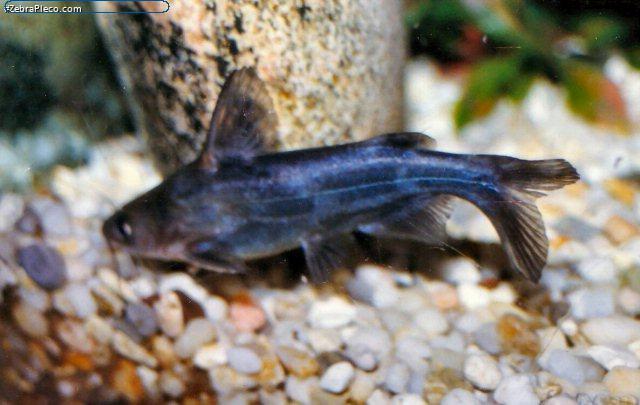
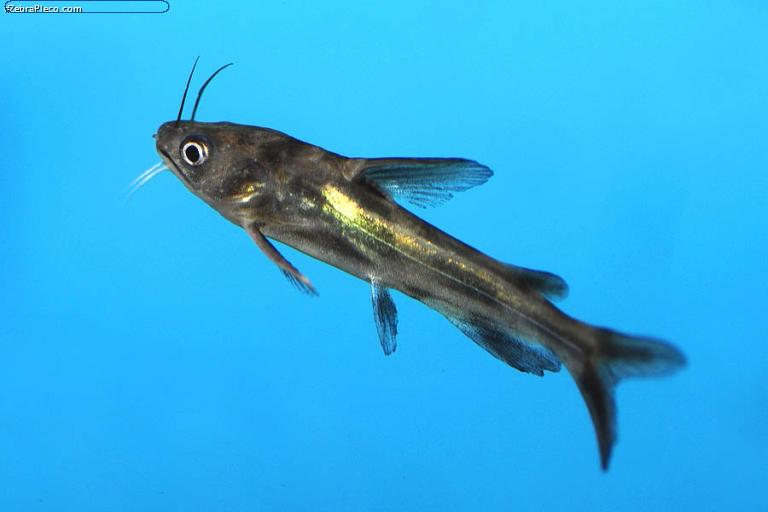
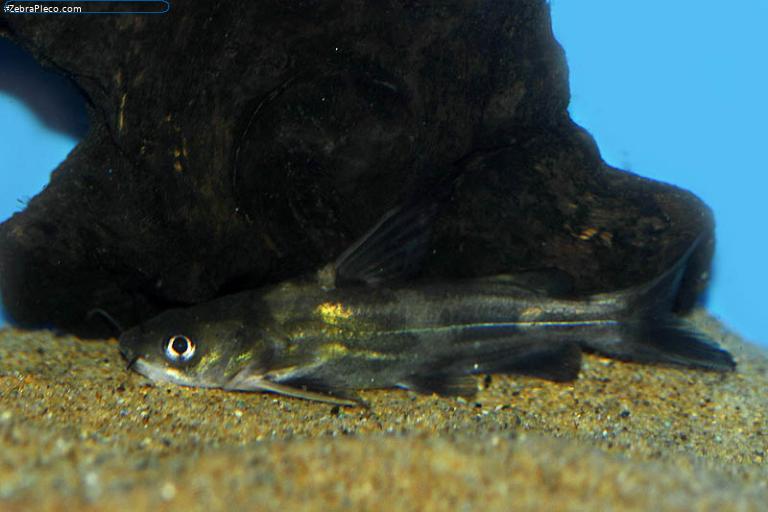
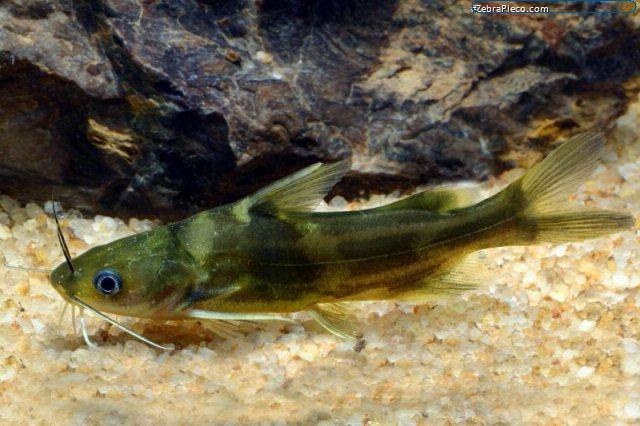
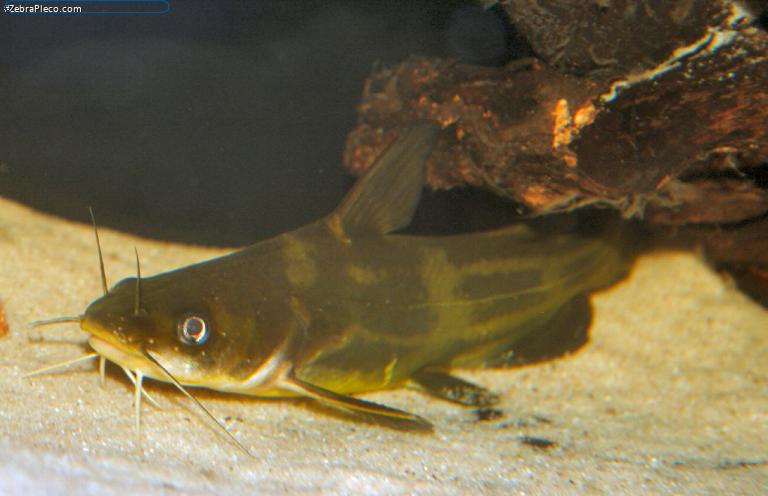
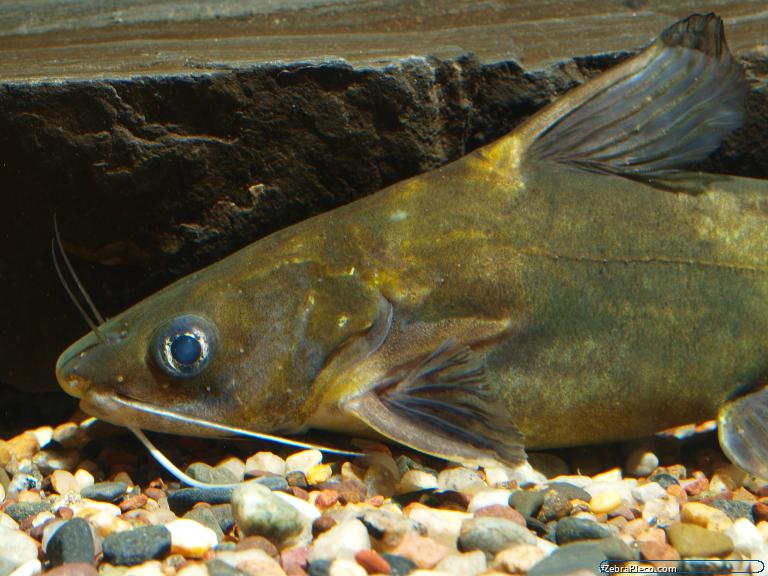
Yellow back, yellowish white belly, large and dark brown speckles on sides. Elongated body. Strong spines on pectoral fins with anterior and posterior serrations. Dorsal fin origin much before ventral fin origin. Has an adipose fin. Caudal fin deeply forked.
Is an important food fish in China and Korea. Soup made by simmering the fish with herbs and spices is considered to be a medicinal tonic in China.
Nowadays rarely seen in the hobby (at least in North America and Europe).
Sexual Dimorphism (Sexing)
Adult males are larger than females.
Taxonomy, Synonyms & Etymology
Classification history, linguistic derivations and variant forms
Synonyms
Arius sinensis, Bagrus calvarius, Pelteobagrus tonkinensis, Pelteobagrus wittenbergii, Pelteobagrus wittenburgii, Pseudobagrus wittenburgii, Silurus calvarius, Tachysurus wittenburgii
Pronunciation
tah key sue russ. - sigh nen siss
Etymology (source: ETYFish.org)
Ensis, Latin suffix denoting place: Ussuri River, Russia, one of two Amur basin rivers where it was first collected The specific epithet is from ''fulva'', tawny, and ''draco'', dragon.
There are 17 other speciesAcipenser sinensis
Bostrychus sinensis
Cobitis sinensis
Erromyzon sinensis
Glyptothorax sinensis
Jinshaia sinensis
Laides sinensis
Pseudobagarius sinensis
Pseudolaubuca sinensis
Pungitius sinensis
Rhodeus sinensis
Sarcocheilichthys sinensis
Sinobdella sinensis
Spinibarbus sinensis
Tephrinectes sinensis
Tor sinensis
Tremeuchiloglanis sinensis with this specific name.
Literature & Resources
Scientific publications, external links and citation tools
Description Reference
Histoire naturelle des poissons (Lacepède) v. 5, pp 150, 15 [?305], Pl. 5 (fig. 2).
External Databases
Related Searches