PAGE_HEADER
Mystus singaringan (Bleeker, 1846)
Image Showcase
Photographs, diagnostic angles and morphological variants
Community & Keeper Tally
Member interactions, breeding records and forum mentions
Aquarium Care & Husbandry
Dietary requirements, tank setup, compatibility and breeding
Feeding & Diet
Easily adapts to a wide variety of frozen and prepared food in the aquarium. Will eat small fishes. € [View Member Food Stats]
Aquarium Furniture & Decor
Provide plenty of driftwood and vegetation as hiding spaces.
Compatibility & Suggested Tankmates
Somewhat territorial; should only be kept with other large, robust fishes. Ideal tankmates include larger cyprinids (such as Osteochilus and Labiobarbus), and larger spiny eels (Mastacembelus spp.).
Breeding Notes
Unreported in the aquarium.
Habitat & Water Parameters
Natural distribution, biotope water conditions and temperature ranges
Geographic Distribution
Asia: Bangpakong, Chao Phraya, Meklong, Tapi and Pattani basins in Thailand; Mekong including the Xe Bangfai basin (Laos), peninsular Malaysia, and most larger river basins in Sumatra, Borneo, and Java.
Thailand Waters, Bang Pakong (click on these areas to find other species found there)
Thailand Waters, Chao Praya (click on these areas to find other species found there)
Pacific, Greater Sunda Island Rivers (click on these areas to find other species found there)
Thailand Waters, Meklong (click on these areas to find other species found there)
Mekong (click on these areas to find other species found there)
Thailand Waters, Peninsular Thailand Waters, Pattani (click on these areas to find other species found there)
Pacific, Malaysia Waters, Peninsular Malaysia Waters (click on these areas to find other species found there)
Thailand Waters, Tapi (click on these areas to find other species found there)
Mekong, Xe Bangfai (click on these areas to find other species found there)
Login to view the map.
Species Description & Identification
Morphology, diagnostic traits and sexual dimorphism
Identification
Fishes of the genus Mystus Scopoli are small to medium-sized bagrid catfishes occurring in South Asia. Roberts (1994) recognized Mystus to have an elongate cranial fontanel reaching up to the base of the occipital process, long maxillary barbel, very long adipose fin, 11–30 gill rakers on the first gill arch and 37–46 total vertebrae, about equally divided between abdominal and caudal regions. He included only eight species under the genus. Mo (1991) characterized the genus to have a thin needle-like first infraorbital, twisted and thickened metapterygoid loosely attached to the quadrate by means of ligament or a small extent of cartilage. Jayaram & Sanyal (2003) and Ferraris (2007) respectively listed 44 and 33 species of Mystus as valid.
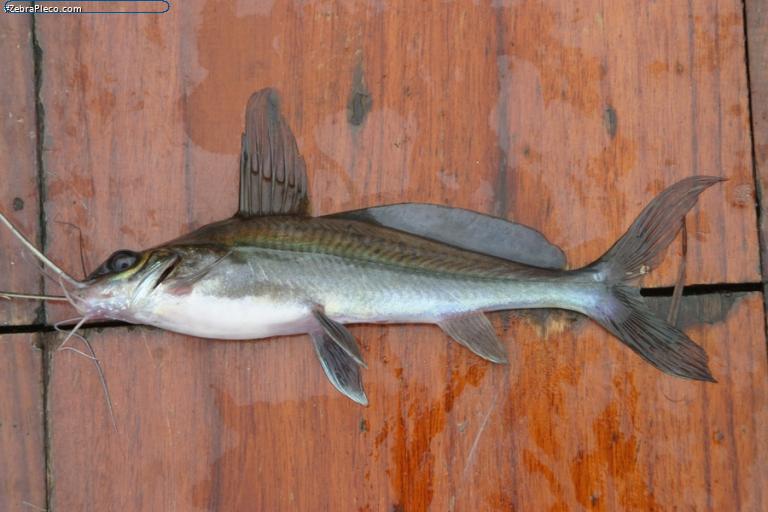
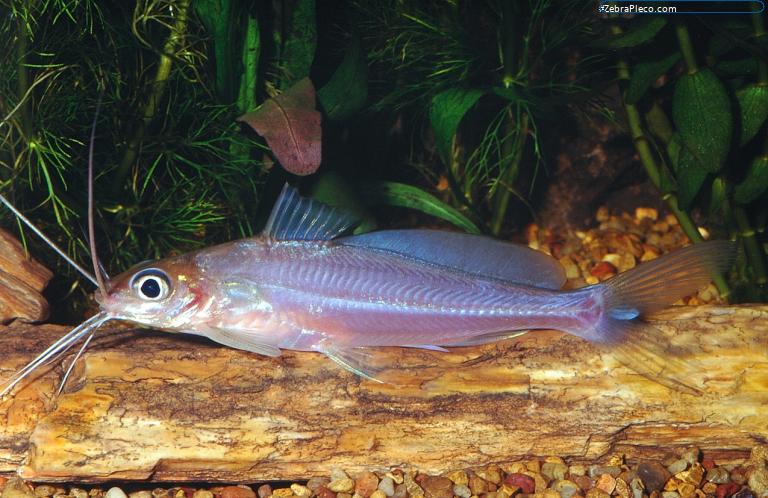
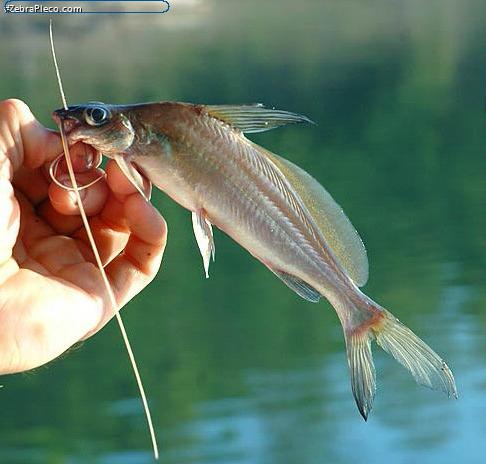
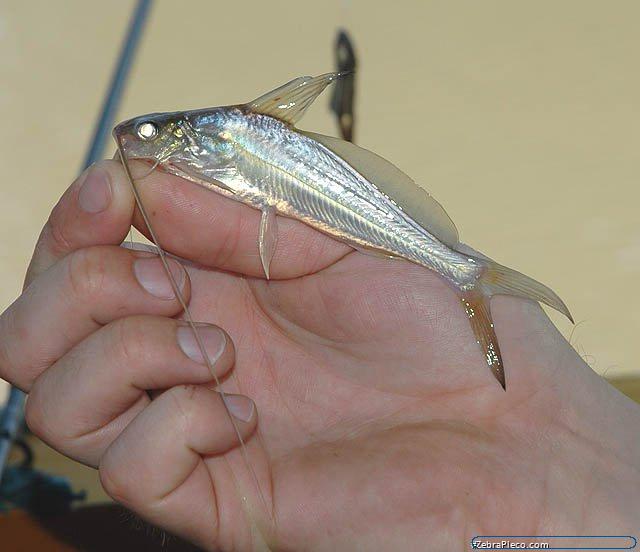
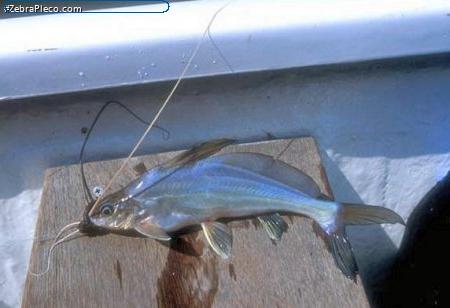
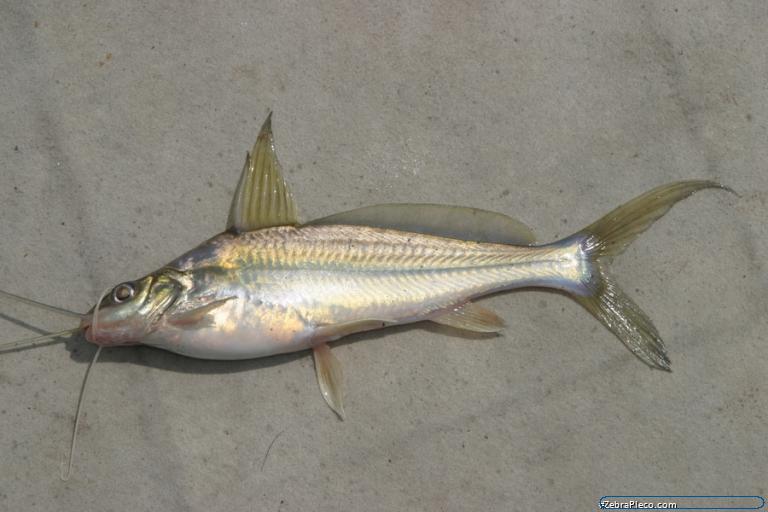
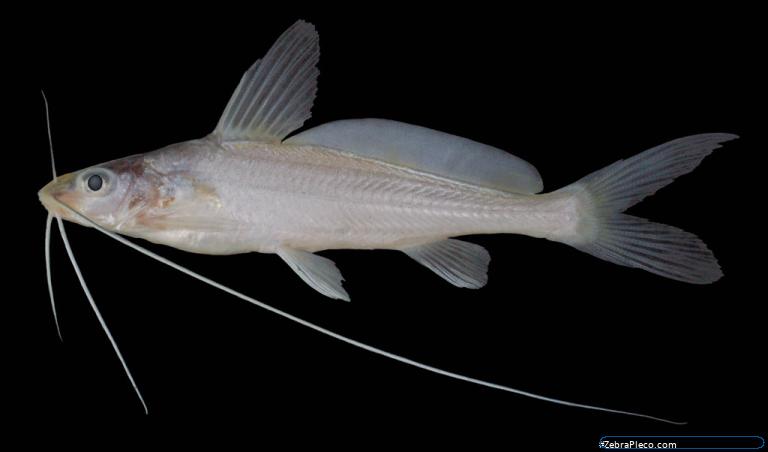
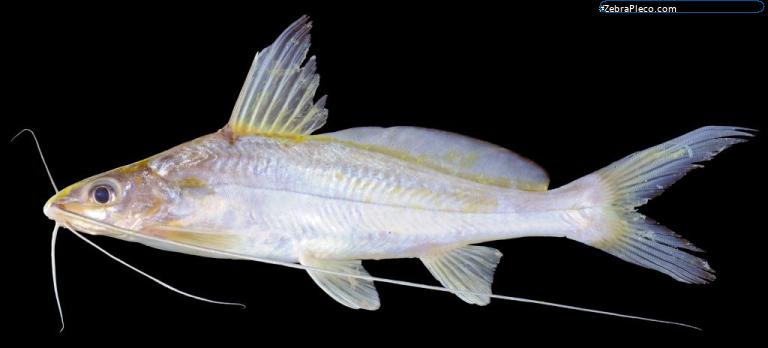
Uniform dark grey body; the adipose fin much longer than the anal fin and contiguous with the dorsal fin; very long barbels, with the maxillary barbels reaching to or beyond the caudal-fin base. Cranial fontanel extends to base of occipital process. The populations from mainland Southeast Asia (Indochina) may represent a distinct species from those on Sundaic Southeast Asia (Sumatra, Java, Borneo and the Malay Peninsula).
Sexual Dimorphism (Sexing)
Males have an elongate genital papilla in front of the anal fin.
General Remarks
Usually associated with slow-flowing, turbid waters and soft bottom. Feeds on insect larvae, zooplankton and small fishes. In the Mekong River drainage, it moves into the flooded riparian forests during periods of high water and returns to rivers during November and December.
Taxonomy, Synonyms & Etymology
Classification history, linguistic derivations and variant forms
Synonyms
Bagrus macronema, Bagrus singaringan, Hypselobagrus macronema
Pronunciation
miss tuss - sin GAH ring ern
Etymology
The generic name is probably derived from the Latin mystax, meaning moustache, in reference to the long barbels. It was first used by Scopoli in 1777 making it a very old genus that has included many catfishes from throughout the world at one time or another. The specific epithet comes from the Indoneisan name of the fish.
Literature & Resources
Scientific publications, external links and citation tools
Description Reference
Verhandelingen van het Bataviaasch Genootschap van Kunsten en Wetenschappen. v. 21 (art. 5), pp 22 [150].
External Databases
Related Searches