PAGE_HEADER
Chiloglanis igamba Friel & Vigliotta, 2011
Image Showcase
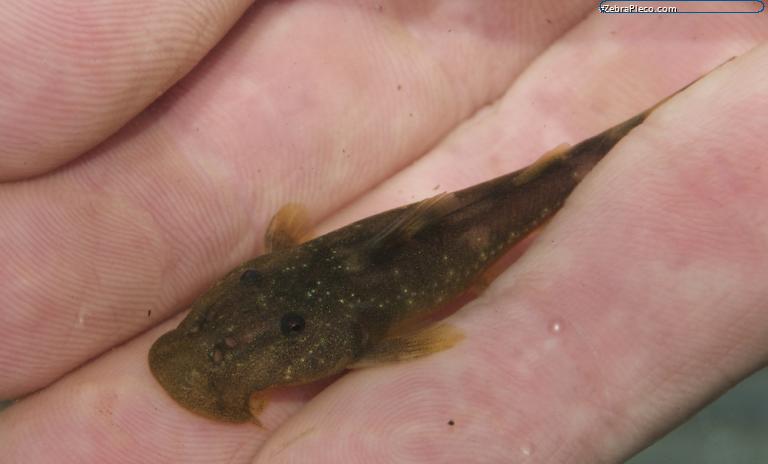
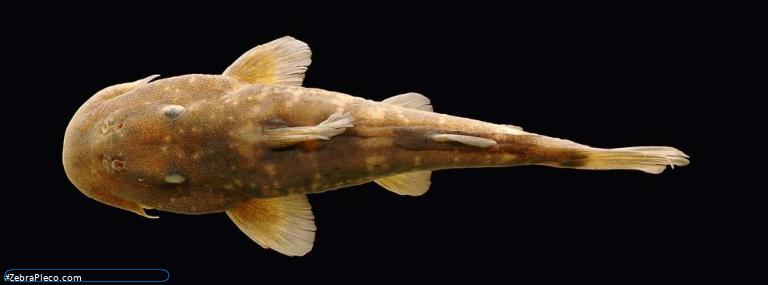
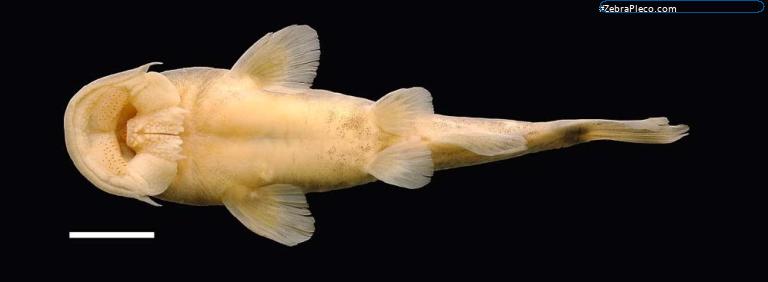
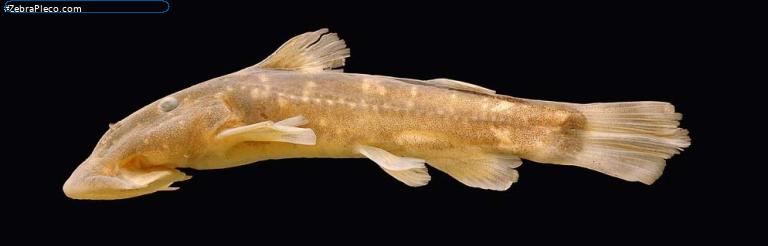
Photographs, diagnostic angles and morphological variants
Community & Keeper Tally
Member interactions, breeding records and forum mentions
Aquarium Care & Husbandry
Dietary requirements, tank setup, compatibility and breeding
Breeding Notes
Unknown
Habitat & Water Parameters
Natural distribution, biotope water conditions and temperature ranges
Geographic Distribution
Lower Malagarasi River, Tanzania.
African Waters, Western Rift Valley Lakes, Tanganyika, Malagarasi (click on these areas to find other species found there)
Login to view the map.
Species Description & Identification
Morphology, diagnostic traits and sexual dimorphism
Identification
The second largest catfish genus in Africa after Synodontis. They are characterized by jaws and lips modified into a sucker or oral disc used for adhering to and feeding upon objects in fast-flowing waters. Generally reasonably small at 100 mm SL or less. species with forked caudal fins can show sexual dimorphism and is usually species-specific. Other characteristics in this hard-to-ID genus are the size of the adipose fin, the position of the adipose fin relative to pelvic and ventral fins, size of barbels, eyes and dorsal fin. Only a handful of species are identified on colouration. They can be distinguished from other African suckermouth catfish (of the genera Euchilichthys and Atopochilus) by their circular suckermouth disc. This is more elliptical in the other two genera.
Mostly medium brown with lighter abdomen and numerous lighter spots.
Sexual Dimorphism (Sexing)
A sexually dimorphic species in which the caudal fin of adult males is relatively truncate, but with the middlemost rays moderately elongated. Females and juvenile males of this species in contrast exhibit a gently forked caudal fin.Mature males are larger than females.
Taxonomy, Synonyms & Etymology
Classification history, linguistic derivations and variant forms
Pronunciation
Kee low glan iss
Etymology
Chiloglanis: From the Greek cheilos, meaning lip, and glanis, meaning catfish; in reference to the oral morphology. The specific name refers to the type locality of this species, Igamba Falls on the Malagarasi River.
Literature & Resources
Scientific publications, external links and citation tools
Description Reference
External Databases
Related Searches