PAGE_HEADER
Chiloglanis orthodontus Friel & Vigliotta, 2011
Image Showcase
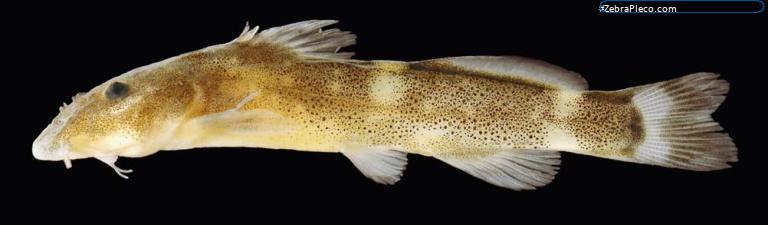
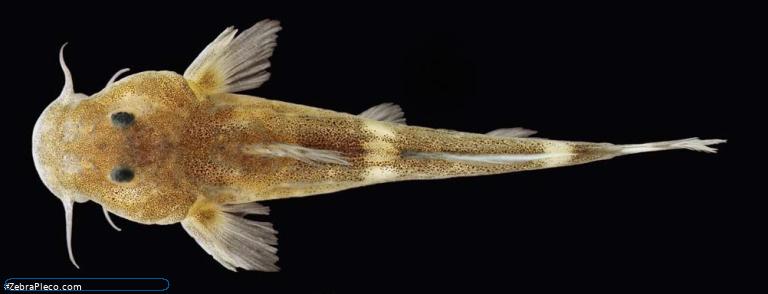
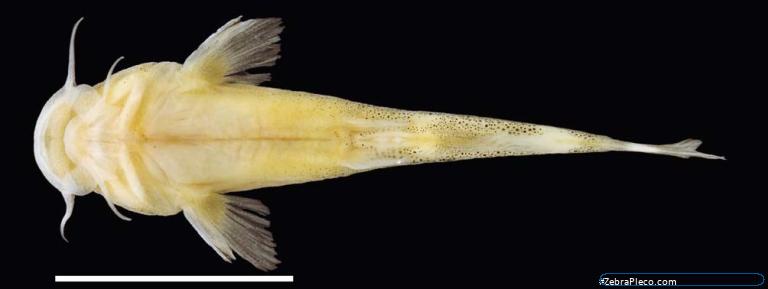
Photographs, diagnostic angles and morphological variants
Community & Keeper Tally
Member interactions, breeding records and forum mentions
Aquarium Care & Husbandry
Dietary requirements, tank setup, compatibility and breeding
Breeding Notes
Unknown.
Habitat & Water Parameters
Natural distribution, biotope water conditions and temperature ranges
Geographic Distribution
Lower Malagarasi River, Tanzania.
African Waters, Western Rift Valley Lakes, Tanganyika, Malagarasi (click on these areas to find other species found there)
Login to view the map.
Species Description & Identification
Morphology, diagnostic traits and sexual dimorphism
Identification
The second largest catfish genus in Africa after Synodontis. They are characterized by jaws and lips modified into a sucker or oral disc used for adhering to and feeding upon objects in fast-flowing waters. Generally reasonably small at 100 mm SL or less. species with forked caudal fins can show sexual dimorphism and is usually species-specific. Other characteristics in this hard-to-ID genus are the size of the adipose fin, the position of the adipose fin relative to pelvic and ventral fins, size of barbels, eyes and dorsal fin. Only a handful of species are identified on colouration. They can be distinguished from other African suckermouth catfish (of the genera Euchilichthys and Atopochilus) by their circular suckermouth disc. This is more elliptical in the other two genera.
mostly medium brown with lighter abdomen and set of lighter spots. Lighter spot at origin of adipose fin, above lateral line only and separated from dorsal spot by thin line of pigment. Lighter
spot at terminus of adipose fin continuous with dorsal spot, extending more or less to ventral midline, but with notable pigmentation along lateral line. Additional lighter spot present below lateral line at origin of anal fin.
Sexual Dimorphism (Sexing)
No apparent sexual dimorphism in shape or size of fins, body ornamentation, or tuberculation of skin.
Taxonomy, Synonyms & Etymology
Classification history, linguistic derivations and variant forms
Pronunciation
Kee low glan iss - or tho don tuss
Etymology
Chiloglanis: From the Greek cheilos, meaning lip, and glanis, meaning catfish; in reference to the oral morphology. A combination of the Greek word orthos, meaning straight or erect, and the Greek word odontos, meaning tooth. Refers to the mandibular dentition in this species, which is relatively straight and evenly spread across the dentary as compared to most other members of the genus. Used as a noun in apposition.
Literature & Resources
Scientific publications, external links and citation tools
Description Reference
External Databases
Related Searches