PAGE_HEADER
Micropterus salmoides (Lacepède, 1802)
Image Showcase
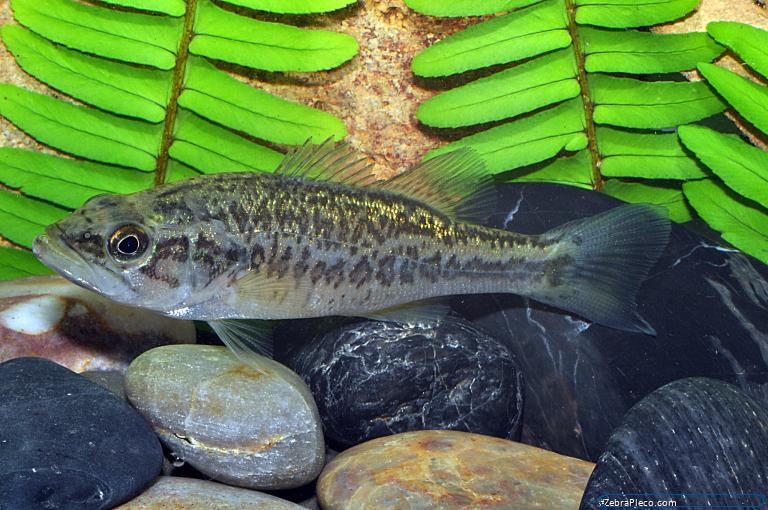
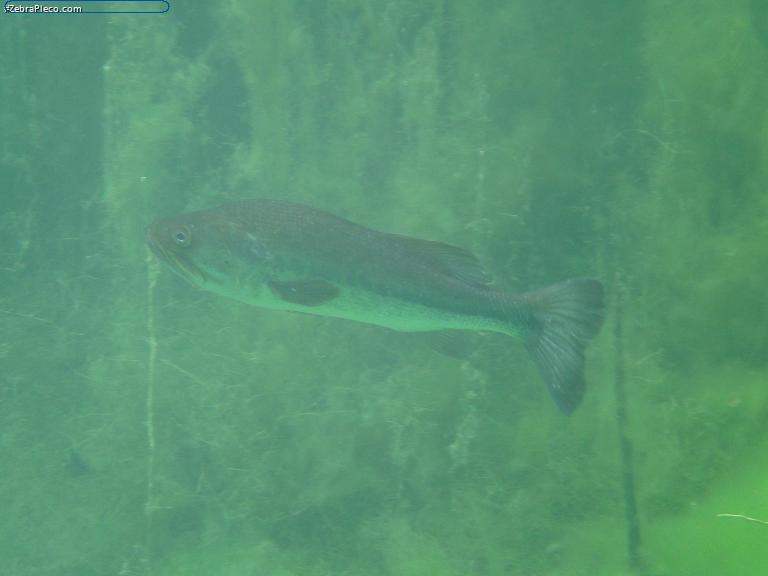
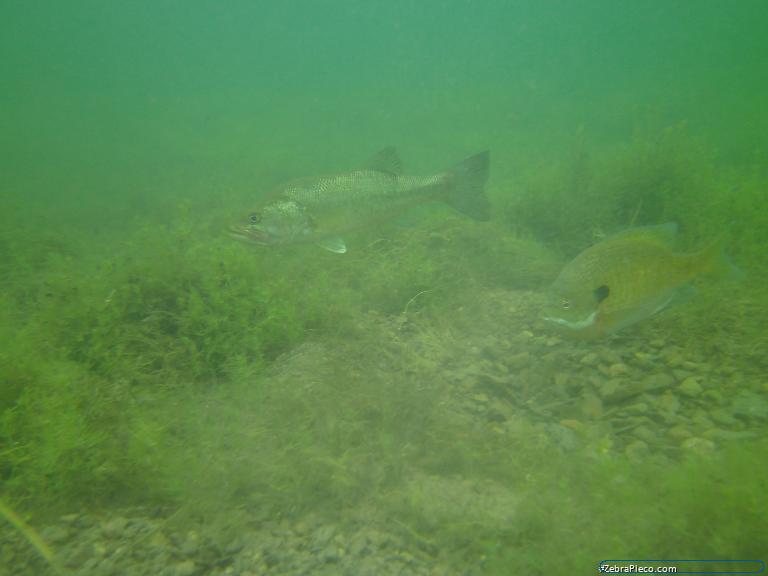
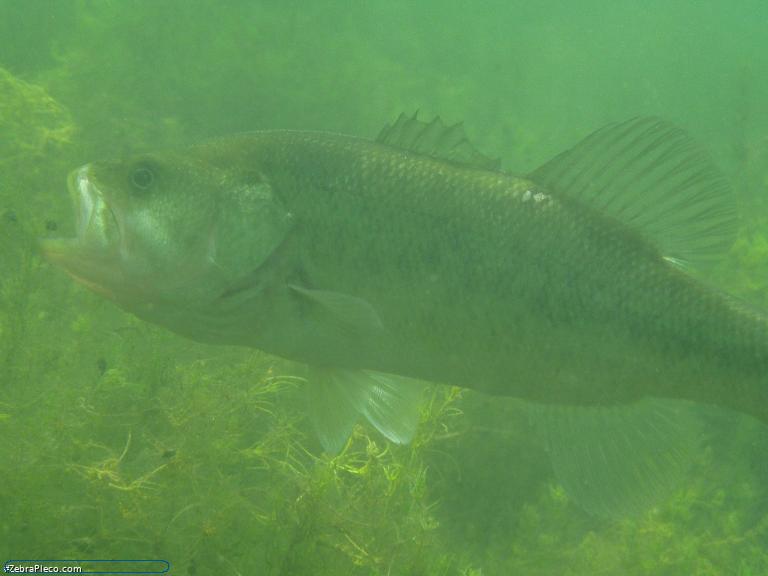
Photographs, diagnostic angles and morphological variants
Community & Keeper Tally
Member interactions, breeding records and forum mentions
Aquarium Care & Husbandry
Dietary requirements, tank setup, compatibility and breeding
Feeding & Diet
Omnivorous with much stronger carnivorous tendencies. Feed juveniles brine shrimp, bloodworms, and small pieces of supermarket shrimp. Feed adults whole supermarket shrimp, entire cubes of bloodworms or brine shrimp, and minnows. Many will also learn to eat dry pellets, but not all will. [View Member Food Stats]
Compatibility & Suggested Tankmates
Tankmates: Only house with tankmates that are of similar size and temperament. Good tankmates include other black basses, larger sunfish, black and white Crappies, bullhead Catfish, and channel catfish.
Breeding Notes
No member of this genus has been bred in the aquarium.
Habitat & Water Parameters
Natural distribution, biotope water conditions and temperature ranges
Geographic Distribution
North America: St. Lawrence - Great Lakes, Hudson Bay (Red River), and Mississippi River basins; Atlantic drainages from North Carolina to Florida and to northern Mexico. The species has been introduced widely as a game fish and is now cosmopolitan. Several countries report adverse ecological impact after introduction.
Taxonomy, Synonyms & Etymology
Classification history, linguistic derivations and variant forms
Synonyms
Aplites salmoides, Grystes megastoma, Grystes nigricans, Grystes nobilis, Grystes salmoides, Huro nigricans, Huro salmoides, Labrus salmoides, Micropterus salmoides salmoides, Perca nigricans, Pikea sericea
Pronunciation
My crop ter uss - Sal moy dees
Etymology
From the Greek micro (small) and pteron (fin or wing). The specific epithet is also from the Greek meaning trout like.
Literature & Resources
Scientific publications, external links and citation tools
Description Reference
Histoire naturelle des poissons (Lacepède) v. 4, pp 716, 717, Pl. 5 (fig. 2).
External Databases
Related Searches