PAGE_HEADER
Lithodoras dorsalis (Valenciennes, 1840)
Image Showcase
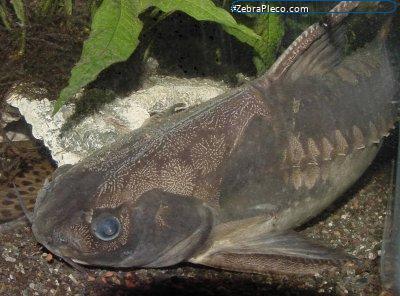
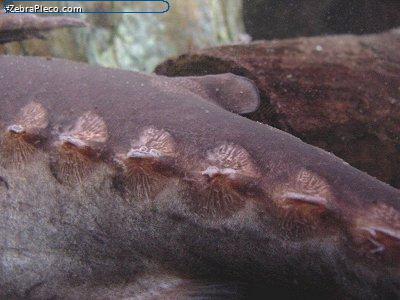
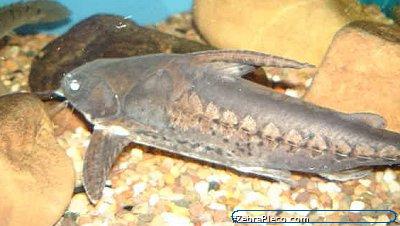
Photographs, diagnostic angles and morphological variants



Community & Keeper Tally
Member interactions, breeding records and forum mentions
Aquarium Care & Husbandry
Dietary requirements, tank setup, compatibility and breeding
Feeding & Diet
Feeds on fruits when the forests are flooded and on the blades of macrophytes. Acts as seed dispersal agent. [View Member Food Stats]
Breeding Notes
Unreported. Reproduction occurs once a year and juveniles are often seen in large numbers in the estuary of the Amazon, in the region of Mario.
Habitat & Water Parameters
Natural distribution, biotope water conditions and temperature ranges
Geographic Distribution
South America: Amazon River basin and estuary near Cayenne, French Guiana.
Amazon (click on these areas to find other species found there)
Login to view the map.
Species Description & Identification
Morphology, diagnostic traits and sexual dimorphism
Identification
Body elongated, without scales, almost covered with bony plaque, ventrally flattened in adults. Terminal mouth has three pairs of barbels. Lower jaw is shorter than the upper jaw. Eyes small.
General Remarks
The size given is based on a dried specimen the author encountered in South America, the fish may well attain larger sizes.
Taxonomy, Synonyms & Etymology
Classification history, linguistic derivations and variant forms
Synonyms
Doras dorsalis, Doras lithogaster, Doras papillionatus, Megalodoras pauciquamatus, Megalodoras paucisquamatus
Etymology
Lithodoras: From the Greek lithos, meaning rock, and doras, meaning skin (also a word commonly used in forming generic names for doradids); in reference to the heavily-armored body.
There are 4 other speciesGlyptothorax dorsalis
Proliobagrus dorsalis
Puntius dorsalis
Triplophysa dorsalis with this specific name.
Literature & Resources
Scientific publications, external links and citation tools
Description Reference
Histoire naturelle des poissons v. 15 pp284 .
External Databases
Related Searches