PAGE_HEADER
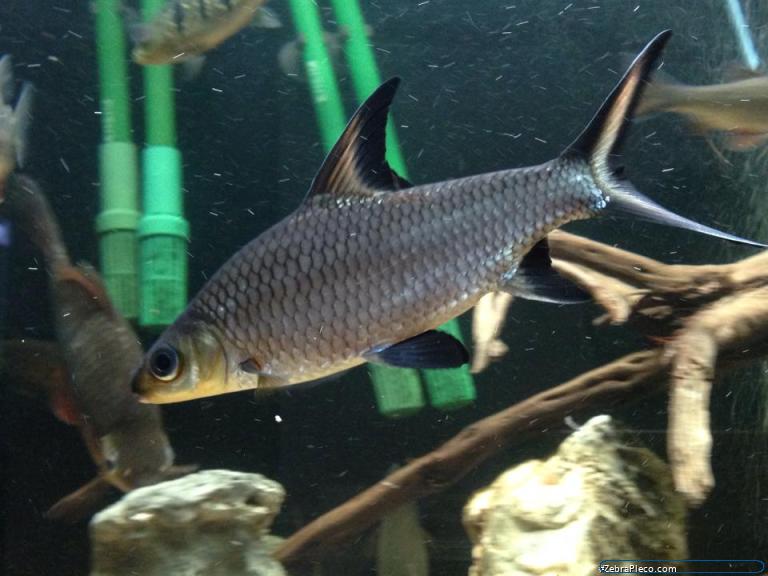
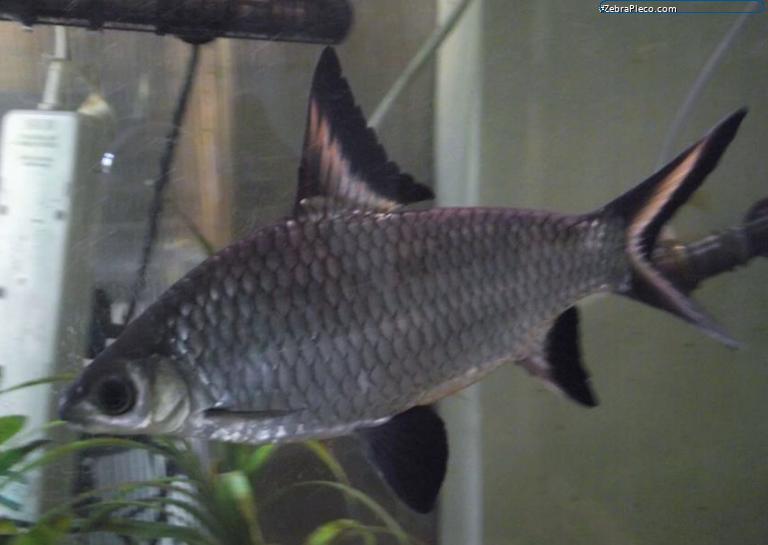
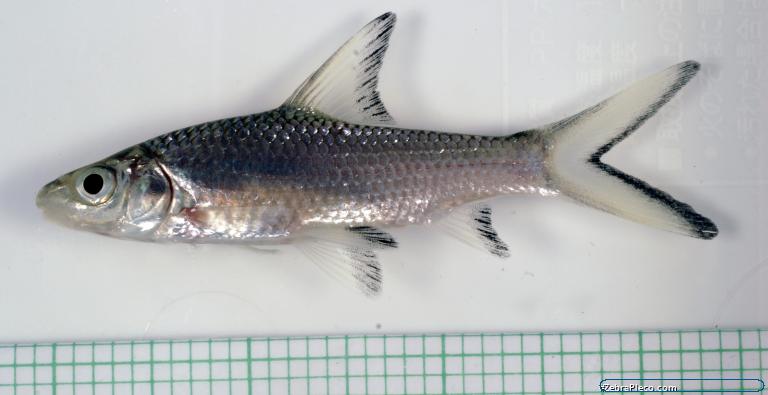
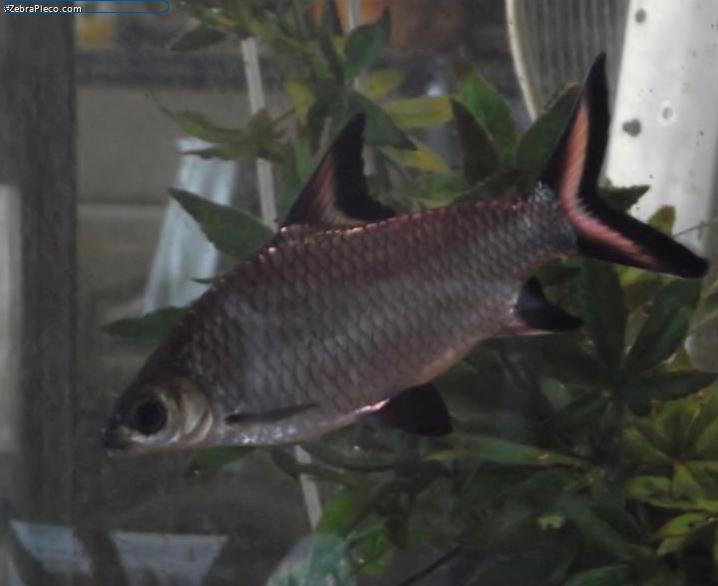
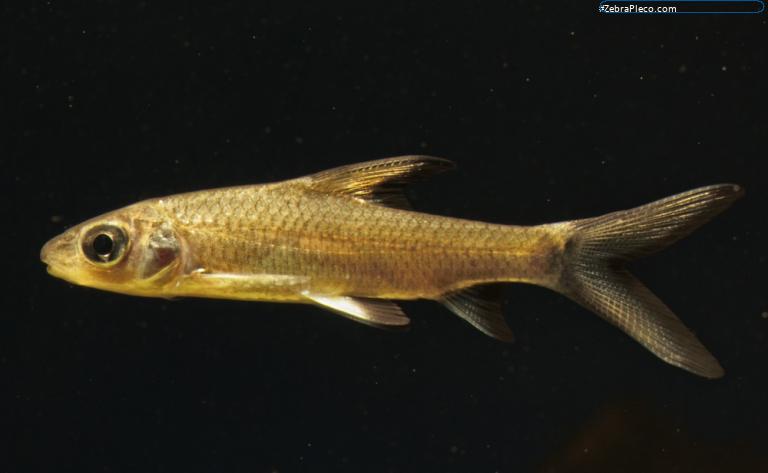
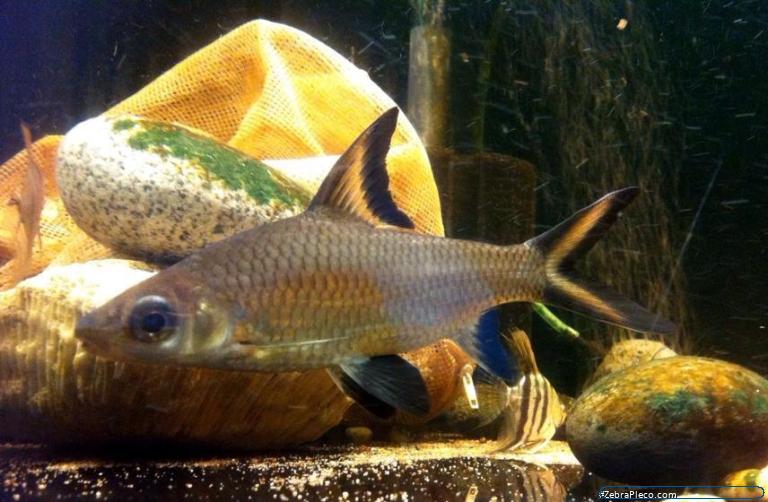
Balantiocheilos melanopterus (Bleeker, 1850)
Image Showcase
Photographs, diagnostic angles and morphological variants
Community & Keeper Tally
Member interactions, breeding records and forum mentions
Aquarium Care & Husbandry
Dietary requirements, tank setup, compatibility and breeding
Feeding & Diet
Will accept a wide range of foods in all areas of the water column. Flake food is a good staple and frozen bloodworm a weekly bonus. [View Member Food Stats]
Aquarium Furniture & Decor
Requires open swimming space. Wood or rockwork can be added but will really only benefit other fishes in the aquarium.
Compatibility & Suggested Tankmates
Peaceful and not predatory. Should be kept in a shoal of at least six. Safe with fishes even down to a fraction of its size.
Tankmates: A fantastic middle water fish for larger display tanks. Perhaps the ideal dither fish for a clown loach tank because of their comparable sizes. Works well with pretty much any other active fish such as barbs, larger characins and many larger catfishes.
Breeding Notes
No member of this genus has been bred in the aquarium.
Habitat & Water Parameters
Natural distribution, biotope water conditions and temperature ranges
Geographic Distribution
Asia: Mekong and Chao Phraya basins, Malay Peninsula, Sumatra and Borneo. Becoming rare or extinct in many river basins.
Pacific, Greater Sunda Island Rivers, Borneo Waters (click on these areas to find other species found there)
Thailand Waters, Chao Praya (click on these areas to find other species found there)
Mekong (click on these areas to find other species found there)
Pacific, Malaysia Waters, Peninsular Malaysia Waters (click on these areas to find other species found there)
Pacific, Greater Sunda Island Rivers, Sumatra Waters (click on these areas to find other species found there)
Login to view the map.
Species Description & Identification
Morphology, diagnostic traits and sexual dimorphism
Sexual Dimorphism (Sexing)
Females, beyond the size of about 3"/8cm SL, females are obvious by being much more robust in the middle body.
General Remarks
Endangered in the wild, all species in the aquarium trade are farm raised. Usually found for sale at around a 2"/5cm in size but will steadily grow to six times this size. At this size a group will need a tank width of at least 24"/60cm and length of 72"/180cm. At all sizes, and especially in cramped conditions, this fish will jump out of the water; a lid is essential.
Taxonomy, Synonyms & Etymology
Classification history, linguistic derivations and variant forms
Synonyms
Balantiocheilus melanopterus, Barbus melanopterus, Puntius melanopterus
Pronunciation
bah lan tee chee los - mel an oh terr us
Etymology
The specific epithet means black (melan) fins (pterus).
There are 4 other speciesGagata melanopterus
Imparfinis melanopterus
Synodontis melanopterus
Xyliphius melanopterus with this specific name.
Literature & Resources
Scientific publications, external links and citation tools
Description Reference
Natuurkundig Tijdschrift voor Nederlandsch Indië v. 1 (no. 1), pp 11.
External Databases
Related Searches