PAGE_HEADER
Conta pectinata Ng, 2005
Image Showcase
Photographs, diagnostic angles and morphological variants
Community & Keeper Tally
Member interactions, breeding records and forum mentions
Aquarium Care & Husbandry
Dietary requirements, tank setup, compatibility and breeding
Compatibility & Suggested Tankmates
Tankmates: Other species collected in the same habitat include Aborichthys elongatus, Acanthocobitis botia, Amblyceps mangois, Barilius barna, B. bendelisis, Balitora brucei, Botia rostrata, Chanda nama, Crossocheilus latius, Garra annandalei, G. gotyla, Neolissochilus hexagonolepis, Pseudolaguvia shawi, Psilorhynchus balitora, Puntius ticto, Schistura savona and Tor tor.
Breeding Notes
No member of this genus has been bred in the aquarium.
Habitat & Water Parameters
Natural distribution, biotope water conditions and temperature ranges
Geographic Distribution
Asia: Brahmaputra River drainage in Assam, India.
Indian waters, Arunachal Pradesh State Waters (click on these areas to find other species found there)
Indian waters, Assam State Waters (click on these areas to find other species found there)
Indian waters, North Eastern India Waters, Padma, Jamuna, Brahmaputra (click on these areas to find other species found there)
Indian waters, North Eastern India Waters (click on these areas to find other species found there)
Login to view the map.
Species Description & Identification
Morphology, diagnostic traits and sexual dimorphism
Identification
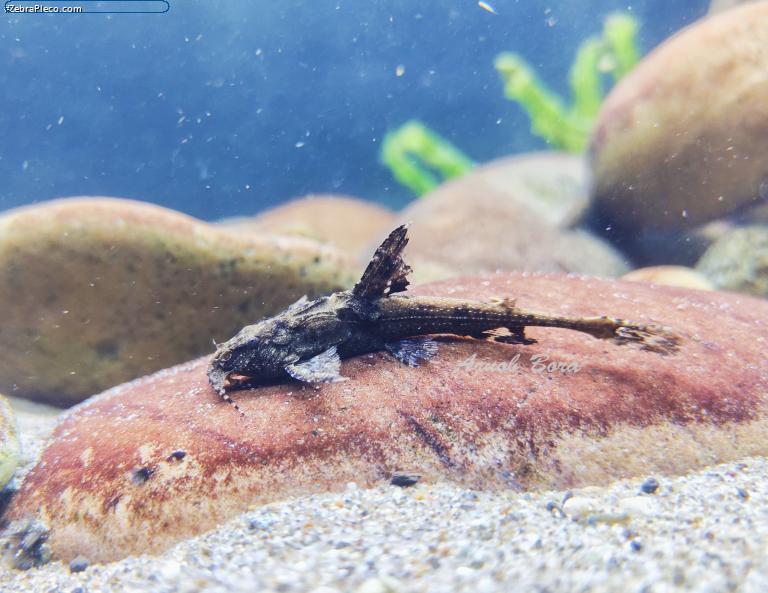
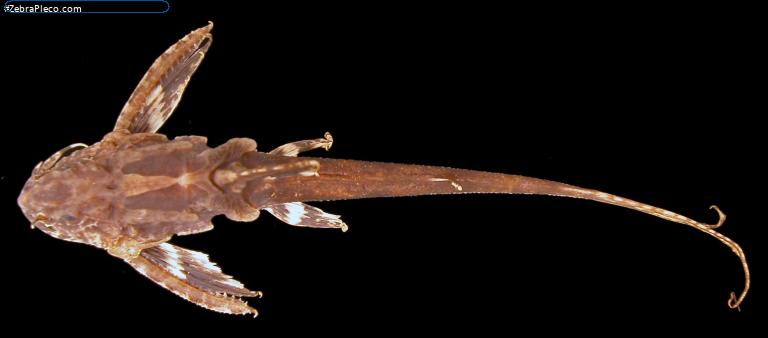
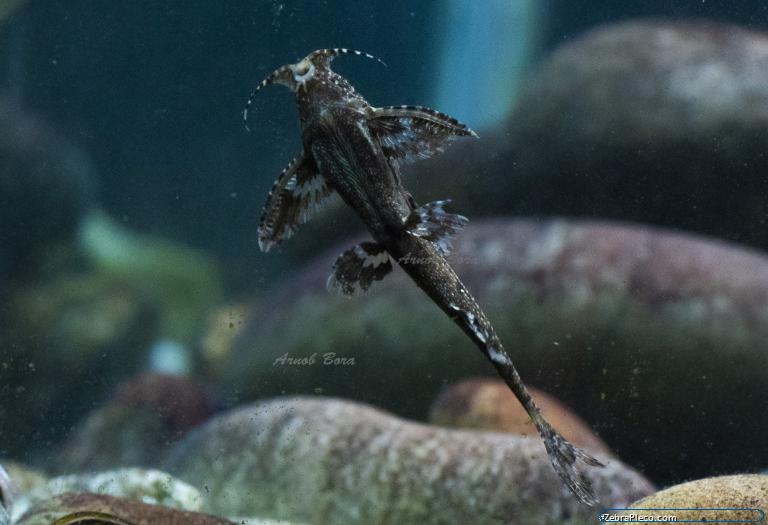
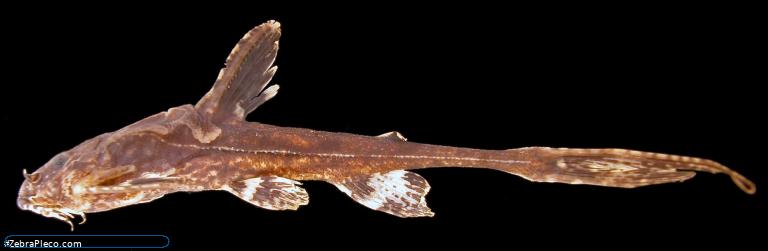
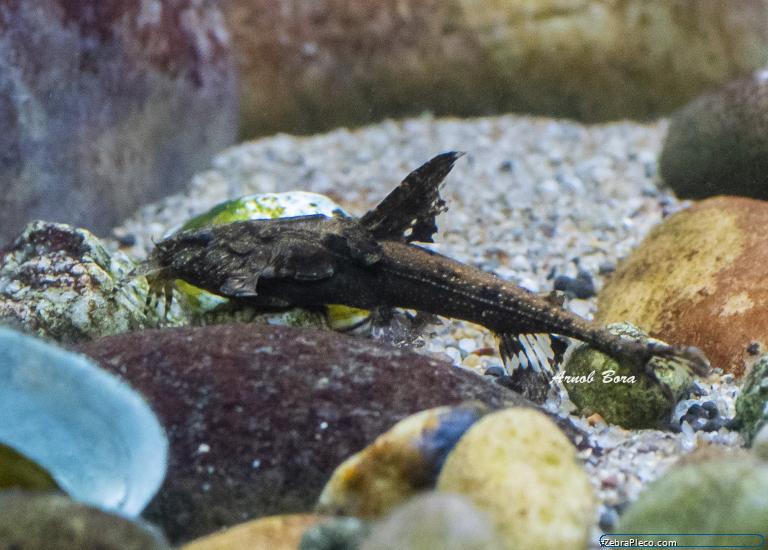
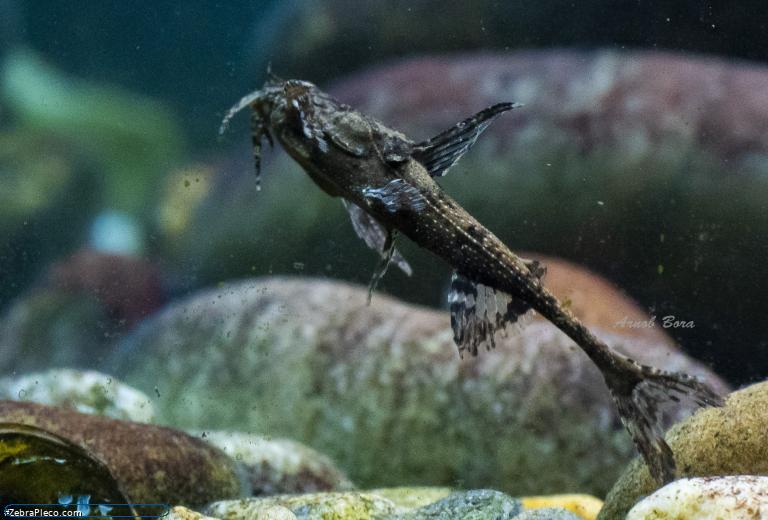
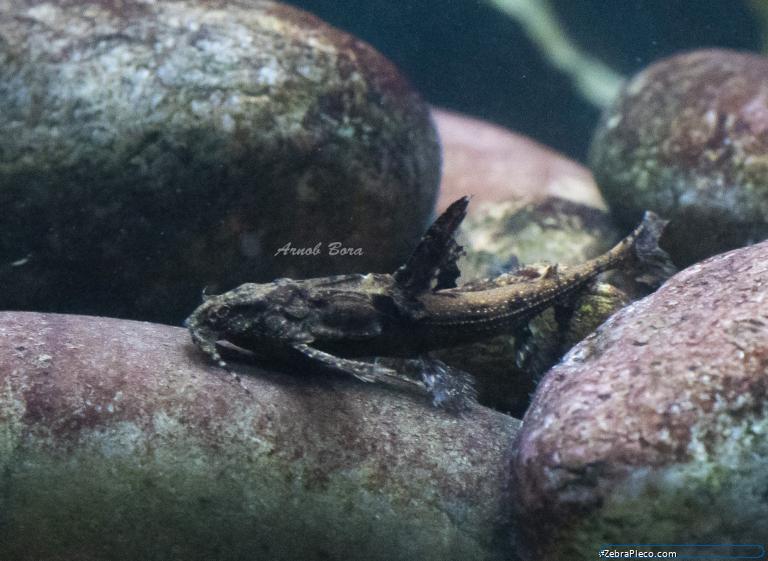
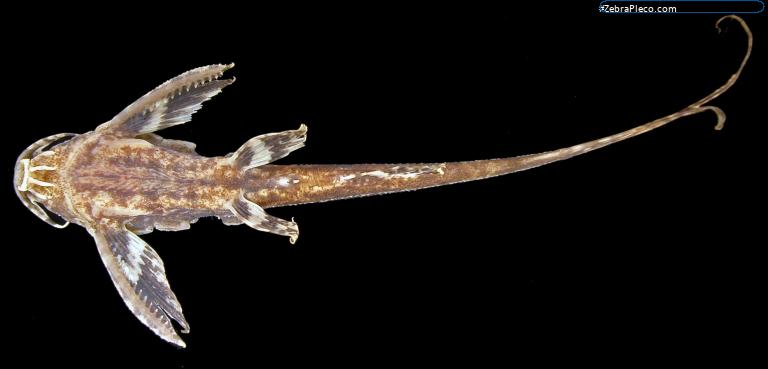
Conta can be distinguished from all other erethistids by the presence of a very long and narrow adhesive apparatus on its thorax about six times as it is long. It also has extremely narrow gill openings, a slender body, a serrated anterior margin on the dorsal fin spine, a papillate upper lip, and 9–10 anal fin rays. The eyes are small and located dorsolaterally.There is villiform (brush-like) teeth in both jaws. The pectoral fin spine is serrated anteriorly and posteriorly.
Conta pectinata differs from C. conta in having anteriorly-directed (vs. distally-directed) serrations on the anterior margin of the pectoral spine, and having a longer (24.6–25.6% SL vs. 21.9–23.4) and more slender (2.6–2.8% SL vs. 3.9–4.4) caudal peduncle.
Taxonomy, Synonyms & Etymology
Classification history, linguistic derivations and variant forms
Pronunciation
kon tah - peck tee naa taa
Etymology
There is 1 other speciesPristis pectinata with this specific name.
Literature & Resources
Scientific publications, external links and citation tools
Literature & References
External Databases
Related Searches