PAGE_HEADER
Hypoptopoma elongatum Aquino & Schaefer, 2010
Image Showcase
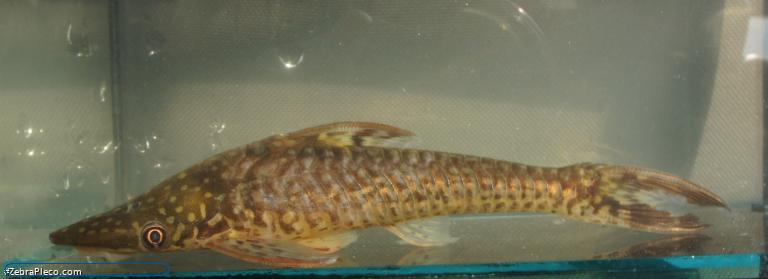
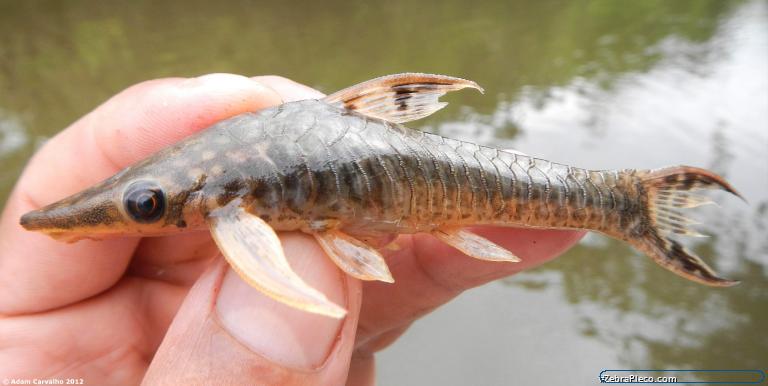
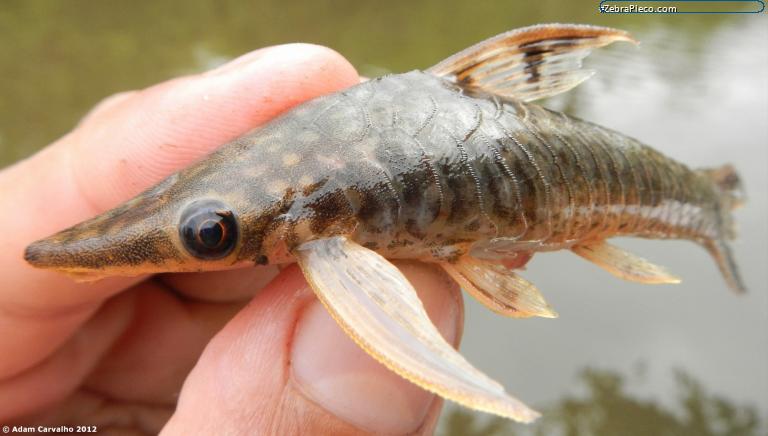
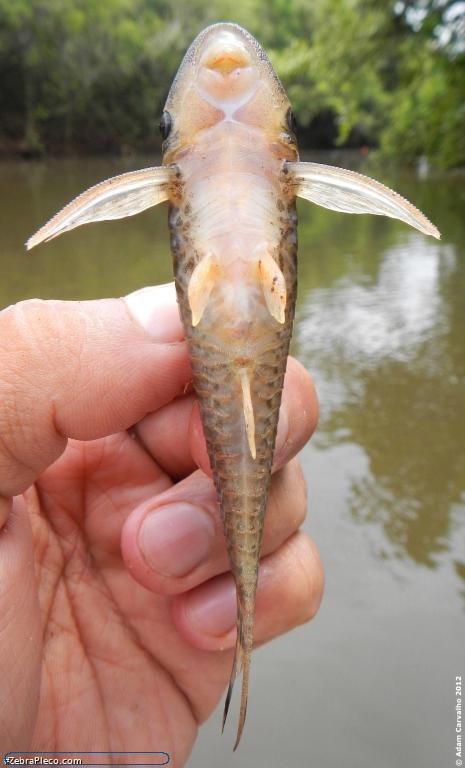
Photographs, diagnostic angles and morphological variants
Community & Keeper Tally
Member interactions, breeding records and forum mentions
Aquarium Care & Husbandry
Dietary requirements, tank setup, compatibility and breeding
Breeding Notes
Has been bred in the aquarium.
Habitat & Water Parameters
Natural distribution, biotope water conditions and temperature ranges
Geographic Distribution
Lower Rio Tapajos and lower Rio Trombetas, Brazil.
Amazon, Lower Amazon, Tapajós, Lower Tapajós (click on these areas to find other species found there)
Amazon, Lower Amazon, Trombetas, Lower Trombetas (click on these areas to find other species found there)
Login to view the map.
Species Description & Identification
Morphology, diagnostic traits and sexual dimorphism
Identification
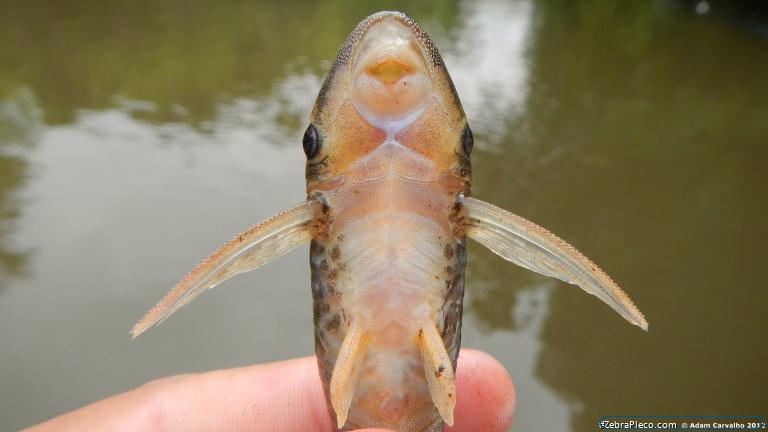
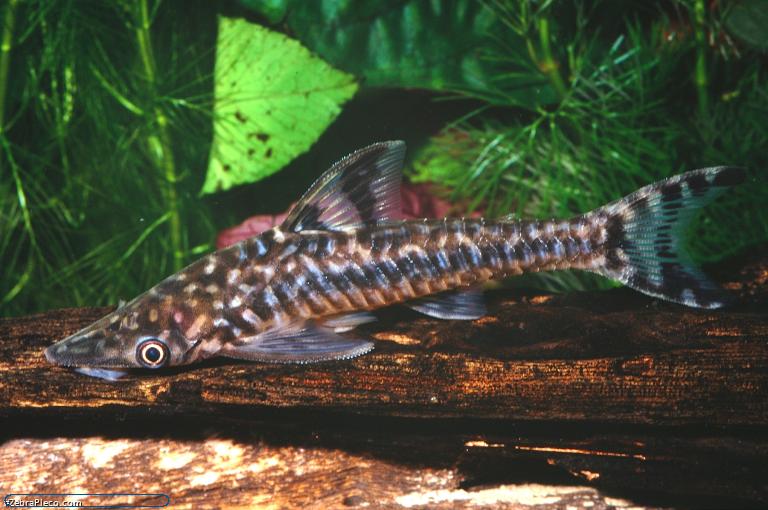
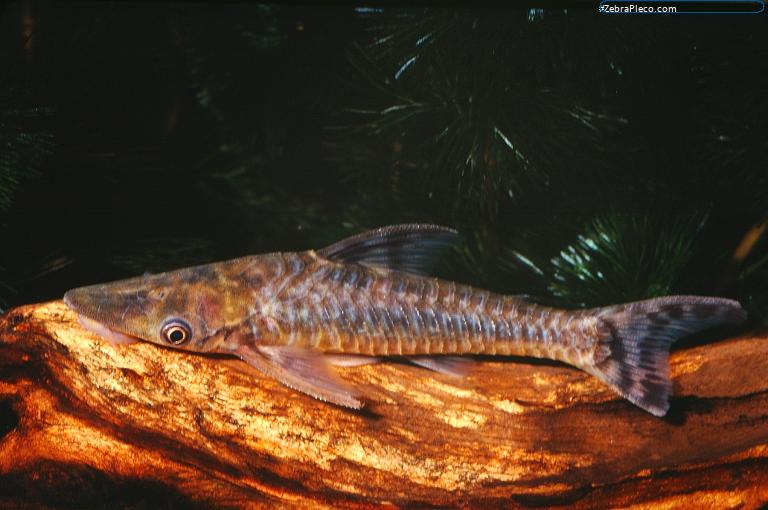
Hypoptopoma are small(ish) loricariids with a stocky body with a wide, flattened, head with the eyes on the side of the head and a concave profile, with a normal (not extremely thin) tail.
A non-pigmented band around the head is unique in the species of the Hypoptoptoma genus known in Aquino & Shaefer's 2010 revision (link in reference).
Taxonomy, Synonyms & Etymology
Classification history, linguistic derivations and variant forms
Pronunciation
hi POP toe po mah
Etymology
Hypoptopoma is derived from hypos (low position, below). piptein (depressed). poma (cheek) The specific epithet elongatum (Latin: elongatus, meaning "prolonged") is a reference to the elongated general shape of the body, particularly marked at the tip of snout, caudal peduncle, and caudal fin.
Literature & Resources
Scientific publications, external links and citation tools
Description Reference
Bulletin of the American Museum of Natural History No. 336, pp 67, Figs. 35.
External Databases
Related Searches