
PAGE_HEADER
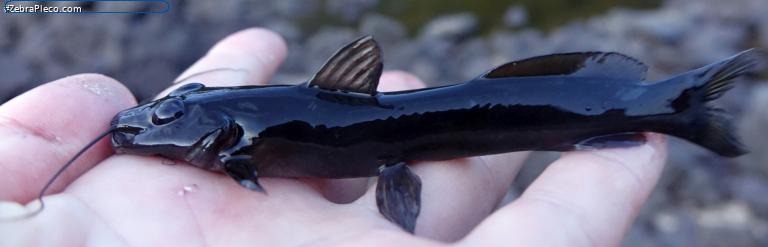
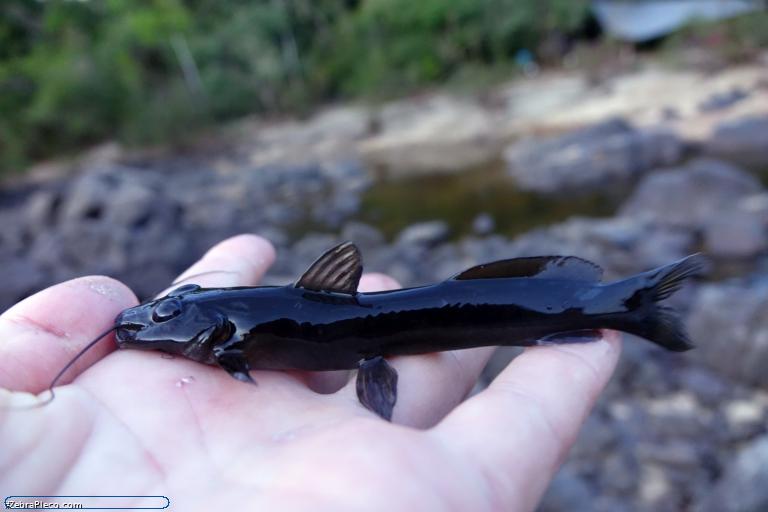
Leptorhamdia essequibensis (Eigenmann, 1912)
Image Showcase
Photographs, diagnostic angles and morphological variants
Community & Keeper Tally
Member interactions, breeding records and forum mentions
Aquarium Care & Husbandry
Dietary requirements, tank setup, compatibility and breeding
Breeding Notes
No member of this genus has been bred in the aquarium.
Habitat & Water Parameters
Natural distribution, biotope water conditions and temperature ranges
Geographic Distribution
South America: Essequibo and lower Tocantins River basins.
Guyana Waters, Coastal Rivers of Guyanas, Essequibo (click on these areas to find other species found there)
Amazon, Lower Amazon, Tocantins (click on these areas to find other species found there)
Login to view the map.
Taxonomy, Synonyms & Etymology
Classification history, linguistic derivations and variant forms
Synonyms
Leptoglanis essequibensis, Myoglanis essequibensis
Pronunciation
lep toh ram dee ah.
Etymology
Leptorhamdia: From the Greek leptós, meaning thin, and Rhamdia, a related genus (often used in forming generic names for Heptapterids); in reference to the slender body shape.
Literature & Resources
Scientific publications, external links and citation tools
Description Reference
Memoirs of the Carnegie Museum v. 5 (no. 1), pp58, Pl. 13 (fig. 2).
External Databases
Related Searches

