PAGE_HEADER
Batasio sharavatiensis Bhatt & Jayaram, 2004
Image Showcase
Photographs, diagnostic angles and morphological variants


Community & Keeper Tally
Member interactions, breeding records and forum mentions
Aquarium Care & Husbandry
Dietary requirements, tank setup, compatibility and breeding
Feeding & Diet
Is known to take processed food but prefers live food like blood worms, frozen brine shrimp etc. Needs sometime to gradually get weaned off live foods. Spot feeding will help in case tank mates are voracious feeders. [View Member Food Stats]
Aquarium Furniture & Decor
Fine sand for the bottom and smooth pebbles / rocks. Cover / hiding spots can be created with either plants or wood.
Compatibility & Suggested Tankmates
A peaceful species suitable for a hillstream biotope.
Tankmates: Peaceful Cyprinids like Puntius or Oreichthys and Balitorine loaches like Schistura or Nemacheilus species.
Breeding Notes
No member of this genus has been bred in the aquarium.
Habitat & Water Parameters
Natural distribution, biotope water conditions and temperature ranges
Geographic Distribution
Asia: River Sharavati in Karnataka, India.
Indian waters, Karnataka State Waters (click on these areas to find other species found there)
Indian waters, Western Ghats Waters, Sharavati (click on these areas to find other species found there)
Indian waters, Andhra Pradesh State Waters, Krishna, Tungabhadra, Tunga (click on these areas to find other species found there)
Indian waters, Western Ghats Waters (click on these areas to find other species found there)
Login to view the map.
Species Description & Identification
Morphology, diagnostic traits and sexual dimorphism
Identification
The bagrid genus Batasio Blyth comprises of small, laterally compressed catfishes distributed in South and Southeast Asia, diagnosed from its confamilials in having large sensory pores on the head, a narrow mental region, a pair of posteriorly-directed processes on the anterior part of vomer, a transversely-elongated bar-like entopterygoid, and the metapterygoid in close contact with the quadrate but free from the hyomandibular (Mo, 1991).
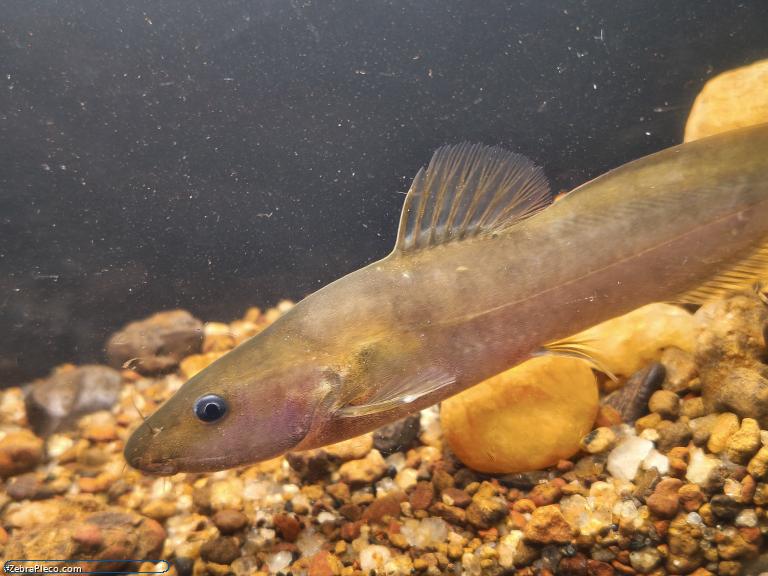
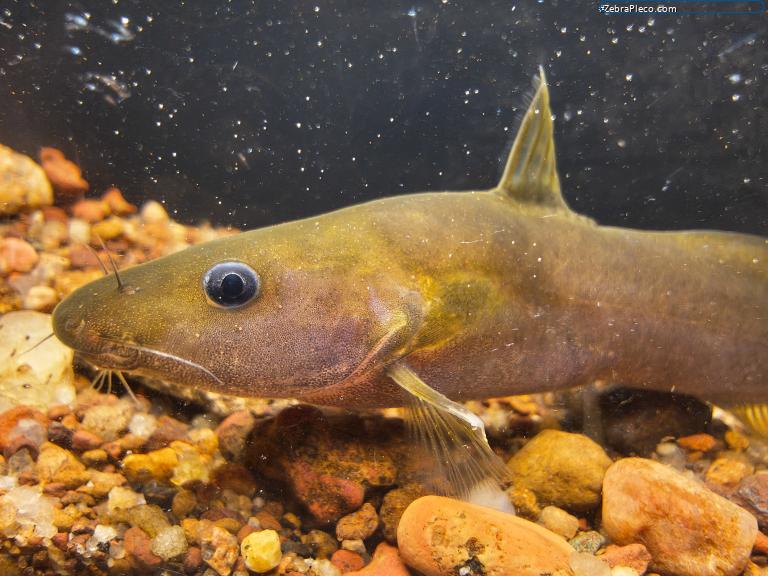
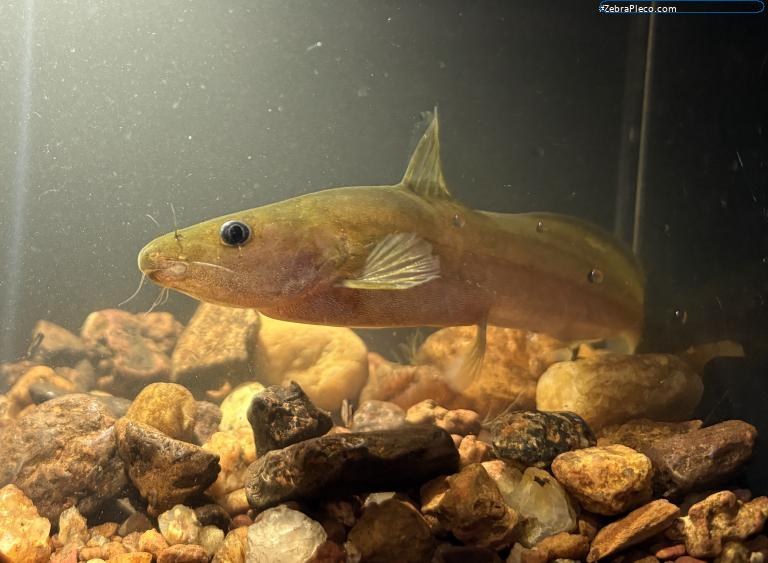
Batasio sharavatiensis is differentiated from its congeners by the absence of stripes or spots and an adipose fin that is almost confluent with the caudal fin but for a narrow notch.
Sexual Dimorphism (Sexing)
Not known.
General Remarks
Not exported for the trade as yet.
Taxonomy, Synonyms & Etymology
Classification history, linguistic derivations and variant forms
Pronunciation
bah tah see oh - sha raa va thee en sis
Etymology
The genus name comes from the local (Bengali) name of the fish (batasio or batashi). This species is named after its type locality, the Sharavati River.
Literature & Resources
Scientific publications, external links and citation tools
Literature & References
External Databases
Related Searches