PAGE_HEADER
Dekeyseria picta (Kner, 1854)
Image Showcase
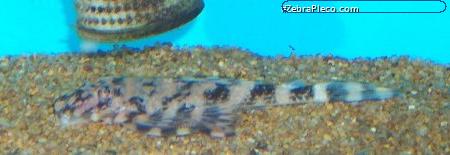
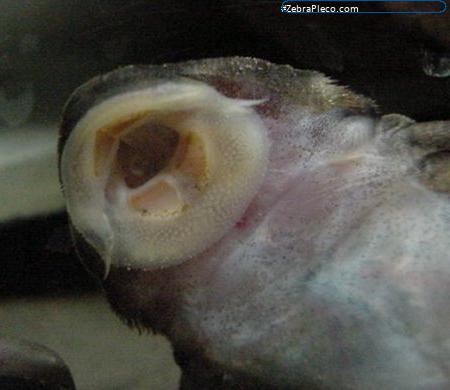
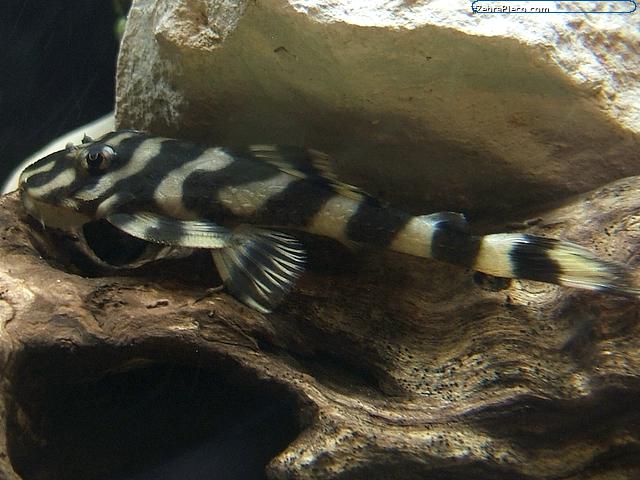
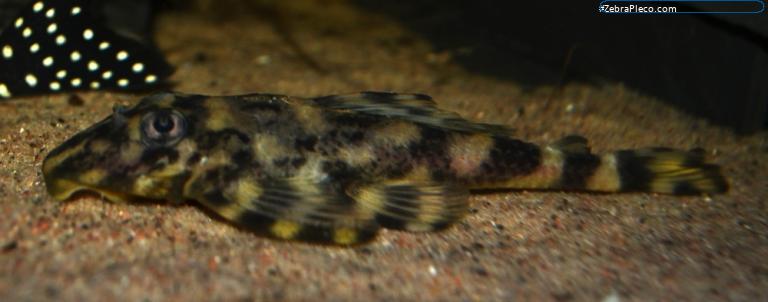
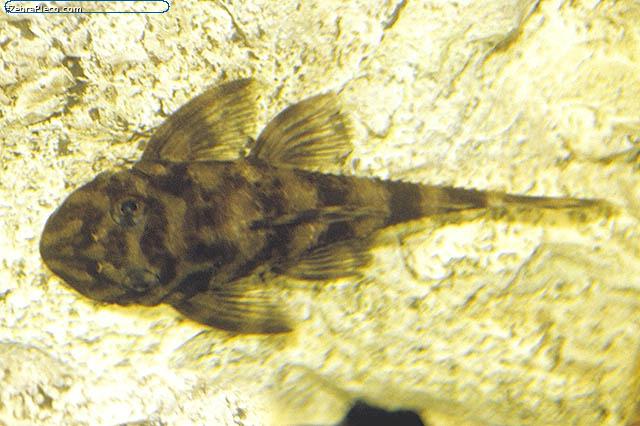
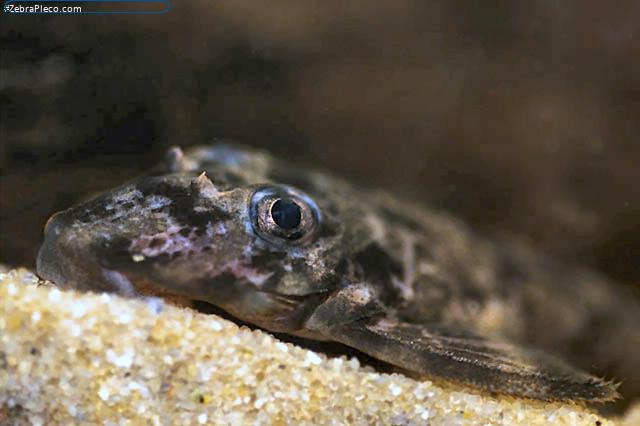
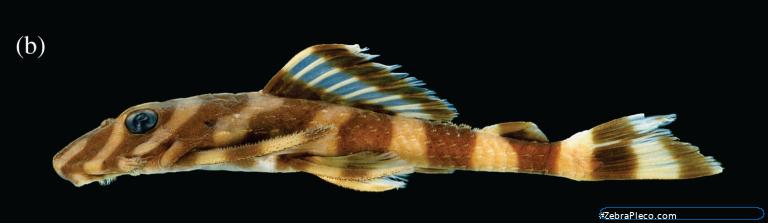
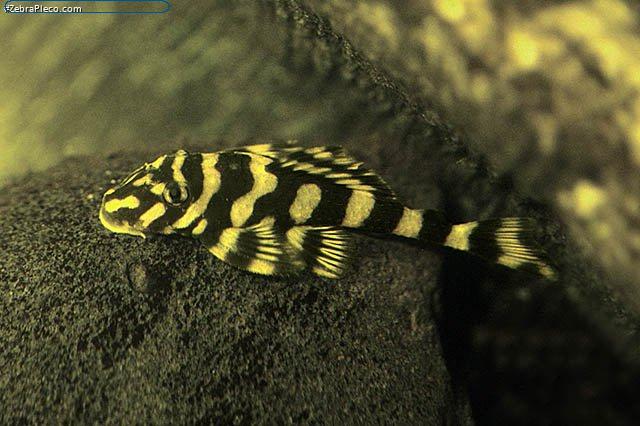
Photographs, diagnostic angles and morphological variants
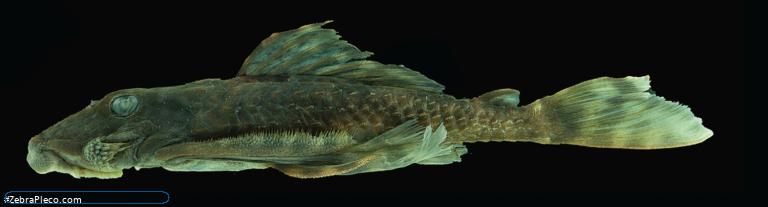
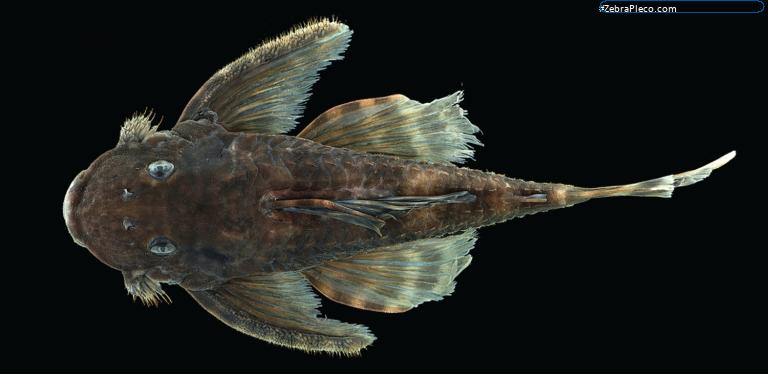
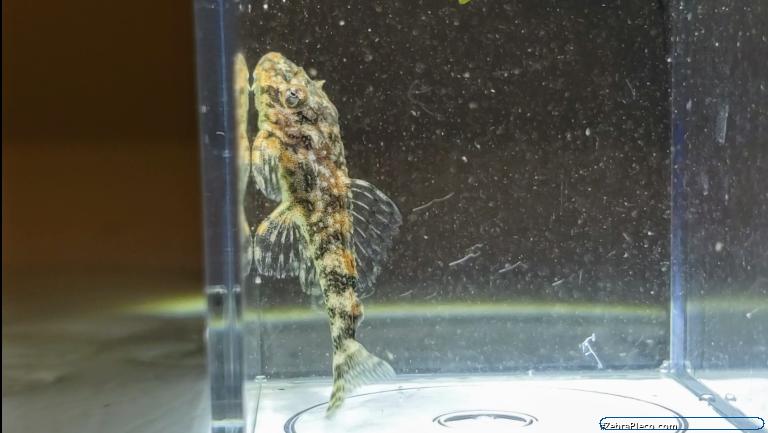
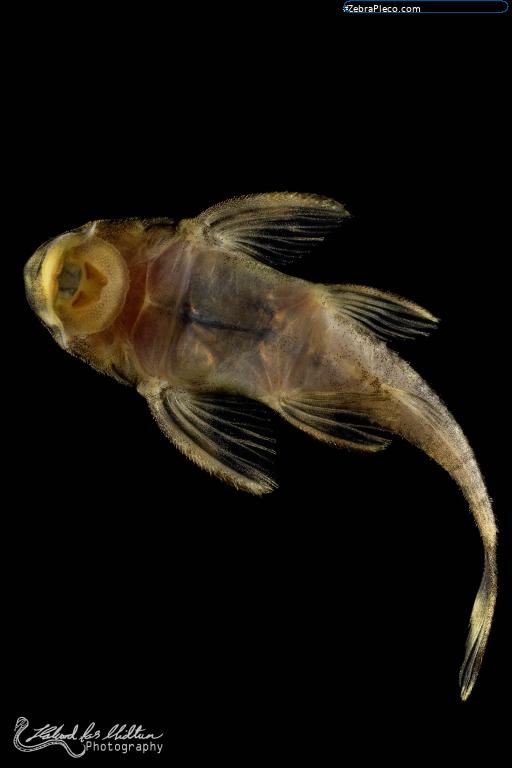
Community & Keeper Tally
Member interactions, breeding records and forum mentions
Aquarium Care & Husbandry
Dietary requirements, tank setup, compatibility and breeding
Feeding & Diet
Tablet food, vegetarian foods and insect larvae. Doesn't eat wood but will eat readily from its surfaces. [View Member Food Stats]
Aquarium Furniture & Decor
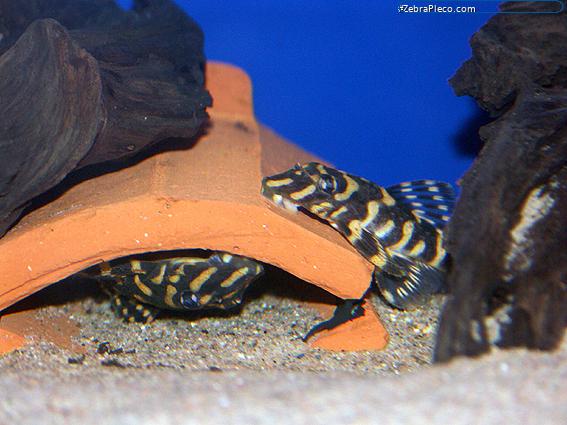
Open spaces, large flat surfaces and shade provided by leafy cover or the lower light conditions of blackwater. Plants are not necessary but are generally left unmolested especially if the fish is being fed properly.
Compatibility & Suggested Tankmates
Peaceful and doesn't appear overly territorial with its own kind.
Breeding Notes
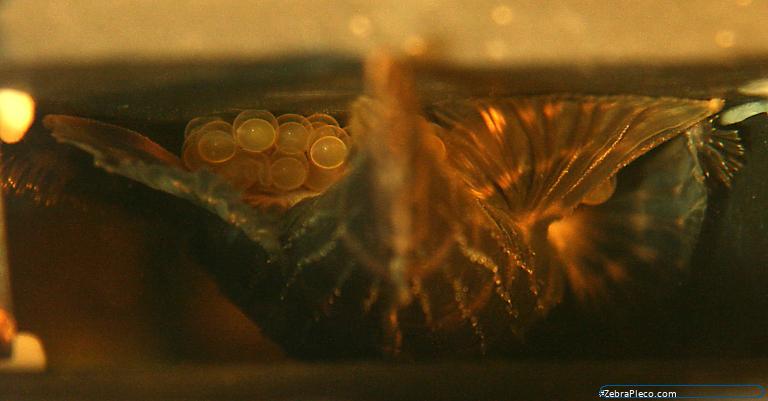
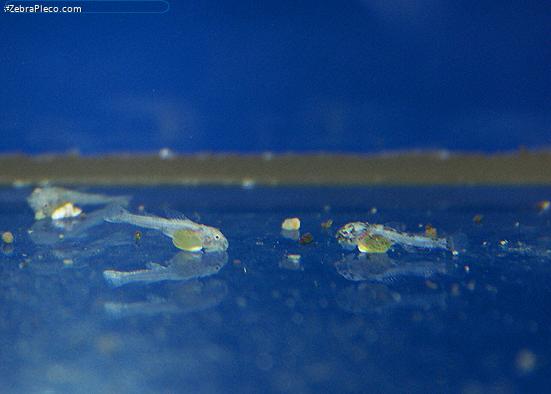
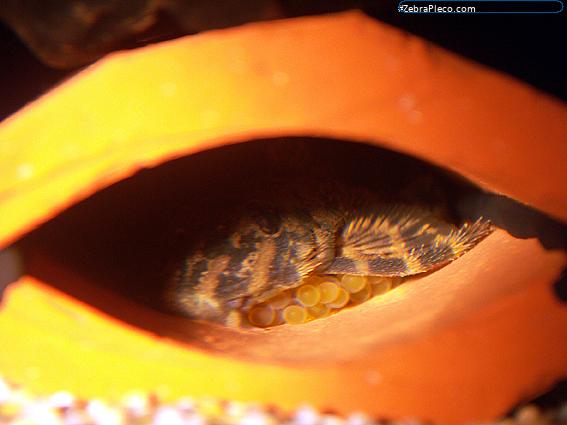
Broods varying between 50 to 120 eggs. The eggs take a long time to develop and hatch (9-10 days). The fry are well developed and are almost without a yolk sac. The fry are very fast growing.
Habitat & Water Parameters
Natural distribution, biotope water conditions and temperature ranges
Geographic Distribution
South America: Lower Negro River basin in BRazil.
Orinoco, Middle Orinoco, Atabapo (click on these areas to find other species found there)
Amazon, Middle Amazon (Solimoes), Negro, Upper Negro, Casiquiare (click on these areas to find other species found there)
Amazon, Middle Amazon (Solimoes), Negro, Demini (click on these areas to find other species found there)
Amazon, Middle Amazon (Solimoes), Negro, Lower Negro (click on these areas to find other species found there)
Amazon, Middle Amazon (Solimoes), Negro (click on these areas to find other species found there)
Amazon, Middle Amazon (Solimoes), Negro, Upper Negro (click on these areas to find other species found there)
Orinoco, Upper Orinoco (click on these areas to find other species found there)
Login to view the map.
Species Description & Identification
Morphology, diagnostic traits and sexual dimorphism
Identification
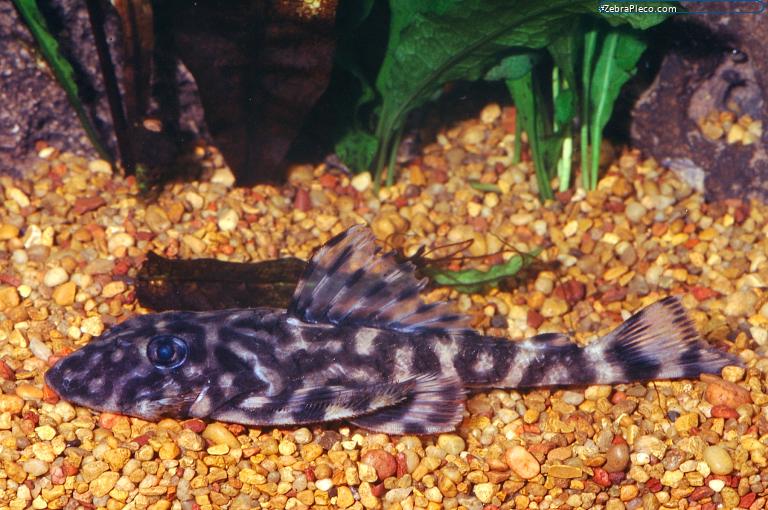
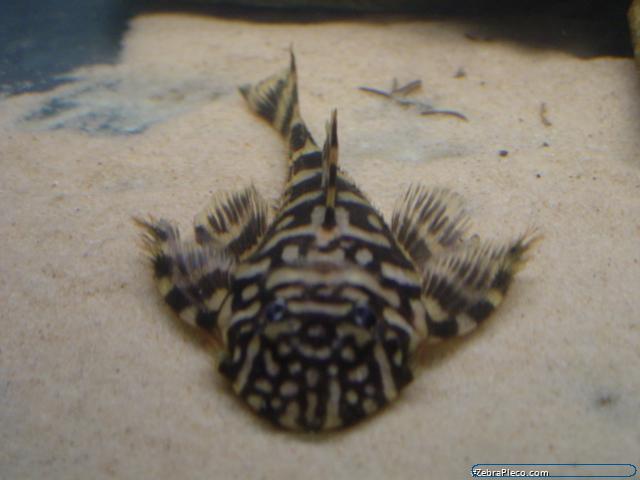
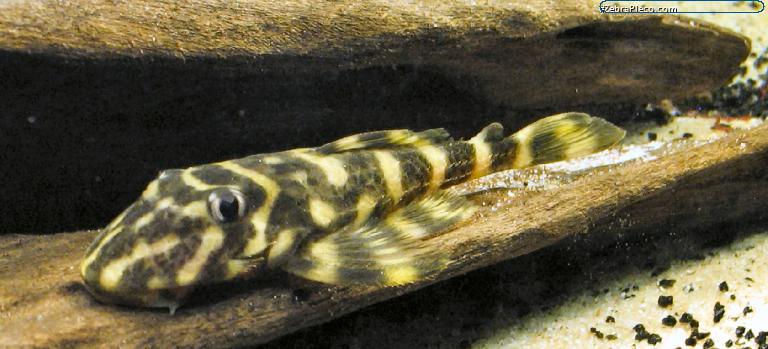
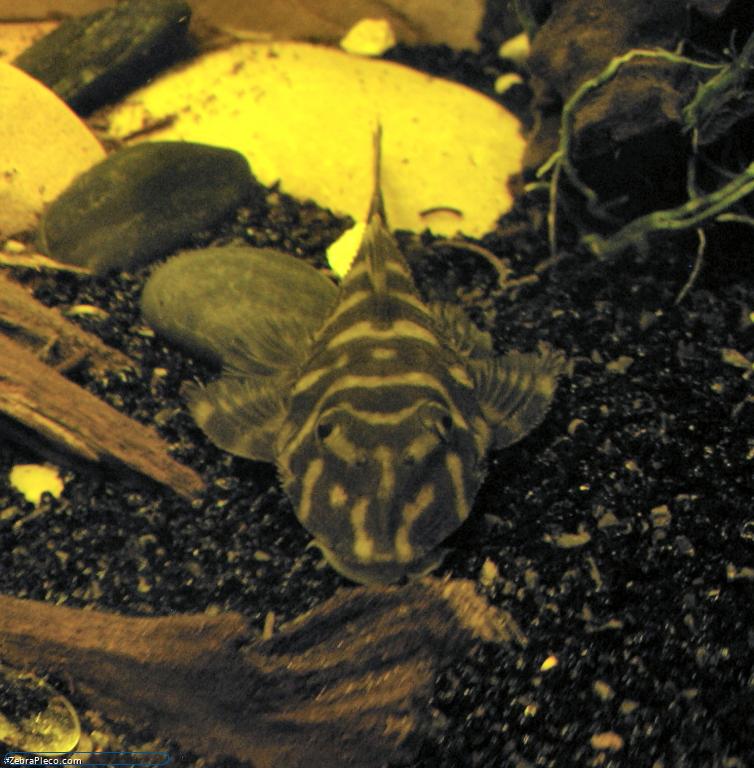
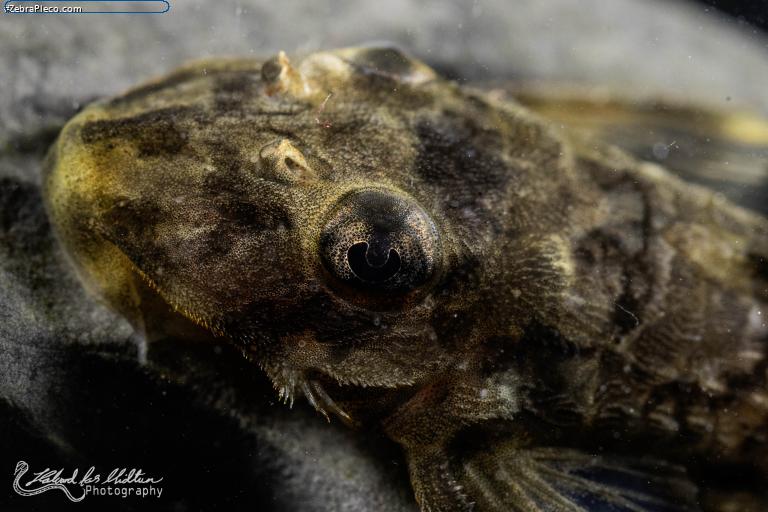
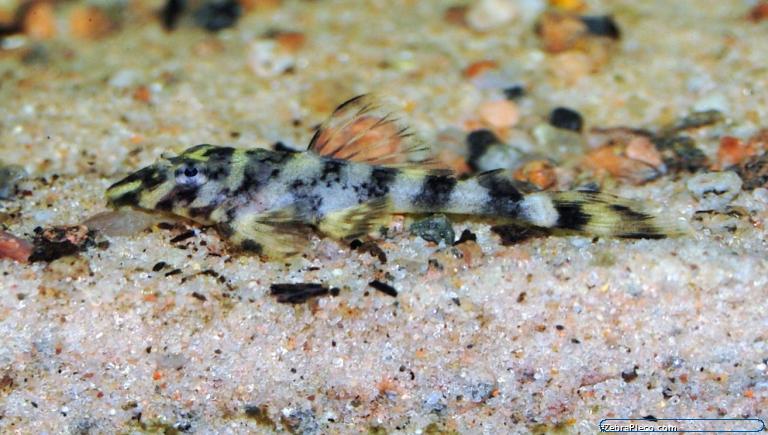
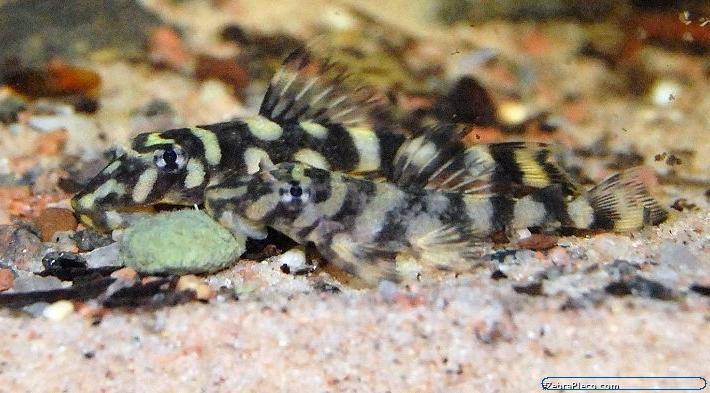
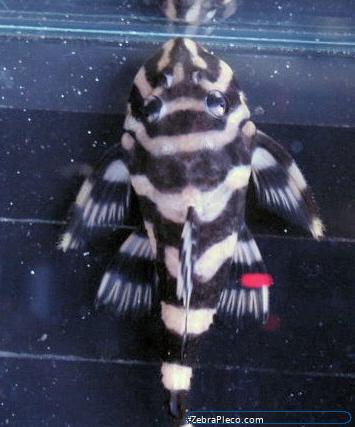
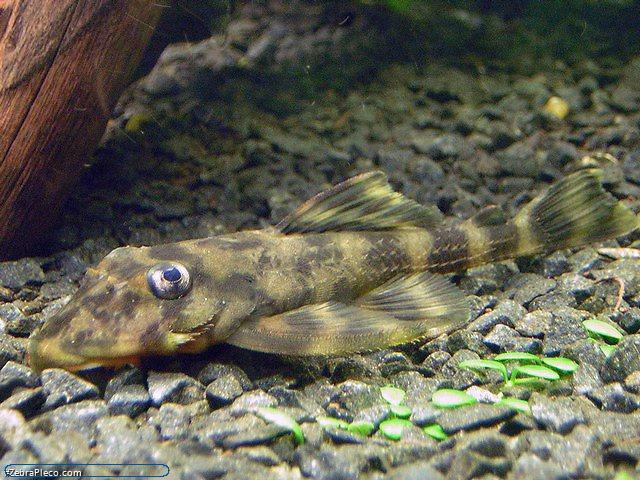
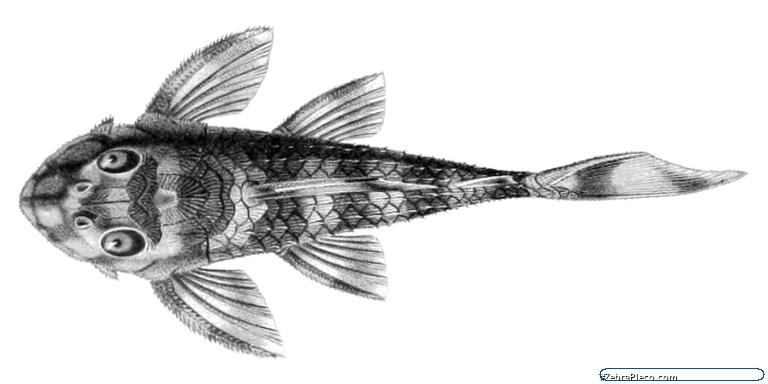
Similar to Lasiancistrus but broader when viewed from above especially in larger adults. Striped species of Dekeyseria were placed in Zonancistrus but because this was only based on colouration, they are more commonly placed with the non-striped species in Dekeyseria.
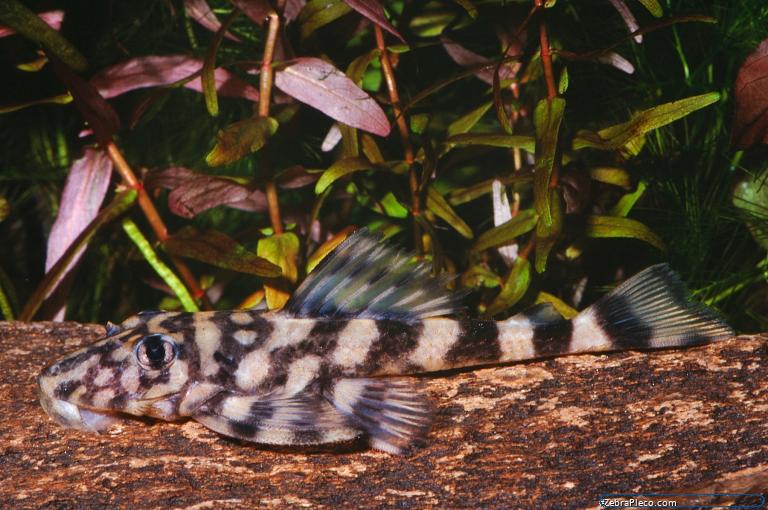
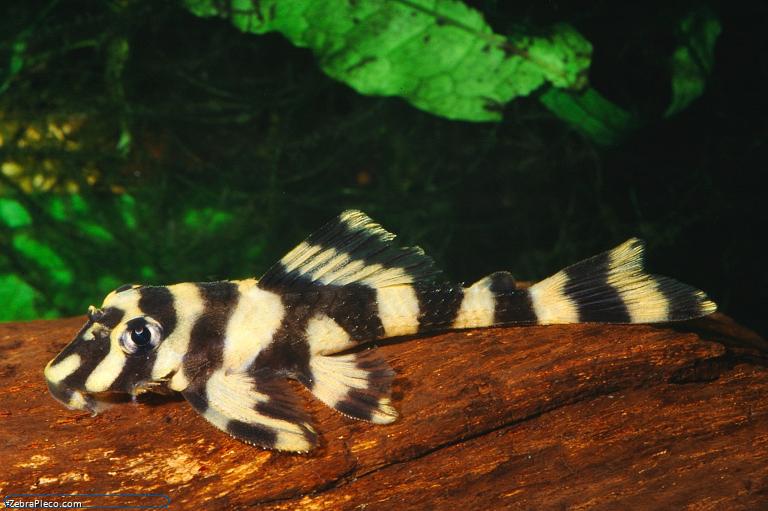
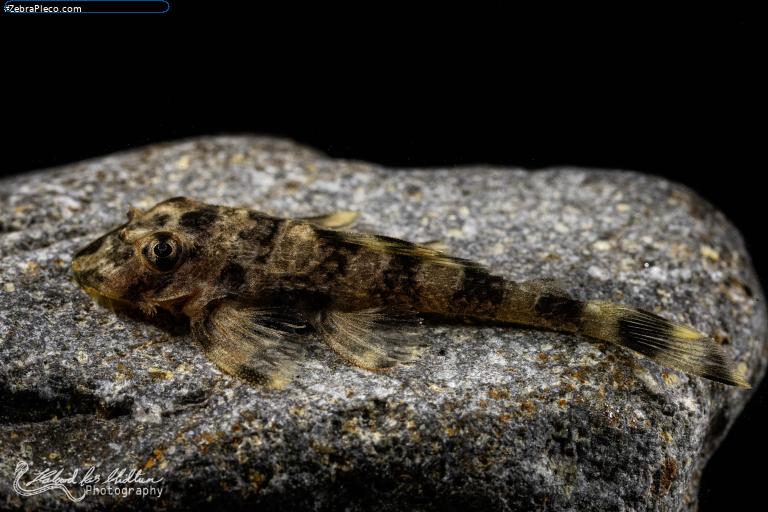
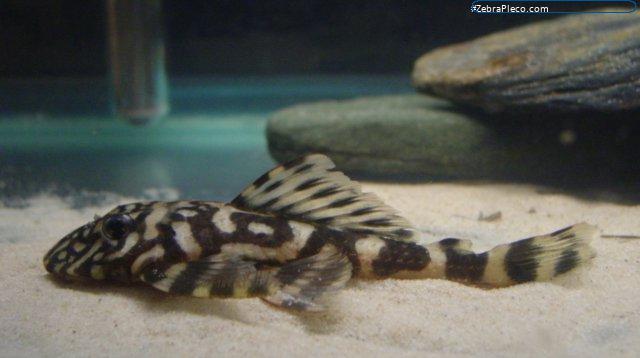
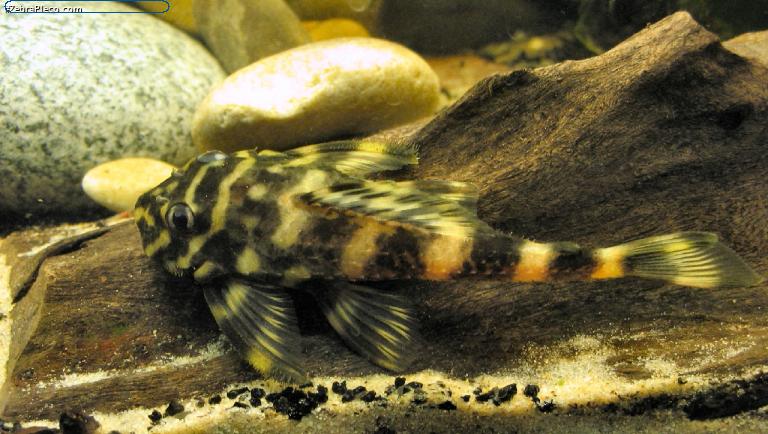
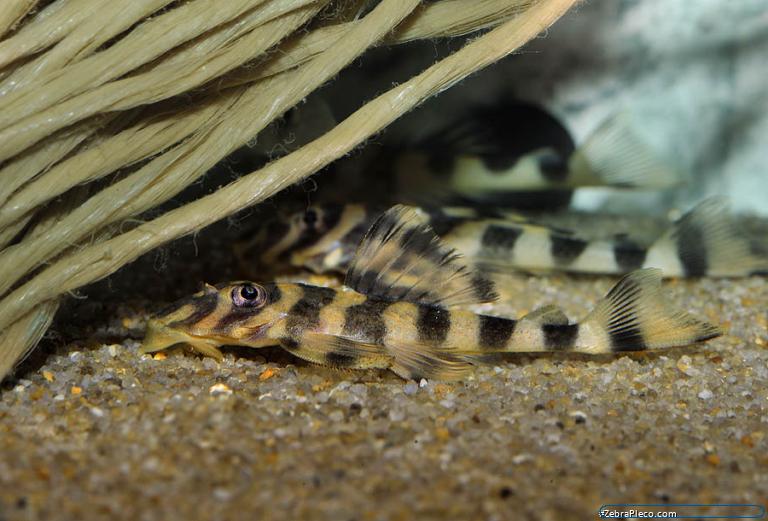
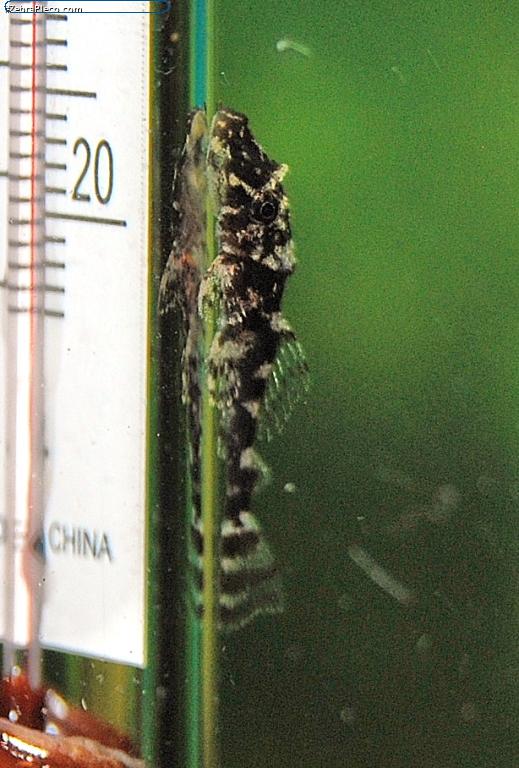
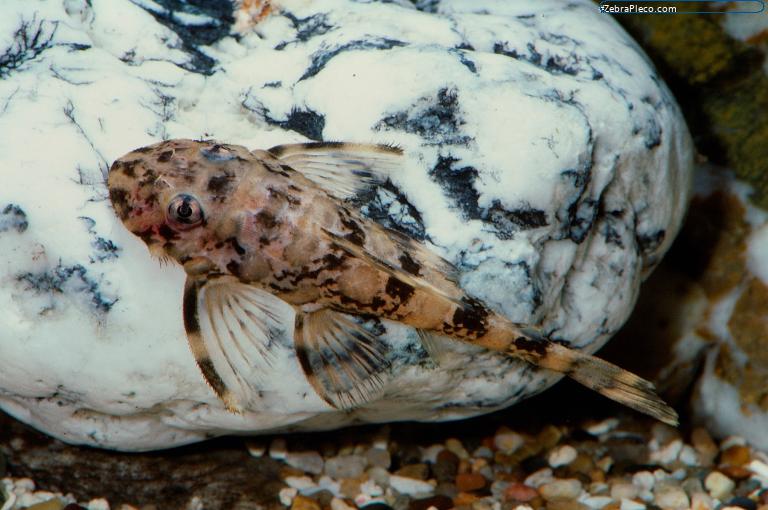
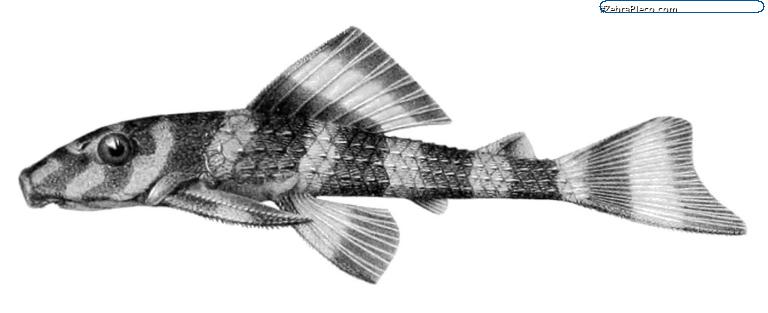
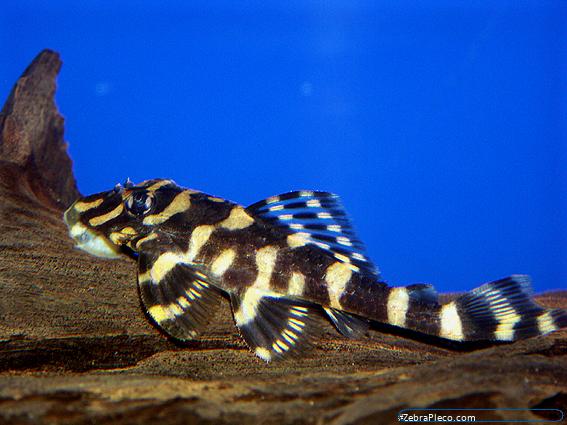
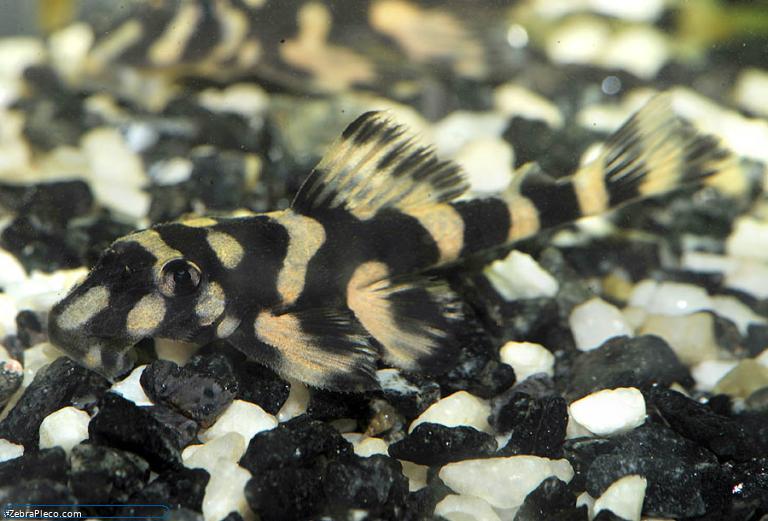
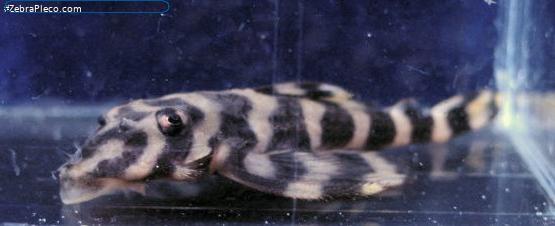
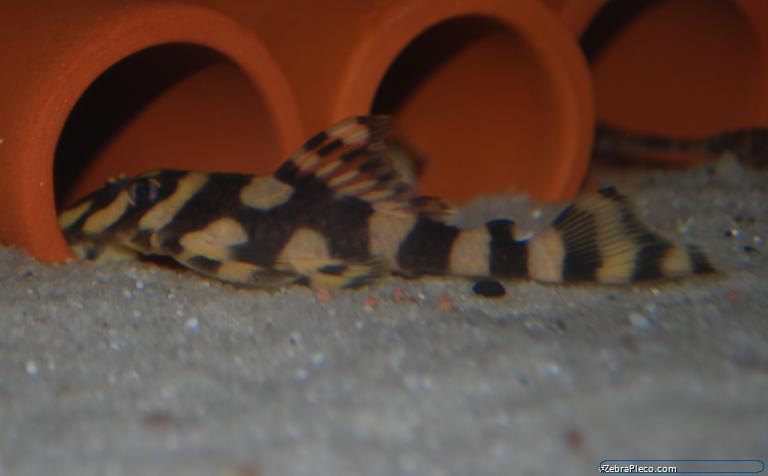
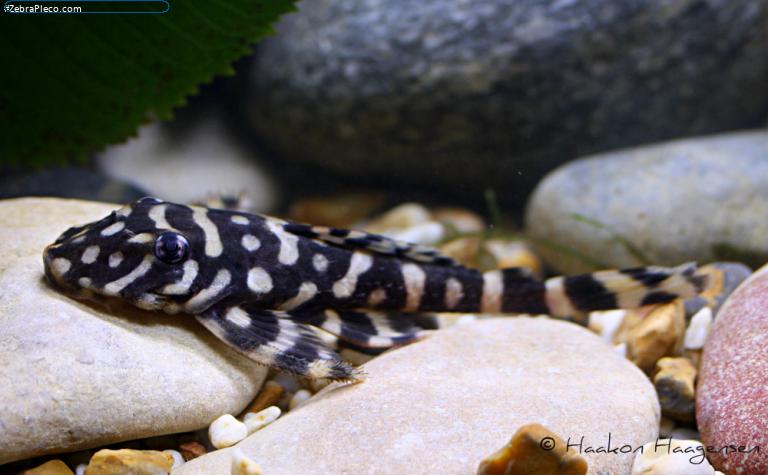
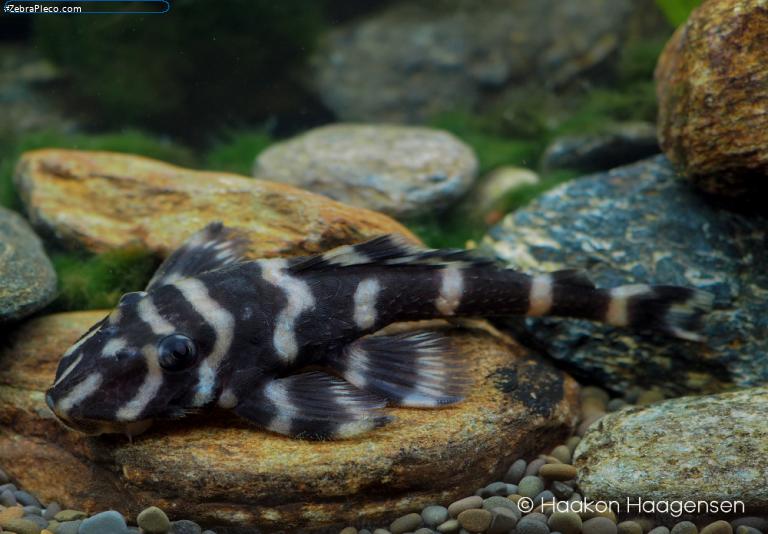
This catfish is a master of disguise. It can change colouration, chameleon-style, quickly. If kept on a black or very dark substrate is will go almost black. Kept on a lighter substrate it will show a pretty striped pattern during the day. Another reason for misidentification of this fish is that its night-time colouration is totally different from that it has during the day, some authors note this is adult versus juvenile colouration.
In more southerly occurring populations, the stripes are more clearly separated and the base colour of D. brachyura is more orange when you compare them directly. This species can be found in many hobbyist books under its old name of Peckoltia pulcher. More recently it was moved by Isbrucker et al into their new flounder pleco genus Zonancistrus. However, prevailing scientific usage appears to be with the use of Dekeyseria.
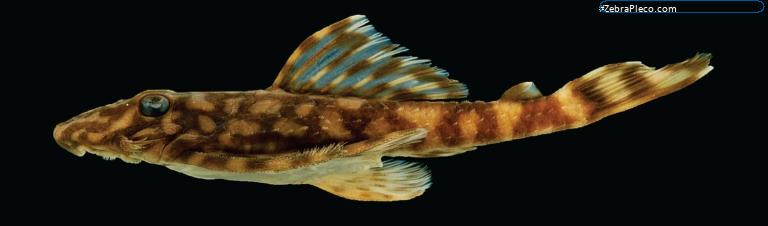
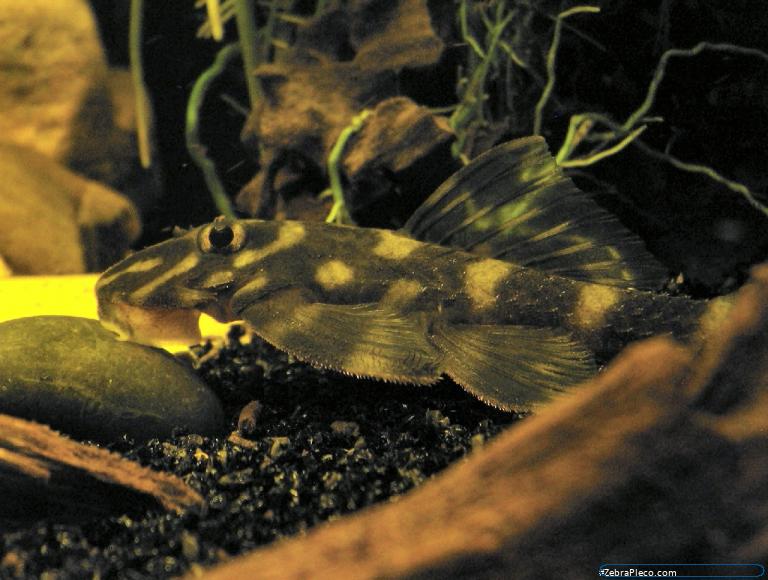
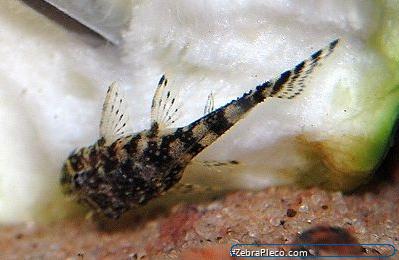
L052, is a pattern variant from the Atabapo drainage has stripes that are less clearly separated and form a network pattern in adults. The following data was recorded from an adult male specimen of L052
Male
SL 97.0 mm
TL 121.0 mm
Dorsal: I,7
Pectorals: I,6
Pelvic: I,5
Anal: 4
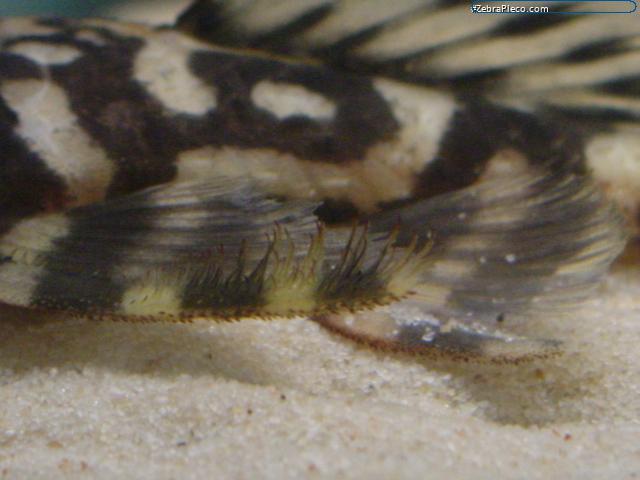
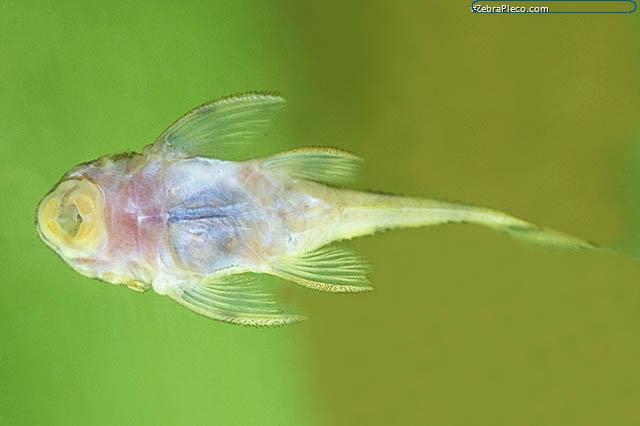
Interopercular spines: coloured yellowish and straight. The very ends of these spines are curved like a hook and are a red/pink in colour.
Sexual Dimorphism (Sexing)
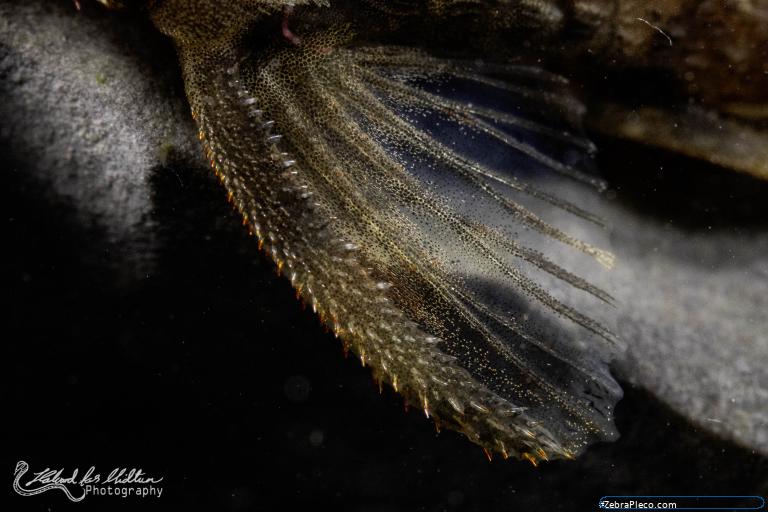
Mature males have substantial odontodes both on the thick pectoral ray and the posterior part of the body. The male also have a broader head than the female.
General Remarks
L168 was collected in the Rio Demini (Negro Basin).
Taxonomy, Synonyms & Etymology
Classification history, linguistic derivations and variant forms
Synonyms
Ancistrus brachyura, Ancistrus brachyurus, Ancistrus pictus, Ancistrus pulcher, Dekeyseria brachyura, Dekeyseria brachyurus, Dekeyseria pulcher, Peckoltia brachyura, Peckoltia picta, Peckoltia pulcher, Zonancistrus brachyurus, Zonancistrus pictus, Zonancistrus pulcher
Pronunciation
dee key SEAR ee ah - pik tah.
Etymology
There are 3 other speciesBetta picta
Megalechis picta
Poecilia picta with this specific name.
Literature & Resources
Scientific publications, external links and citation tools
Description Reference
Denkschriften der Kaiserlichen Akademie der Wissenschaften in Wien, Mathematisch-Naturwissenschaftliche Classe. v. 7, pp 277 [27], Pl. 4 (fig. 2).
External Databases
Related Searches