PAGE_HEADER
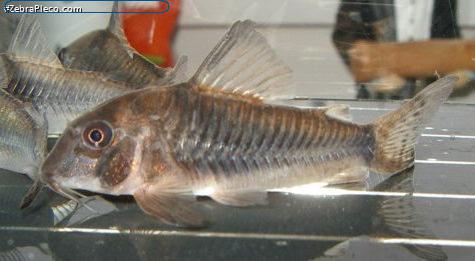
Corydoras septentrionalis Gosline, 1940
Image Showcase
Photographs, diagnostic angles and morphological variants
Community & Keeper Tally
Member interactions, breeding records and forum mentions
Aquarium Care & Husbandry
Dietary requirements, tank setup, compatibility and breeding
Feeding & Diet
Dry, frozen, and live foods. [View Member Food Stats]
Aquarium Furniture & Decor
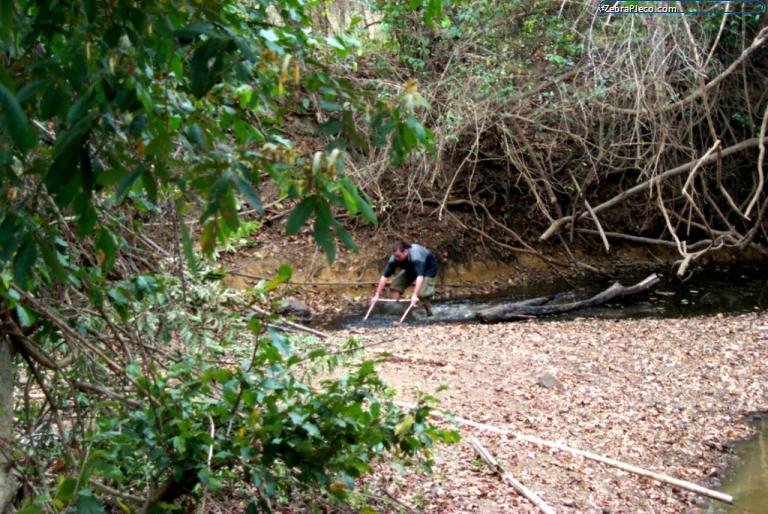
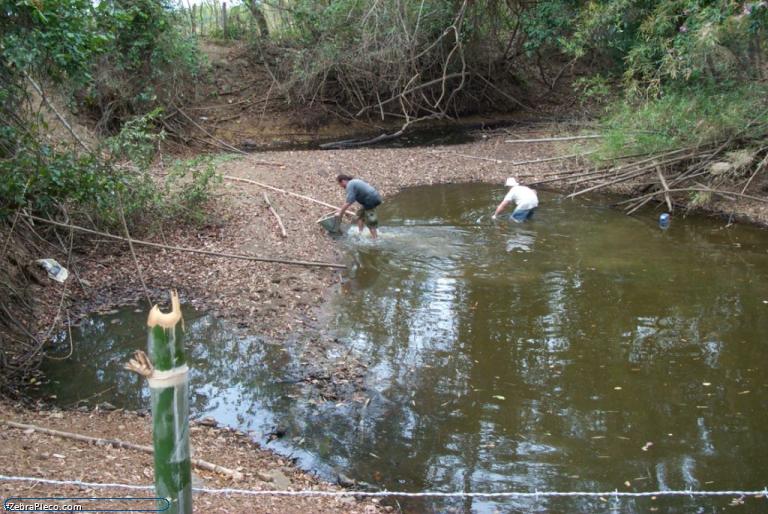
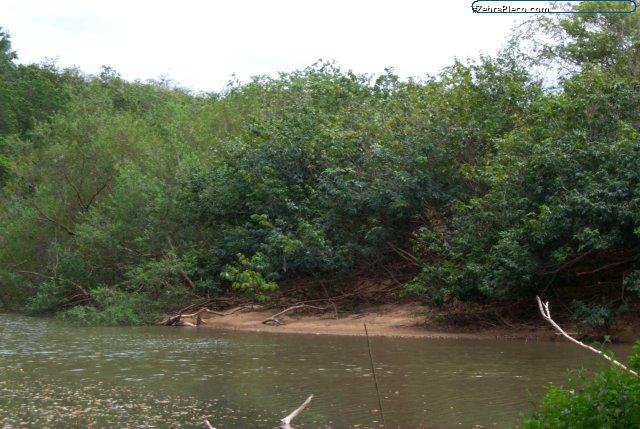
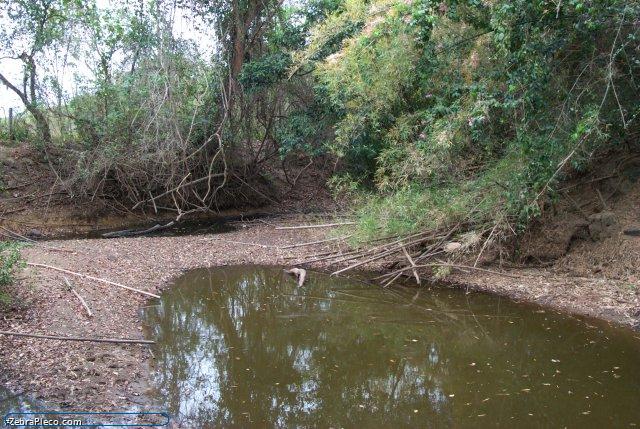
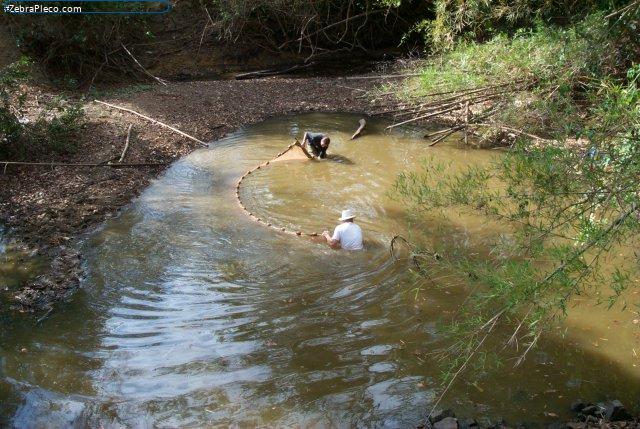
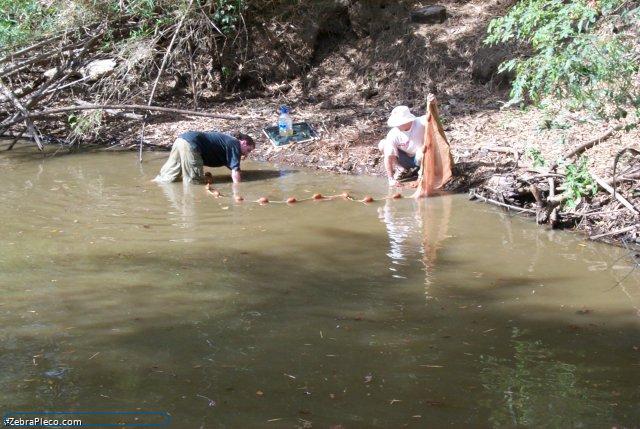
A dry season tank should have a leaf litter substrate with some pieces of driftwood. The water can be medium hard with a neutral pH and up to 82F. A rainy season biotope should have a sand and gravel substrate with driftwood pieces and a few larger stones that form caves. The water should be soft and cool at about 75F. In Cano Santo Domingo, Cojedes State, Venezuela the authors collected these Corydoras alongside C. aeneus ''black'', C. habrosus, Otocinclus vittatus, Hypoptopoma, Hypostomus plecostomus, Ochmacanthus, and Bunocephalus amaurus. Further south, this species appears alongside C. osteocarus.
Compatibility & Suggested Tankmates
These fish get along with anything not large enough to eat them.
Tankmates: Small to medium-sized tetras (such as the Diamond Tetra), dwarf cichlids and hatchet fish are good additions. Generally the fish will mix well with most community tank citizens. Keep in groups of at least six.
Breeding Notes
Unreported in the aquarium.
Habitat & Water Parameters
Natural distribution, biotope water conditions and temperature ranges
Geographic Distribution
South America: Orinoco River basin.
Orinoco (click on these areas to find other species found there)
Login to view the map.
Species Description & Identification
Morphology, diagnostic traits and sexual dimorphism
Identification
Corydoras are identified by their twin rows of armour plates along the flanks and by having fewer than 10 dorsal fin rays. They are most commonly confused with the other genera in the sub-family, namely Brochis, Scleromystax and Aspidoras.
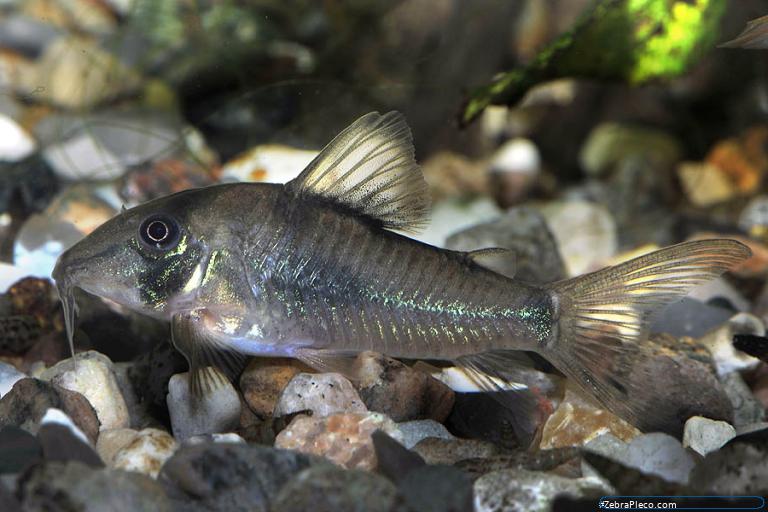
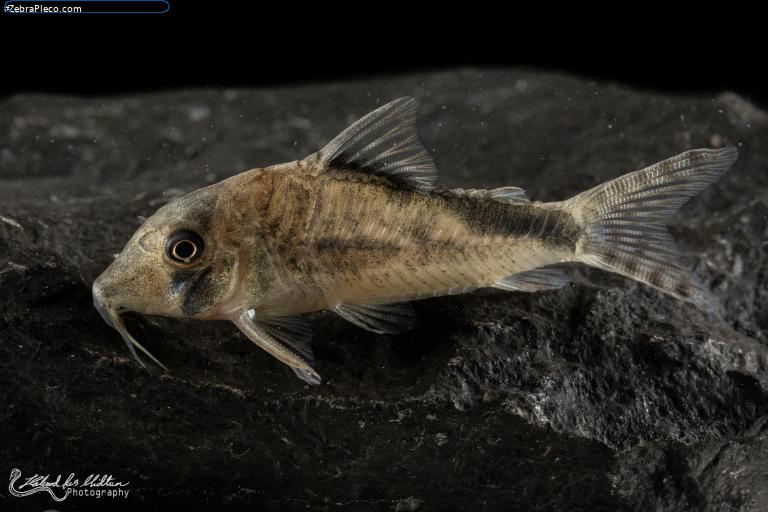
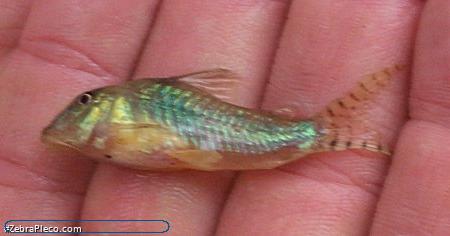
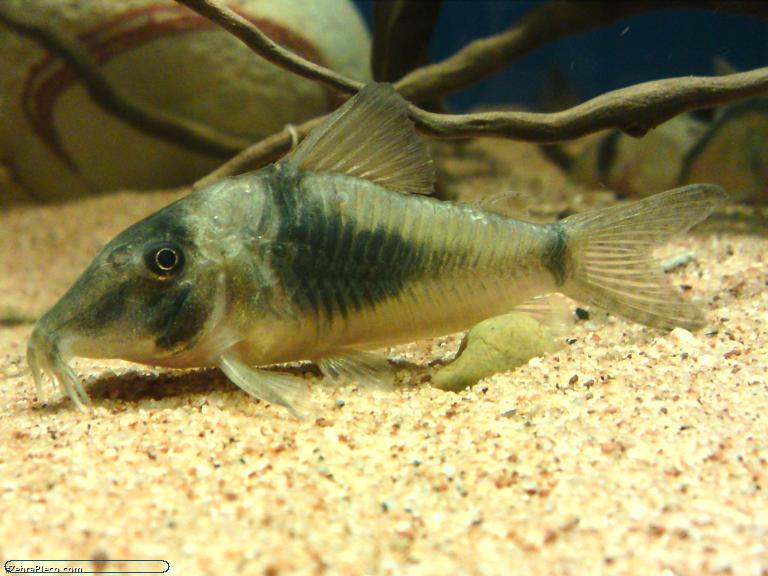
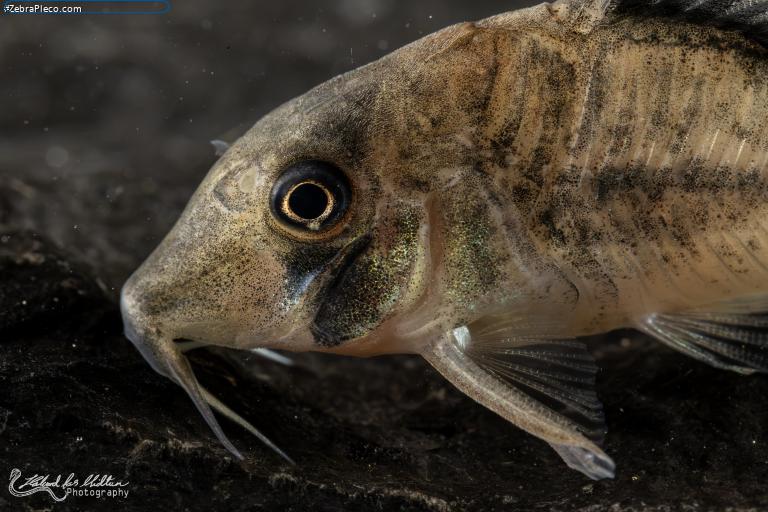
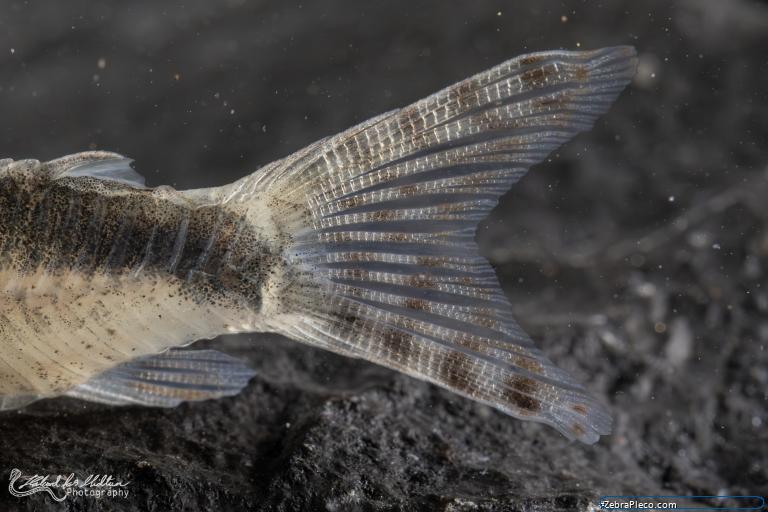
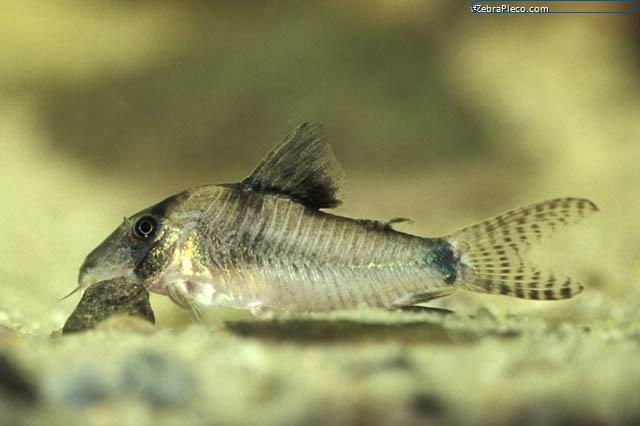
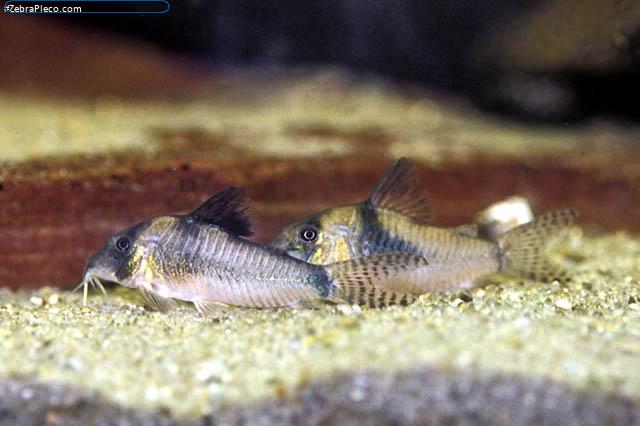
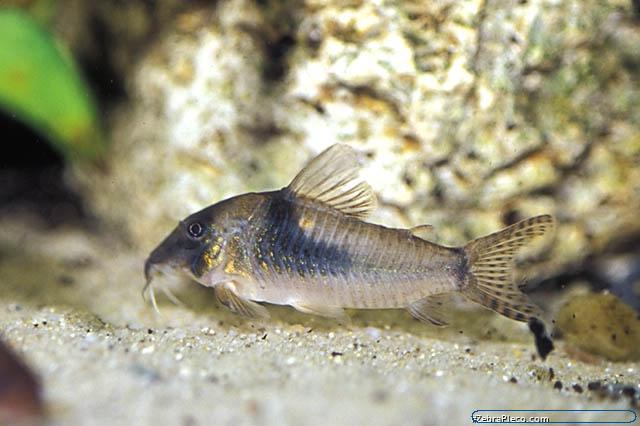
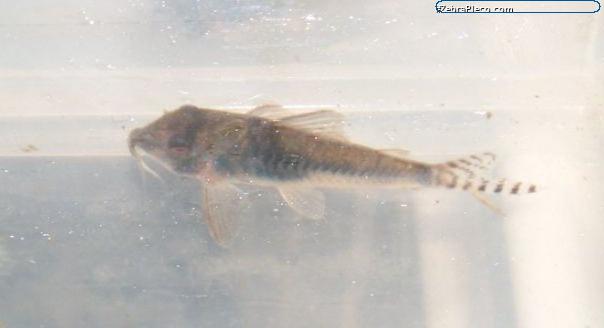
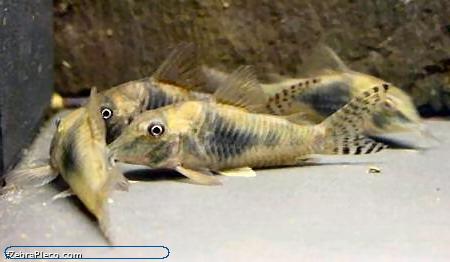
A long-snouted species. The caudal fin rays are banded in brown and white, forming six or seven transverse rows.
Sexual Dimorphism (Sexing)
As with all Corydoras, the females are ultimately larger and noticeably wider when viewed from above.
Taxonomy, Synonyms & Etymology
Classification history, linguistic derivations and variant forms
Synonyms
Corydoras cortesi
Pronunciation
kor ee doh rass. - Sep TEN tree on al iss
Etymology
Cory = helmet, doras = skin. In this case it was incorrectly used to mean armour (cuirasse) instead of skin in allusion to the dual rows of plates that run along the flanks of this genus. From the Latin septentrionalis meaning northern, alluding to the fact that this fish comes from northern South America.
There are 4 other speciesCnesterodon septentrionalis
Retroculus septentrionalis
Rhabdalestes septentrionalis
Stegophilus septentrionalis with this specific name.
Literature & Resources
Scientific publications, external links and citation tools
Description Reference
Stanford Ichthyological Bulletin v. 2 (no. 1), pp 16.
External Databases
Related Searches