PAGE_HEADER
Microglanis secundus Mees, 1974
Image Showcase
Photographs, diagnostic angles and morphological variants
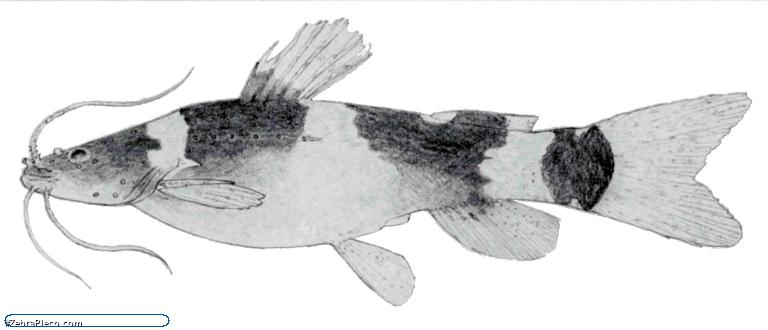
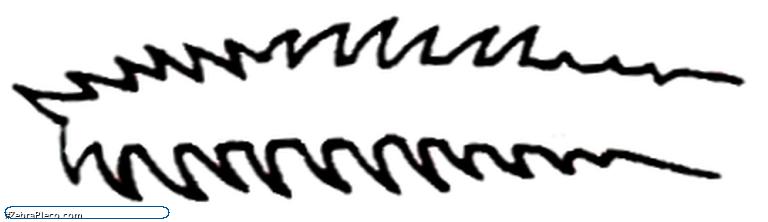

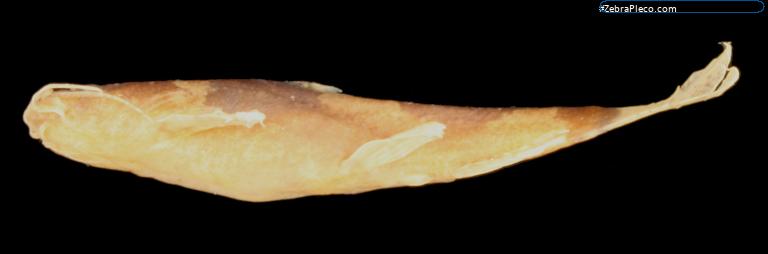
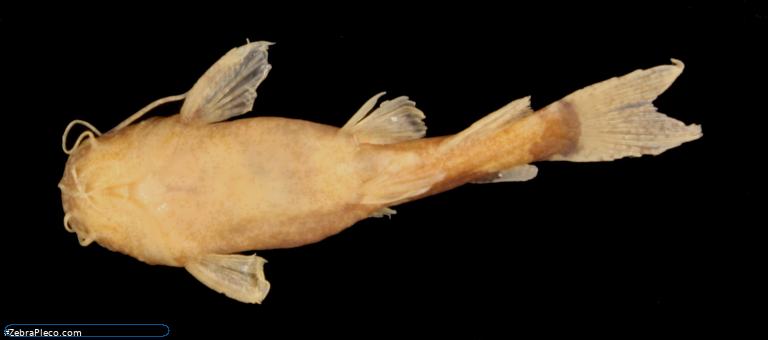
Community & Keeper Tally
Member interactions, breeding records and forum mentions
Aquarium Care & Husbandry
Dietary requirements, tank setup, compatibility and breeding
Compatibility & Suggested Tankmates
Non aggressive and sociable with its own and other species.
Tankmates: Virtually all good community fish, although any young fry present in the aquarium will be in extreme jeopardy - especially after dark.
Habitat & Water Parameters
Natural distribution, biotope water conditions and temperature ranges
Geographic Distribution
South America: Catatumbo River basin; Guyana; Sipaliwini River basin.
Guyana Waters (click on these areas to find other species found there)
Guyana Waters, Coastal Rivers of Guyanas, Suriname Coastal Rivers, Marowijne (click on these areas to find other species found there)
Guyana Waters, Coastal Rivers of Guyanas, Suriname Coastal Rivers, Corintijns, Sipaliwini (click on these areas to find other species found there)
Login to view the map.
Species Description & Identification
Morphology, diagnostic traits and sexual dimorphism
Identification
The genus Microglanis was described by Eigenmann (1912) to include small pimelodids with the head as wide as long, the skull covered by skin only; the occipital crest small; frontal fontanel not extending much if any behind the eye, and a minute occipital fontanel sometimes present; eye without a free orbital margin; dorsal and pectoral spines well developed; and premaxillary patches of teeth without backward projecting angles.
Sexual Dimorphism (Sexing)
Well-conditioned females are conspicuously wider in the abdomen than similarly sized males.
General Remarks
Reports of this species in the Catatumbo drainage of Venezuela and Colombia are believed to be inaccurate. Subsequent examination of museum specimens from the area have been identified as juvenile Batrochoglanis acanthochiroides.
Taxonomy, Synonyms & Etymology
Classification history, linguistic derivations and variant forms
Etymology
Micro - small, glanis - catfish - in reference to the rather small forms of catfish that this genus contains.
Literature & Resources
Scientific publications, external links and citation tools
Description Reference
Zoologische Verhandelingen (Leiden) No. 132, pp 235, Fig. 40e; Pl. 14.
External Databases
Related Searches