PAGE_HEADER
Microglanis pataxo Sarmento-Soares, Martins-Pinheiro, Aranda, & Chamon, 2006
Image Showcase
Photographs, diagnostic angles and morphological variants
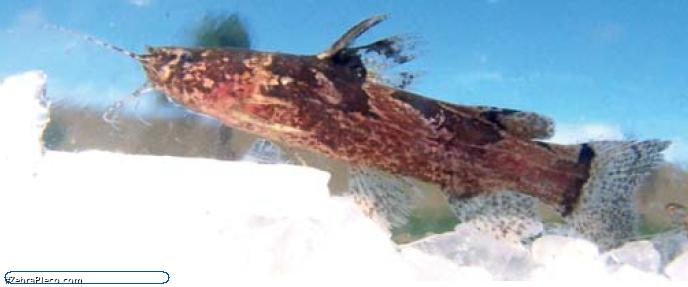
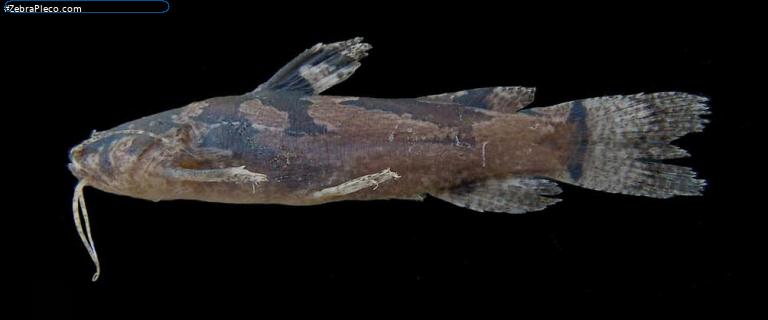
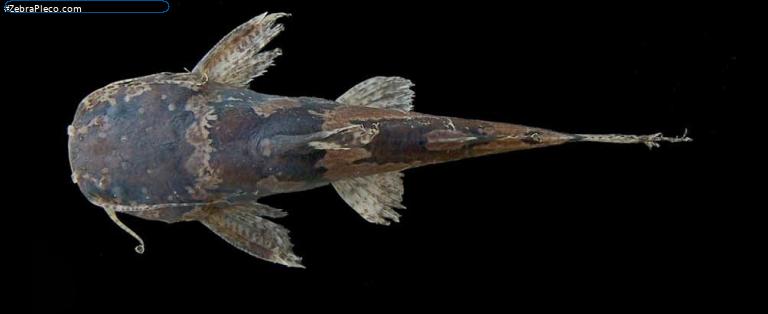
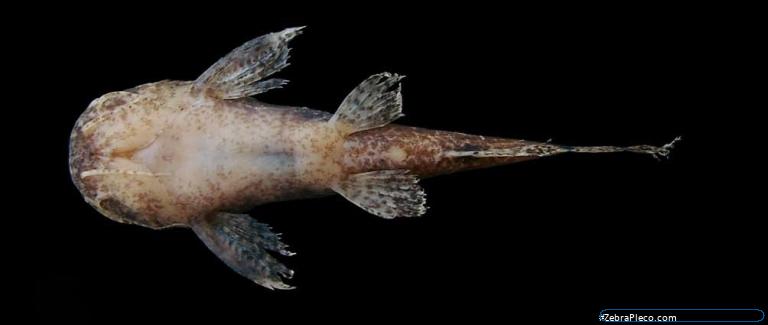
Community & Keeper Tally
Member interactions, breeding records and forum mentions
Aquarium Care & Husbandry
Dietary requirements, tank setup, compatibility and breeding
Feeding & Diet
The original description notes that in the stomach of two examined females it was possible to identify small aquatic insect larvae and pupae. [View Member Food Stats]
Compatibility & Suggested Tankmates
Non aggressive and sociable with its own and other species.
Tankmates: Virtually all good community fish, although any young fry present in the aquarium will be in extreme jeopardy - especially after dark.
Habitat & Water Parameters
Natural distribution, biotope water conditions and temperature ranges
Geographic Distribution
South America: Rio Peruípe, rio Jucuruçu and rio Cahy drainages in northeastern Brazil.
Espirito Santo State Rivers, Barra Seca (click on these areas to find other species found there)
Bahia State Rivers, Cahy (click on these areas to find other species found there)
Minas Gerais State Rivers, Jucuruçu (click on these areas to find other species found there)
Bahia State Rivers, Peruípe (click on these areas to find other species found there)
São Francisco, Middle São Francisco Imported (click on these areas to find other species found there)
Login to view the map.
Species Description & Identification
Morphology, diagnostic traits and sexual dimorphism
Identification
The genus Microglanis was described by Eigenmann
(1912) to include small pimelodids with the head as wide as long, the skull covered by skin only; the occipital crest small; frontal fontanel not extending much if any behind the eye, and a minute occipital fontanel sometimes present; eye without a free orbital margin; dorsal and pectoral spines well developed; and premaxillary patches of teeth without backward projecting angles.
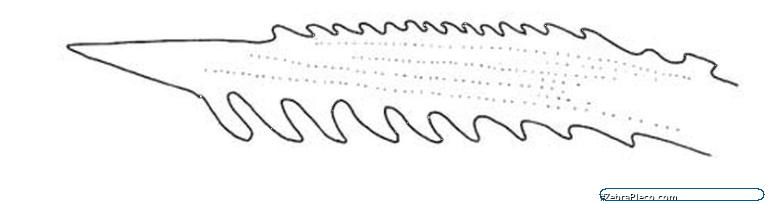
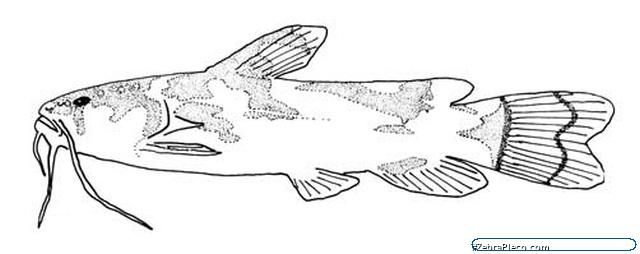
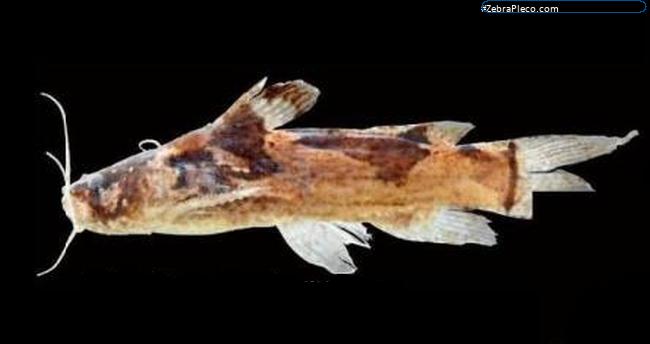
From original descriptionn (link in References): Microglanis pataxo can be identified by the colour pattern with a dark blotch beneath adipose fin not extending to anal fin and by the high number of anal fin proximal radials, 12, shaped as rod-like thin tubes, the last one bearing a laminar extension. This species can be also recognised by the following combination of characters: a pectoral fin spine with a bony point and bearing proportionally few serrations on posterior border of pectoral fin spine, eight to ten. Seven pleural ribs and a proportionally short head width (67.8-74.3% in HL).
Sexual Dimorphism (Sexing)
Well-conditioned females are conspicuously wider in the abdomen than similarly sized males.
Taxonomy, Synonyms & Etymology
Classification history, linguistic derivations and variant forms
Etymology
Micro - small, glanis - catfish - in reference to the rather small forms of catfish that this genus contains. The specific name honors the Pataxó native indigenous people.
Literature & Resources
Scientific publications, external links and citation tools
Literature & References
External Databases
Related Searches