PAGE_HEADER
Microglanis parahybae (Steindachner, 1880)
Image Showcase
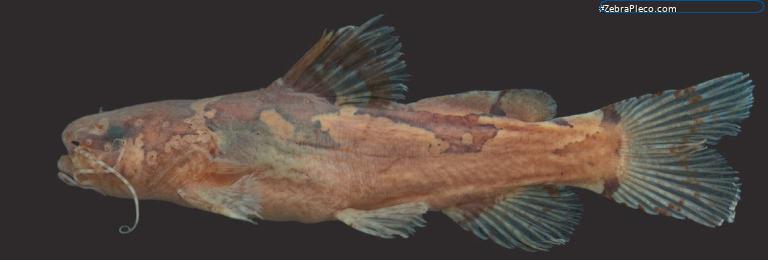
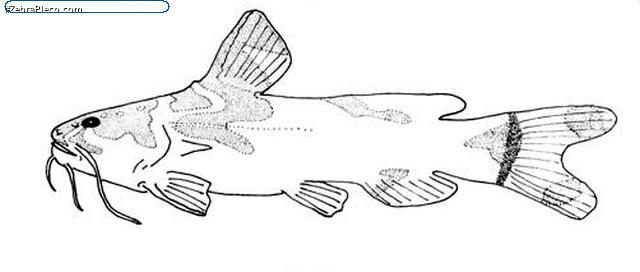
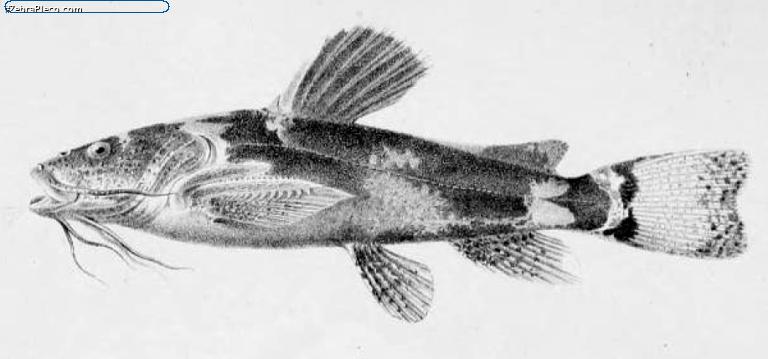
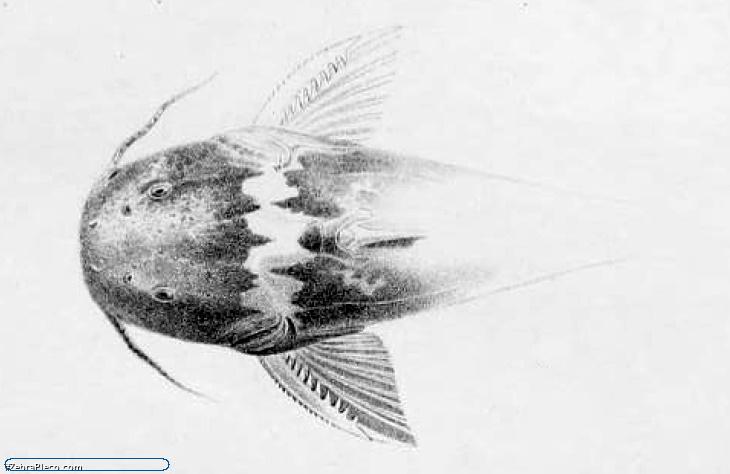
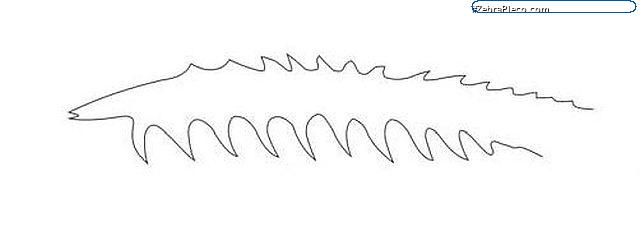
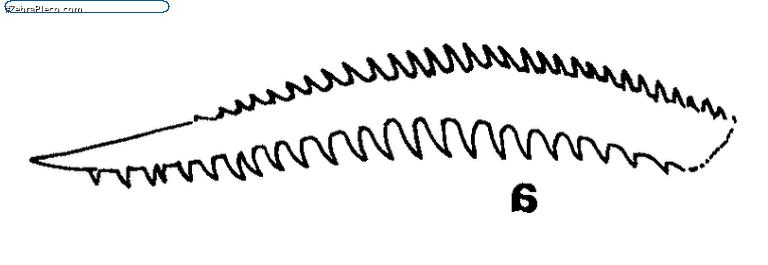
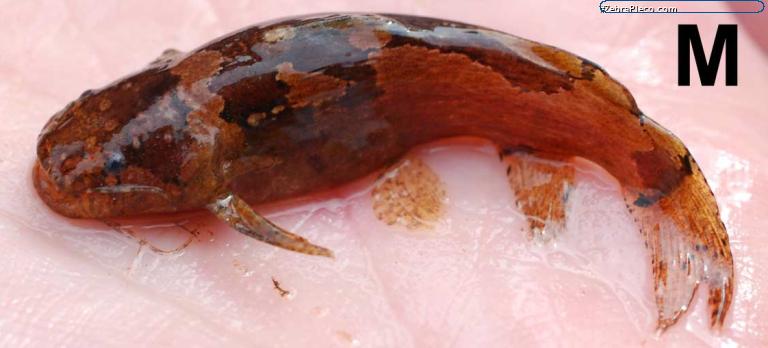
Photographs, diagnostic angles and morphological variants
Community & Keeper Tally
Member interactions, breeding records and forum mentions
Aquarium Care & Husbandry
Dietary requirements, tank setup, compatibility and breeding
Compatibility & Suggested Tankmates
Non aggressive and sociable with its own and other species.
Tankmates: Virtually all good community fish, although any young fry present in the aquarium will be in extreme jeopardy - especially after dark.
Habitat & Water Parameters
Natural distribution, biotope water conditions and temperature ranges
Geographic Distribution
South America: Paraíba do Sul river basin in Brazil. Reported from Argentina.
Espirito Santo State Rivers, Doce (click on these areas to find other species found there)
Espirito Santo State Rivers, Itabapoana (click on these areas to find other species found there)
Espirito Santo State Rivers, Itapemirim (click on these areas to find other species found there)
Rio de Janeiro State Rivers, Macabu (click on these areas to find other species found there)
Rio de Janeiro State Rivers, Macacu (click on these areas to find other species found there)
Rio de Janeiro State Rivers, Paraíba do Sul (click on these areas to find other species found there)
Login to view the map.
Species Description & Identification
Morphology, diagnostic traits and sexual dimorphism
Identification
The genus Microglanis was described by Eigenmann (1912) to include small pimelodids with the head as wide as long, the skull covered by skin only; the occipital crest small; frontal fontanel not extending much if any behind the eye, and a minute occipital fontanel sometimes present; eye without a free orbital margin; dorsal and pectoral spines well developed; and premaxillary patches of teeth without backward projecting angles.
Sexual Dimorphism (Sexing)
Well-conditioned females are conspicuously wider in the abdomen than similarly sized males.
Taxonomy, Synonyms & Etymology
Classification history, linguistic derivations and variant forms
Synonyms
Pseudopimelodus parahybae
Etymology
Micro - small, glanis - catfish - in reference to the rather small forms of catfish that this genus contains.
There are 5 other speciesDelturus parahybae
Ituglanis parahybae
Pogonopoma parahybae
Pseudotocinclus parahybae
Steindachneridion parahybae with this specific name.
Literature & Resources
Scientific publications, external links and citation tools
Description Reference
Denkschriften der Kaiserlichen Akademie der Wissenschaften in Wien, Mathematisch-Naturwissenschaftliche Classe. v. 42, pp 60 [8], Pl. 1 (figs. 2-2b).
External Databases
Related Searches