PAGE_HEADER
Microglanis malabarbai Bertaco & Cardoso, 2005
Image Showcase
Photographs, diagnostic angles and morphological variants
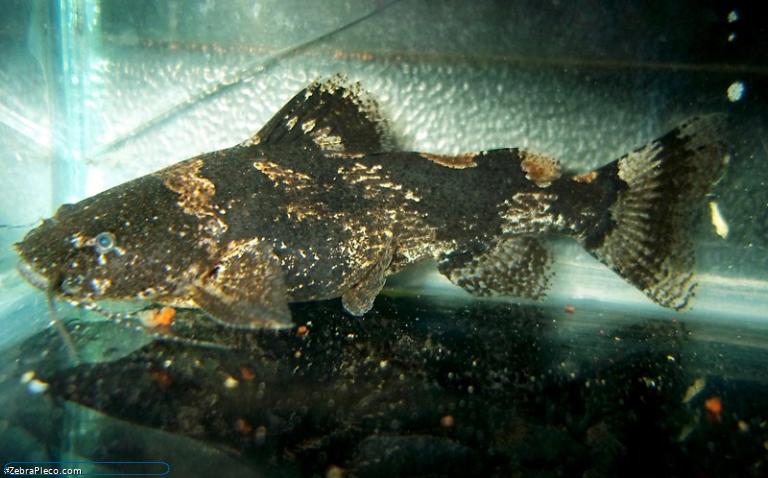
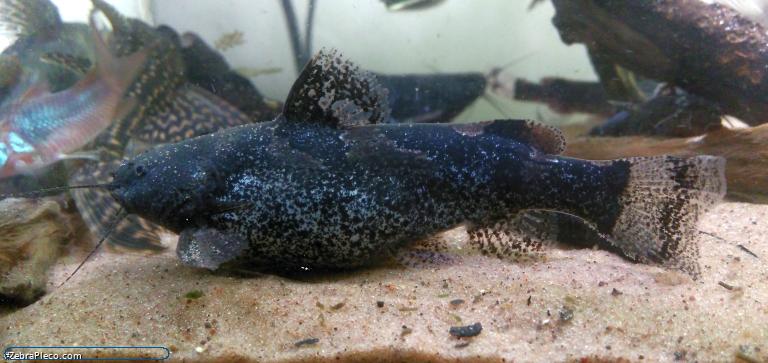
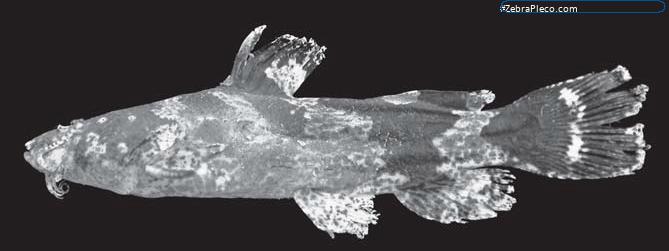
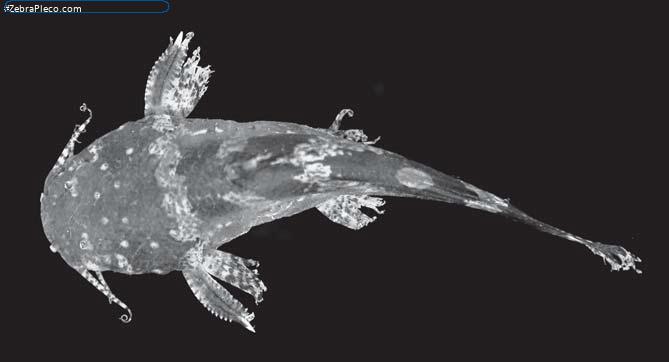
Community & Keeper Tally
Member interactions, breeding records and forum mentions
Aquarium Care & Husbandry
Dietary requirements, tank setup, compatibility and breeding
Aquarium Furniture & Decor
Per the original description, all specimens of M. malabarbai were caught under dead tree branches and leaves in dark water, lentic stretches of shallow streams, with sand and mud on the bottom, and moderate amount of riparian vegetation. The rio Ijuí drainage is surrounded mainly by soybean, wheat, and pasture plantations, with narrow areas of original vegetation on stream margins.
Compatibility & Suggested Tankmates
Other species collected in same habitat with M. malabarbai were: Cichlasoma dimerus, Crenicichla scotti, Heptapterus mustelinus, Hisonotus sp., Rhamdia quelen and Rineloricaria sp.
Tankmates: Virtually all good community fish, although any young fry present in the aquarium will be in extreme jeopardy - especially after dark.
Habitat & Water Parameters
Natural distribution, biotope water conditions and temperature ranges
Geographic Distribution
South America : known only from the Rio Ijuí, a tributary of the middle Rio Uruguay, Rio Grande do Sul, Brazil.
La Plata, Uruguay, Middle Uruguay, Ijuí (click on these areas to find other species found there)
La Plata (click on these areas to find other species found there)
La Plata, Uruguay, Middle Uruguay (click on these areas to find other species found there)
Login to view the map.
Species Description & Identification
Morphology, diagnostic traits and sexual dimorphism
Identification
The genus Microglanis was described by Eigenmann
(1912) to include small pimelodids with the head as wide as long, the skull covered by skin only; the occipital crest small; frontal fontanel not extending much if any behind the eye, and a minute occipital fontanel sometimes present; eye without a free orbital margin; dorsal and pectoral spines well developed; and premaxillary patches of teeth without backward projecting angles.
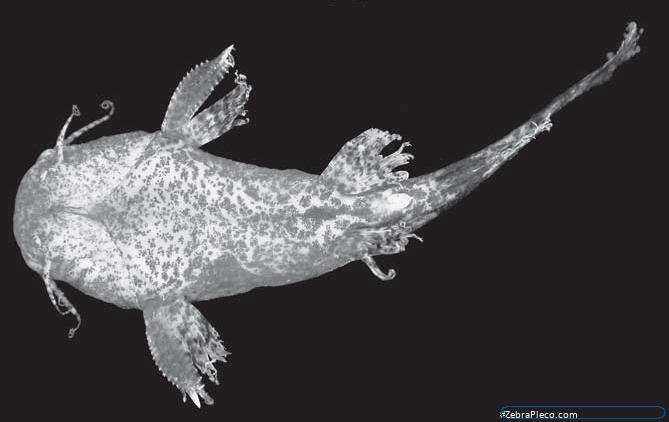
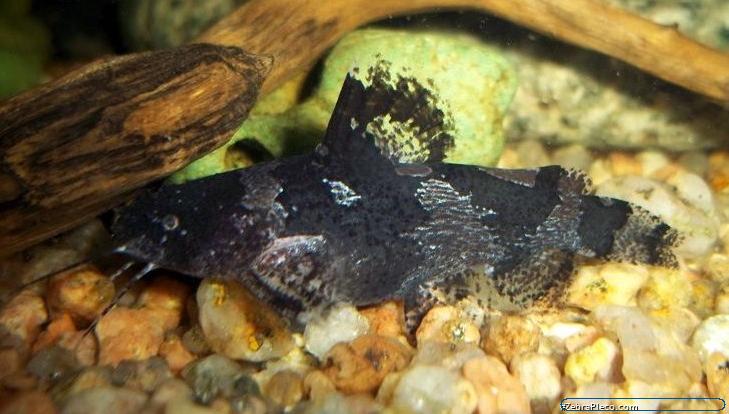
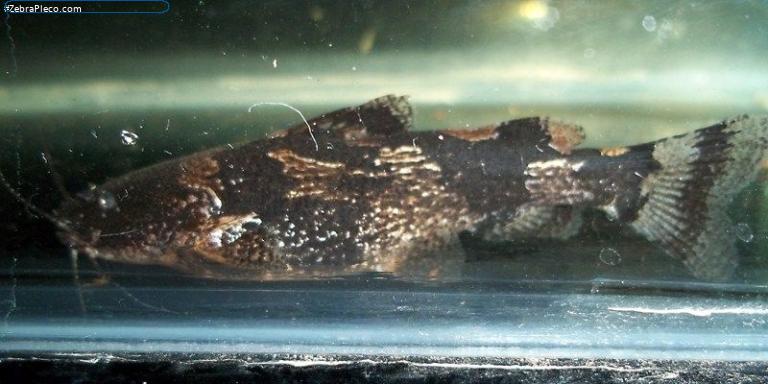
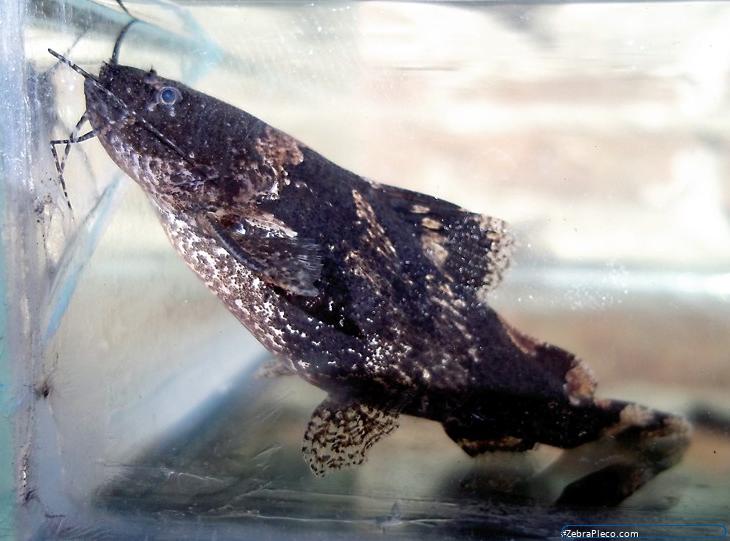
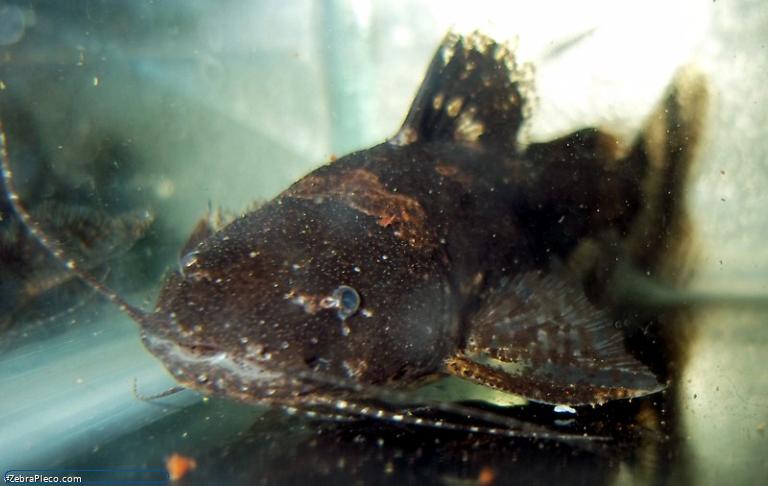
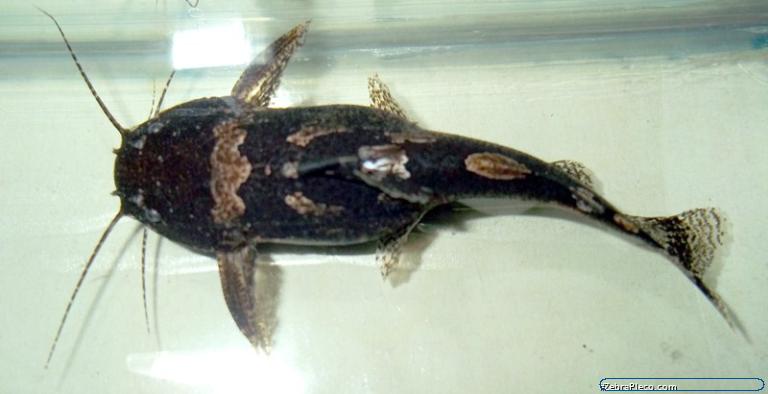
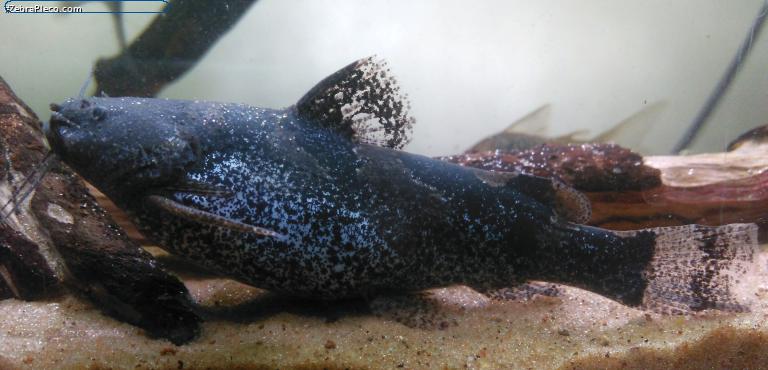
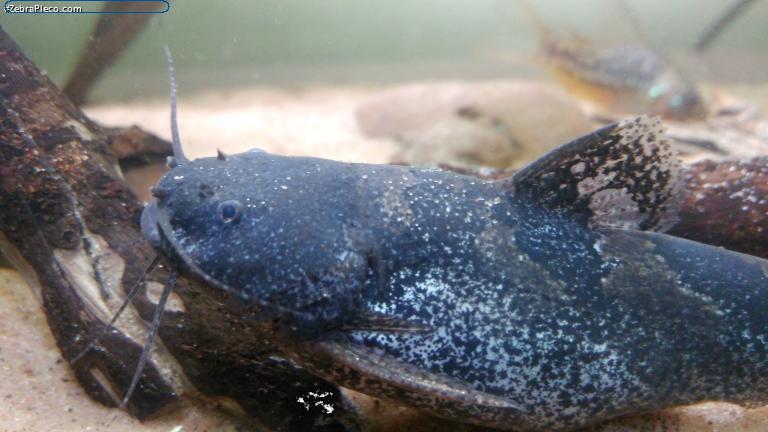
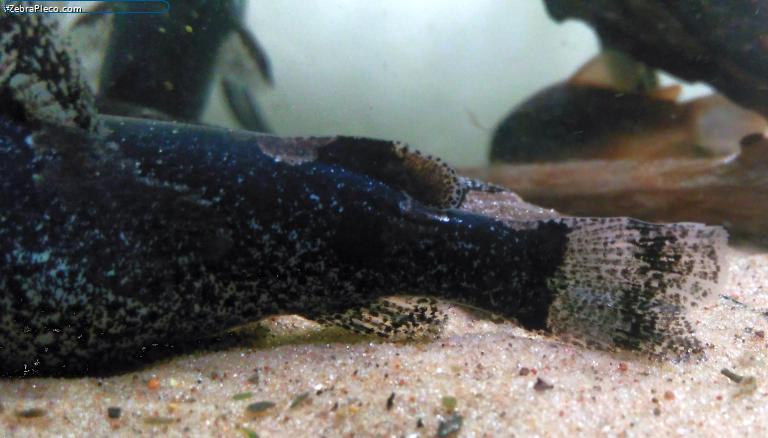
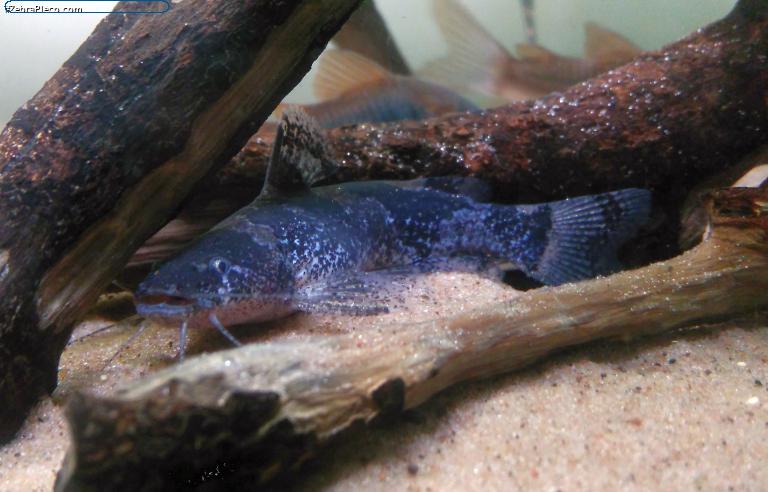
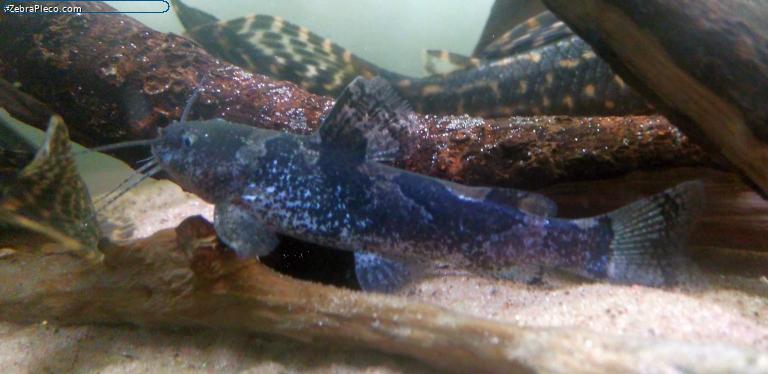
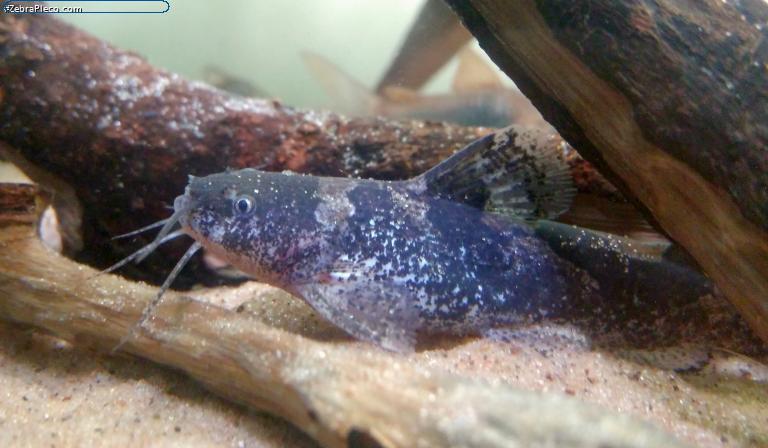
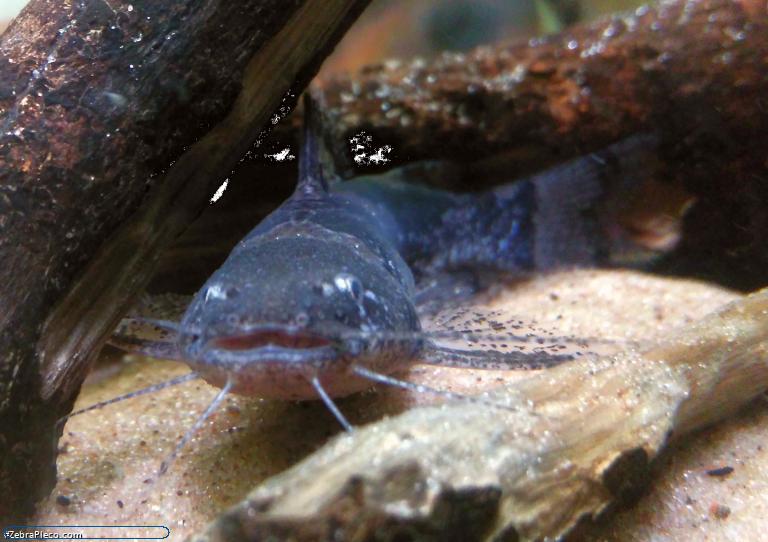
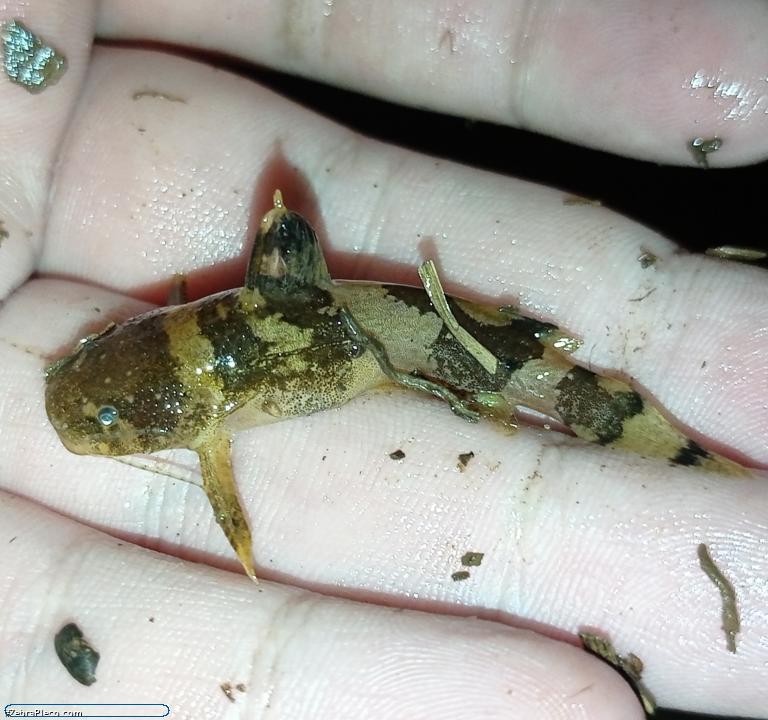
This species was distinguished originally from all other Microglanis species by the caudal fin colour pattern which is almost completely black with a narrow vertical white band across central portions of the caudal-fin rays. Since then, genetically similar fish in the rio Uruguay have been found which do not develop such a black tail. Thus, identification of this species is difficult because some populations are very similar in appearance to M. cottoides. Accurate identification requires analysis of body proportions. See Souza-Shibatta et al. PLoS ONE 13(7): e0199963.
Sexual Dimorphism (Sexing)
Well-conditioned females are conspicuously wider in the abdomen than similarly sized males.
General Remarks
This species was collected originally from the rio Ijuí, a tributary of the middle rio Uruguay, Rio Grande do Sul, Brazil. Since then, Microglanis populations collected from the rio Uruguay drainage and previously believed to be M. cottoides have been shown genetically to be indistinguishable from M. malabarbai. Similar fish have been collected in the rio Sali and may be the same species.
Taxonomy, Synonyms & Etymology
Classification history, linguistic derivations and variant forms
Etymology
Micro - small, glanis - catfish - in reference to the rather small forms of catfish that this genus contains. The specific name honors Luiz Roberto Malabarba
for his active contribution to the knowledge of the Neotropical
ichthyofauna.
There are 2 other speciesPhalloceros malabarbai
Rineloricaria malabarbai with this specific name.
Literature & Resources
Scientific publications, external links and citation tools
Literature & References
External Databases
Related Searches