PAGE_HEADER
Microglanis ater Ahl, 1936
Image Showcase
Photographs, diagnostic angles and morphological variants
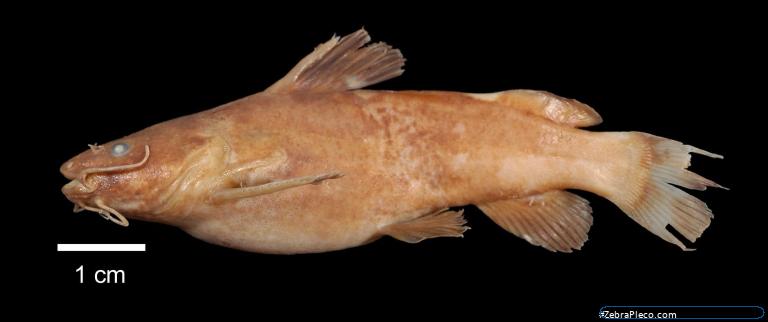
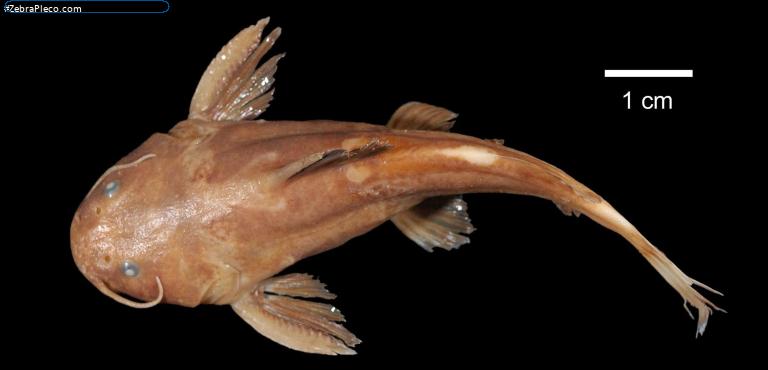
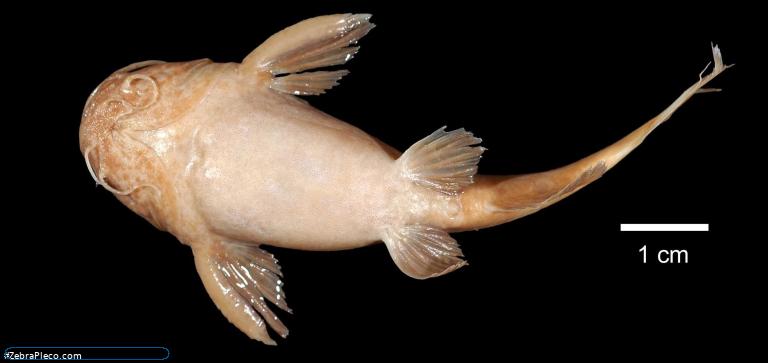
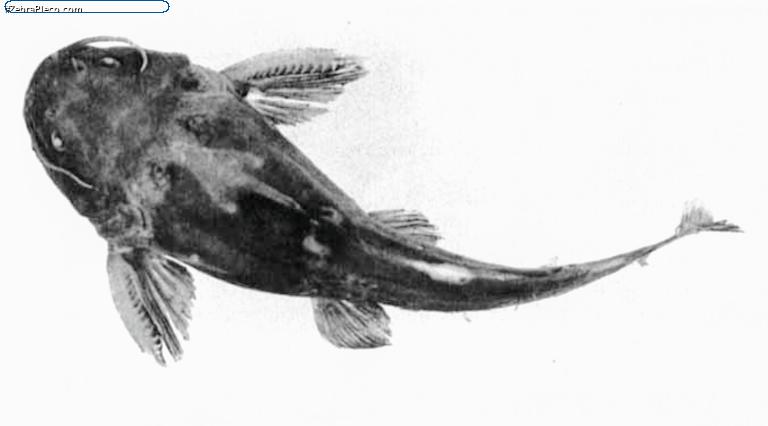
Community & Keeper Tally
Member interactions, breeding records and forum mentions
Aquarium Care & Husbandry
Dietary requirements, tank setup, compatibility and breeding
Compatibility & Suggested Tankmates
Non aggressive and sociable with its own and other species.
Tankmates: Virtually all good community fish, although any young fry present in the aquarium will be in extreme jeopardy - especially after dark.
Habitat & Water Parameters
Natural distribution, biotope water conditions and temperature ranges
Geographic Distribution
South America: Brazil.
Species Description & Identification
Morphology, diagnostic traits and sexual dimorphism
Identification
The genus Microglanis was described by Eigenmann
(1912) to include small pimelodids with the head as wide as long, the skull covered by skin only; the occipital crest small; frontal fontanel not extending much if any behind the eye, and a minute occipital fontanel sometimes present; eye without a free orbital margin; dorsal and pectoral spines well developed; and premaxillary patches of teeth without backward projecting angles.
From Ahl (1936): Body height 3 2/3 times the body length, head length 3 1/2 times. Head slightly wider than long, flat; Rounded snout; Eye 3 2/3 times the length of the snout, 7 1/2 times the length of the head, 3 1/2 times the interorbital width; Maxillary barbel as long as the mental barbel, not reaching to the beginning of the pectoral spine; Postmental barbel even shorter; Mouth wide, the corner in front of the eye; both front jaws of equal length; anterior nostrils clearly tubular; Groups of premaxillary teeth without backward protruding angles. Dorsal I 6, its distance from the tip of the snout 2 3/5 times the length of the body; the spine a little over 1/2 the length of the head. Anal 14, rounded. Base of the dorsal, anal and adipose fin about the same length. Pectoral spine strong, with large serrations
Basic colour (in alcohol) black, belly grey-white; a very indistinct, barely visible
One example, 81 mm total length, from Central Brazil (JOH. PAUL ARNOLD, Hamburg. G.); the new species differs from the few known species of the genus conspicuously in the higher number of rays in the anal (14 compared to 9-11) and in the colour.
Sexual Dimorphism (Sexing)
Well-conditioned females are conspicuously wider in the abdomen than similarly sized males.
General Remarks
According to Bizerril & Perez-Neto (1992), M. ater is very similar in appearance to M. nigripinnis. Both species are easily distinguished from all other Microglanis species by their colour pattern, with most of the body black, except for two paler bands, and with the pectoral, ventral, anal, adipose and dorsal fins almost completely black. M. ater differs from M. nigripinnis mainly in the number of anal fin rays (15 vs 12) and in having a shorter dorsal spine (2.4 in predorsal length, vs. 1.52 to 1.75).
Taxonomy, Synonyms & Etymology
Classification history, linguistic derivations and variant forms
Etymology
Micro - small, glanis - catfish - in reference to the rather small forms of catfish that this genus contains.
There are 2 other speciesGlyptothorax ater
Neosilurus ater with this specific name.
Literature & Resources
Scientific publications, external links and citation tools
Description Reference
Zoologischer Anzeiger v. 116 (nos 3/4), pp 109.
External Databases
Related Searches