PAGE_HEADER
Sturisoma rostratum (Spix & Agassiz, 1829)
Image Showcase
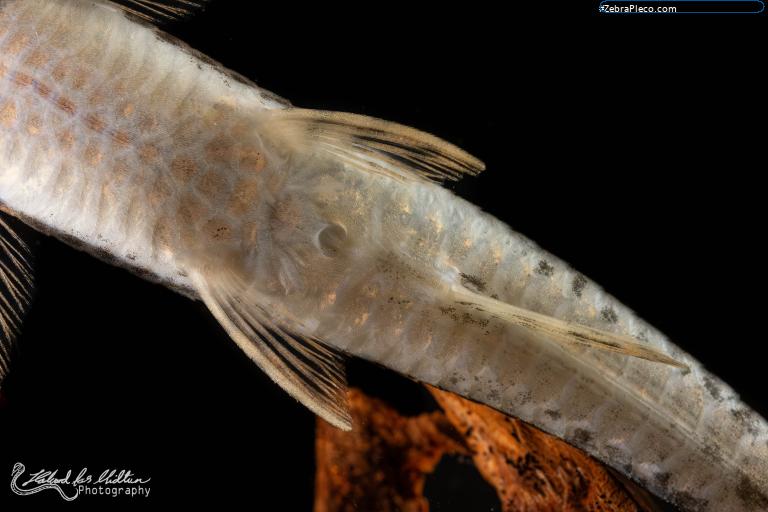
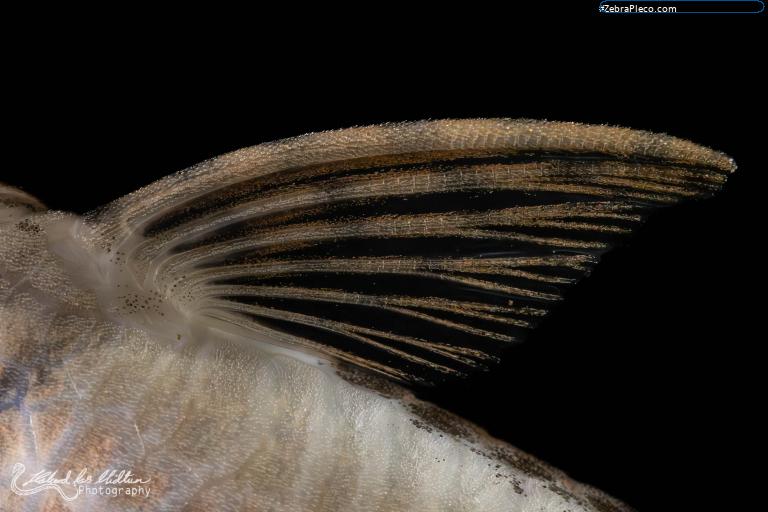
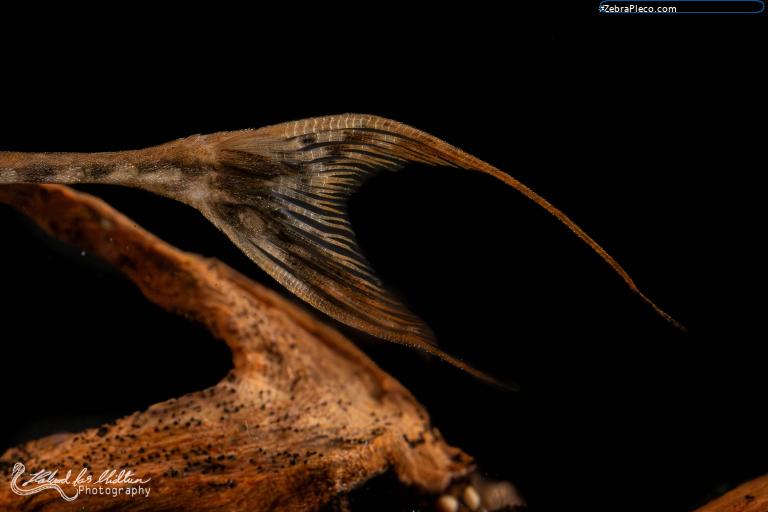
Photographs, diagnostic angles and morphological variants
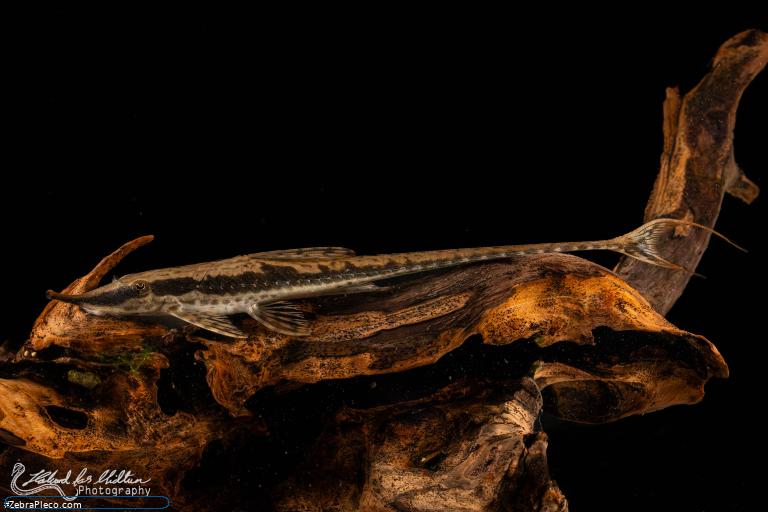
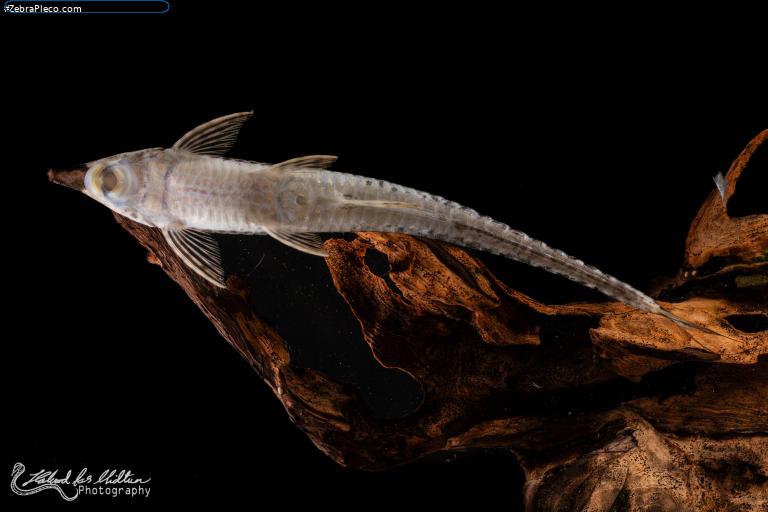
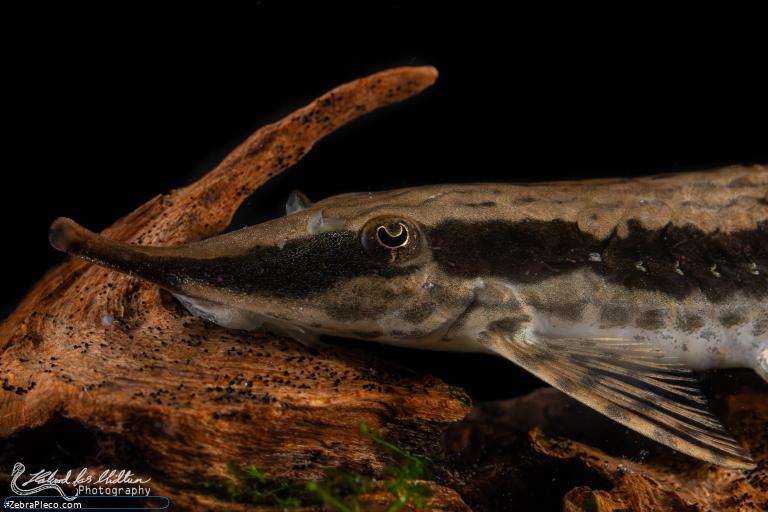
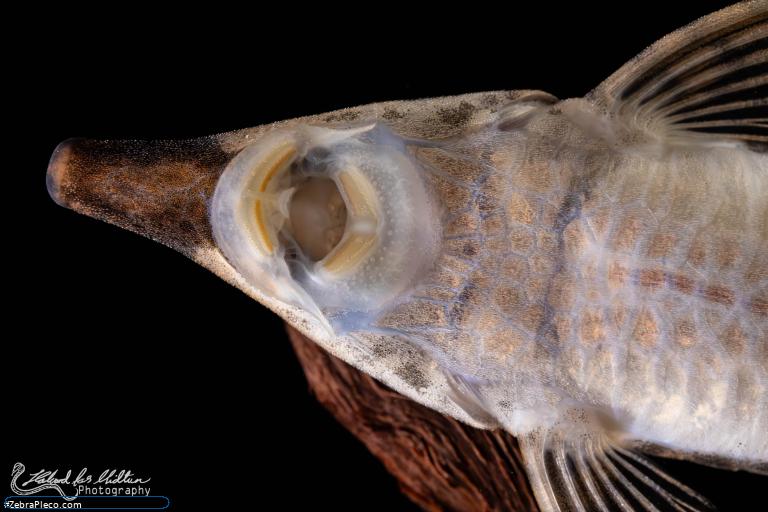
Community & Keeper Tally
Member interactions, breeding records and forum mentions
Aquarium Care & Husbandry
Dietary requirements, tank setup, compatibility and breeding
No specialised aquarium care or husbandry notes recorded yet.
Habitat & Water Parameters
Natural distribution, biotope water conditions and temperature ranges
Geographic Distribution
South America.
Amazon, Lower Amazon, Tocantins, Lower Tocantins, Araguaia (click on these areas to find other species found there)
Amazon, Lower Amazon, Tocantins, Upper Tocantins, Maranhão (Tocantins) (click on these areas to find other species found there)
Maranhão waters, Pindaré, Mearim (click on these areas to find other species found there)
Amazon, Lower Amazon, Tapajós (click on these areas to find other species found there)
Amazon, Lower Amazon, Tocantins (click on these areas to find other species found there)
Login to view the map.
Species Description & Identification
Morphology, diagnostic traits and sexual dimorphism
Identification
Sturisoma and Sturisomatichthys can be difficult to tell apart. Older descriptions of the genera emphasized the length of the snout (elongated in Sturisoma), but this trait is not reliable across species. Recent analyses allow discrimination based on the abdominal plates, fin colors and lateral plates: Sturisoma has its central abdominal plates arranged in three clearly-defined longitudinal series; all fins (except sometimes pectoral fins) lack dark spots; and 20–21 lateral plates in median series. Sturisomatichthys has its central abdominal plates less organized, not arranged in clearly-defined longitudinal series; dark spots usually present on one or more of the dorsal-, pectoral-, pelvic, or anal-fins; and 15–18 lateral plates in median series. Furthermore, to date all Sturisoma are cis-Andean; most (but not all) Sturisomatichthys are trans-Andean.
Taxonomy, Synonyms & Etymology
Classification history, linguistic derivations and variant forms
Synonyms
Loricaria rostrata
Etymology
German, sturio = sturgeon, + Greek, soma = body.
Literature & Resources
Scientific publications, external links and citation tools
Description Reference
Selecta genera et species piscium quos in itinere per Brasiliam, pp 5, Pl. 3 (figs. 1-2).
External Databases
Related Searches