
PAGE_HEADER
Image Showcase
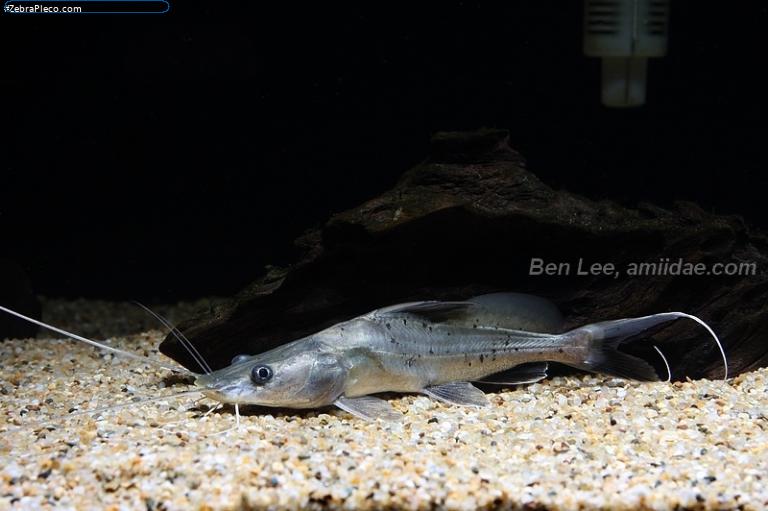
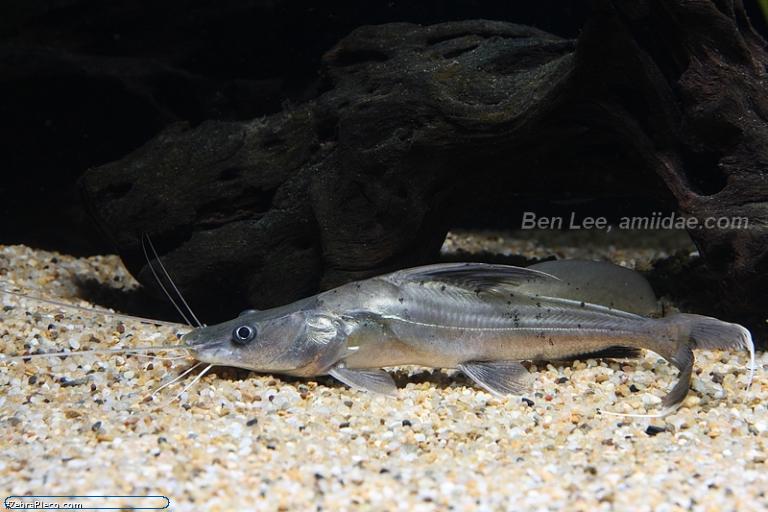
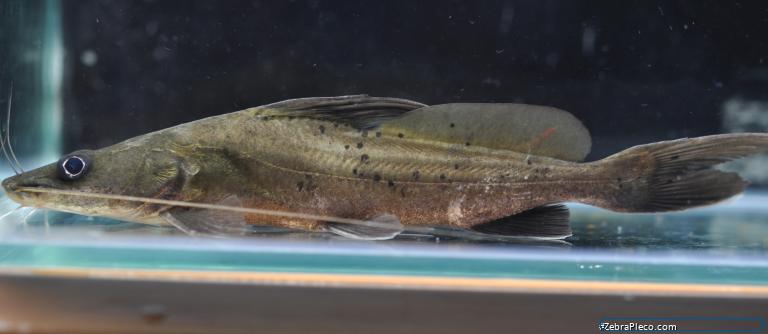
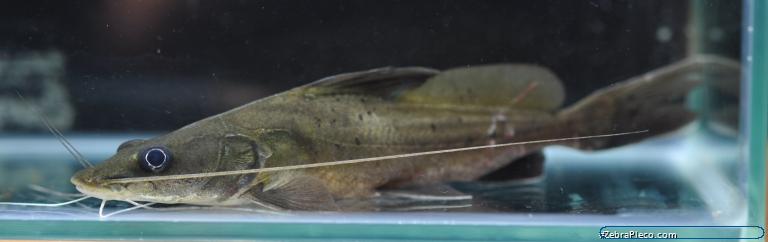
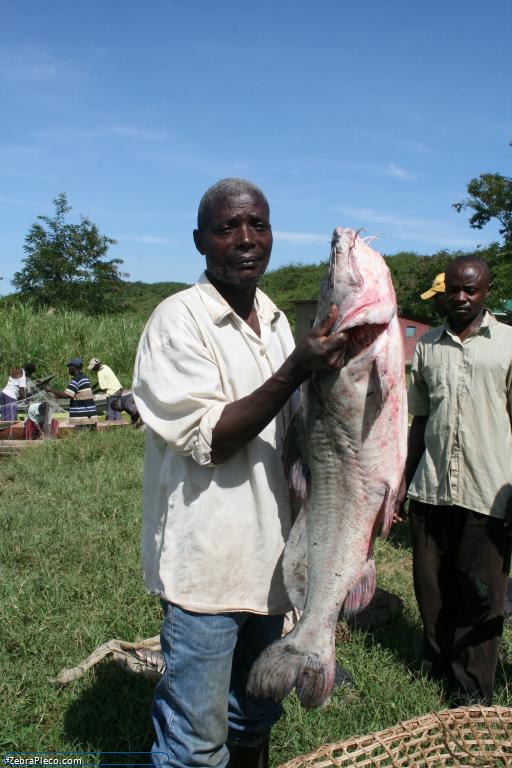
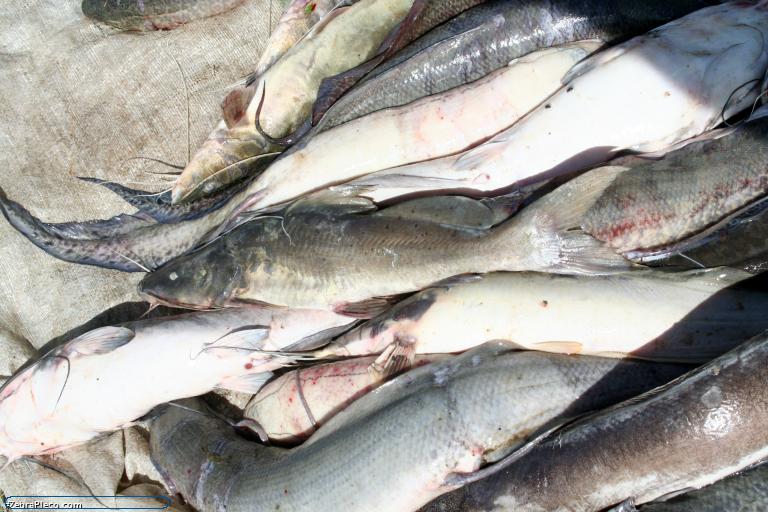
Photographs, diagnostic angles and morphological variants
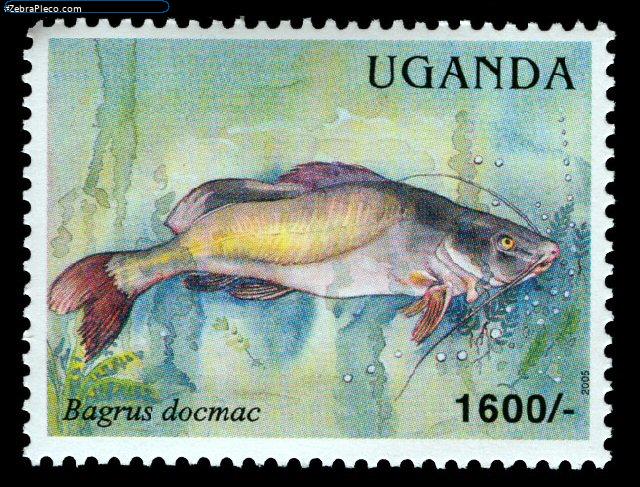
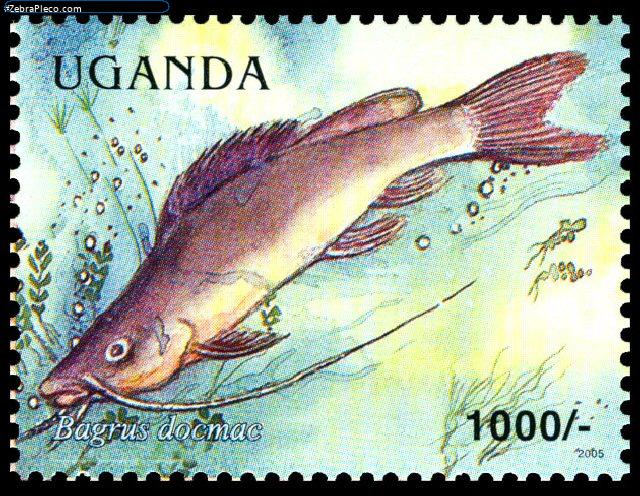
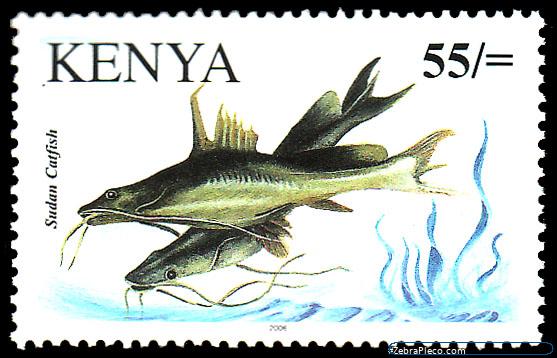
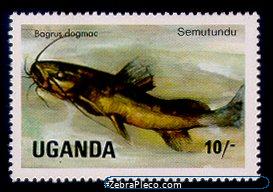
Community & Keeper Tally
Member interactions, breeding records and forum mentions
Aquarium Care & Husbandry
Dietary requirements, tank setup, compatibility and breeding
Feeding & Diet
Readily feeds on live/frozen foods and other prepared foods such as pellets. Will eat smaller fishes. [View Member Food Stats]
Aquarium Furniture & Decor
Provide plenty of driftwood as hiding places.
Compatibility & Suggested Tankmates
Although young fish can be kept with other fish of equal or larger sizes, adult fish are aggressive and should be kept alone.€
Breeding Notes
Unreported in the aquarium.
Habitat & Water Parameters
Natural distribution, biotope water conditions and temperature ranges
Geographic Distribution
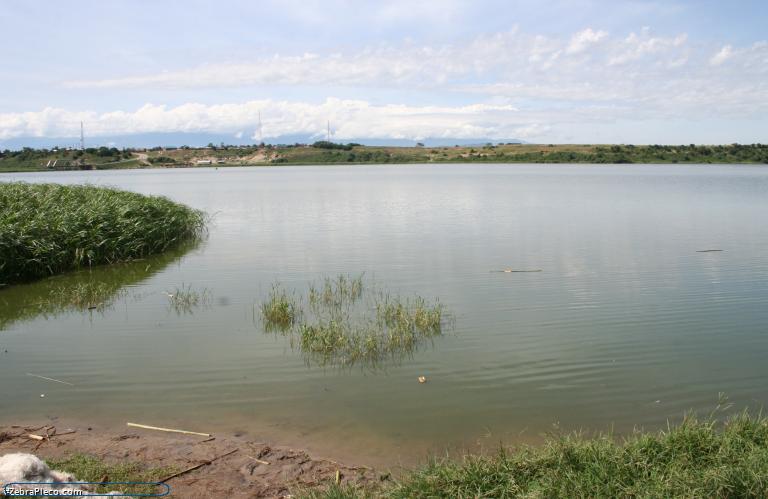
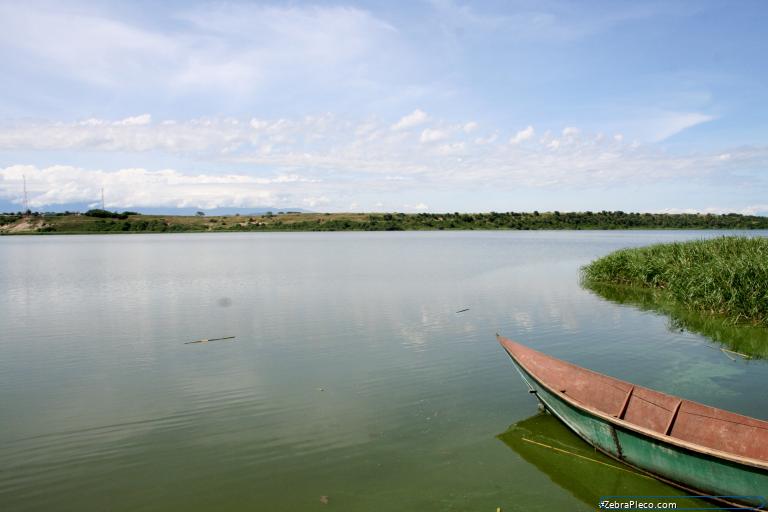
Africa: Nile, Niger, Senegal, Volta and Lake Chad basins. East African rift lakes, except Lake Kivu, where it was introduced in 1959 and 1960, apparently without success.
African Waters, Chad (click on these areas to find other species found there)
African Waters, Eastern Rift Valley Lakes (click on these areas to find other species found there)
African Waters, Nigeria Waters, Niger (click on these areas to find other species found there)
African Waters, Nile (click on these areas to find other species found there)
African Waters, Sénégal (click on these areas to find other species found there)
African Waters, Volta (click on these areas to find other species found there)
Login to view the map.
Species Description & Identification
Morphology, diagnostic traits and sexual dimorphism
Identification
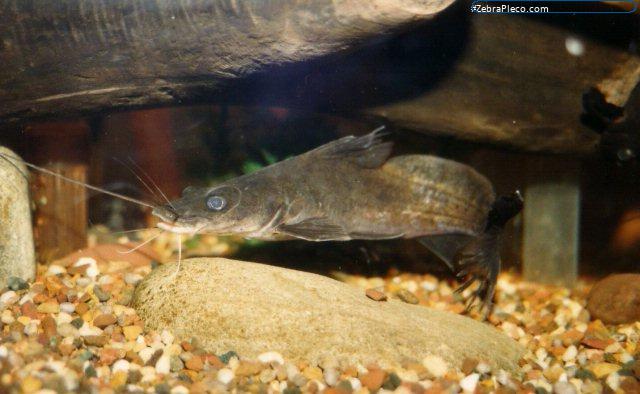
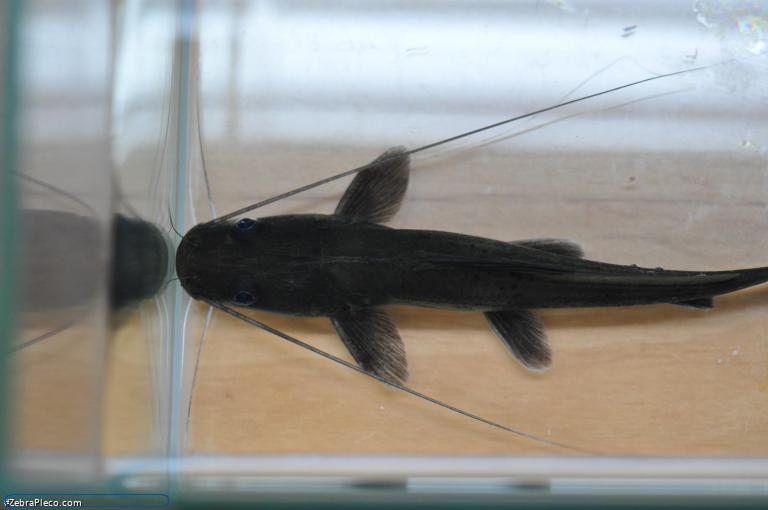
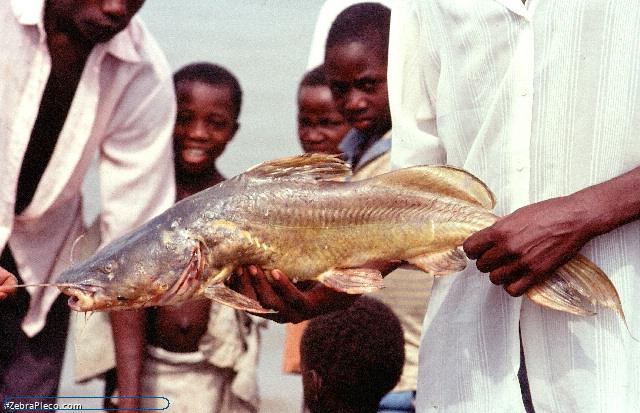
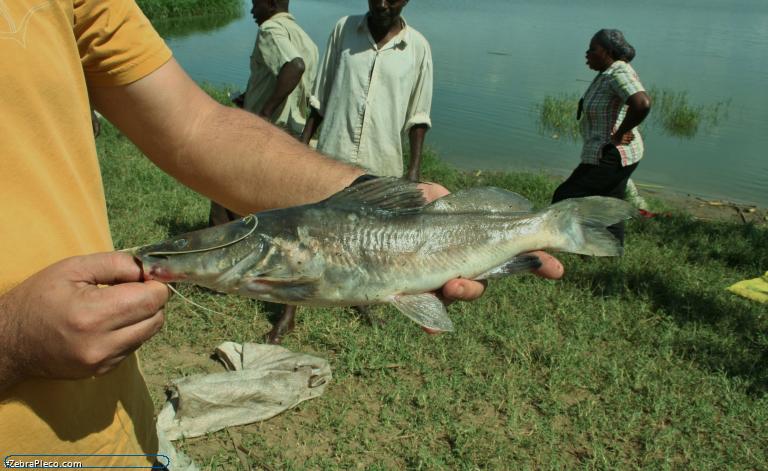
Distinguished in having dorsal fin rays hardly or not filamentous and head width 1.4-1.6 times in head length.
Sexual Dimorphism (Sexing)
Males have an elongate genital papilla in front of the anal fin.
General Remarks
Widespread in both shallow and deep water. Feeds on insects, crustaceans, mollusks and fish.
Taxonomy, Synonyms & Etymology
Classification history, linguistic derivations and variant forms
Synonyms
Bagrus docmac, Bagrus docmac docmac, Bagrus docmac niger, Bagrus docmak niger, Bagrus docmar, Bagrus docmoc, Bagrus domac, Bagrus koenigi, Porcus docmac, Porcus docmac docmac, Porcus docmac niger, Silurus docmac, Silurus docmak
Pronunciation
BAG russ - DOCK mack
Etymology
The generic name comes from the Mozarabic bagre, taken from the Greek pagros, meaning a fish (Dentex sp.). The origin of the specific epithet is unclear and may come from a local name of the fish.
Literature & Resources
Scientific publications, external links and citation tools
Literature & References
External Databases
Related Searches

