PAGE_HEADER
Batasio convexirostrum Darshan, Anganthoibi & Vishwanath, 2011
Image Showcase
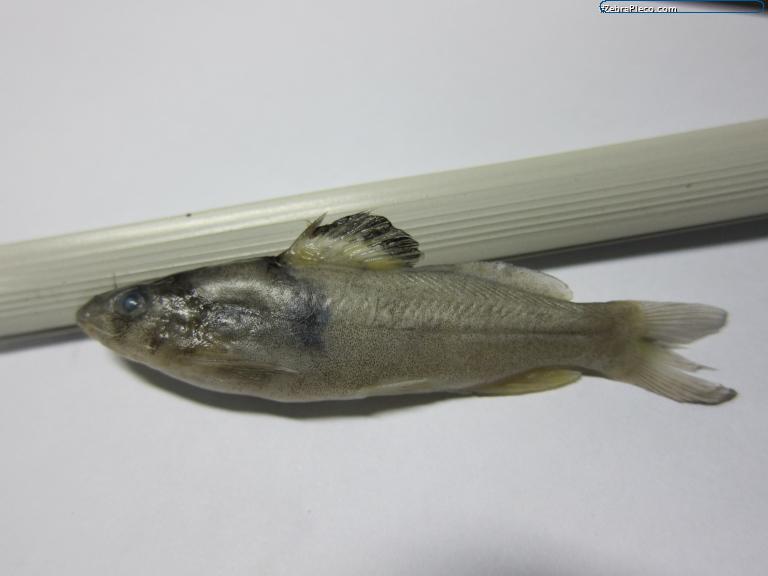
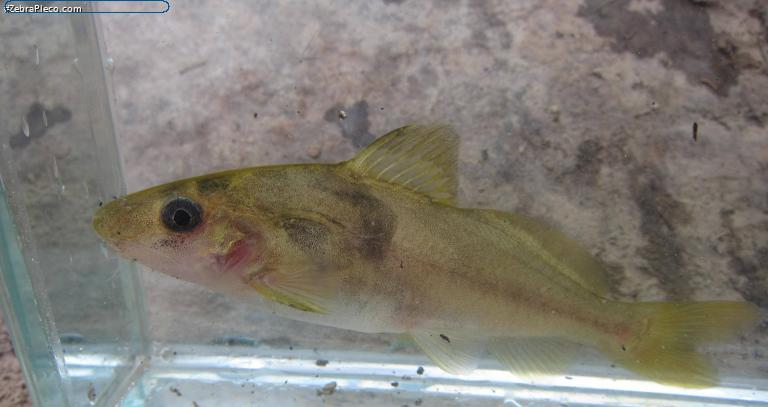
Photographs, diagnostic angles and morphological variants
Community & Keeper Tally
Member interactions, breeding records and forum mentions
Aquarium Care & Husbandry
Dietary requirements, tank setup, compatibility and breeding
Feeding & Diet
Is known to take processed food but prefers live food like blood worms, frozen brine shrimp etc. Needs sometime to gradually get weaned off live foods. Spot feeding will help in case tank mates are voracious feeders. [View Member Food Stats]
Aquarium Furniture & Decor
Fine sand for the bottom and smooth pebbles / rocks. Cover / hiding spots can be created with either plants or wood.
Compatibility & Suggested Tankmates
A peaceful species suitable for a hillstream biotope.
Tankmates: Peaceful Cyprinids like Puntius and Balitorine loaches like Schistura or Nemacheilus species.
Breeding Notes
No member of this genus has been bred in the aquarium.
Habitat & Water Parameters
Natural distribution, biotope water conditions and temperature ranges
Geographic Distribution
The species is presently known only from the Koladyne River and the Mat River (a tributary of the former) in Mizoram State, India.
Indian waters, North Eastern India Waters, Kaladan (click on these areas to find other species found there)
African Waters, Angola Waters, Mat (click on these areas to find other species found there)
Login to view the map.
Species Description & Identification
Morphology, diagnostic traits and sexual dimorphism
Identification
The bagrid genus Batasio Blyth comprises of small, laterally compressed catfishes distributed in South and Southeast Asia, diagnosed from its confamilials in having large sensory pores on the head, a narrow mental region, a pair of posteriorly-directed processes on the anterior part of vomer, a transversely-elongated bar-like entopterygoid, and the metapterygoid in close contact with the quadrate but free from the hyomandibular (Mo, 1991).
Batasio convexirostrum is distinguished from its congeners (except B. dayi, B. elongatusand B.procerus) in having a head and body coloration consisting of only a dark-brown vertical predorsal bar (vs. predorsal bar absent altogether, or if present, in combination with either a mid-lateral stripe, a dark-brown spot, or a series of vertical bars posteriorly) against a lighter-brown body. It differs from B. dayi in having a longer snout (length:39.2–45.5% HL vs. 35.5–38.7% HL), a greater number of pectoral-fin rays (9–10 vs. 8) and vertebrae (39–40 vs.36–38), and the dorsal fin dark grey at base and distal one-third, hyaline in between (vs. black, hyaline close to its base); and from both B. procerus and B. elongatus in having a shorter dorsal-to-adipose distance (1.7–4.1% SL vs.4.4–14.2), and fewer gill rakers on the first branchial arch (4–5 vs. 9–27). Batasio convexirostrum further differs from B. procerus in having a greater eye diameter (24.6–29.8 vs. 17.2–22.6% HL), a deeper head (19.6–21.7% SL vs. 16.8–18.6), a longer snout (39.2–45.5% HL vs. 33.8–38.3) and a longer pectoral-spine (14.6–17.6% SL vs. 8.9–13.2), a greater number of pectoral-fin rays (9–10 vs. 7–8), and fewer vertebrae (39–40 vs. 41–43); and from B.elongatus in having a deeper body (20.2–21.6% SL vs. 15.8–19.3) and a greater number of vertebrae (39–40 vs.36–38).
Sexual Dimorphism (Sexing)
Not known.
General Remarks
Not exported for the trade as yet.
Taxonomy, Synonyms & Etymology
Classification history, linguistic derivations and variant forms
Pronunciation
bah tah see oh - con vex ee rost rum
Etymology
The genus name comes from the local (Bengali) name of the fish (batasio or batashi). The specific name is derived from the Latin convexus, meaning rounded/curving out; and rostrum, meaning snout: formed as an adjective.
Literature & Resources
Scientific publications, external links and citation tools
Literature & References
External Databases
Related Searches