PAGE_HEADER
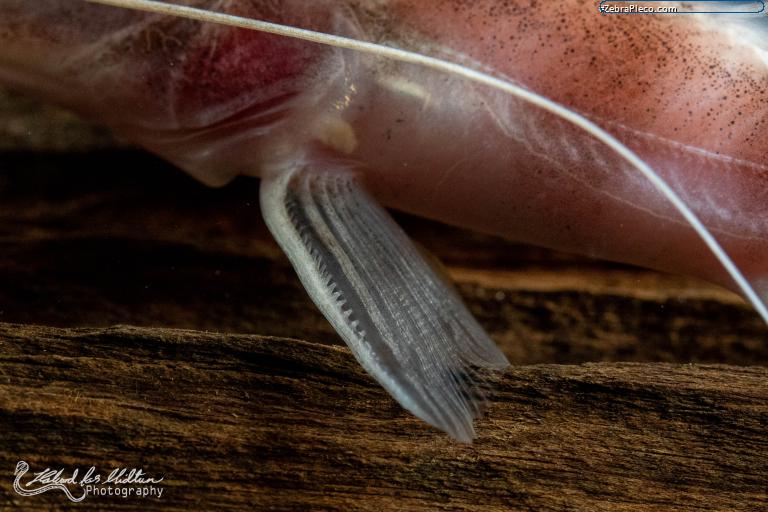
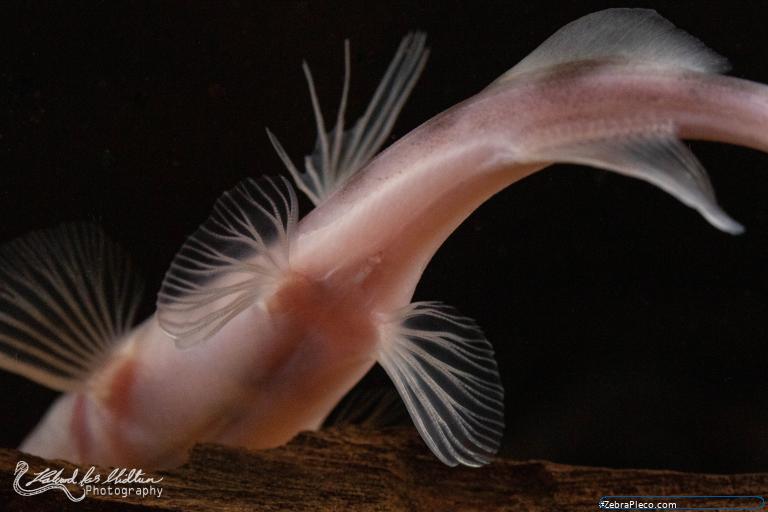
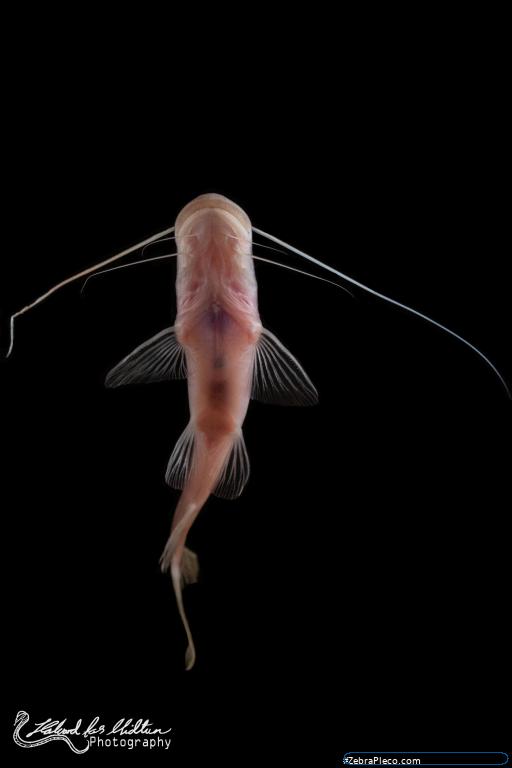
Brachyplatystoma tigrinum (Britski, 1981)
Image Showcase
Photographs, diagnostic angles and morphological variants
Community & Keeper Tally
Member interactions, breeding records and forum mentions
Aquarium Care & Husbandry
Dietary requirements, tank setup, compatibility and breeding
Feeding & Diet
A predator that eats other fishes. Newly caught specimens may need some time before they learn to eat dead food, and thus may require feeding live "feeder fish", but they can be trained to eat pieces of fish. Pieces of marine fish is considered better than freshwater fish as it's much less likely to contain transferable parasites. [View Member Food Stats]
Aquarium Furniture & Decor
Needs a highly oxygenated aquarium with a massive amount of current. Substrate should be sand/gravel with stones and driftwood placed to form hiding places.
Compatibility & Suggested Tankmates
Other large fishes with similar habitat requirements.
Tankmates: Large loricariids and other large current loving pimelodids.
Breeding Notes
Unreported in the aquarium.
Habitat & Water Parameters
Natural distribution, biotope water conditions and temperature ranges
Geographic Distribution
South America: Amazon River basin.
Amazon, Middle Amazon (Solimoes), Japurá, Caquetá (click on these areas to find other species found there)
Amazon, Middle Amazon (Solimoes), Madeira (click on these areas to find other species found there)
Login to view the map.
Species Description & Identification
Morphology, diagnostic traits and sexual dimorphism
Identification
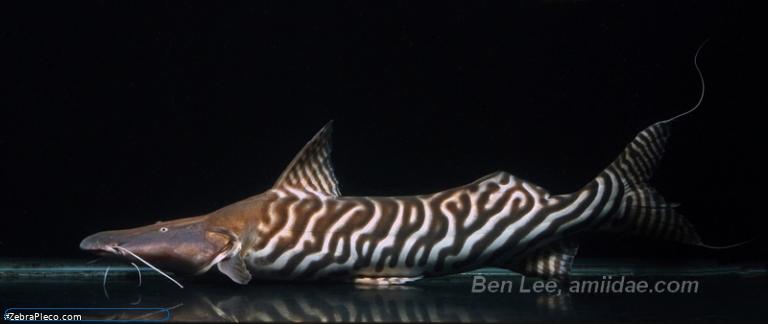
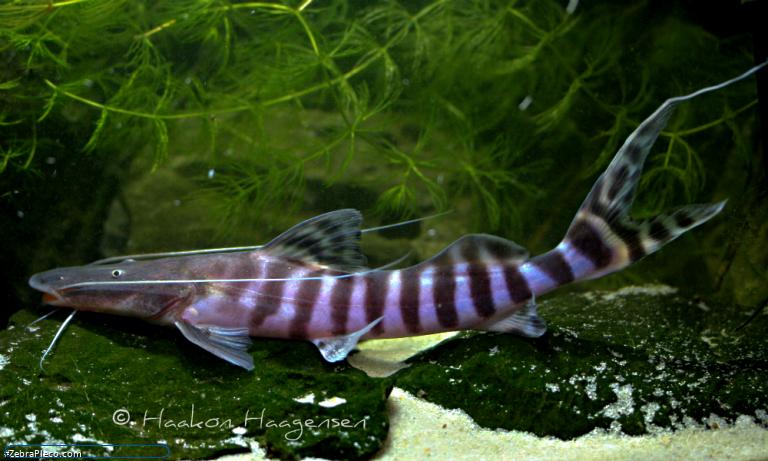
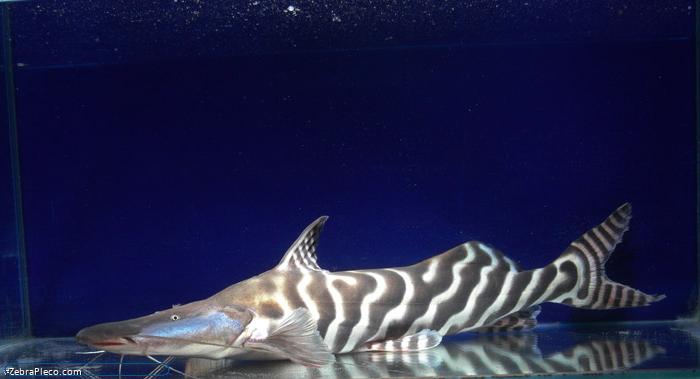
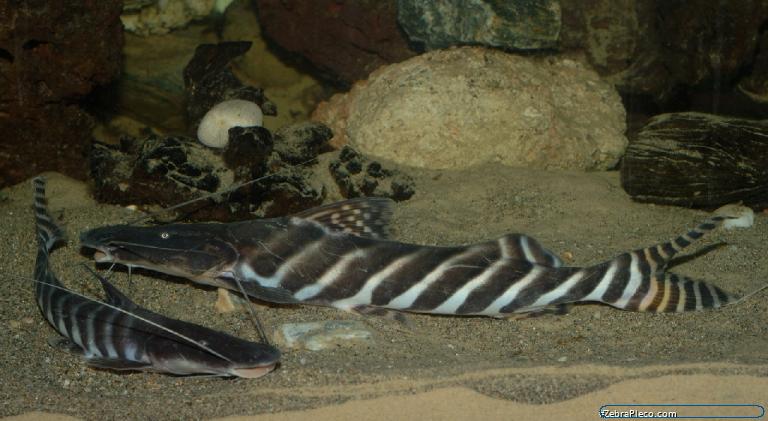
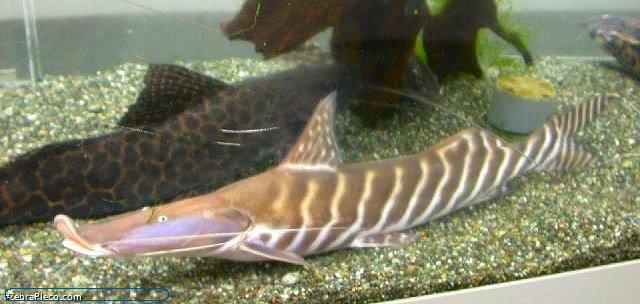
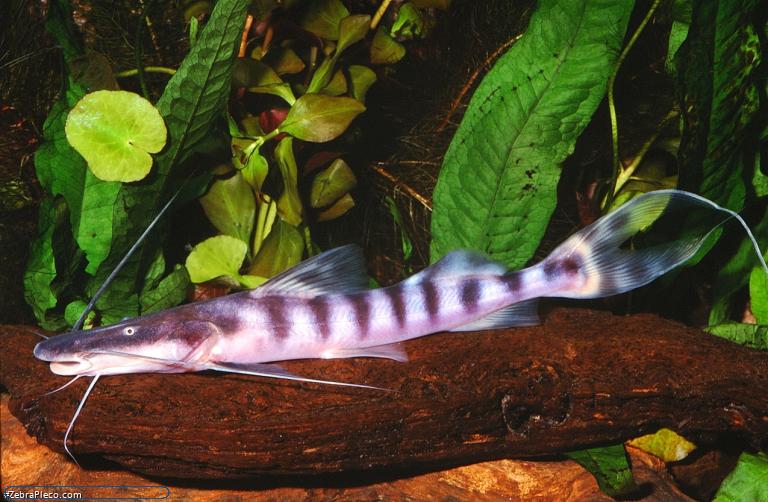
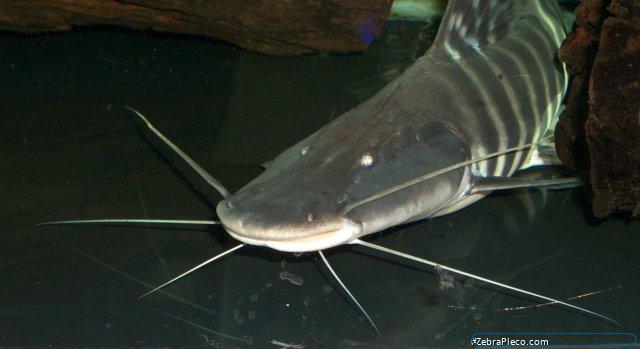
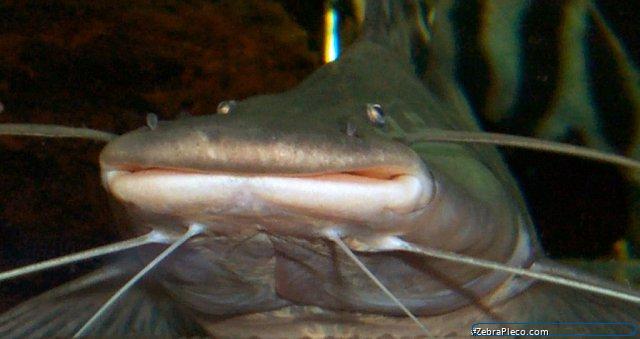
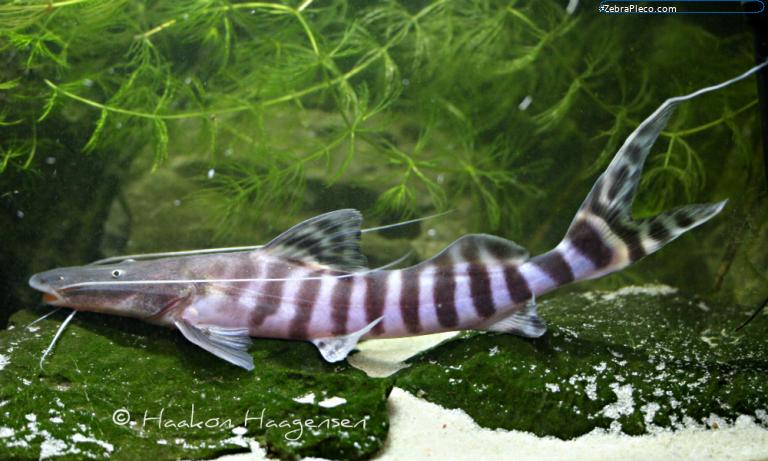
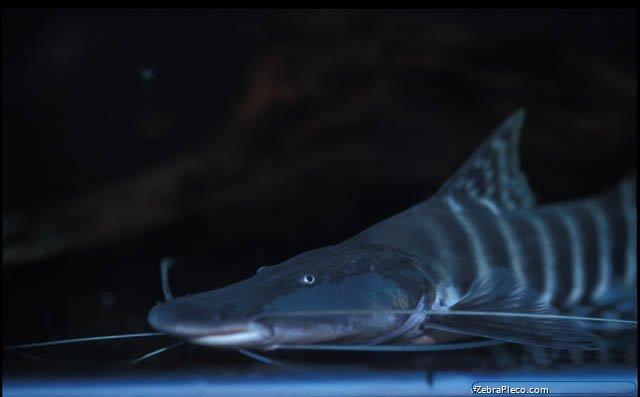
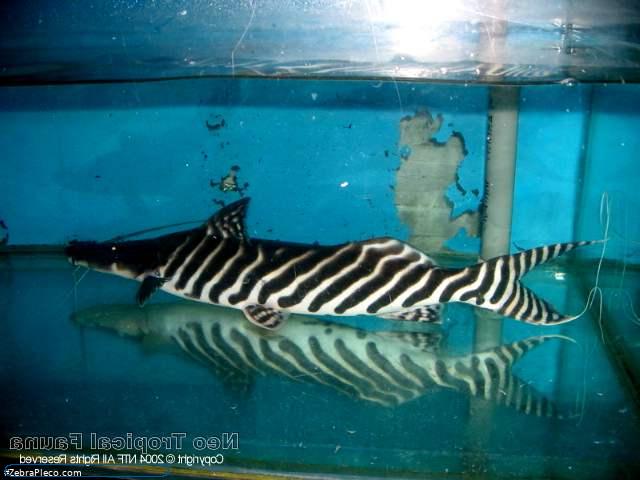
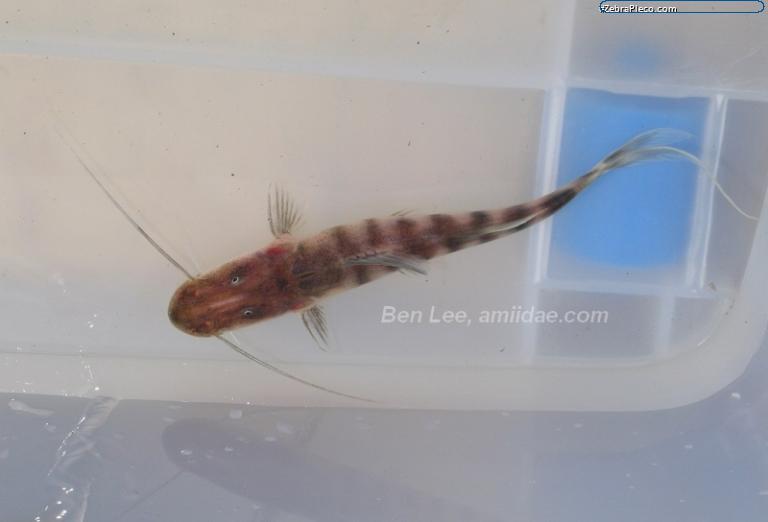
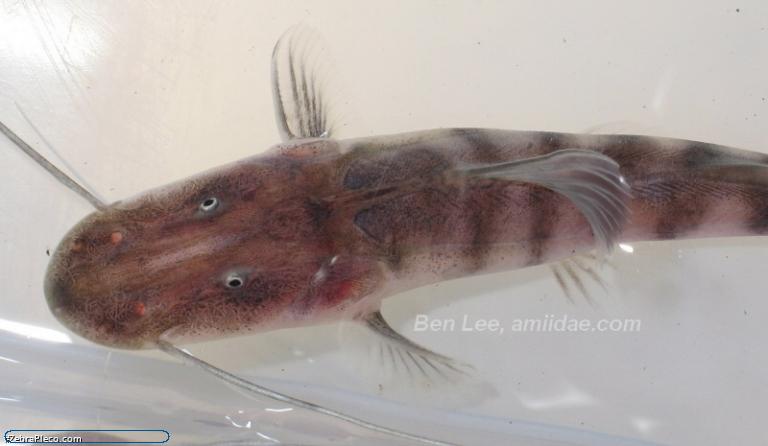
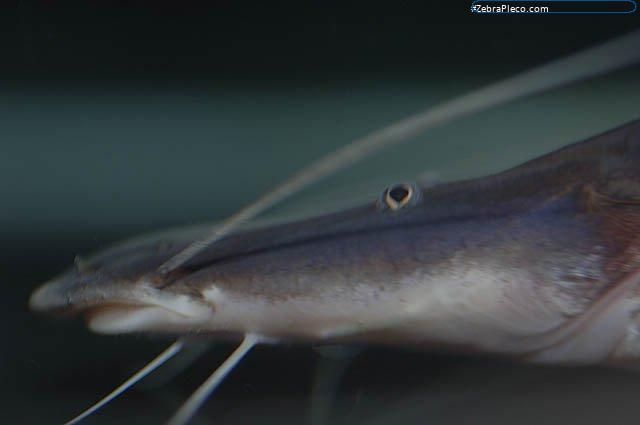
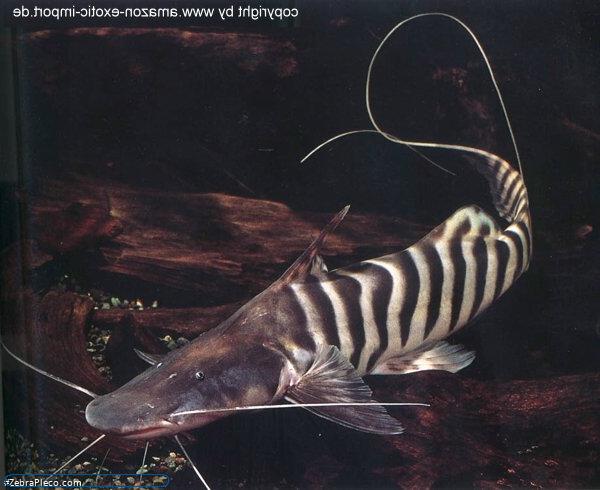
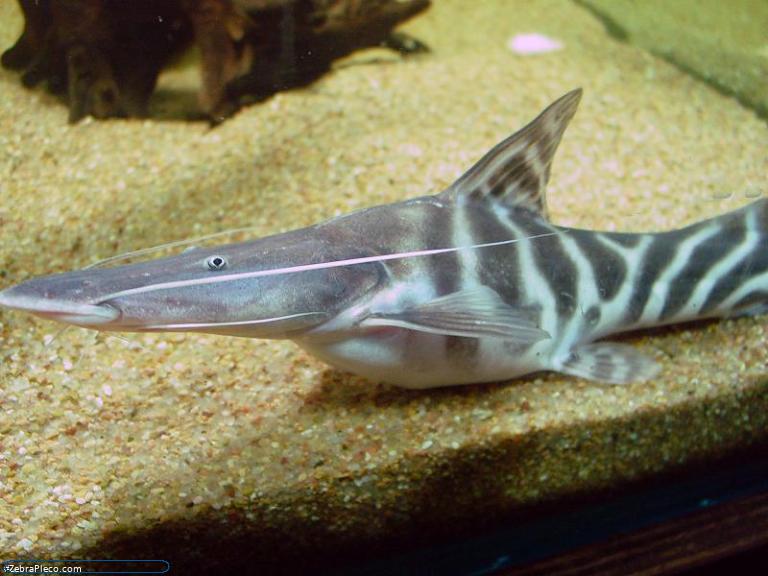
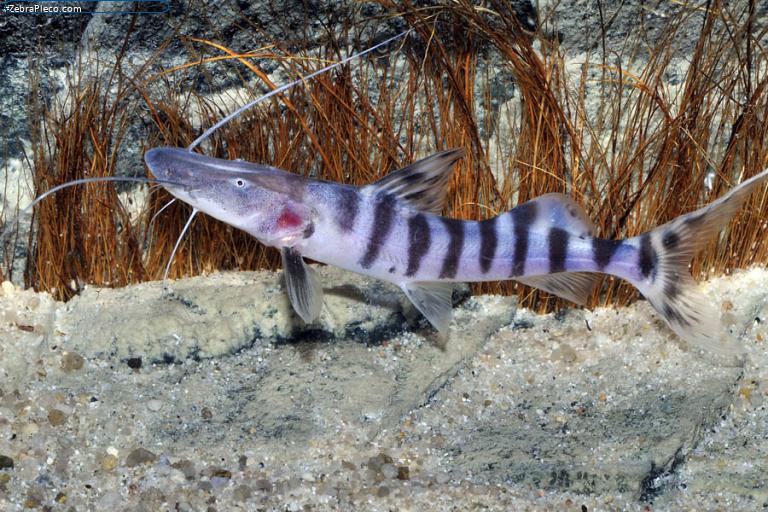
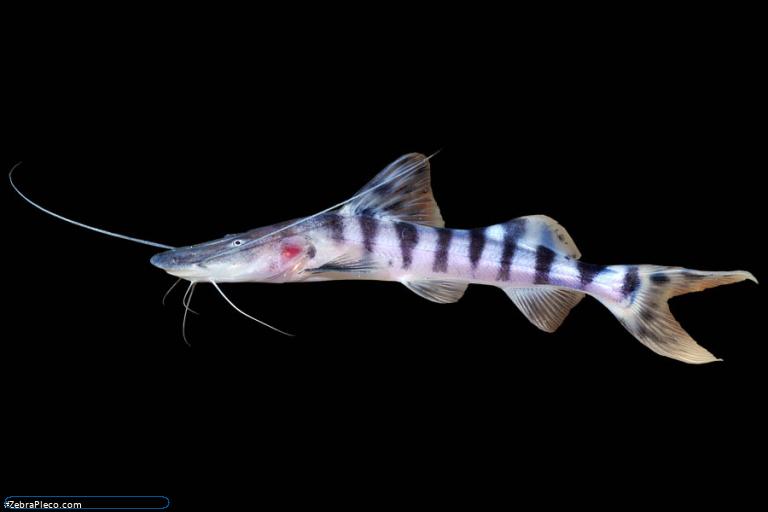
Head elongate and compressed, becoming narrower to the front, lower jaw shorter than upper. Upper and lower caudal filaments. Can be confused with Brachyplatystoma juruense, but the stripes of B. tigrinus are continuous when viewed laterally while those of B. juruense are broken or divided.
General Remarks
While its maximum size of 60 cm would appear to make this beautiful fish an ideal inhabitant for a large aquaria, its need for massive current and high oxygen levels would have to be taken into account to design an appropriate aquarium.
Taxonomy, Synonyms & Etymology
Classification history, linguistic derivations and variant forms
Synonyms
Merodontotus tigrinus
Pronunciation
- tie green uss
Etymology
Greek, brachys, eia = short + Greek, platys = flat + Greek, stoma = mouth. This specific epithet literally means tiger(tigrinum=tiger) and refers to the stripes on its body.
There is 1 other speciesPseudoplatystoma tigrinum with this specific name.
Literature & Resources
Scientific publications, external links and citation tools
Literature & References
External Databases
Related Searches