PAGE_HEADER
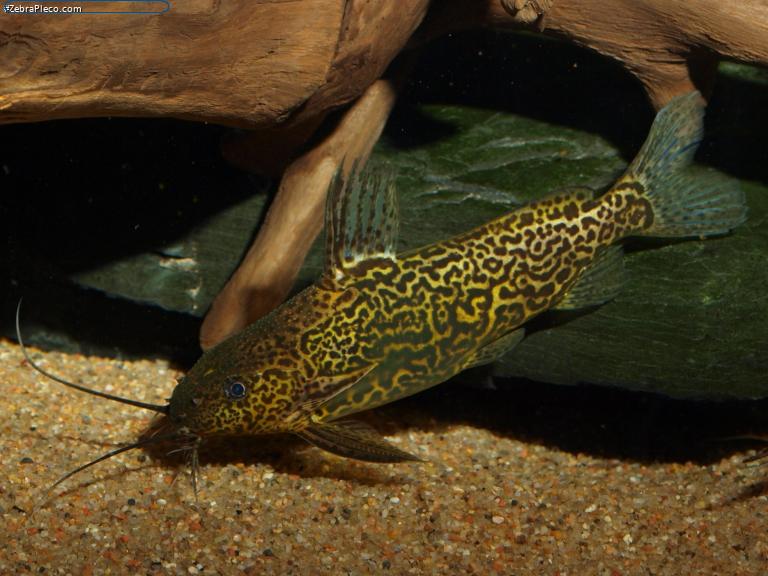
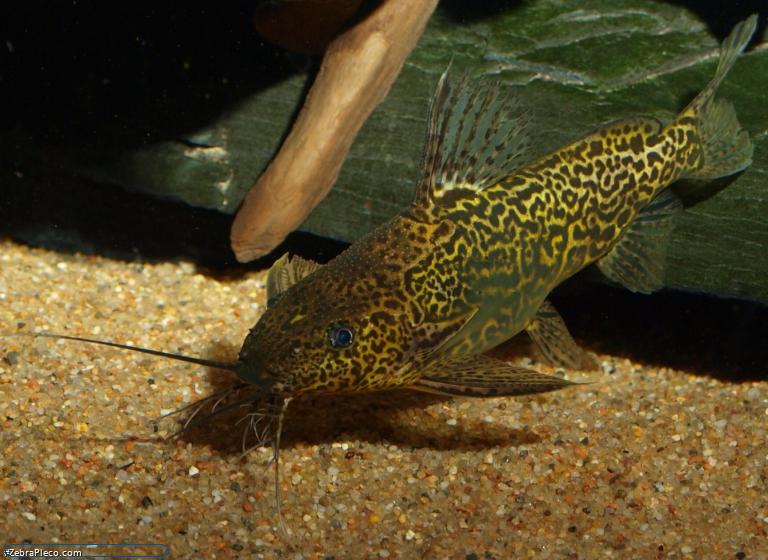
Synodontis schoutedeni David, 1936
Image Showcase
Photographs, diagnostic angles and morphological variants
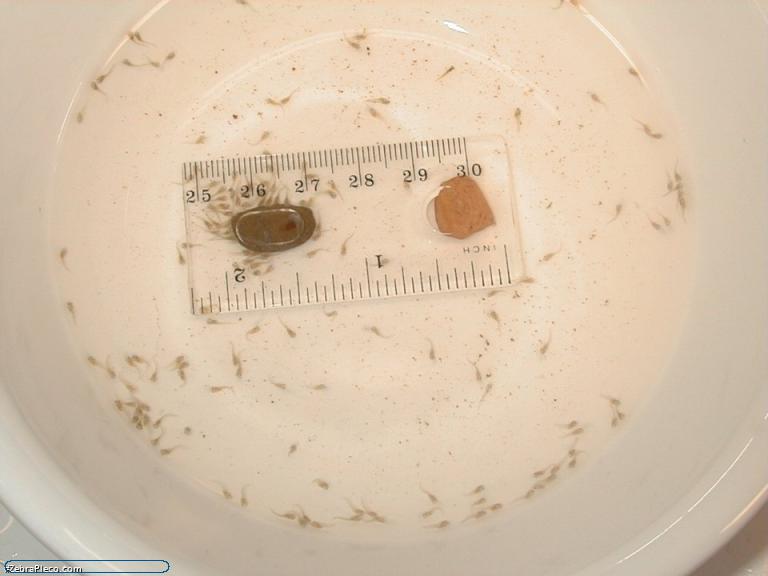
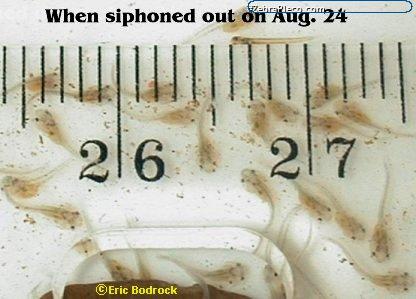
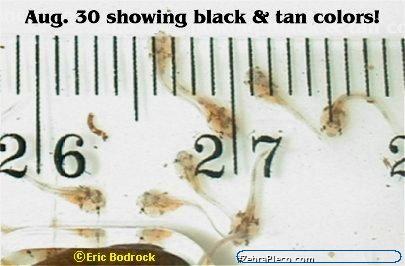
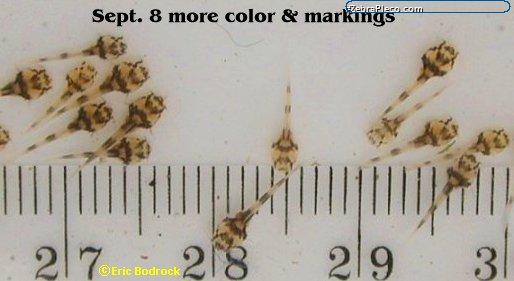
Community & Keeper Tally
Member interactions, breeding records and forum mentions
Aquarium Care & Husbandry
Dietary requirements, tank setup, compatibility and breeding
Feeding & Diet
Omnivorous. This fish is not a fussy eater. [View Member Food Stats]
Aquarium Furniture & Decor
A big pile of rocks with plenty of spaces between the rocks or a jumble of pipes are best. These should be arranged so that the fish can rest upside down or vertically but rarely the ''normal'' way up.
Compatibility & Suggested Tankmates
Territorial but, as Synodontis go, unaggressive.
Tankmates: Larger barbs, rainbowfish perhaps and medium sized cichlids.
Breeding Notes
See Shane's World article.
Habitat & Water Parameters
Natural distribution, biotope water conditions and temperature ranges
Geographic Distribution
Africa: central Democratic Republic of the Congo.
African Waters, Congo, Middle Congo (click on these areas to find other species found there)
Login to view the map.
Species Description & Identification
Morphology, diagnostic traits and sexual dimorphism
Identification
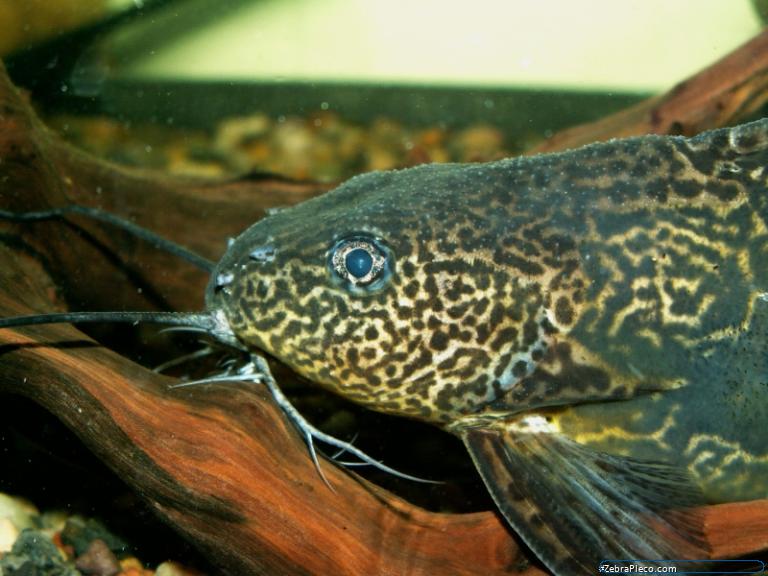
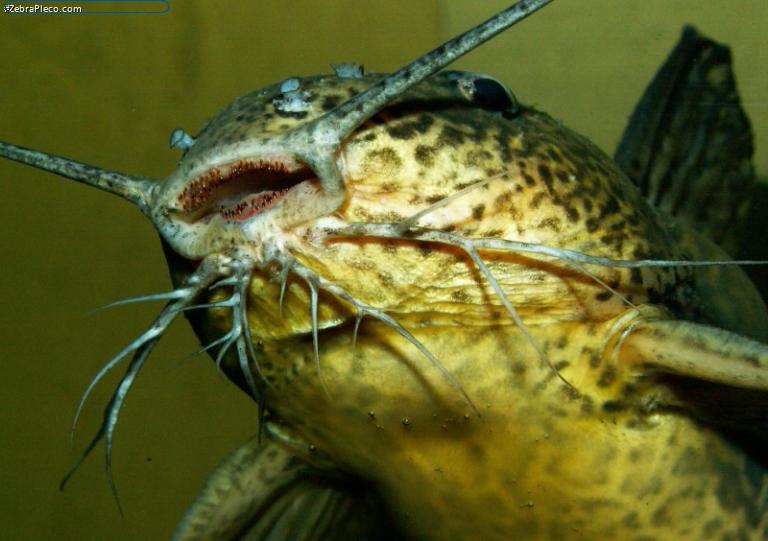
All species in the genus Synodontis have a hardened head cap that has attached a process (humeral process) which is situated behind the gill opening and pointed towards the posterior. The dorsal fin and pectoral fins have a hardened first ray which is serrated. Caudal fin is always forked. There is one pair of maxillary barbels, sometimes having membranes and occasionally branched. The two pairs of mandibular barbels are often branched and can have nodes attached. The cone-shaped teeth in the upper jaw are short. S-shaped and movable in the lower jaw. These fish produce audible sounds when disturbed rubbing the base of the pectoral spine against the pectoral girdle.
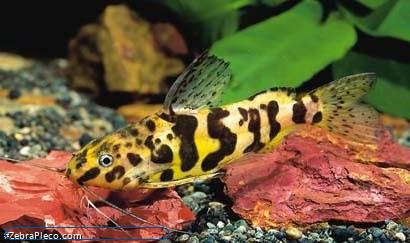
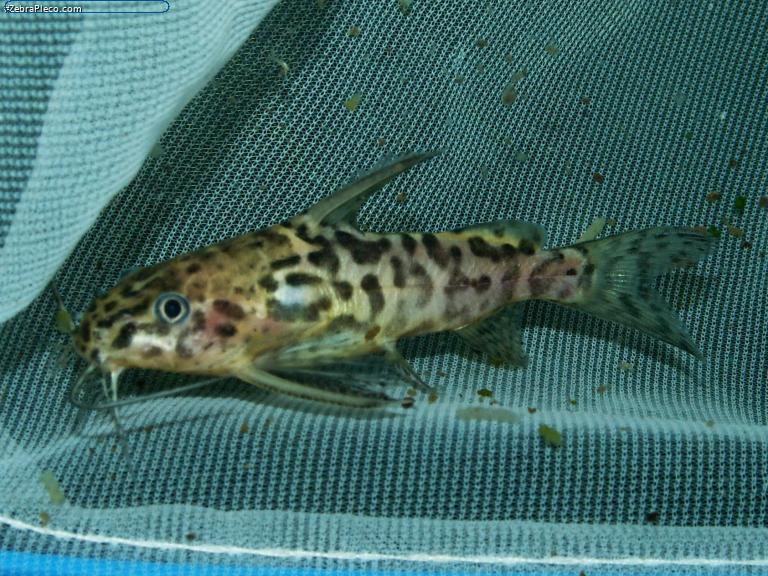
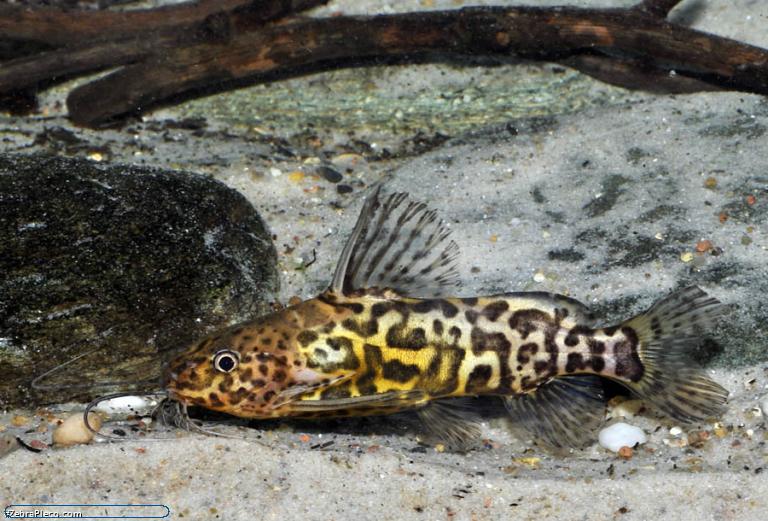
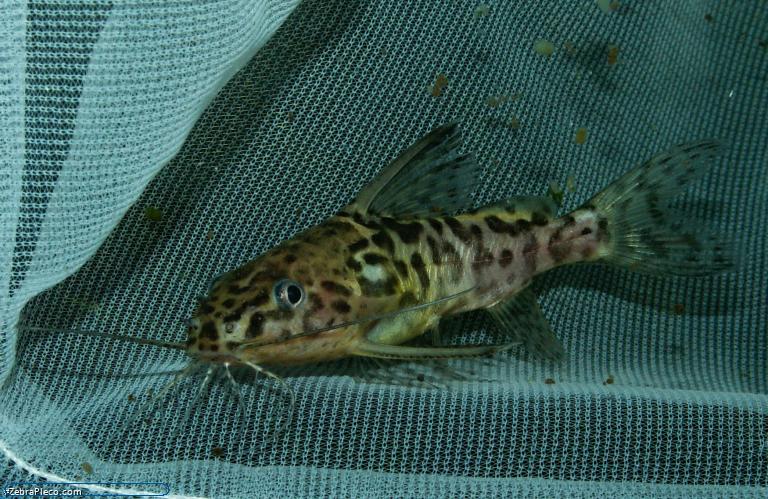
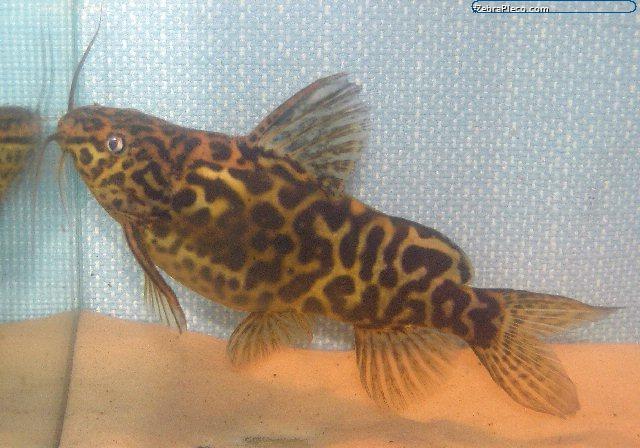
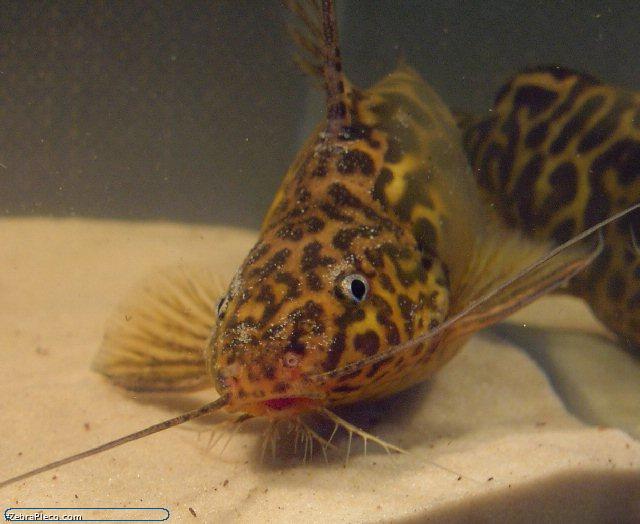
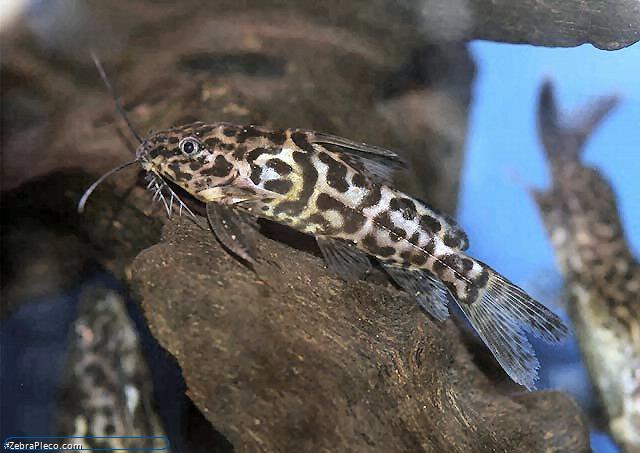
An attractively marked fish with a very variable vermiculated pattern. Similar markings can be found on several other species within the Genus. If anything the pattern becomes smaller but more intense with age. Well conditioned fish will often develop a bold yellow base colouration which is quite striking.
Sexual Dimorphism (Sexing)
First lay the fish in your hand with its head toward your palm and the tail toward your fingers. Hold the dorsal spine between your middle and ring finger so the fish is belly up and you won't get stuck (Which by the way, hurts like crazy!). The genital pore is in a small furrow of tissue (in healthy fish) and will be obstructed by the pelvic fins. Pull down on the tail gently to arch the fishes spine and the pelvic fins will stand and the furrow open to display the genital pore and the anus of the fish. The male has a somewhat ridged genital papillae on which the spermatoduct is on the back side, facing the tail fin. A gravid female will also show an extended papillae but the oviduct is on the ventral side of the papillae (And may also show a little redness if really gravid). A thin or emaciated female will have just two pink pores, the oviduct and the anus.
Taxonomy, Synonyms & Etymology
Classification history, linguistic derivations and variant forms
Pronunciation
sin oh don tiss - shouted en aye
Etymology
According to Cuvier, Synodontis is an "ancient name for an undetermined fish from the Nile". It is not derived, as often reported, from syn-, together and odous, tooth, presumed etymology of the lizardfish genus Synodus and refers to the closely-spaced lower jaw teeth of both genera.
There are 2 other speciesCardiopharynx schoutedeni
Chromidotilapia schoutedeni with this specific name.
Literature & Resources
Scientific publications, external links and citation tools
Description Reference
Revue de Zoologie et de Botanique Africaines v. 28 (no. 3), pp 416.
External Databases
Related Searches