PAGE_HEADER
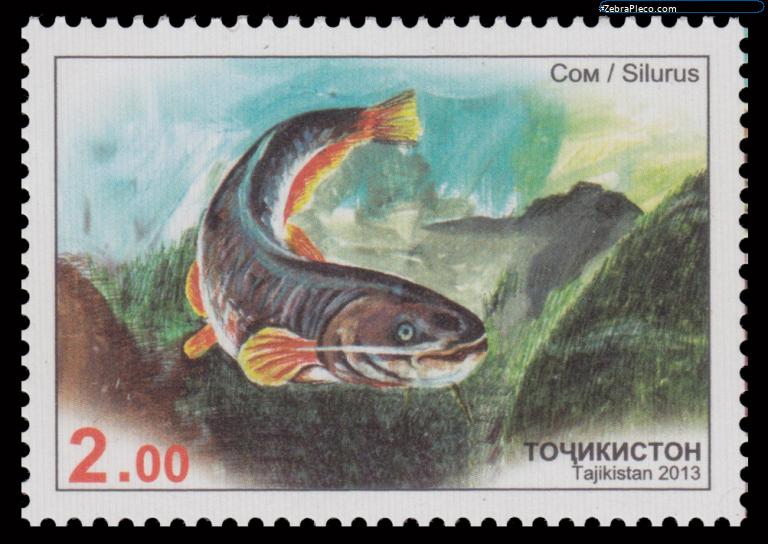
Silurus glanis Linnaeus, 1758
Image Showcase
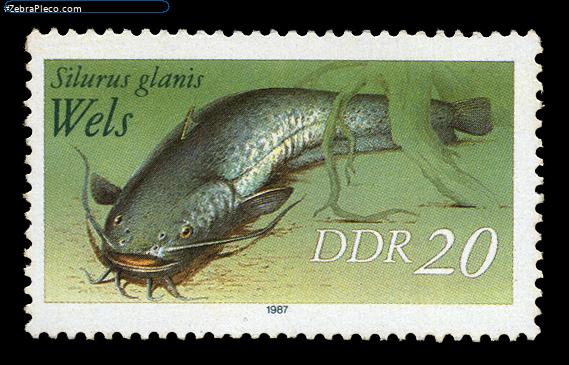
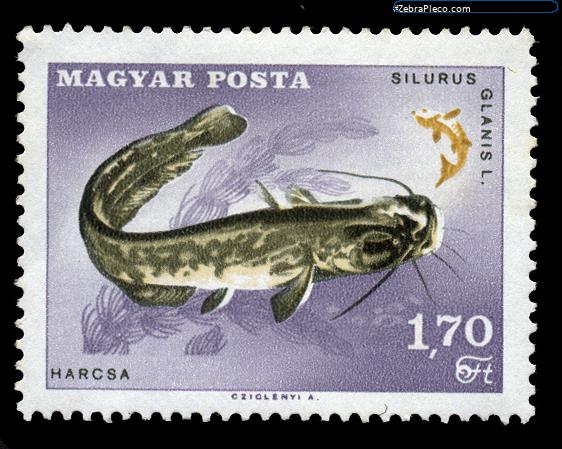
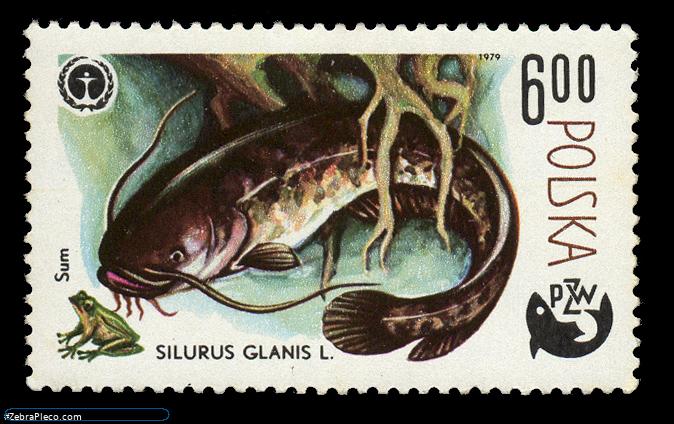
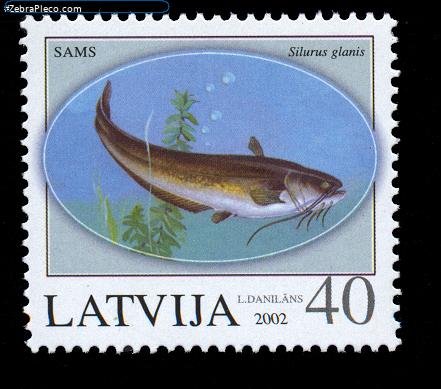
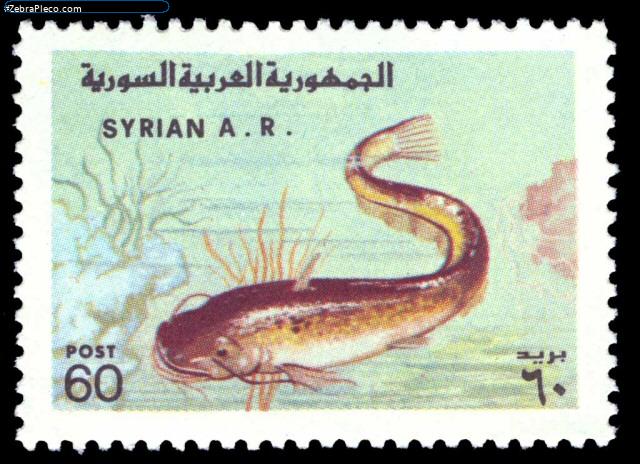
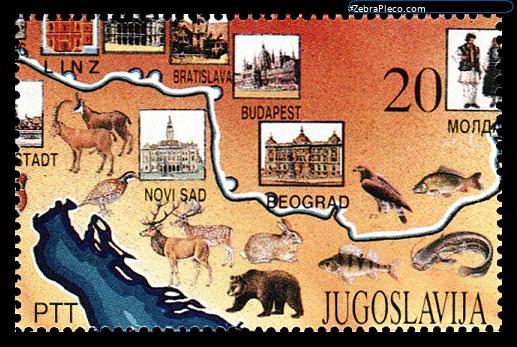
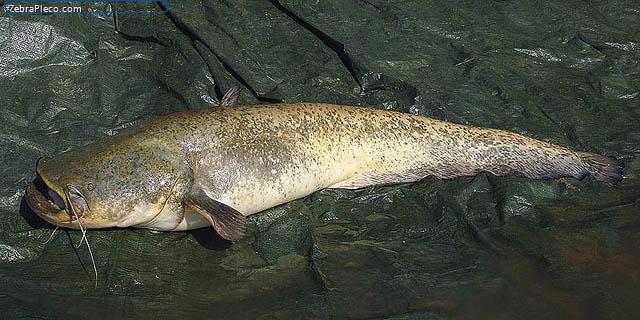
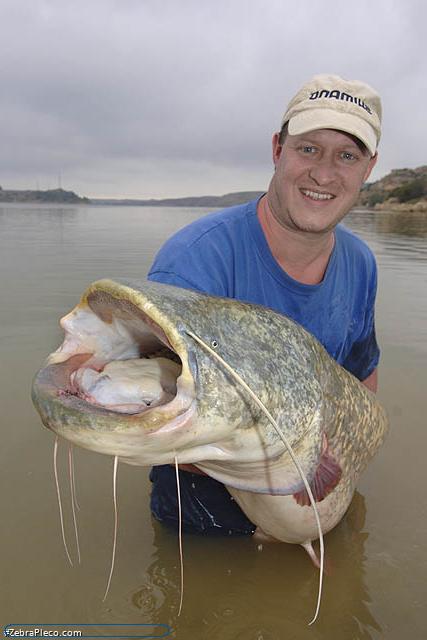
Photographs, diagnostic angles and morphological variants

Community & Keeper Tally
Member interactions, breeding records and forum mentions
Aquarium Care & Husbandry
Dietary requirements, tank setup, compatibility and breeding
Feeding & Diet
A voracious predator. Juveniles can be fed live, frozen or pelleted foods; adults can be fed live fish, frogs or baby rats. May be taught to eat strips of raw meat. [View Member Food Stats]
Aquarium Furniture & Decor
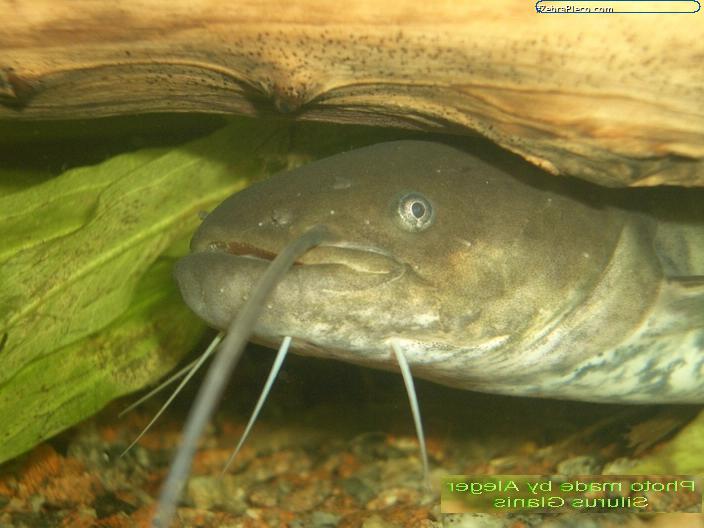
A tankbuster that will outgrow almost any tank. Best kept in a pond. Provide large overhanging roots or pieces of driftwood as suitable hiding places.
Compatibility & Suggested Tankmates
Given its voracious appetite, best kept alone. Any other tankmates will eventually end up as food.
Breeding Notes
Breeding does not occur until the water temperature reaches at least 20˚C, which is in mid-May to June to the south of its range and July to August in the north. The male excavates a redd (pit nest) in weedy gravel or sand-bottomed shallows into which the
female deposits a clump of relatively large (3mm-diameter), yellow, sticky eggs. The number of eggs produced depends on the size of
the female and is equivalent to 25000-30000 per kilogram of her weight.
After fertilising the eggs, the male guards them until
they hatch - usually three to four days later at temperatures of 20-21˚C. When newly hatched, larval catfish are about 7mm
long and have only one barbel. They remain in the redd, guarded by the male, until their yolk sacs have been fully absorbed. They
then disperse to feed on bottom-dwelling invertebrates and become piscivorous at the end of their first year (when they reach a size
of 20-25 cm).
Habitat & Water Parameters
Natural distribution, biotope water conditions and temperature ranges
Geographic Distribution
Europe and Asia. In Appendix III of the Bern Convention (protected fauna). Several countries report adverse ecological impact after introduction.
Euphrates, Chibayish marsh (click on these areas to find other species found there)
European rivers (click on these areas to find other species found there)
Login to view the map.
Species Description & Identification
Morphology, diagnostic traits and sexual dimorphism
Identification
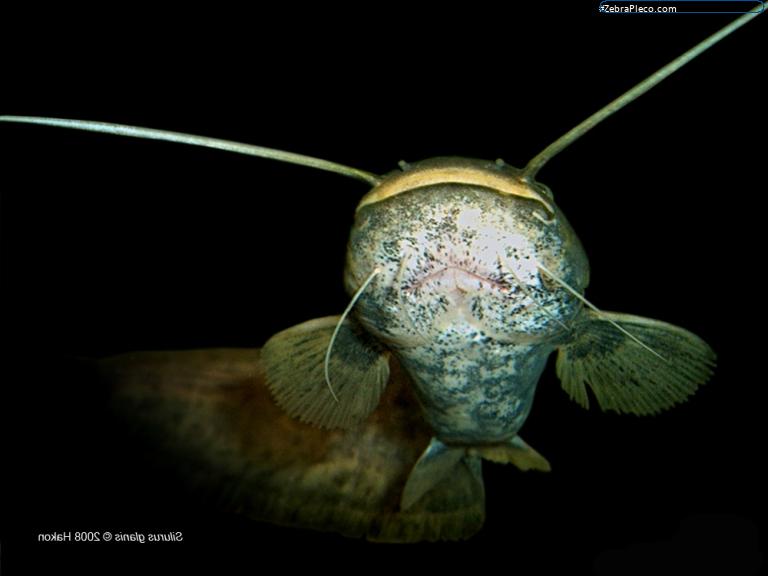
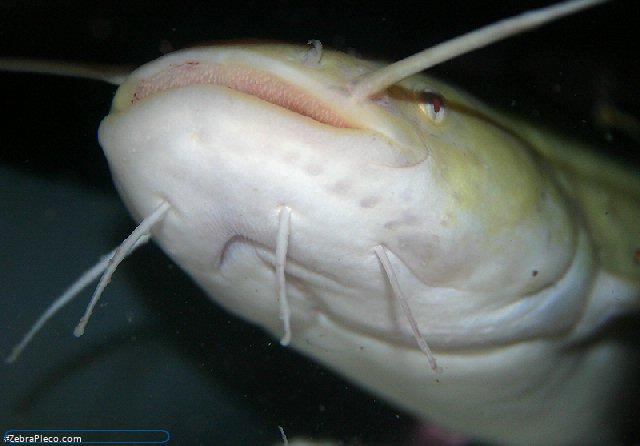
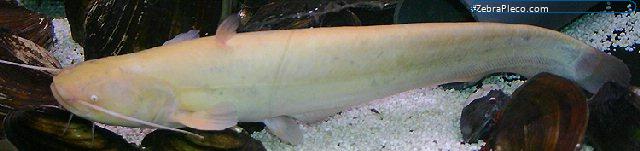
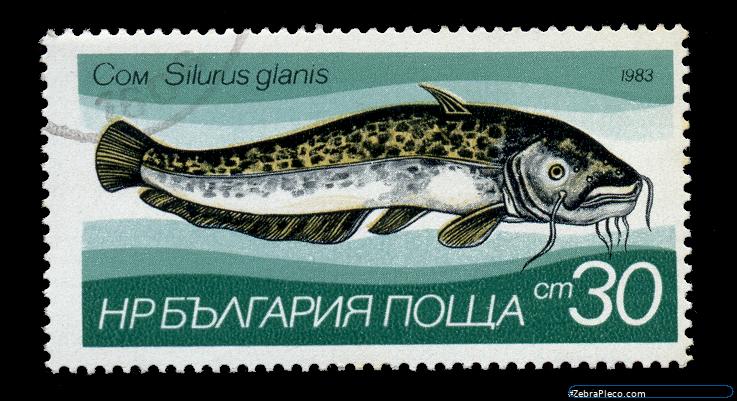
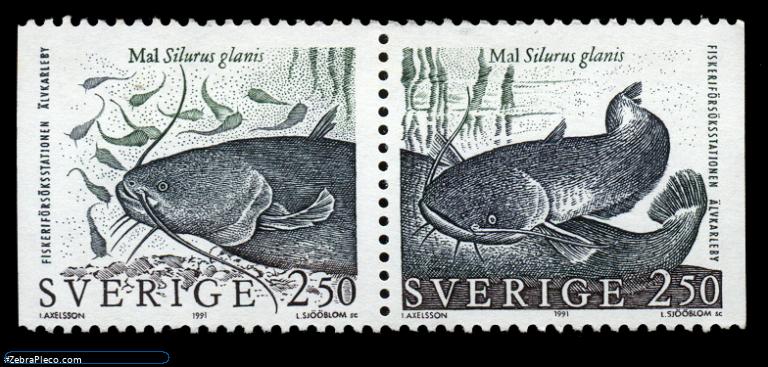
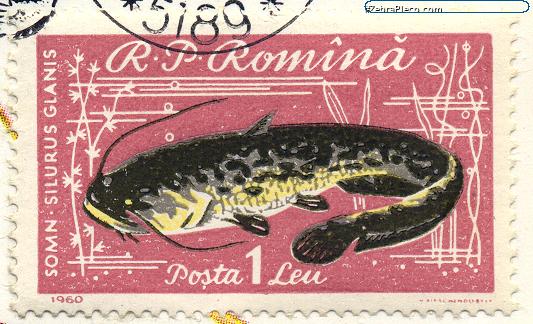
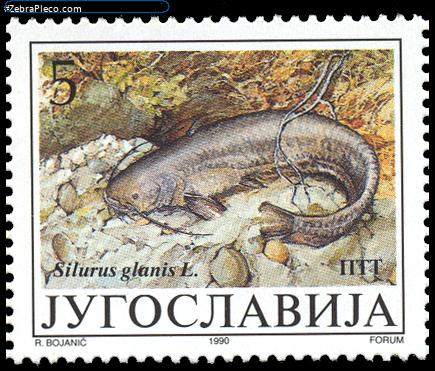
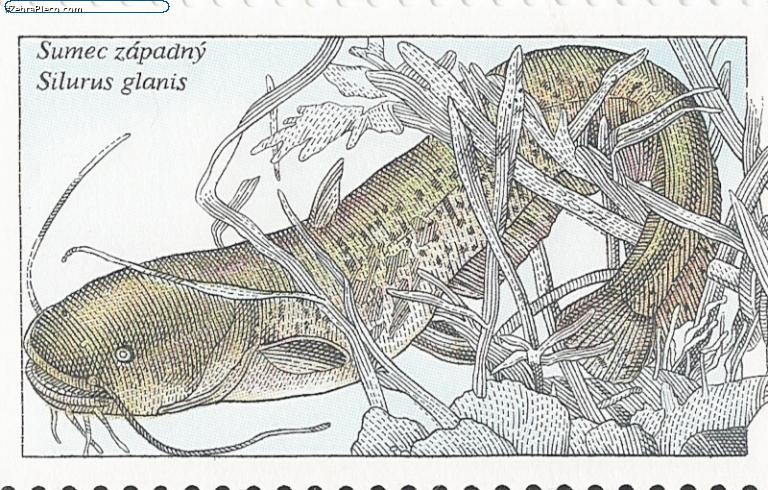
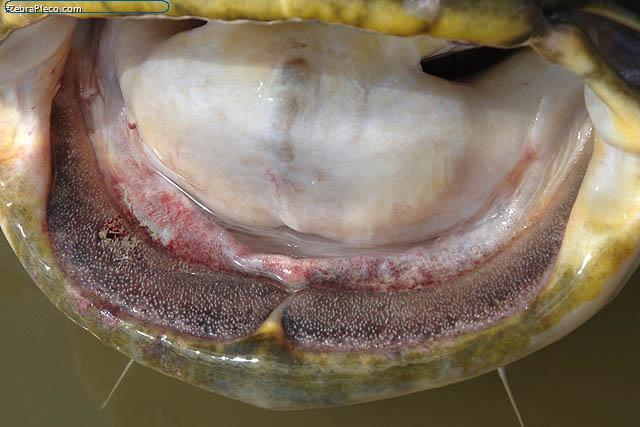
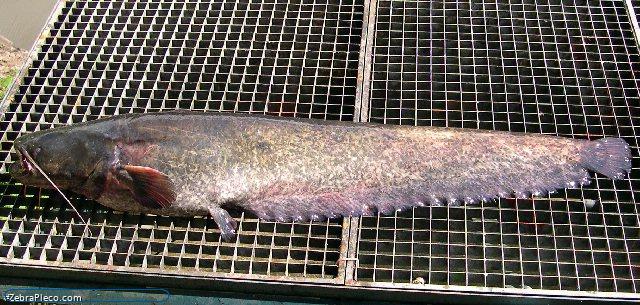
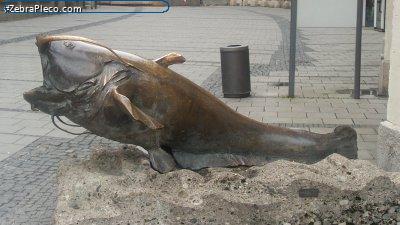
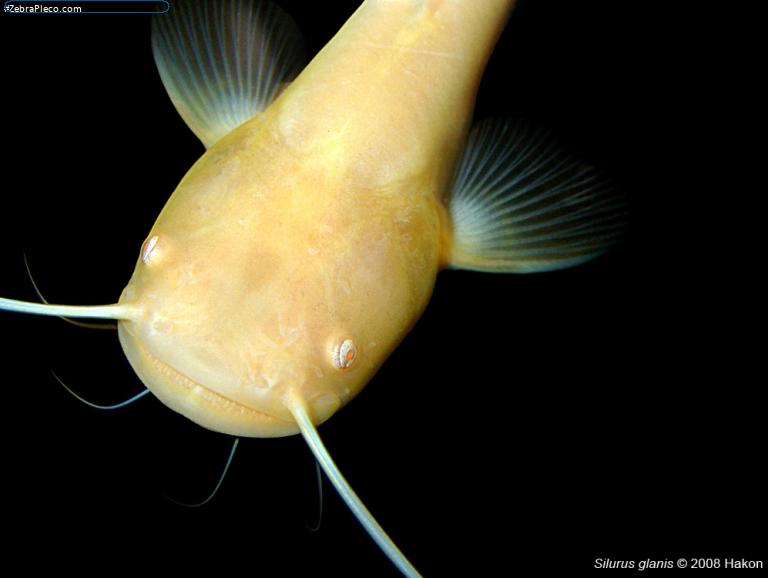
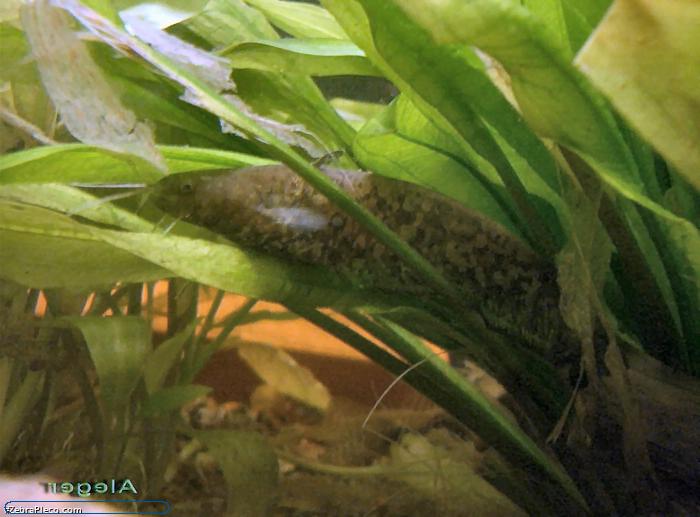
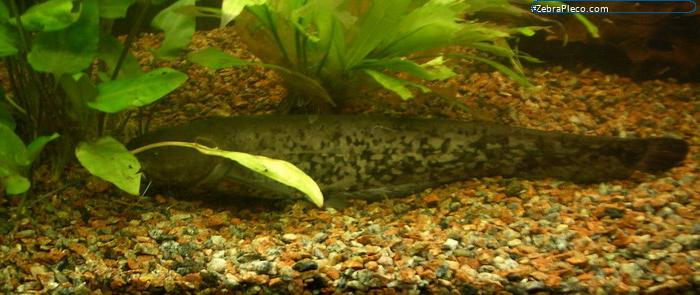
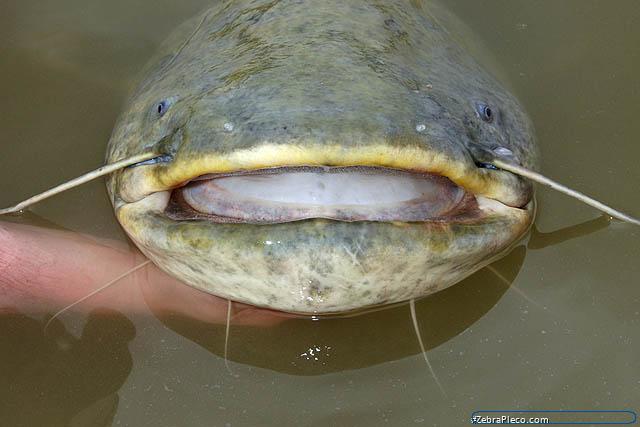
Easily distinguished among silurids by its broad head, truncate caudal fin, mottled coloration and immense size.
Sexual Dimorphism (Sexing)
Males are more slender and have strong serrations on the posterior edge of the pectoral spine (females lack these serrations).
General Remarks
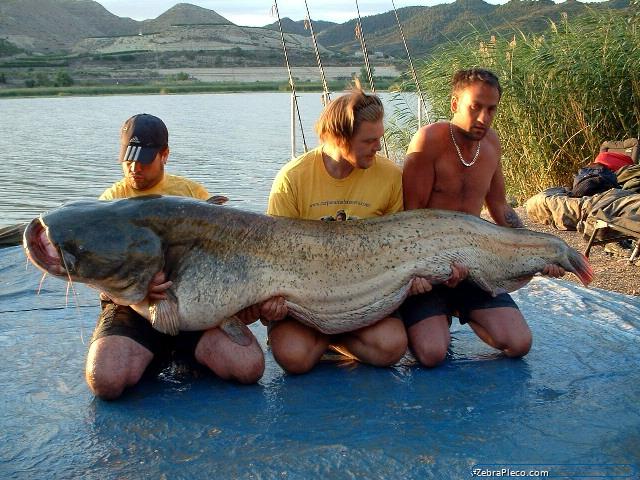
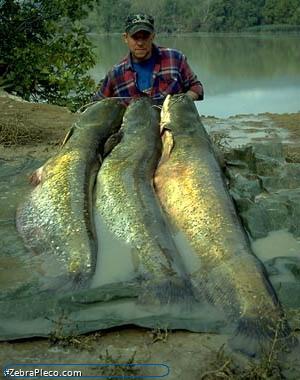
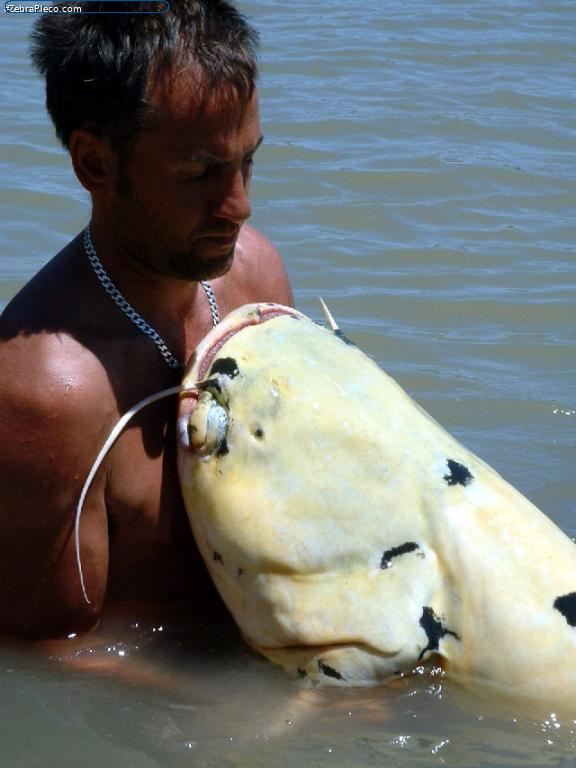
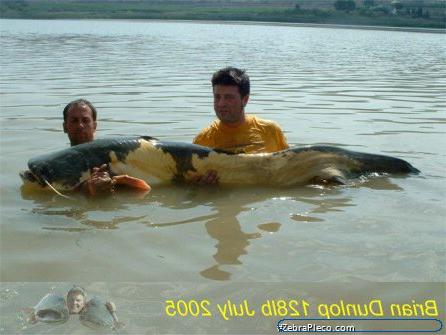
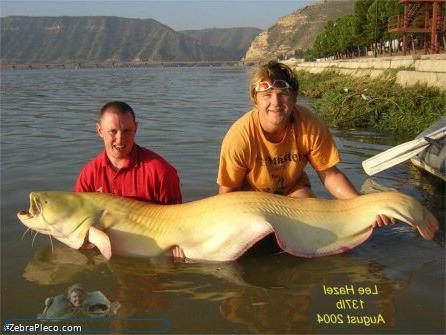
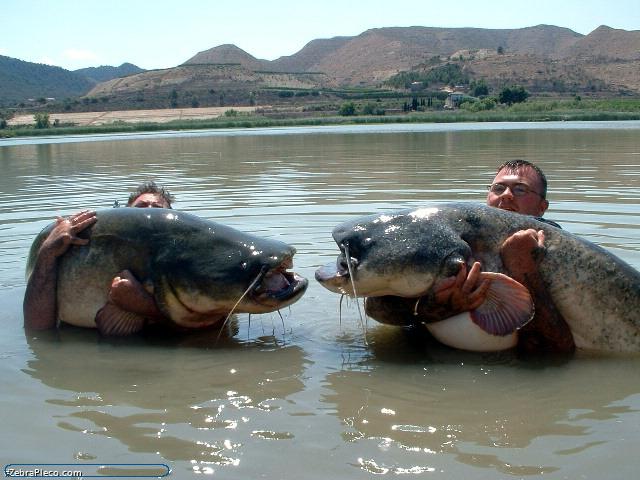
The worlds largest catfish, the largest example of which, caught in the River Dnepr (flowing through the Ukraine into the Black Sea), was measured at 5m (16ft, 5in) long and wieghed 306kg (675lb).
In Appendix III of the Bern Convention (protected fauna). Several countries report adverse ecological impact after introduction.
Taxonomy, Synonyms & Etymology
Classification history, linguistic derivations and variant forms
Synonyms
Siluris glanis, Silurus glanis aralensis, Silurus silurus
Pronunciation
See loo russ - glare neess
Etymology
From the Greek silouros which is the name of the fish. Again from the Greek word glanis, which is the name of the fish
Literature & Resources
Scientific publications, external links and citation tools
Description Reference
Systema Naturae, Ed. X v. 1, pp 304.
External Databases
Related Searches