PAGE_HEADER
Hoplisoma sterbai (Knaack, 1962)
Image Showcase
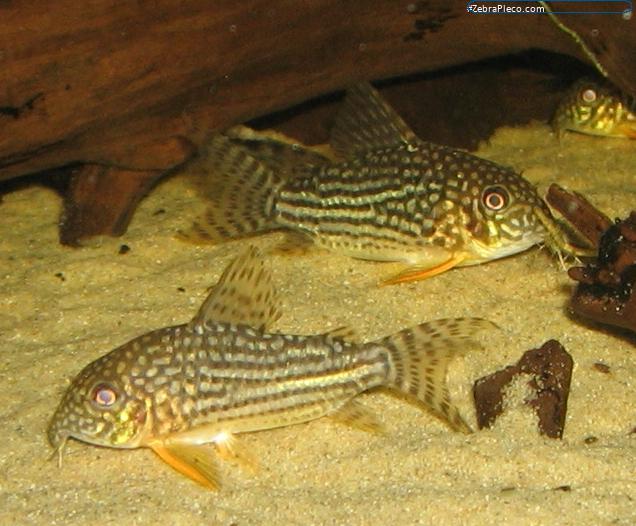
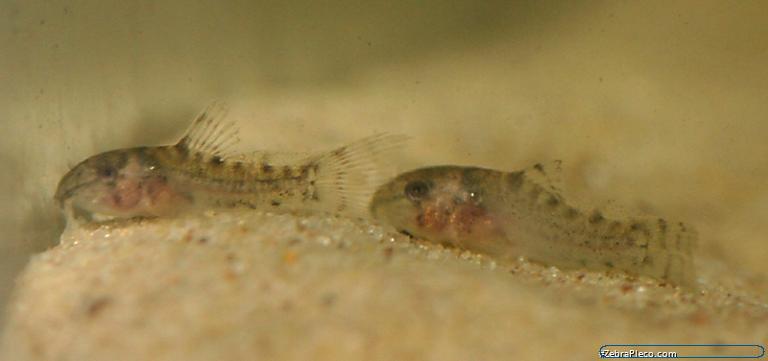
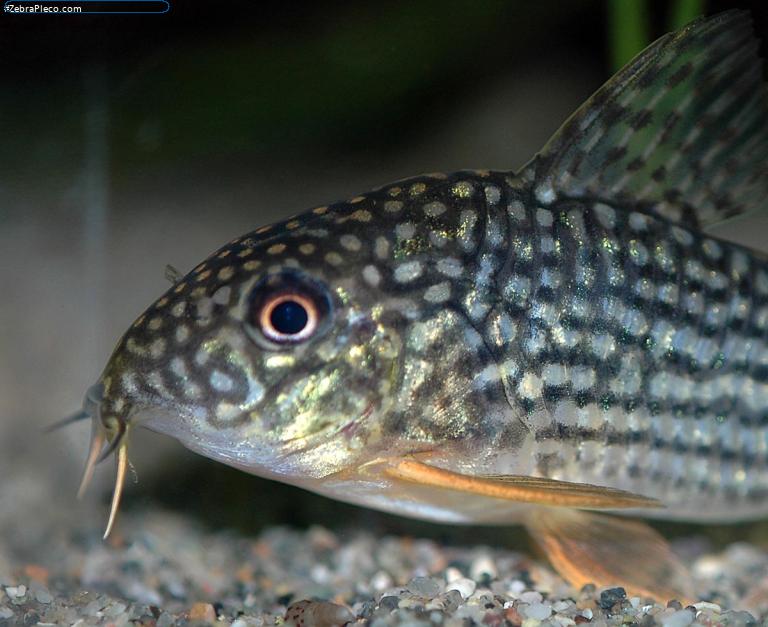
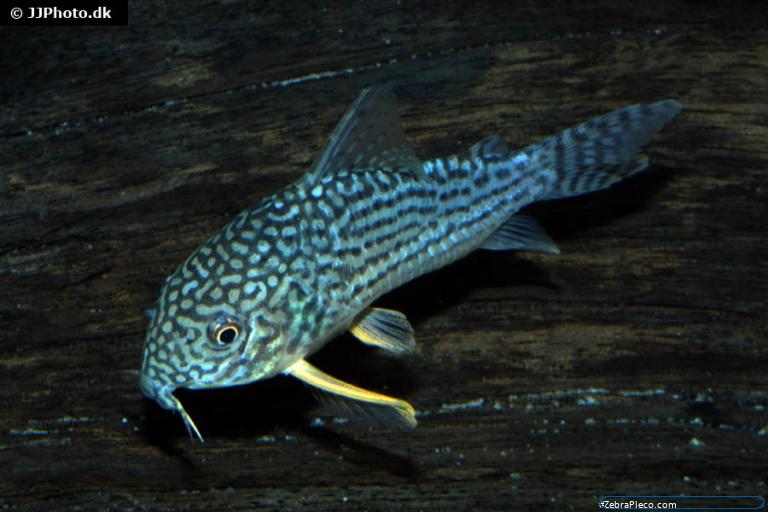
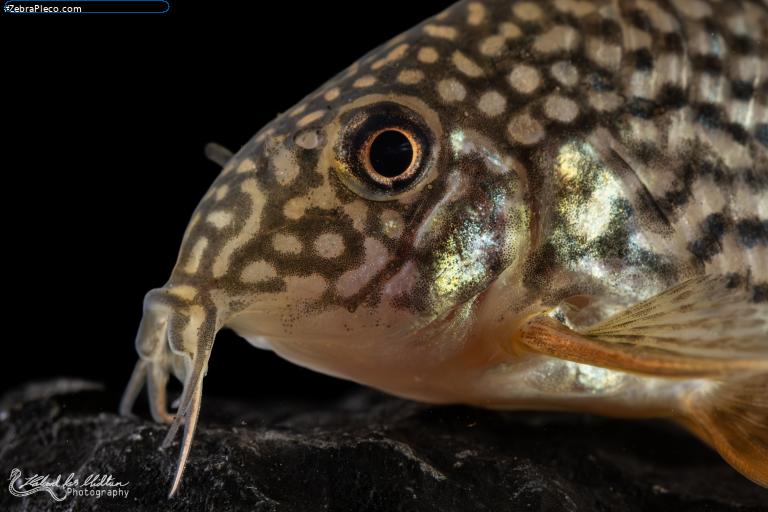
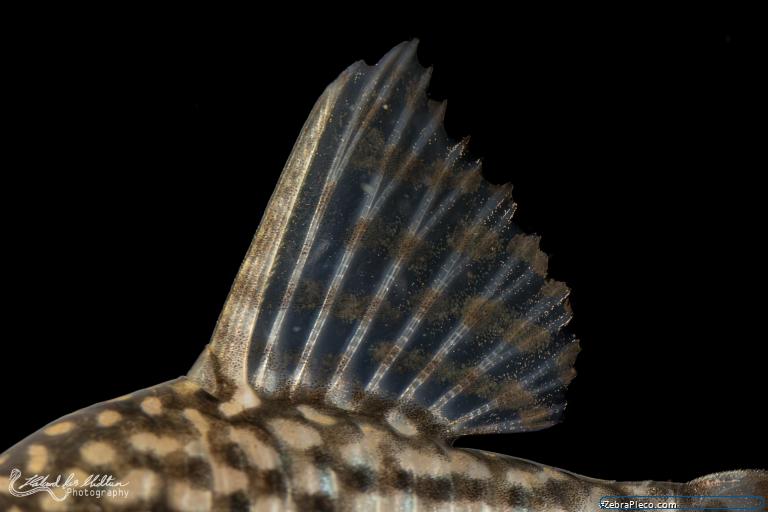
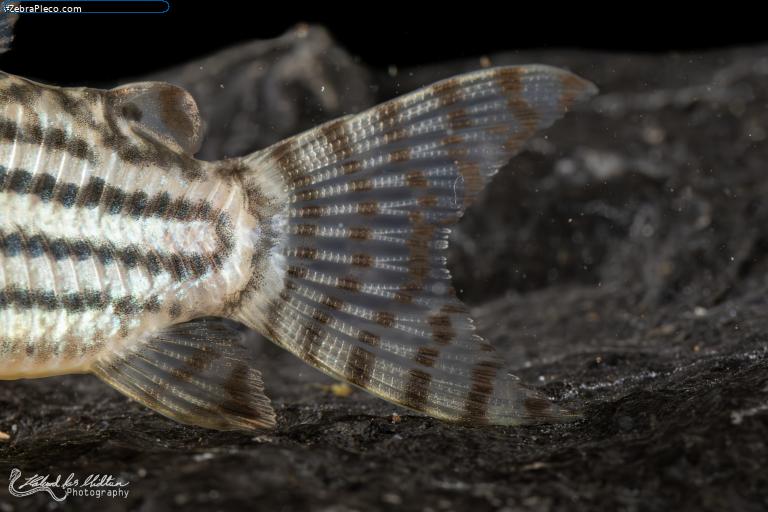
Photographs, diagnostic angles and morphological variants
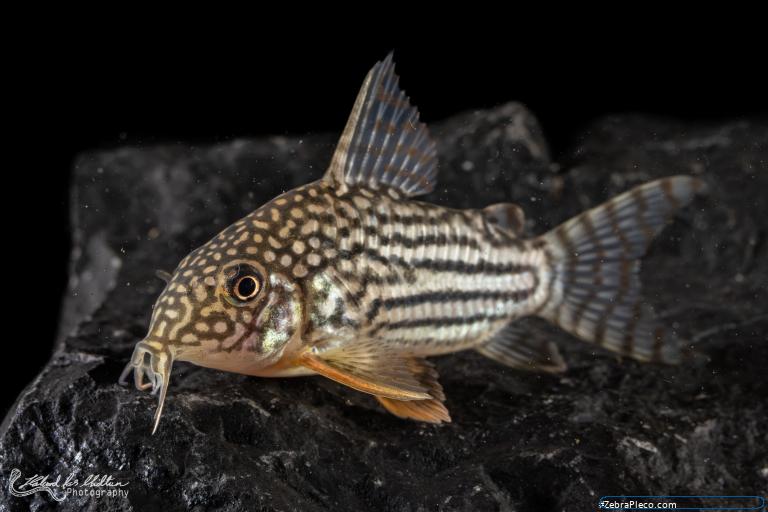
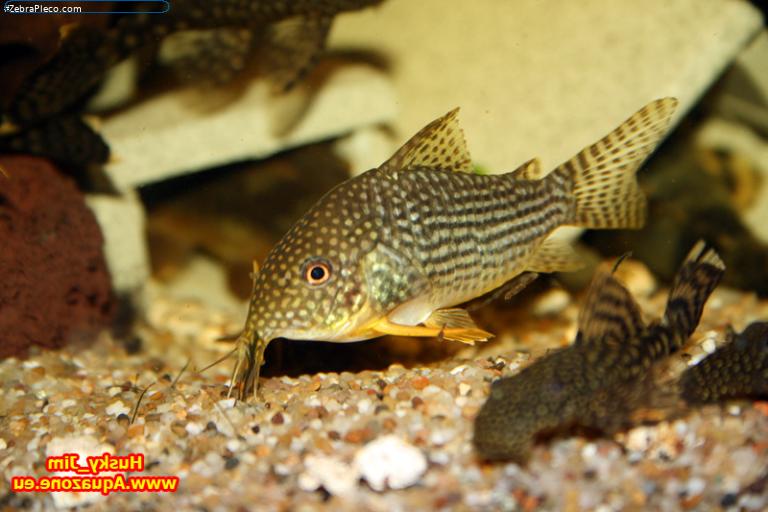
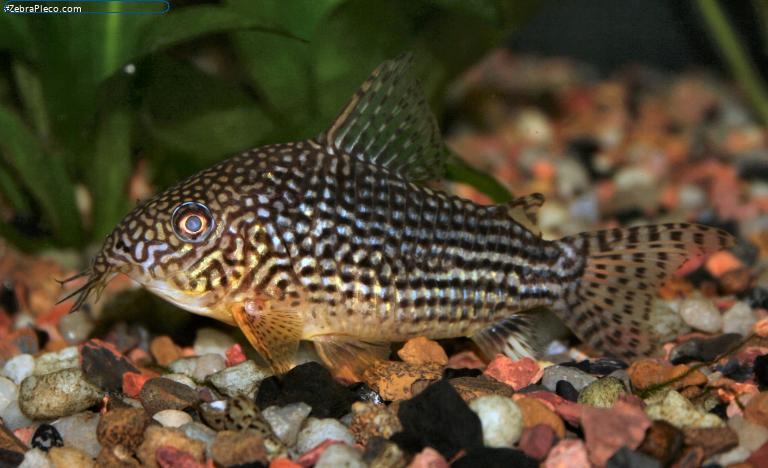
Community & Keeper Tally
Member interactions, breeding records and forum mentions
Aquarium Care & Husbandry
Dietary requirements, tank setup, compatibility and breeding
Feeding & Diet
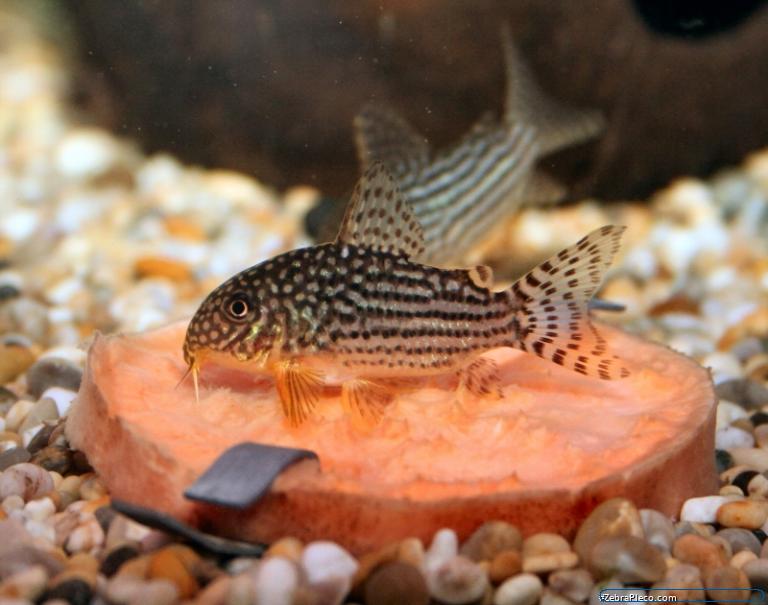
Readily accepts a wide variety of frozen and prepared foods in the aquarium. [View Member Food Stats]
Aquarium Furniture & Decor
Shade provided by overhanging rock work, arching bogwood, tall or floating plants are all that is required. Ideally substrate should be sand, but rounded gravel will suffice.
Compatibility & Suggested Tankmates
Peaceful. Tank raised fish are ideal first catfish for a beginner's community aquarium. Wild caught fish will tend to be more expensive and somewhat less hardy.
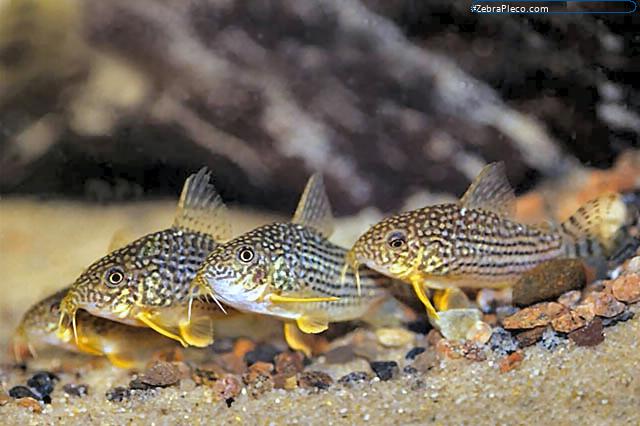
Tankmates: Keep in a shoal of at least 6 individuals ideally with similarly sized tetras and dwarf cichlids. A good species for the discus aquarium.
Breeding Notes
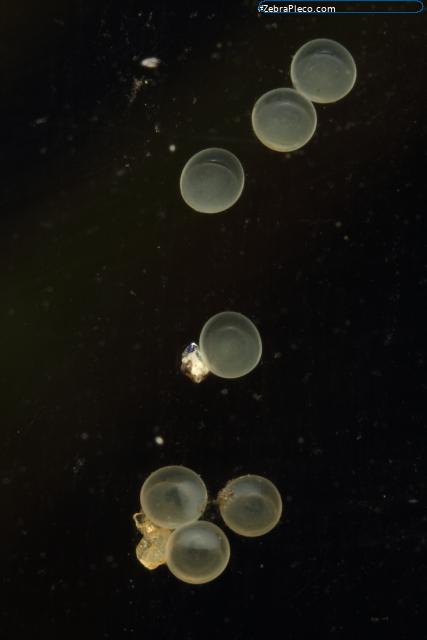
Spawned by Eric Bodrock in January 2000 who provided these notes. Breeders kept together in a group of 10 fish, sex ratio about even. They are a larger-bodied cory and active, so a 20-gallon tank (or larger) was used. The pH can range from 6.0–6.4 and TDS from 125–180 ppm. He had them spawn in water at 74°F (23°C), but better results were achieved at 82°F (27.5°C). Eggs are large, around 2mm, and can number 80 or more. They are often found on the glass sides or on rigid plant leaves such as Anubias. Hatch rate generally high. Tank-bred specimens that are frequently found in the shops appear relatively easy to breed, where wild-caught specimens are reported to be a bit more difficult.
Habitat & Water Parameters
Natural distribution, biotope water conditions and temperature ranges
Geographic Distribution
South America: central Brazil and Bolivia.
Amazon, Middle Amazon (Solimoes), Madeira, Mamoré, Guaporé (Iténez) (click on these areas to find other species found there)
Login to view the map.
Species Description & Identification
Morphology, diagnostic traits and sexual dimorphism
Identification
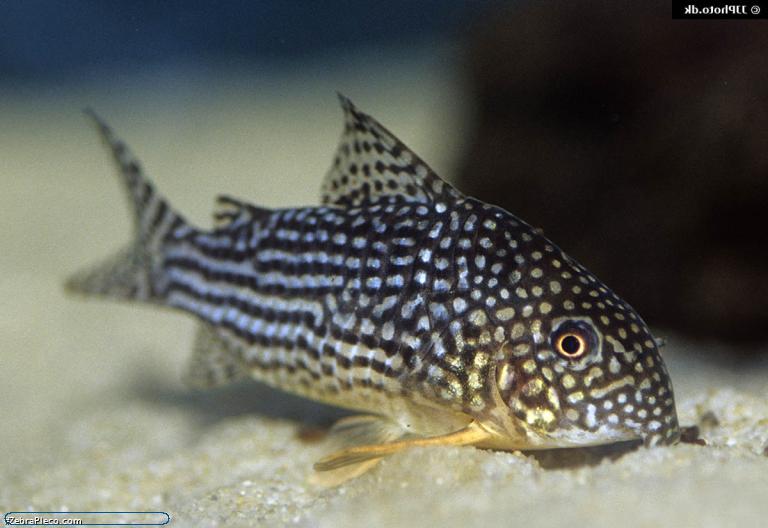
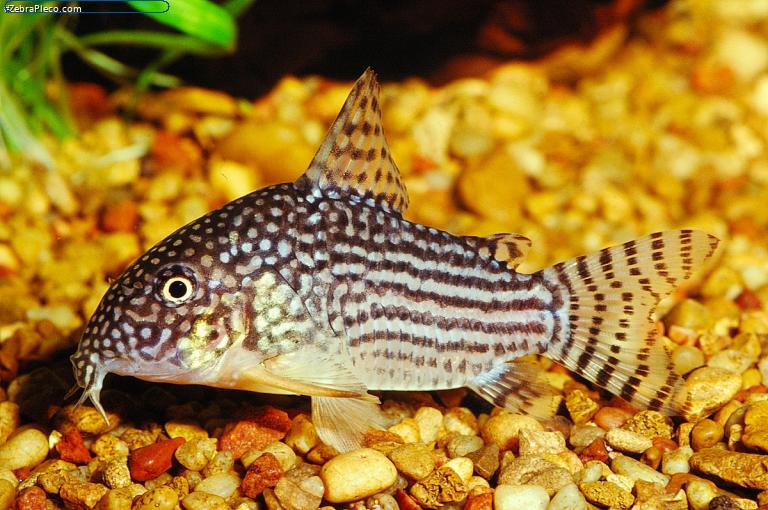
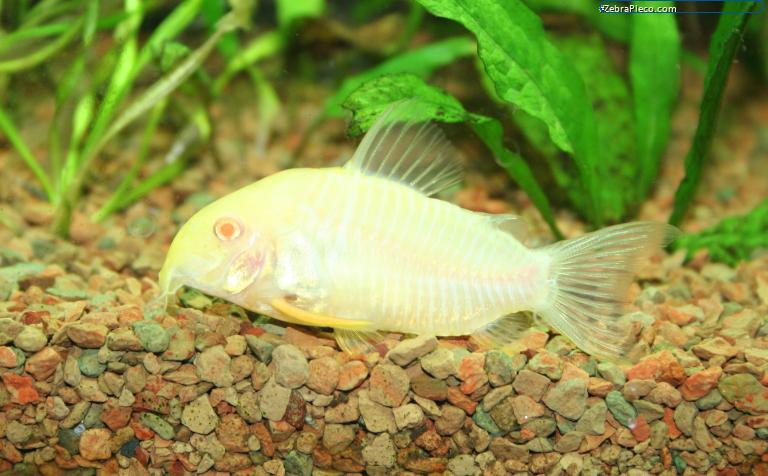
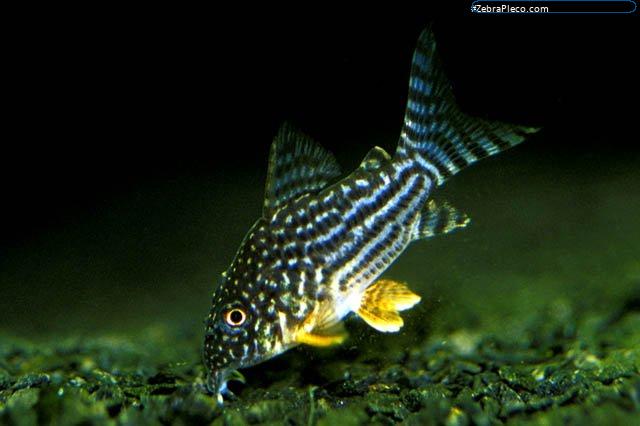
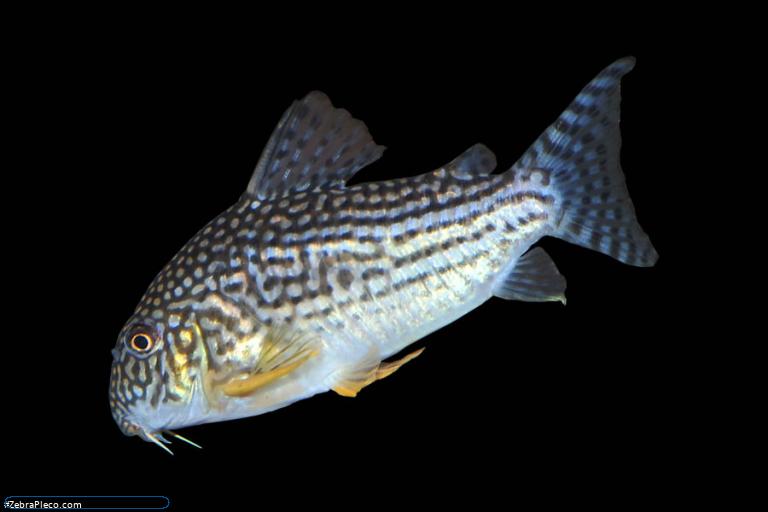
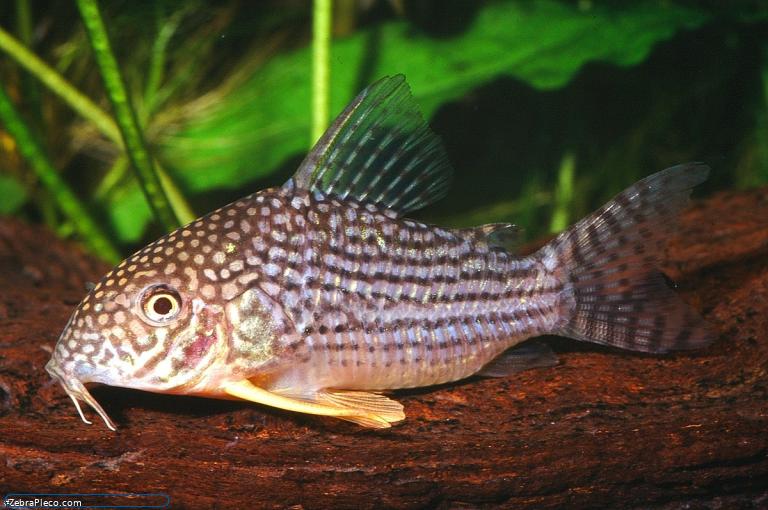
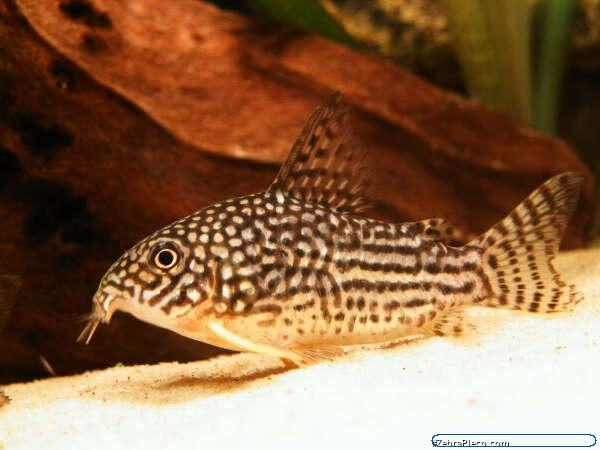
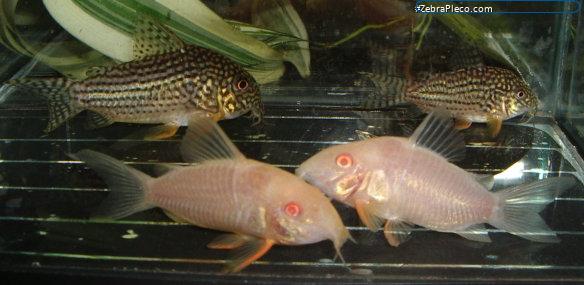
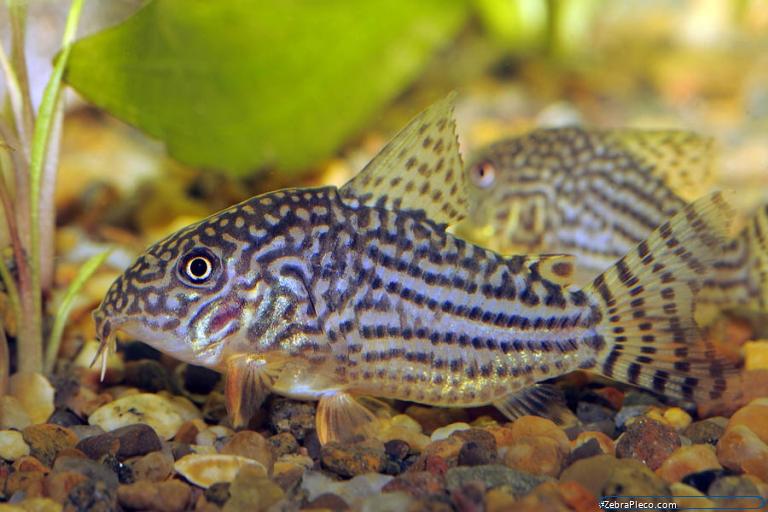
It is hard to misidentify this species but it can be confused with Corydoras haraldschultzi, although the latter is a long-nosed species where C. sterbai is the dome-headed form - the easiest way to tell them apart is that the Sterba's Cory has white spots on its head from eyes down to snout. C. haraldschultzi does not. Corydoras sterbai has is commercially bred in albino form.
Sexual Dimorphism (Sexing)
Males are smaller and slimmer. Females grow larger and are much wider; most easily observed from above.
General Remarks
In future, this species is likely to turn out to be new, and C. sterbai be a lineage 8 species rarely seen in the trade.
Taxonomy, Synonyms & Etymology
Classification history, linguistic derivations and variant forms
Pronunciation
hop lee so mah - ster bye
Etymology
The genus name is latin for wavy, referring to “dark purplish spots tending to run together, forming undulating longitudinal bands” - a common if not uniform colouration pattern found in this genus. Specifically named in honour of Dr. Günther Sterba.
Literature & Resources
Scientific publications, external links and citation tools
Description Reference
Senckenbergiana Biologica v. 43 (no. 2), pp 131, Pl. 12 (figs. 2a-c).
External Databases
Related Searches