
PAGE_HEADER
Parailia pellucida (Boulenger, 1901)
Image Showcase
Photographs, diagnostic angles and morphological variants
Community & Keeper Tally
Member interactions, breeding records and forum mentions
Aquarium Care & Husbandry
Dietary requirements, tank setup, compatibility and breeding
Feeding & Diet
In the wild, feeds on plankton and crustaceans. In the aquarium, is sometimes fussy about food; prefers small live, frozen or freeze-dried organisms but will generally accept flake food. [View Member Food Stats]
Aquarium Furniture & Decor
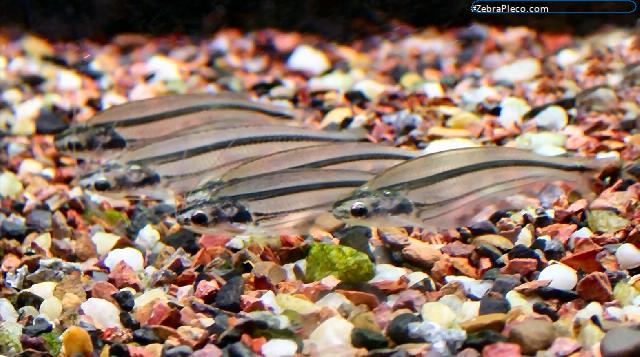
Best kept in a tank with moderate to dense plant growth. Unlike common glass cats, this species tends to hug the substrate during the day. In the wild, usually found in the shelter of overhanging clumps of grasses or sedges.
Compatibility & Suggested Tankmates
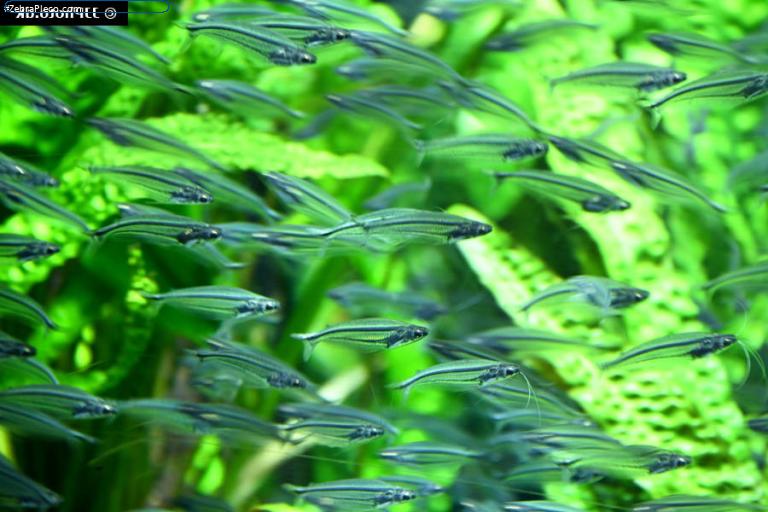
A fragile, easily injured fish. Best kept in groups of 6 or more, the more the better. Suitable tank mates include other peaceful, small to medium-sized fish.
Breeding Notes
Not reported in the aquarium. In the wild, the fish begin spawning during the end of the rainy season right through to the end of the dry season.
Habitat & Water Parameters
Natural distribution, biotope water conditions and temperature ranges
Geographic Distribution
Africa: Upper Nile to West Africa. Chad, Niger, Senegal, Cavally, Boubo, Bandama, Agnebi, Volta, Ouémé, Ogun, Mé, Tano, Mono and Cross.
African Waters, Côte de Ivoire Waters, Agnébi (click on these areas to find other species found there)
African Waters, Côte de Ivoire Waters, Bandama (click on these areas to find other species found there)
African Waters, Côte de Ivoire Waters, Boubo (click on these areas to find other species found there)
African Waters, Cavalla (click on these areas to find other species found there)
African Waters, Chad (click on these areas to find other species found there)
African Waters, Cross (click on these areas to find other species found there)
African Waters, Mono (click on these areas to find other species found there)
African Waters, Nigeria Waters, Niger (click on these areas to find other species found there)
African Waters, Nigeria Waters, Ogun (click on these areas to find other species found there)
African Waters, Ouémé (click on these areas to find other species found there)
African Waters, Sénégal (click on these areas to find other species found there)
African Waters, Tano (click on these areas to find other species found there)
African Waters, Nile, Upper Nile (click on these areas to find other species found there)
African Waters, Volta (click on these areas to find other species found there)
Login to view the map.
Species Description & Identification
Morphology, diagnostic traits and sexual dimorphism
Identification
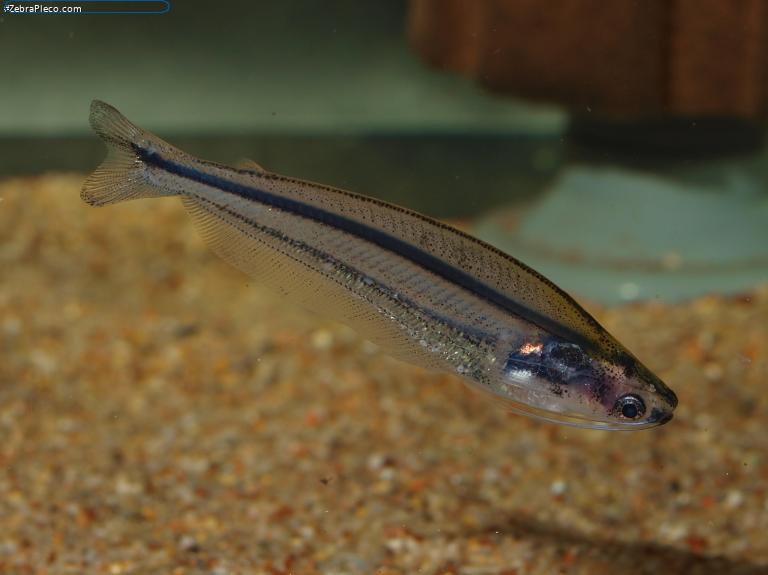
All species of this genus have no dorsal fin and are small being no larger than 150 mm SL.
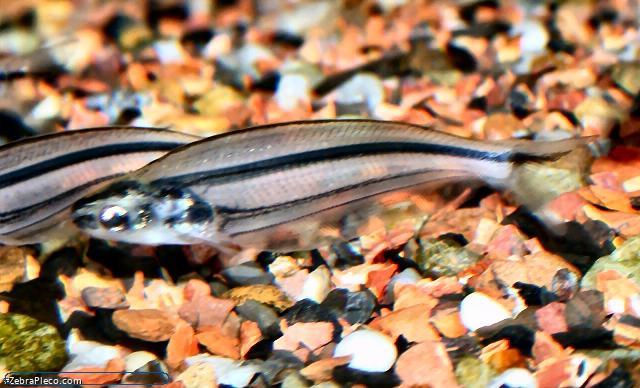
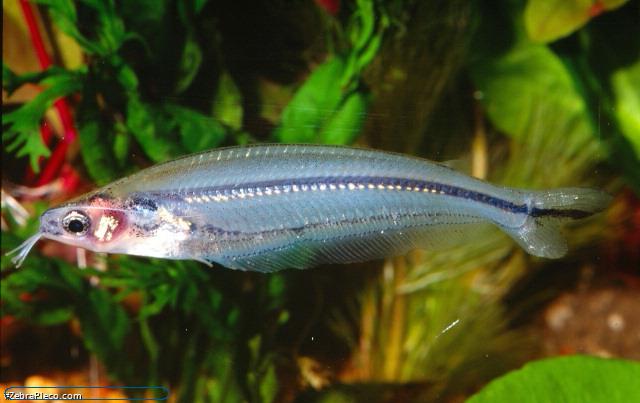
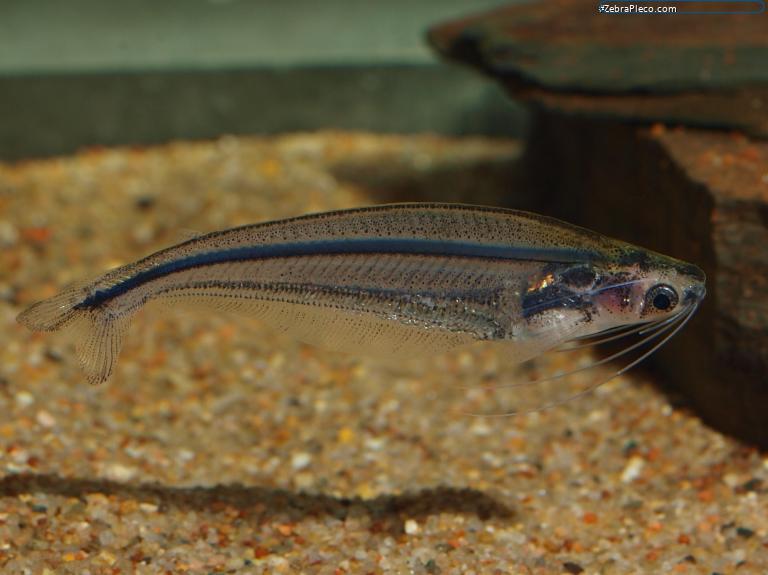
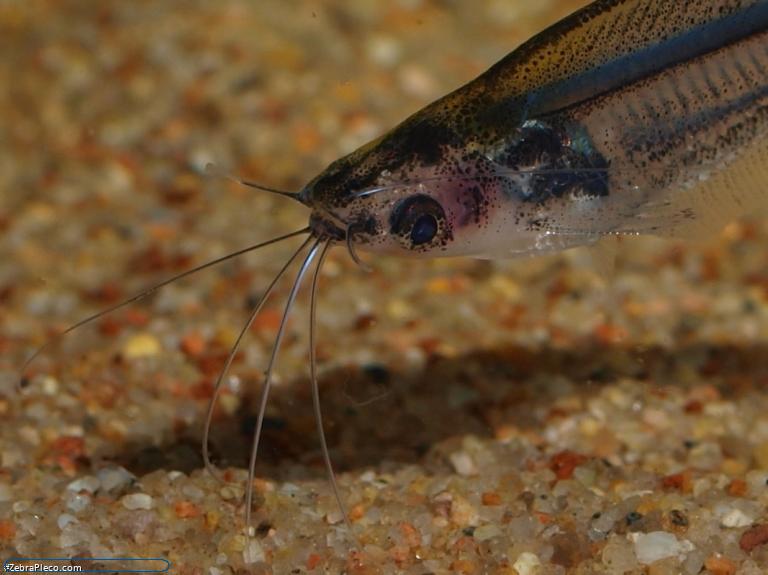
Specimens seen in the trade are usually much smaller than the given maximum length. Whereas the common glass cat (Kryptopterus minor) has a translucent spinal chord, that of P. pellucida is an opaque black. Longer mandibular barbels than Kryptopterus. Adipose fin always present, pectoral spine with small, but well-developed serrations, 60-78 anal fin rays.
Sexual Dimorphism (Sexing)
Males have a cylindrical or conical genital papilla with a wide pore at the tip; this papilla is fragile, short or retracted in females. The tapering, curved male papilla is approximately the same length as the second or third anterior rays of the anal fin. The female papilla is usually hidden in the urogenital depression, but if exposed, is never more than half as long as these fin rays.
Taxonomy, Synonyms & Etymology
Classification history, linguistic derivations and variant forms
Synonyms
Physailia pellucida, Physaillia pellucida
Pronunciation
Pah RAIL ee ah - pell yew sid ah
Etymology
The generic name comes from the Latin prefix par-, meaning equal and Ailia, a genus of schilbeid catfishes, in reference to the similarity between this genus and Ailia. From Latin pellucidus, from pellucere, to shine through: per-, through, + lucere, to shine.
Literature & Resources
Scientific publications, external links and citation tools
Literature & References
External Databases
Related Searches

