PAGE_HEADER
Astroblepus eigenmanni (Regan, 1904)
Image Showcase
Photographs, diagnostic angles and morphological variants
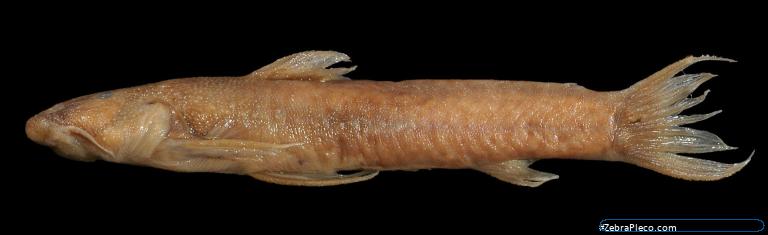
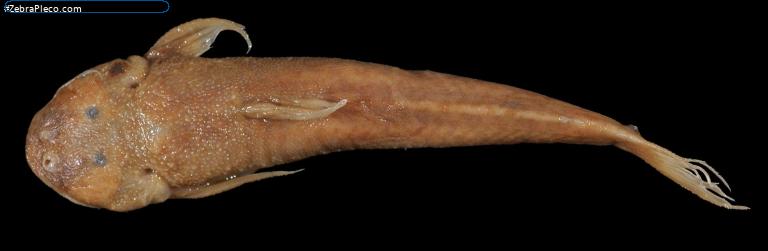
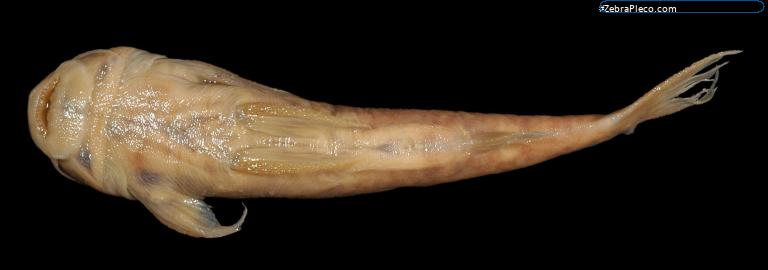
Community & Keeper Tally
Member interactions, breeding records and forum mentions
Aquarium Care & Husbandry
Dietary requirements, tank setup, compatibility and breeding
Breeding Notes
Unreported in the aquarium. Males possess an elongate urogenital papilla which functions as an intermittent organ for insemination (separate from the anal fin). Females have been found with sperm cells in their ovaries, but internal fertilisation has not been documented. The timing and mechanism of fertilisation is unknown.
Habitat & Water Parameters
Natural distribution, biotope water conditions and temperature ranges
Geographic Distribution
South America: Pacific coastal drainages of Ecuador.
Ecuador Pacific Coast Rivers (click on these areas to find other species found there)
Ecuador Pacific Coast Rivers, Esmeraldas Imported (click on these areas to find other species found there)
Login to view the map.
Taxonomy, Synonyms & Etymology
Classification history, linguistic derivations and variant forms
Synonyms
Arges eigenmanni
Pronunciation
ass tro bleh puss - EYE gn MAN eye.
Etymology
Astroblepus: From the Greek aster, meaning star and and blepos, meaning to look (literally, a star gazer); in reference to the dorsally placed eyes of the fish. Species named in honour of Dr. Carl H. Eigenmann, Professor of Ichthyology in Indiana (1863-1927).
There are 9 other speciesCopella eigenmanni
Jenynsia eigenmanni
Orinocodoras eigenmanni
Ossancora eigenmanni
Phalloptychus eigenmanni
Pimelodella eigenmanni
Propimelodus eigenmanni
Rineloricaria eigenmanni
Serrasalmus eigenmanni with this specific name.
Literature & Resources
Scientific publications, external links and citation tools
Description Reference
Transactions of the Zoological Society of London v. 17 (pt 3, no. 1), pp 312, Pl. 21 (fig. 3).
External Databases
Related Searches