
PAGE_HEADER
Brochis (sub-clade 3) seussi Dinkelmeyer, 1996
Image Showcase
Photographs, diagnostic angles and morphological variants





Community & Keeper Tally
Member interactions, breeding records and forum mentions
Aquarium Care & Husbandry
Dietary requirements, tank setup, compatibility and breeding
Feeding & Diet
Suggested foods are high quality flake foods, sinking wafers, frozen blood worms, grindal worms, tubificid worms. [View Member Food Stats]
Aquarium Furniture & Decor
Sandy bottom with an open swimming space lined with bogwood and plants to retreat into.
Compatibility & Suggested Tankmates
Peaceful community fish.
Tankmates: Small peaceful characins or other non aggressive community fish. Keep in shoals.
Breeding Notes
Spawned by Eric Bodrock in March 2000 who provided these notes on a "short-nose" form. Original adult breeders, two males and a single female, were imported into the USA through Adolfo Schwarz in 1995 as contaminants in a shipment of Hoplisoma gossei. It took several years to finally get them to spawn, which he managed 10 times. The first nine spawns were in a 15-gallon tank with an average pH of 6.4 and TDS of 277 ppm. Temperature around 76°F (24.5°C). Around 100 or more eggs were deposited in small clusters on the glass sides and bare glass bottom, during the daytime in direct sunlight – this happened all nine times. The last spawn (2009) occurred unexpectedly and unnoticed until fry appeared in the tank with some adults. Hatch rate is low, but fry grow somewhat fast. Although similar in appearance to Hoplisoma gossei as adults, he was sure that these were not Hoplisoma gossei due to spawning behaviour, colouration of fry as they grow out, and adult colouration. In discussions with Ingo Seidel, after he had seen the fish, a theory was made that these may be a short-nosed variant of Brochis seussi. He was not able to compare the fry of these against Brochis seussi since there were no known spawns of them to date.
Habitat & Water Parameters
Natural distribution, biotope water conditions and temperature ranges
Geographic Distribution
South America: Mamoré River basin.
Amazon, Middle Amazon (Solimoes), Madeira, Mamoré (click on these areas to find other species found there)
Login to view the map.
Species Description & Identification
Morphology, diagnostic traits and sexual dimorphism
Identification
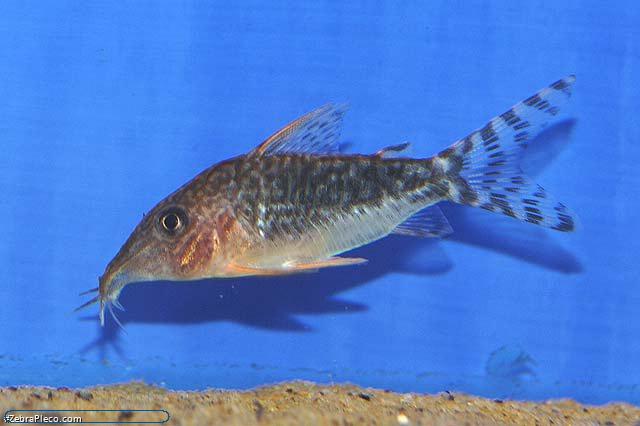
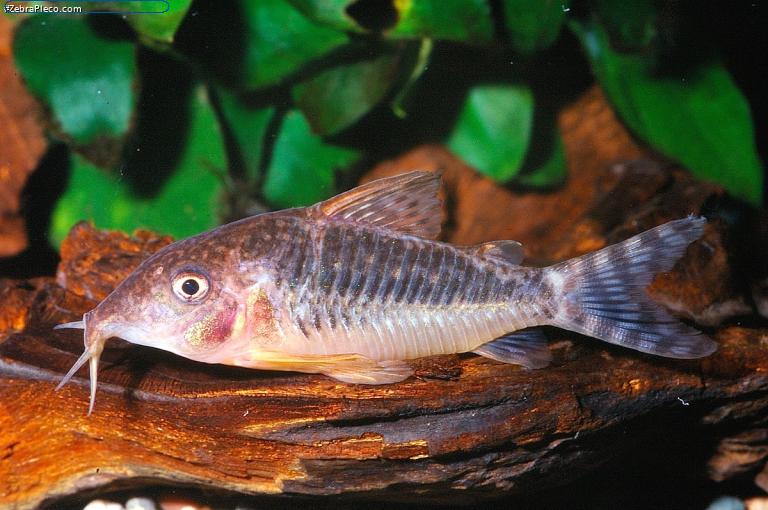
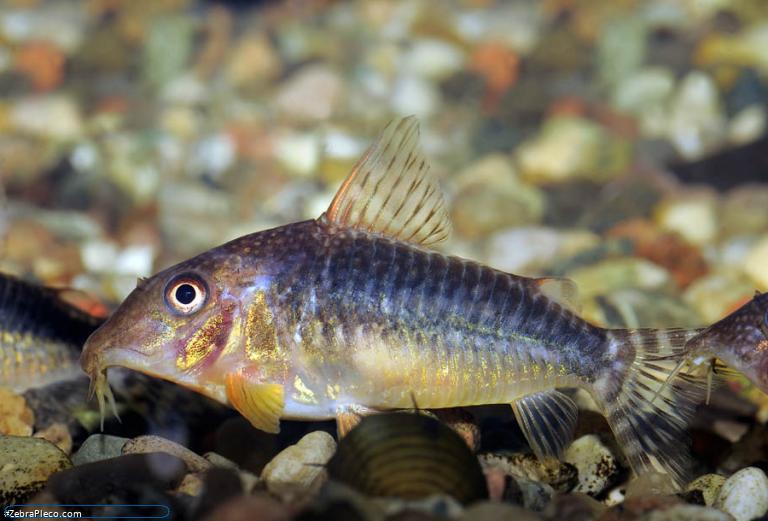
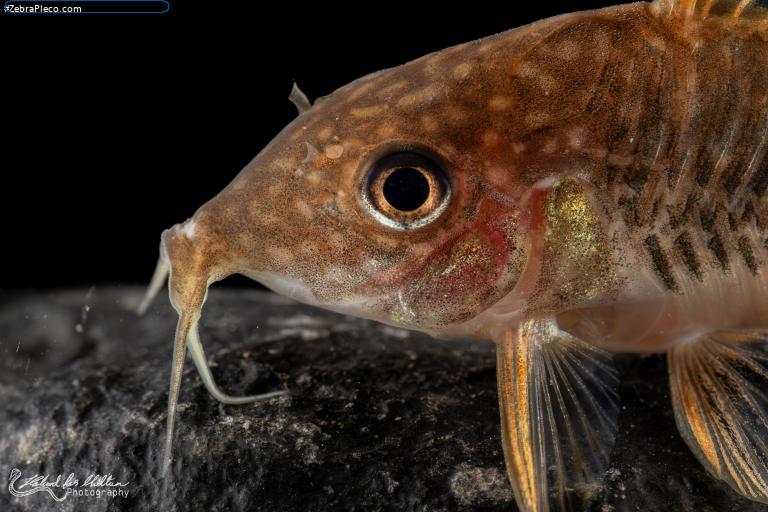
Shares a similar colour pattern with Corydoras gossei, which has a rounded snout.
Sexual Dimorphism (Sexing)
The males tend to be slightly smaller and more slender than the females. The dorsal and pectoral fins of the males tend to be more pointed than those of the females. Sexing of these catfish is easier when being viewed from above.
Taxonomy, Synonyms & Etymology
Classification history, linguistic derivations and variant forms
Pronunciation
bro kiss sub clade four - sue see eye
Etymology
This catfish was specifically named after (dedicated to) Mr. Werner Seuss, a well known German aquarist and author.
Literature & Resources
Scientific publications, external links and citation tools
Description Reference
Aquaristik aktuell (Germany) 2/1996, pp 25.
External Databases
Related Searches

