PAGE_HEADER
Amphilius jacksonii Boulenger, 1912
Image Showcase
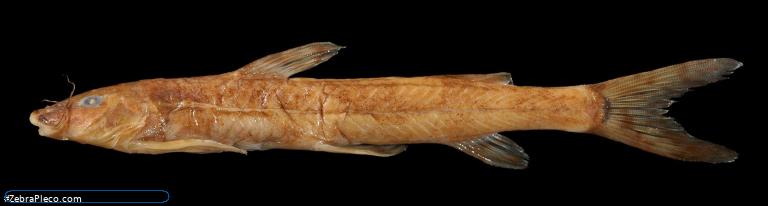
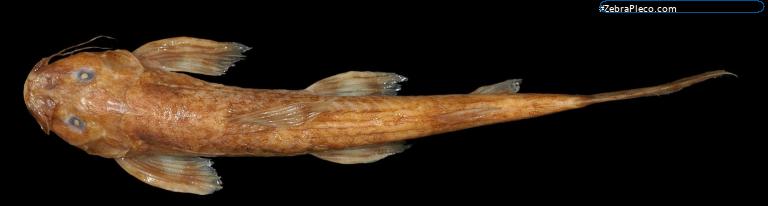
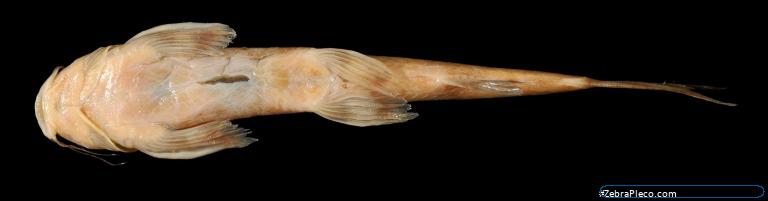
Photographs, diagnostic angles and morphological variants
Community & Keeper Tally
Member interactions, breeding records and forum mentions
Aquarium Care & Husbandry
Dietary requirements, tank setup, compatibility and breeding
Feeding & Diet
In the wild will feed predominantly on aquatic insects. [View Member Food Stats]
Habitat & Water Parameters
Natural distribution, biotope water conditions and temperature ranges
Geographic Distribution
Africa: Hima River, Aduka and Agoye Rivers (Uganda), Rutshuni River (Lake Edward) (Democratic Republic of the Congo).
African Waters, Aduka (click on these areas to find other species found there)
African Waters, Agoye (click on these areas to find other species found there)
African Waters, Hima (click on these areas to find other species found there)
African Waters, Western Rift Valley Lakes, Albert, Rutshuni (click on these areas to find other species found there)
Login to view the map.
Species Description & Identification
Morphology, diagnostic traits and sexual dimorphism
Identification
Most amphiliid species are found in fast-flowing water of clear, rocky streams at high elevations or rapids of large lowland rivers (Berra 2001; Roberts 2003).basins (Seegers et al. 2003). Species of Amphilius are adapted for fast flow and rocky habitats (Skelton 1986). Morphological adaptations for these habitats include expanded pectoral and pelvic fins with a thickened first ray, depressed body, dorsally directed eyes and reduced swim bladder (Skelton 1986; Walsh et al. 2000). The large pelvic fins form, in conjunction with the body, a feeble sucking disc that enables the fish to cling to rocks (Jackson 1961b).
Body variably mottled and with 5 dark saddles which are connected by a broad stripe laterally.Light brown below.Dorsal and anal fins light brown with dark band. Adipose fin dark brown, cream-coloured on the outer edges.Pectoral and pelvic fins brown on top, light yellow under with dark band. Caudal brown with a cream patch and upper and lower lobe tips are cream. Caudal colour is asymmetrical the lower lobe having slightly more pigment.
Taxonomy, Synonyms & Etymology
Classification history, linguistic derivations and variant forms
Pronunciation
ahm FILL ee us
Etymology
Amphilius: Not clear; probably from the Greek amphi, meaning both sides and leios, meaning smooth.
Literature & Resources
Scientific publications, external links and citation tools
Description Reference
Annals and Magazine of Natural History (Series 8) v. 10 (no. 60), pp 602.
External Databases
Related Searches