
PAGE_HEADER
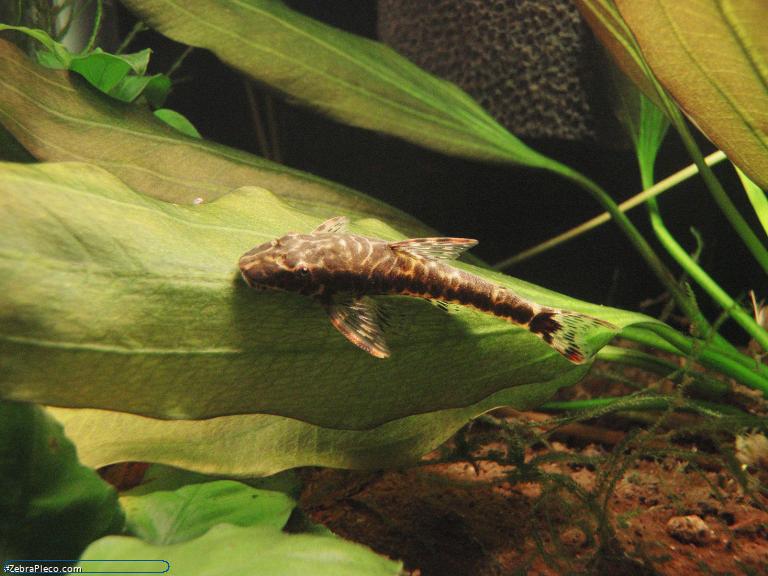
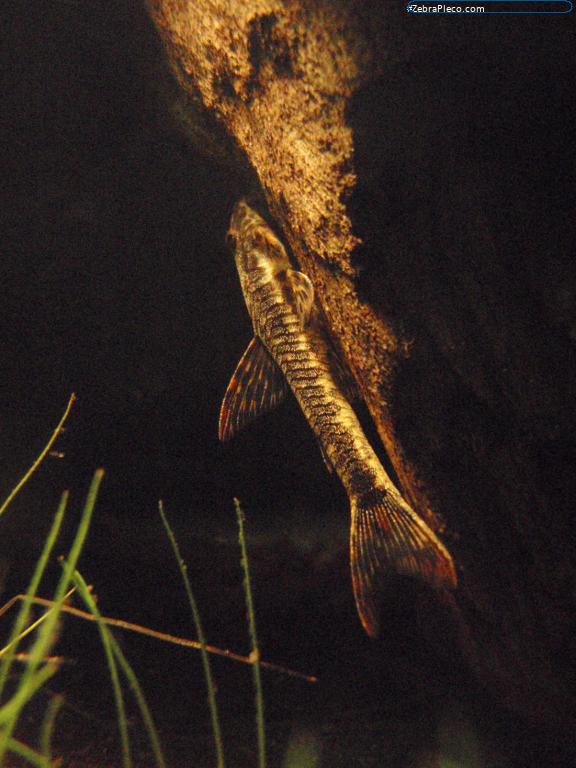
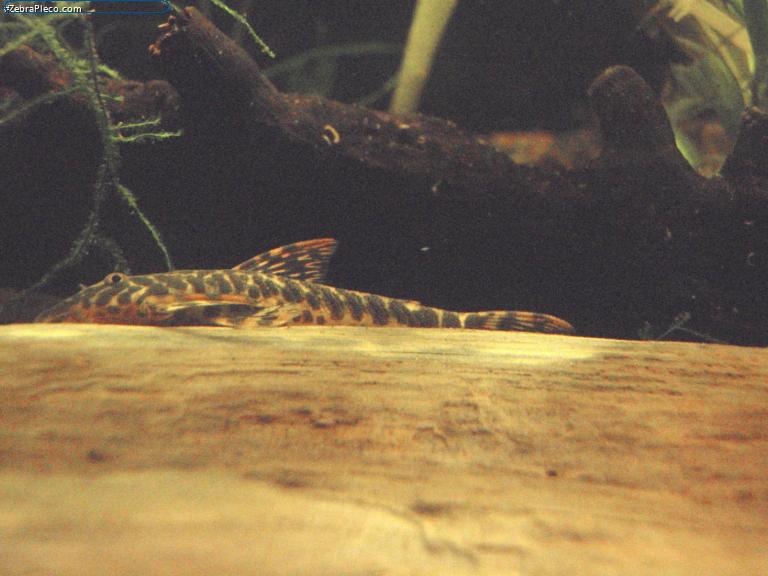
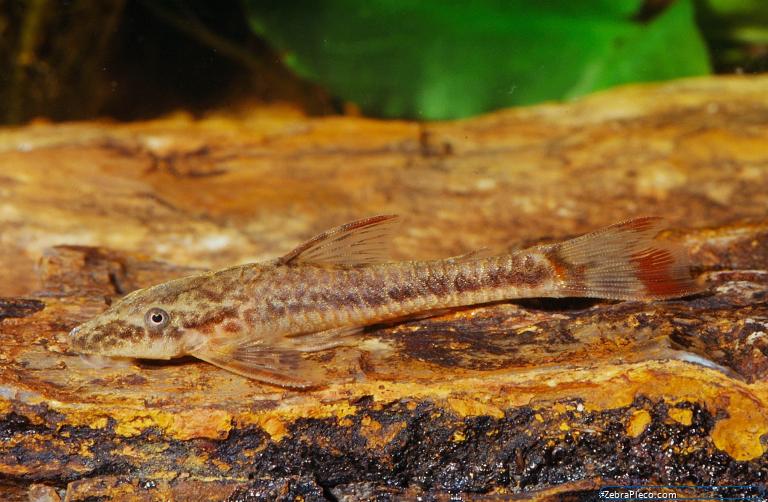
Parotocinclus maculicauda (Steindachner, 1877)
Image Showcase
Photographs, diagnostic angles and morphological variants

Community & Keeper Tally
Member interactions, breeding records and forum mentions
Aquarium Care & Husbandry
Dietary requirements, tank setup, compatibility and breeding
Feeding & Diet
Omnivore. Feed flake food supplemented by lettuce, cucumber, zucchini, baby brine shrimp or bloodworm. May eat algae if hungry and has no other food available, but is not really an "algae eater". [View Member Food Stats]
Aquarium Furniture & Decor
The fish prefers a heavily planted tank, but will also thrive in a rock and driftwood environment.
Compatibility & Suggested Tankmates
A hardy but peaceful little fish that does well with other peaceful fish. Enjoys the company of its own kind. Will do some light damage to plants.
Breeding Notes
Has been bred in the aquarium. Use temperature of around 24°C, clean water with a neutral to slightly acidic pH. Condition with baby brine shrimp and bloodworm. Typically lays 10-20 eggs in each spawning, often on plant leaves. Fry grow slowly.
Habitat & Water Parameters
Natural distribution, biotope water conditions and temperature ranges
Geographic Distribution
South America: coastal rivers between Santa Catarina and Rio de Janeiro, Brazil.
Rio de Janeiro State Rivers, Macaé (click on these areas to find other species found there)
Rio de Janeiro State Rivers (click on these areas to find other species found there)
Santa Catarina State Rivers (click on these areas to find other species found there)
Sao Paulo State Rivers (click on these areas to find other species found there)
Sao Paulo State Rivers, Ribeira de Iguape, Betari Imported (click on these areas to find other species found there)
Santa Catarina State Rivers, Itapocu Imported (click on these areas to find other species found there)
Sao Paulo State Rivers, Ribeira de Iguape Imported (click on these areas to find other species found there)
Login to view the map.
Species Description & Identification
Morphology, diagnostic traits and sexual dimorphism
Identification
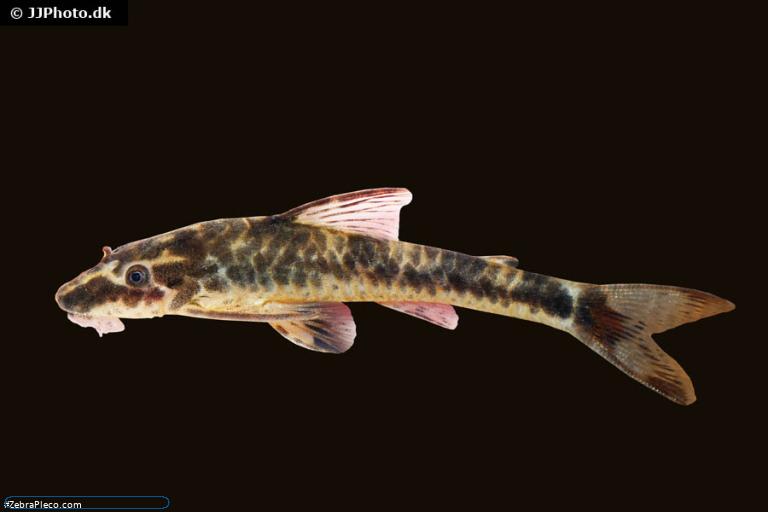
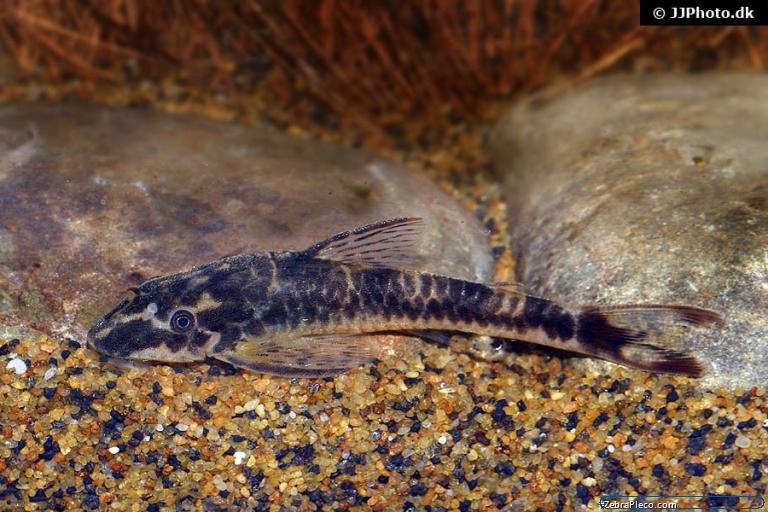
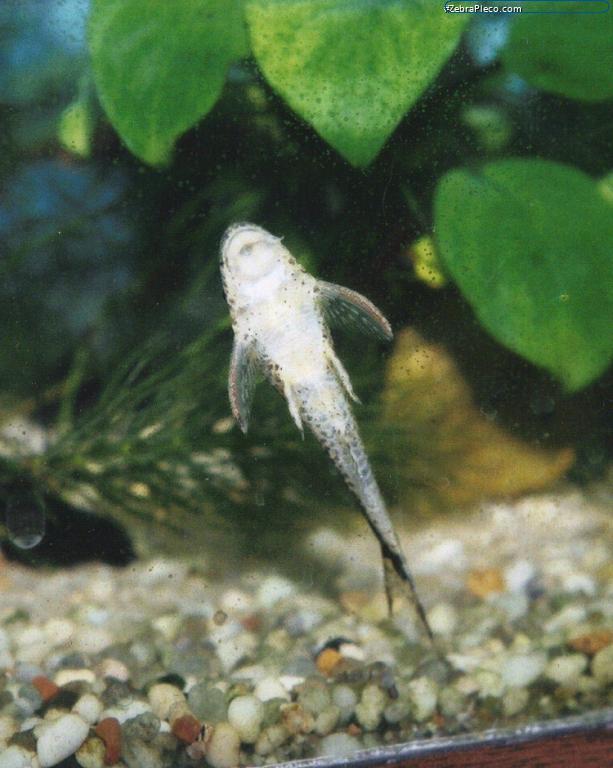
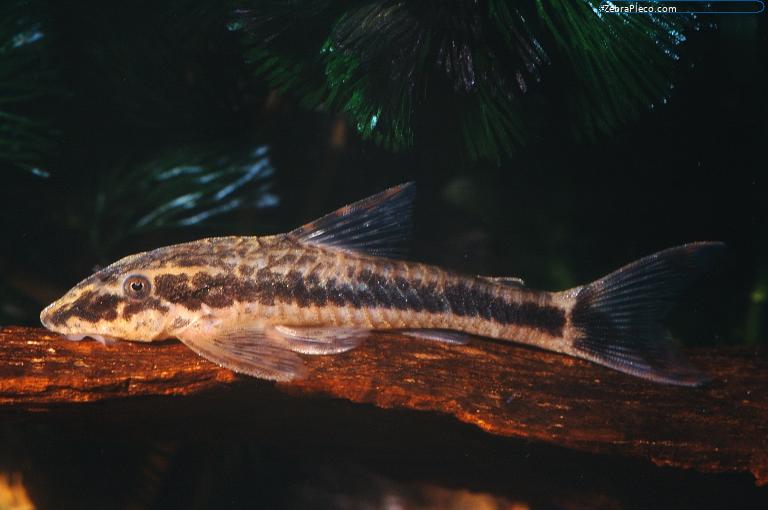
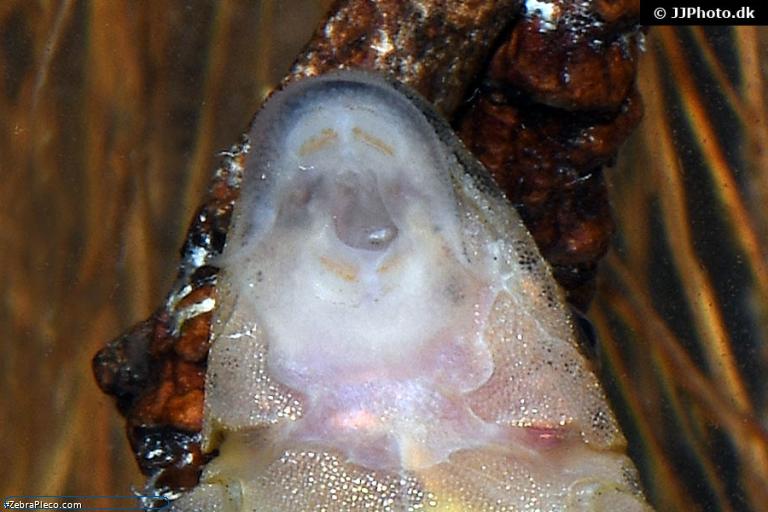
The genus Parotocinclus can readily be distinguished from Otocinclus by the presence of an adipose fin in the former.
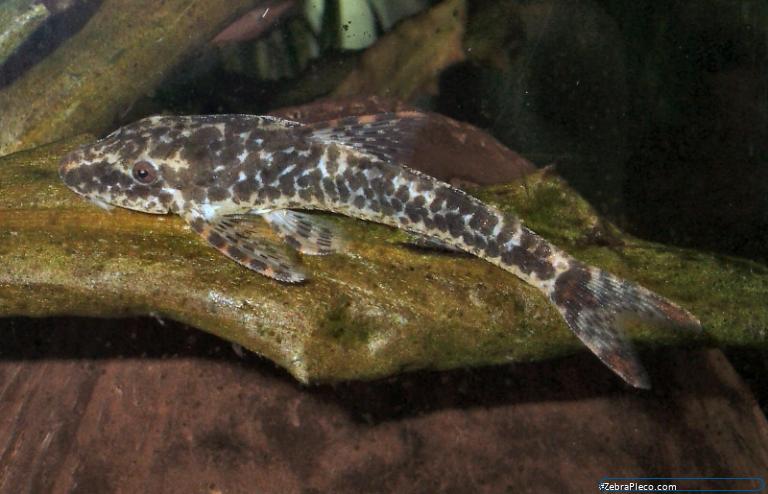
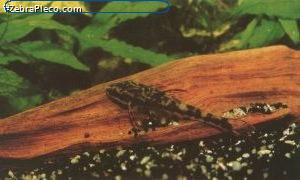
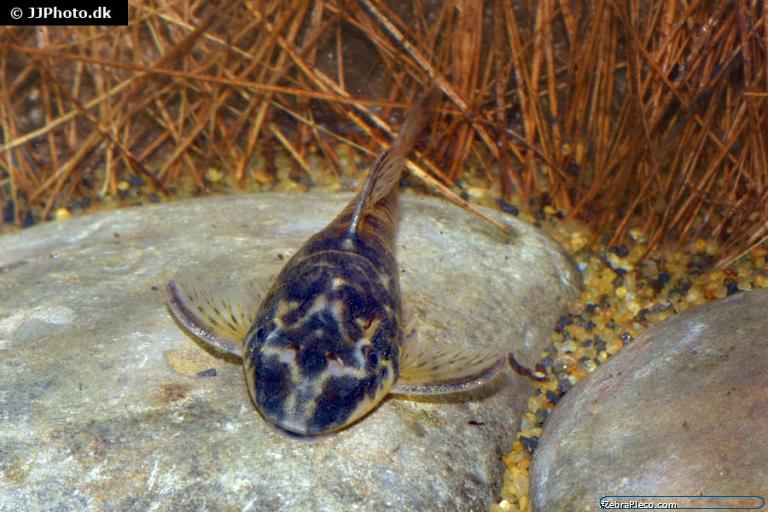
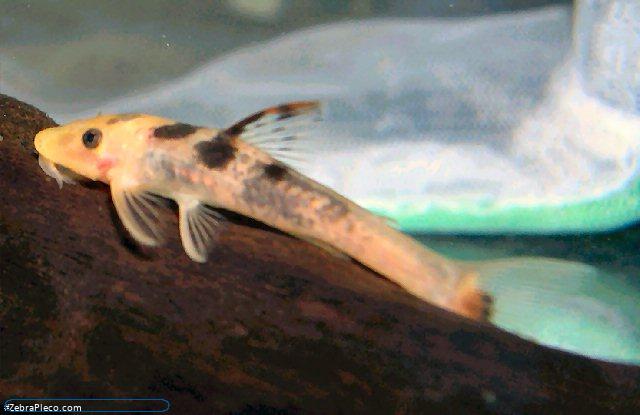
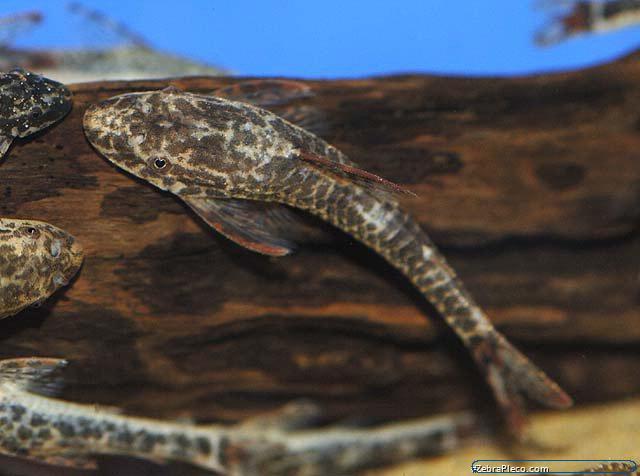
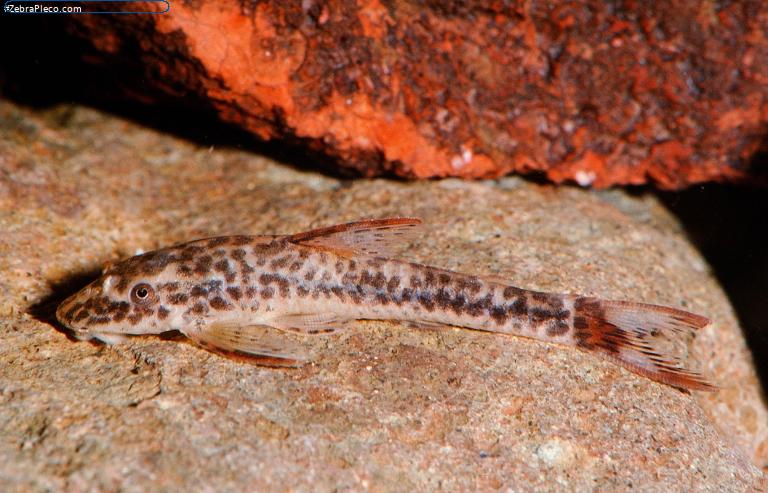
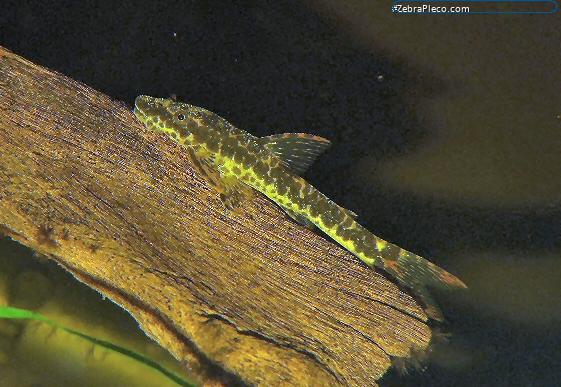
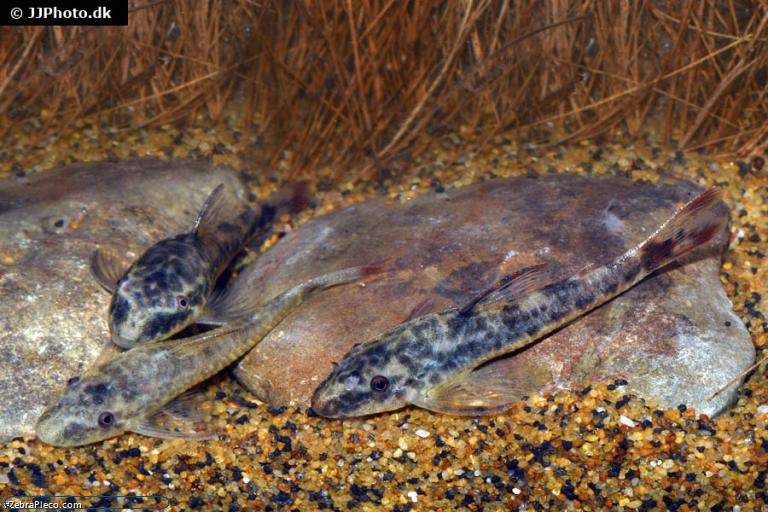
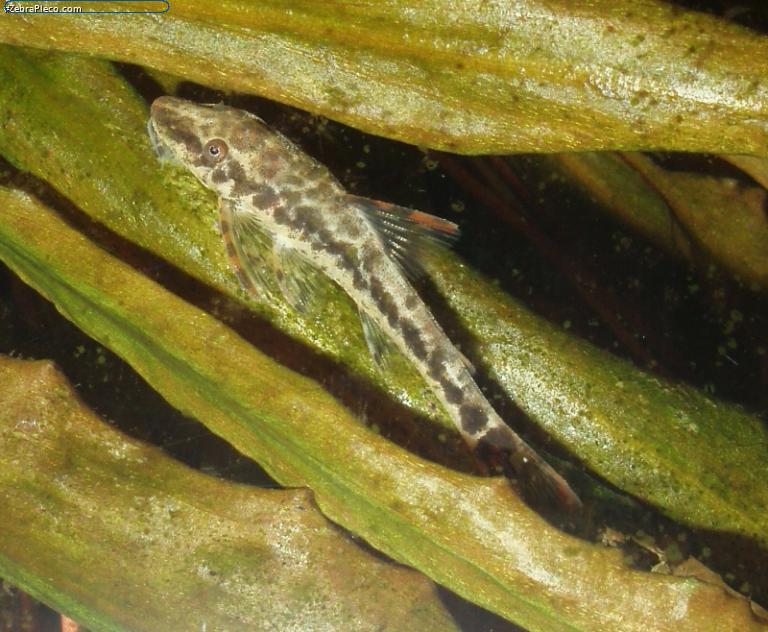
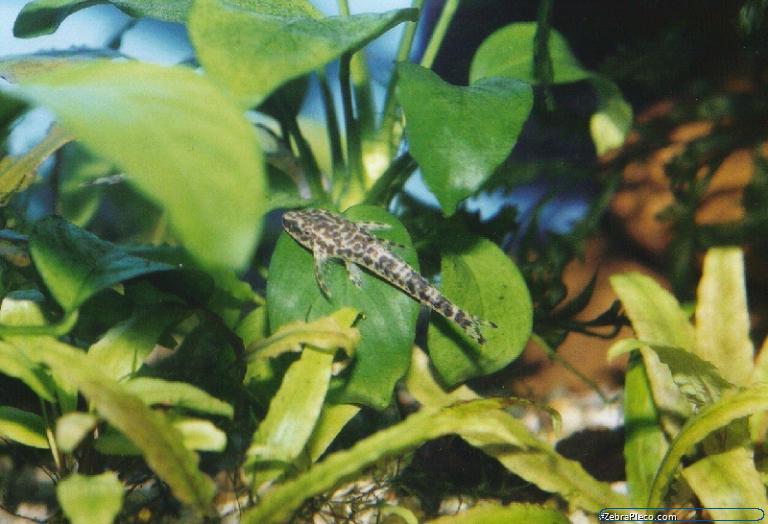
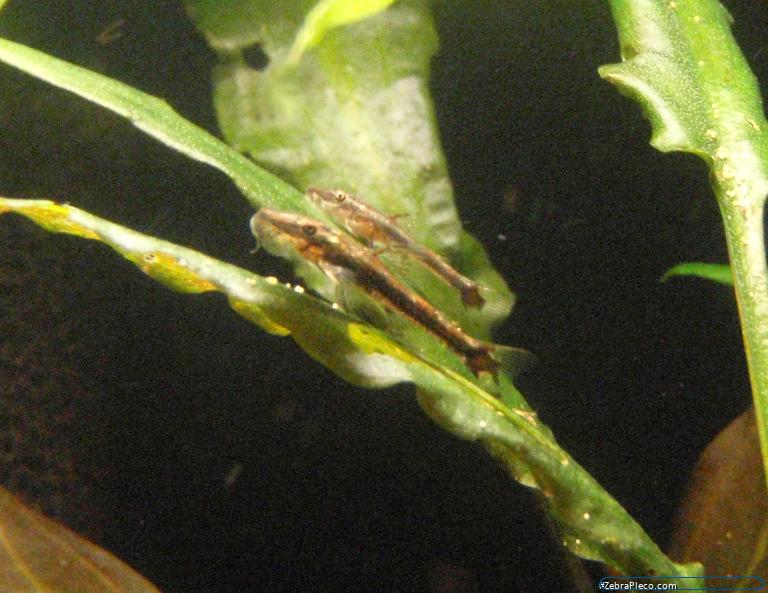
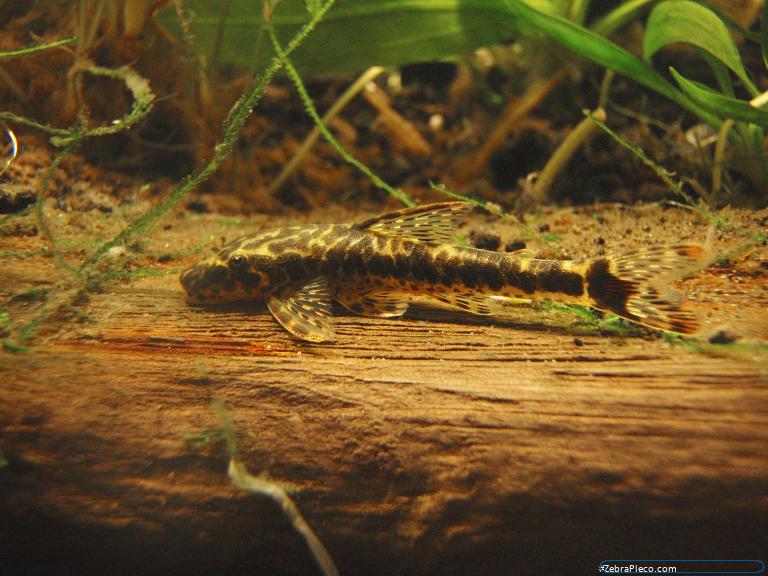
P. maculicauda has a mottled golden brown coloration. It derives its name from a red blotch on the caudal peduncle.
Sexual Dimorphism (Sexing)
Adult males have visible genital papilla.
Taxonomy, Synonyms & Etymology
Classification history, linguistic derivations and variant forms
Synonyms
Otocinclus maculicauda, Parotocinclus steindachneri
Pronunciation
parr auto SINK luss - mah KULE ee caw da
Etymology
Parotocinclus: Greek, para in the side of + greek, ous, otis = ear + Greek, kygklos, ou = a fish. macula = spot, blotch, cauda = tail
There are 3 other speciesMikrogeophagus maculicauda
Parachela maculicauda
Vieja maculicauda with this specific name.
Literature & Resources
Scientific publications, external links and citation tools
Literature & References
External Databases
Related Searches

