PAGE_HEADER
Luciopimelodus pati (Valenciennes, 1835)
Image Showcase
Photographs, diagnostic angles and morphological variants
Community & Keeper Tally
Member interactions, breeding records and forum mentions
Aquarium Care & Husbandry
Dietary requirements, tank setup, compatibility and breeding
Feeding & Diet
Omnivorous, with a carnivorous preference. In the wild prefers to eat small cichlids and larger tetras, molluscs and crustaceans. Will eat most foods in the aquarium, doesn't need live food. [View Member Food Stats]
Aquarium Furniture & Decor
Requires a huge aquarium or indoor pond and a lot of swimming space. Heaters and filter parts should be protected to avoid this fish trying to eat them and cause itself harm.
Compatibility & Suggested Tankmates
As with most large pimelodids, anything it can't eat.
Tankmates: The two main issues in selecting tankmates are one that reach a suitable size to avoid being eaten and are happy to live in the cooler water these fish prefer.
Breeding Notes
Unreported in the aquarium.
Habitat & Water Parameters
Natural distribution, biotope water conditions and temperature ranges
Geographic Distribution
South America: La Plata and Blanco River basins to Argentina.
La Plata (click on these areas to find other species found there)
La Plata, Uruguay, Middle Uruguay (click on these areas to find other species found there)
La Plata, Paraná, Paraguay (click on these areas to find other species found there)
Login to view the map.
Species Description & Identification
Morphology, diagnostic traits and sexual dimorphism
Identification
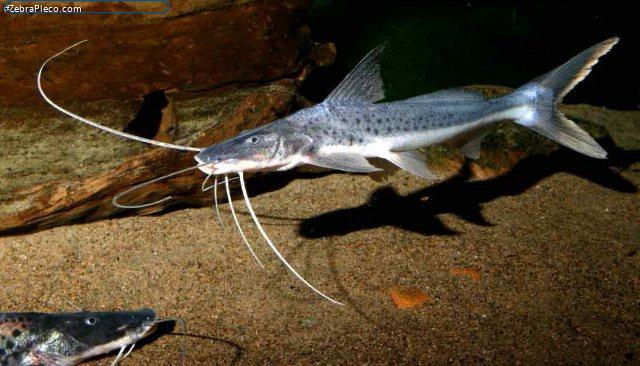
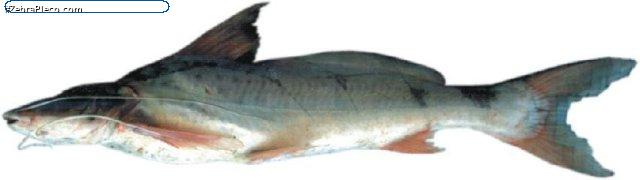
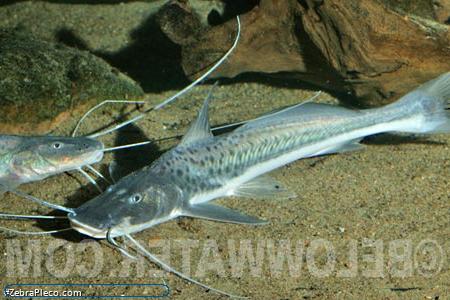
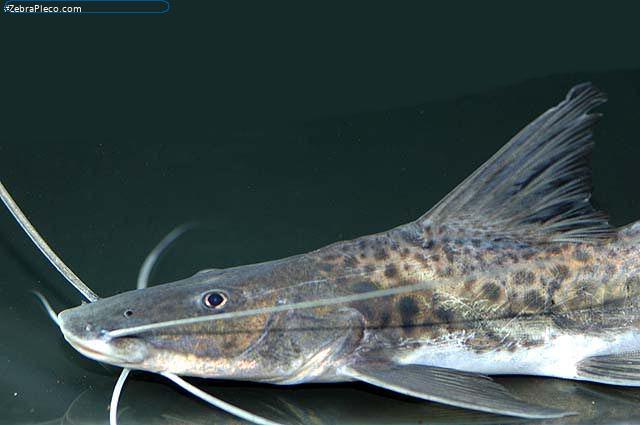
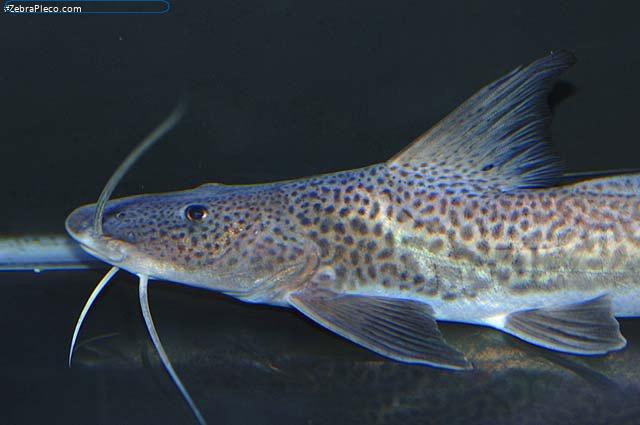
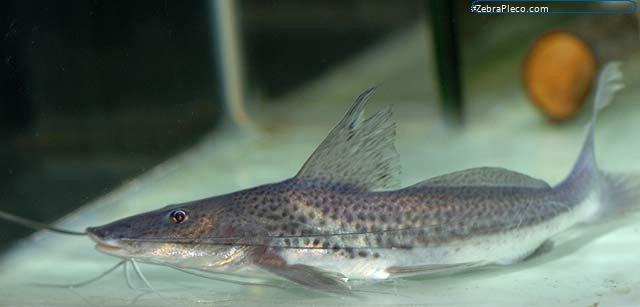
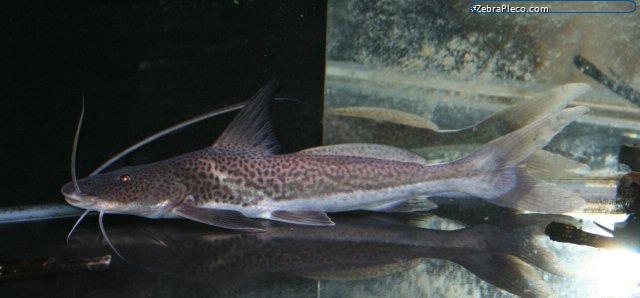
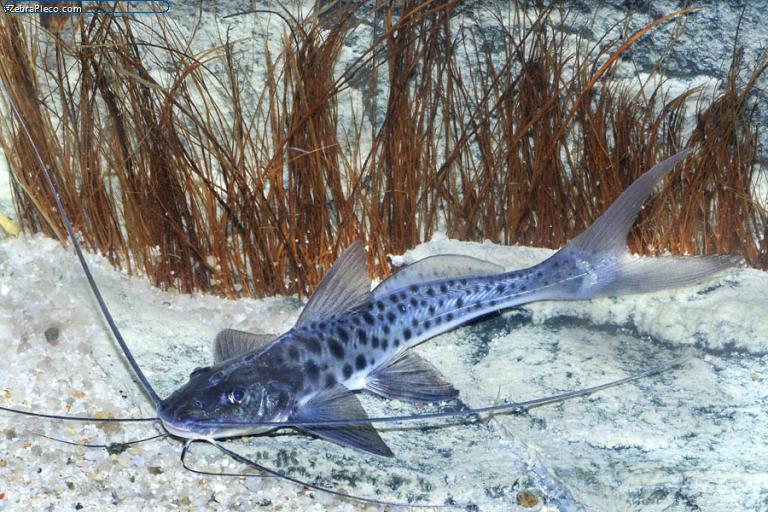
Large barbels, small eyes and a lead grey to bluish sheen to the upper body. In clear waters (and the aquarium) has an attractive blueish metallic sheen. A large fish reaching a total length of at least 1 metre and at that size can weigh around 20kg.
Taxonomy, Synonyms & Etymology
Classification history, linguistic derivations and variant forms
Synonyms
Bagrus tucumanus, Barbatus fluviatilis, Pimelodus pati, Silurus 11-radiatus, Silurus pati, Silurus undecimradiatus
Pronunciation
- pah tee
Etymology
(Latin)Lucio = Bright/Shining (Greek)Pimele=Fat + (Greek)odous=teeth. Named after its common local name.
Literature & Resources
Scientific publications, external links and citation tools
Description Reference
Voyage dans l'Amérique méridionale, pp Pl. 1 (figs. 7-9)
External Databases
Related Searches