PAGE_HEADER
Auchenoglanis senegali Retzer, 2010
Image Showcase
Photographs, diagnostic angles and morphological variants
Community & Keeper Tally
Member interactions, breeding records and forum mentions
Aquarium Care & Husbandry
Dietary requirements, tank setup, compatibility and breeding
No specialised aquarium care or husbandry notes recorded yet.
Habitat & Water Parameters
Natural distribution, biotope water conditions and temperature ranges
Geographic Distribution
Known only from the Senegal and Gambia river basins of West Africa.
African Waters, Gambia (click on these areas to find other species found there)
African Waters, Sénégal (click on these areas to find other species found there)
Login to view the map.
Species Description & Identification
Morphology, diagnostic traits and sexual dimorphism
Identification
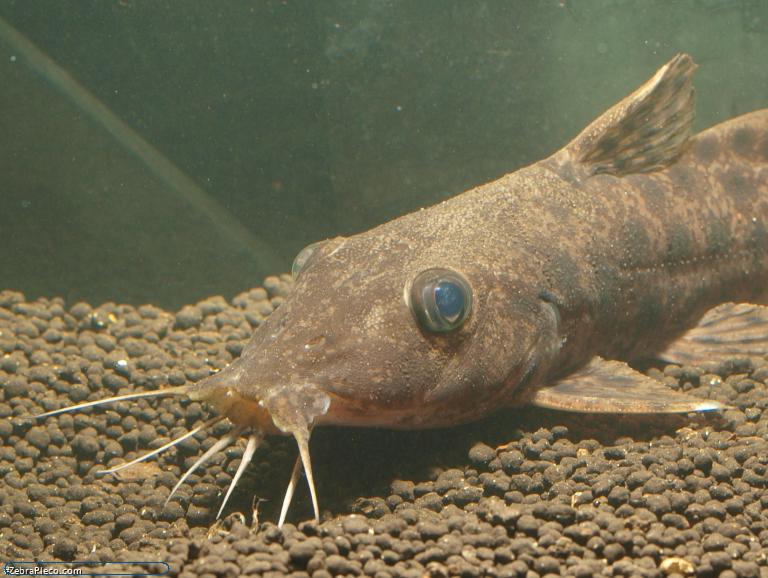
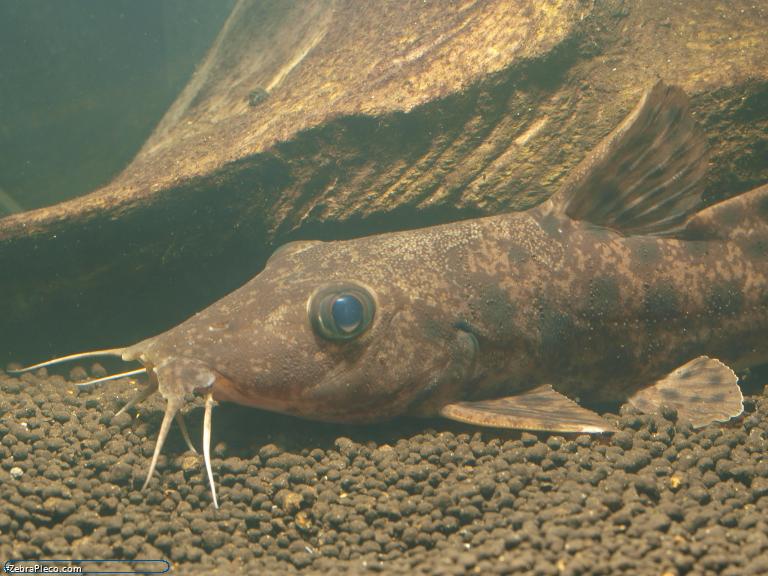
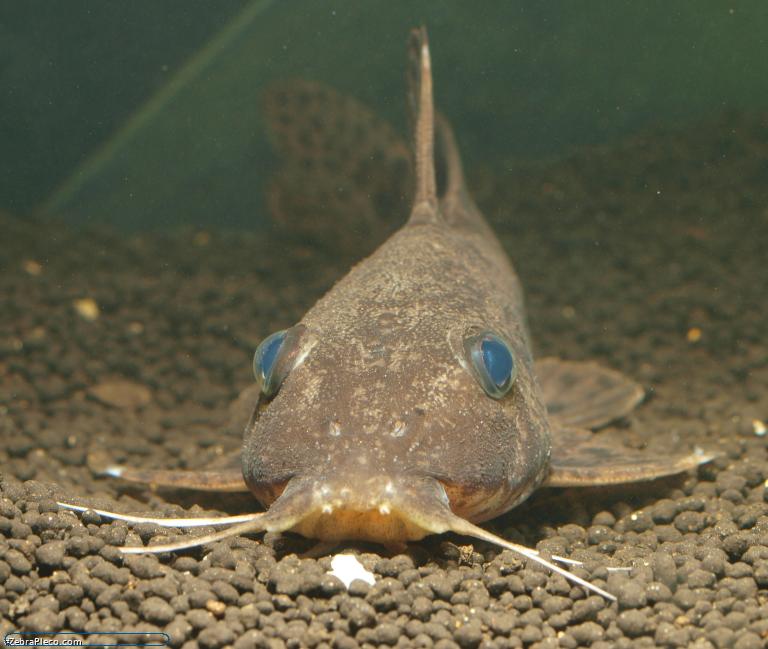
The genus is diagnosed on the basis of a unique combination of characters: a deep and broad skull, narrow mouth, reduced pramaxillary tooth patches, anterior nostrils on the upper lip, and three large nuchal plates, the first which is in close proximity to the rear of the supraoccipital- a bone on the dorsal side of the great foramen(opening) of the skull.
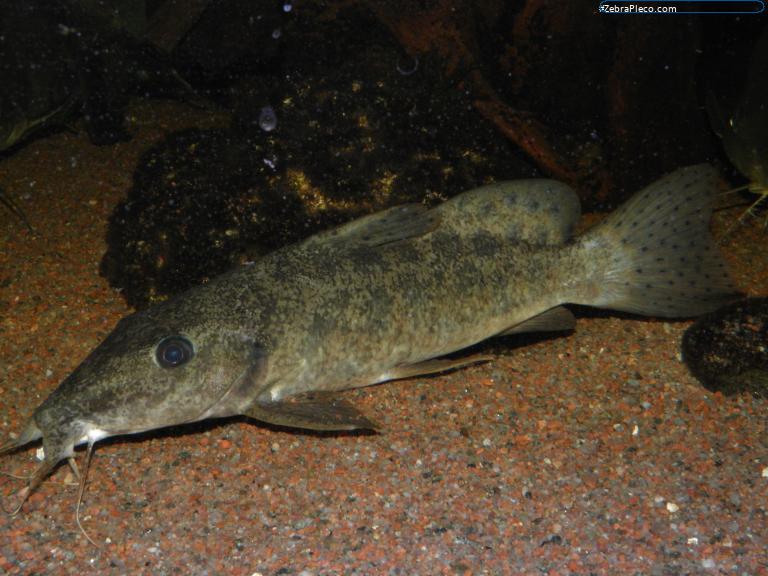
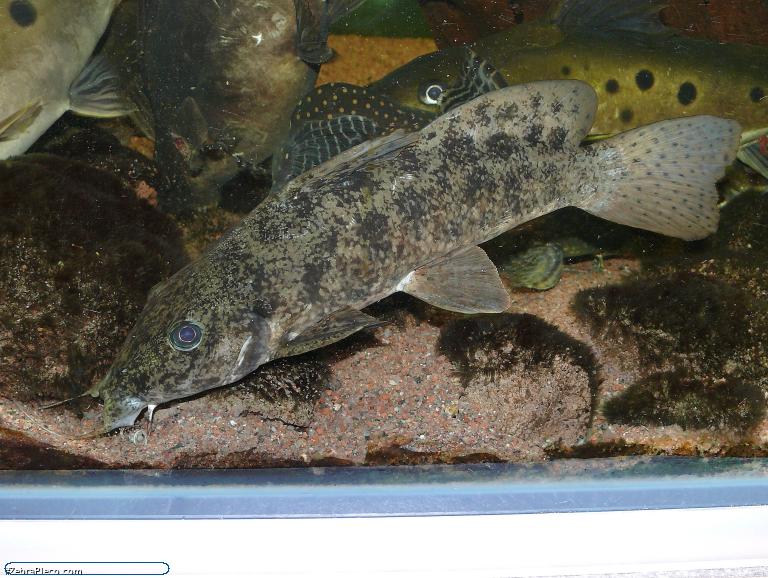
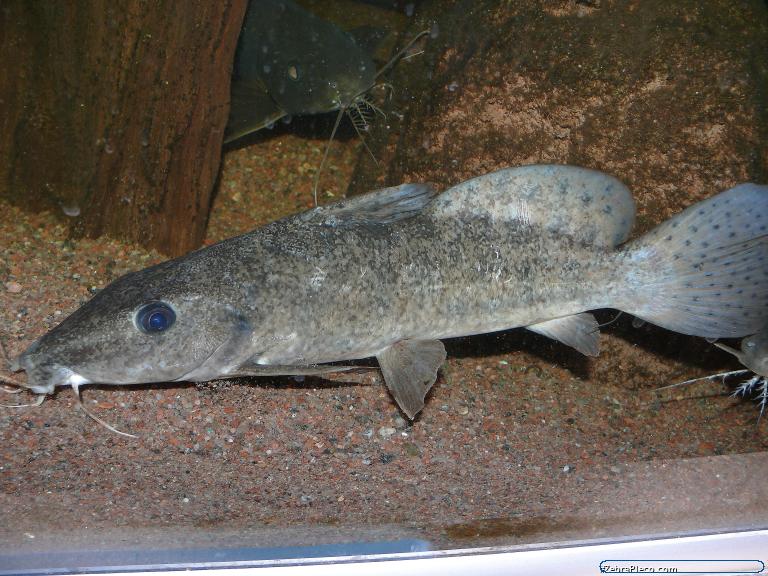
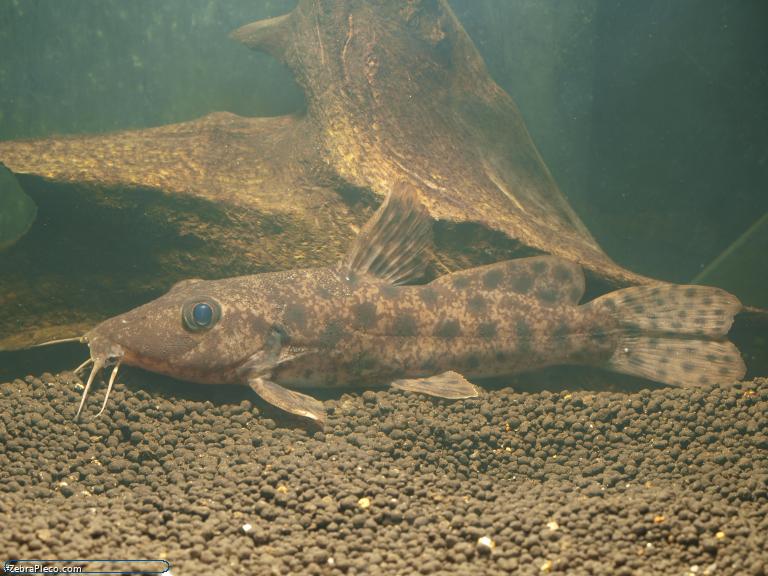
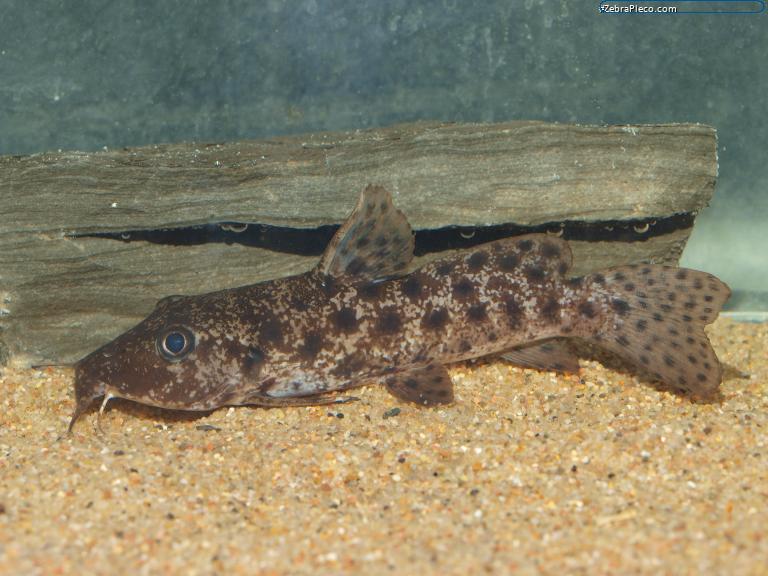
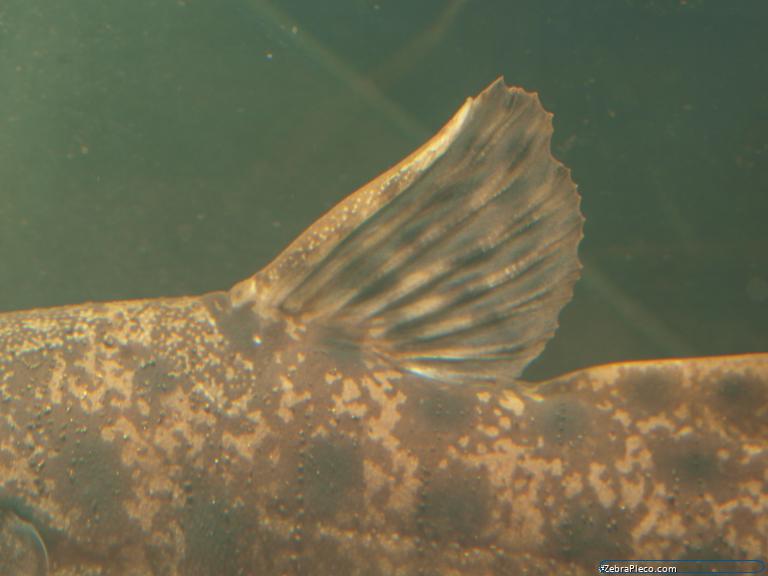
The adult body is white to light brown on the sides of the body, the ventral portion is white. Occasionally the upper one half of the body is slightly darker than the lower half. Large specimens have three horizontal series of dark spots on the body and intense dark spots on the fins although spots may be less intense and more diffuse on some specimens and wider spaced than in A. biscutatus. The barbels are light grey or brown although the mandibular barbels may be less dark than the maxillary barbels. the sides and top of the head are brown and without spots. The lower side of the head is white including the lower lip. The anterior edge of the adipose fin rises steeply and reaches its maximum height at a point approximately one half the length of the adipose fin.
General Remarks
There is a good chance the size potential of the different species of Auchenoglanis may be much bigger than what is shown on the data pages. Some of the current data comes from studies which do not always use fully grown adult fish, sizes will be adjusted as proof of larger adult sizes are revealed. Most species will be larger, A. senegali being the only one proven to stay smaller so far.
Taxonomy, Synonyms & Etymology
Classification history, linguistic derivations and variant forms
Etymology
Auchenoglanis: From the Greek, auchenos, meaning neck and glanis, meaning catfish; in reference to the long cranial shield. Named for the country of origin where the type locality is located.
Literature & Resources
Scientific publications, external links and citation tools
Description Reference
Retzer, ME, 2010. Taxonomy of Auchenoglanis Günther 1865 (Siluriformes: Auchenoglanididae). Zootaxa 2655: 25–51.
External Databases
Related Searches